- EXPERT'S HELP
- +256789210067
- +256200955001
- info@kenlinktours.com


Uganda Rwanda Gorilla Trekking Comparisons
July 8, 2026
Short Gorilla Trips in Uganda Starting from Kigali
July 8, 2026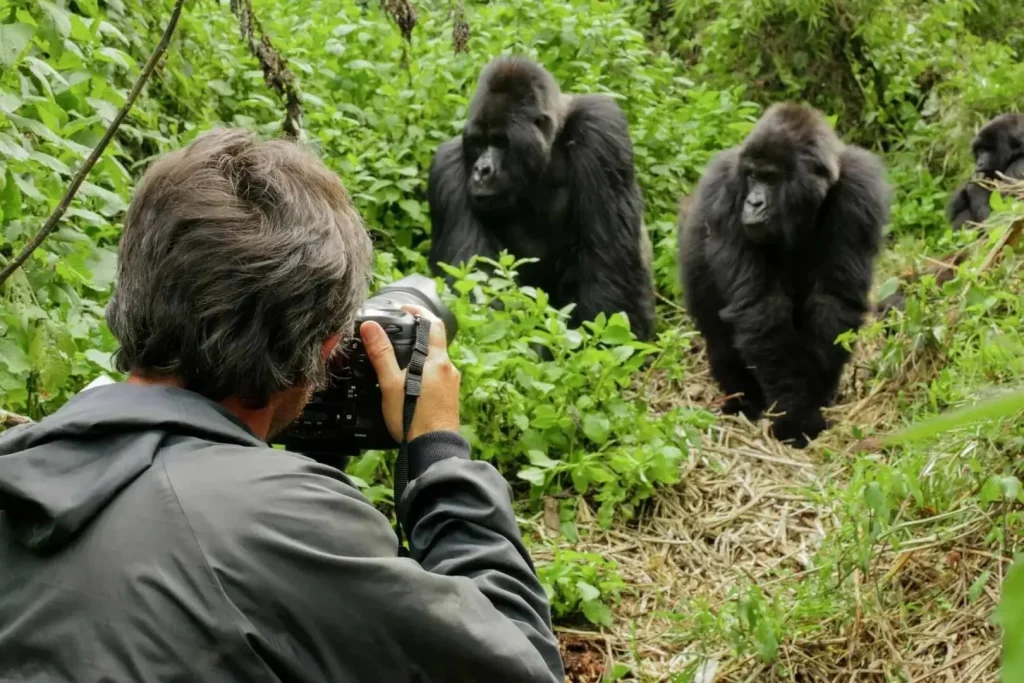
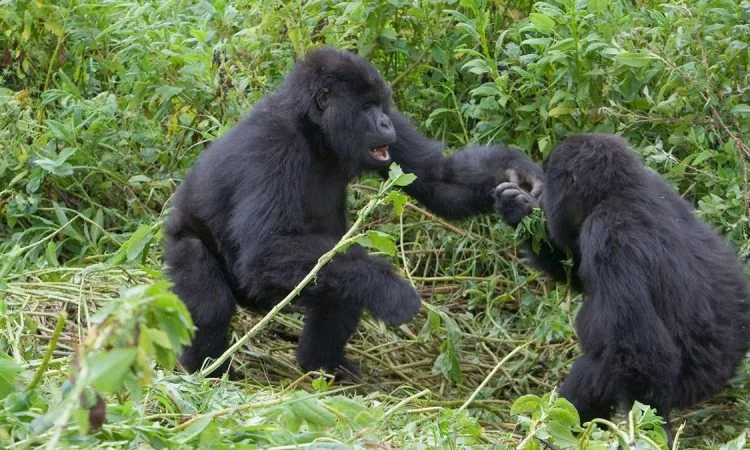
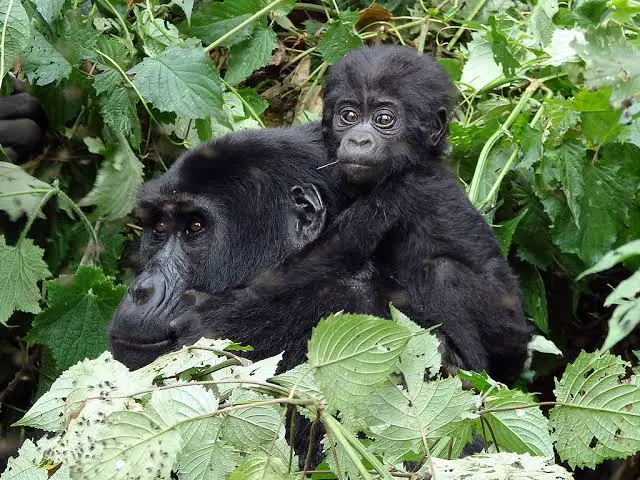
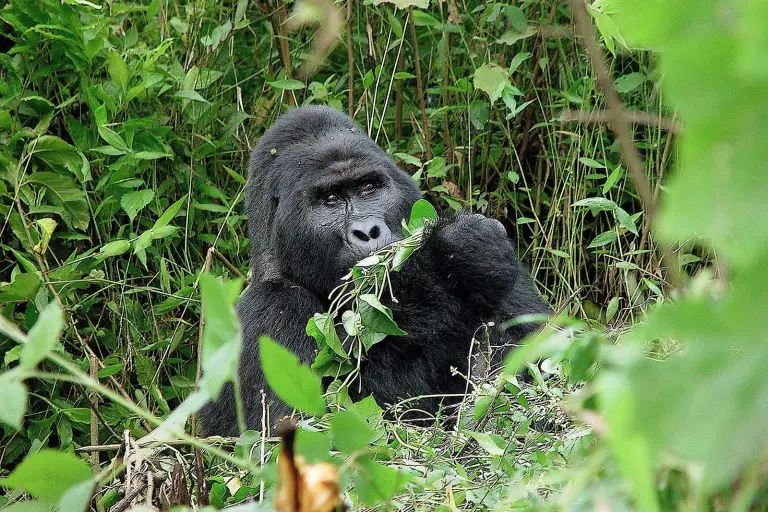
Gorilla Trekking: Uganda Versus Rwanda, Which Is Better? It’s the question we hear more than almost any other at Kenlink Tours: should you trek mountain gorillas in Uganda or Rwanda? Both countries share the same Virunga ecosystem, protect the same endangered species, and deliver the same core moment, one hour face-to-face with a wild gorilla family. But “better” depends entirely on what you’re optimizing for: price, time, comfort, or adventure.
Here’s our quick verdict, followed by the details behind it: Uganda wins on cost, gorilla family numbers, and overall wildlife variety. Rwanda wins on speed of access and luxury lodge density. If you have to pick one factor to decide by, start there.
Quick Comparison Table
| Factor | Uganda | Rwanda |
|---|---|---|
| Permit price (foreign non-resident) | USD 800 (USD 600 low season) | USD 1,500 |
| Where to trek | Bwindi Impenetrable & Mgahinga | Volcanoes National Park |
| Airport transfer time | 8–10 hrs by road (or short flight) | 2.5–3 hrs by road |
| Habituated gorilla families | 20+ | ~12 |
| Terrain | Dense rainforest, steep ridges | Bamboo forest, volcanic slopes |
| Trek difficulty | Moderate to strenuous | Easy to moderate |
| Lodge style | Wide range, budget to luxury | Luxury-heavy |
| Extended encounter option | Gorilla Habituation Experience (up to 4 hrs) | Not offered |
| Other wildlife nearby | Chimpanzees, tree-climbing lions, Big Five | Golden monkeys, Lake Kivu |
Is Uganda Cheaper Than Rwanda for Gorilla Trekking?
Yes, significantly. A standard gorilla permit through the Uganda Wildlife Authority costs USD 800 per person, compared to USD 1,500 through the Rwanda Development Board, a gap of USD 700 per permit before you’ve even booked a lodge. Travel during Uganda’s low season (April, May, or November) and the permit drops further to around USD 600. Because lodge rates and ground transport in Uganda also skew lower on average, a complete guided safari in Uganda typically costs 15–30% less than an equivalent trip in Rwanda.
Which Country Is Faster to Reach?
Rwanda takes this one comfortably. Volcanoes National Park is roughly 2.5 to 3 hours by smooth, paved road from Kigali International Airport, so it’s genuinely possible to land in the evening and be trekking gorillas the next morning. Uganda’s gorilla parks are more remote: the drive from Entebbe to Bwindi runs 8 to 10 hours, usually split over two days, or you can cut that down with a short domestic flight to an airstrip near the park. If your vacation days are tight, Rwanda’s accessibility is hard to beat.
Which Trek Is Physically Harder?
Uganda’s, generally. Bwindi Impenetrable Forest earns its name with dense undergrowth, muddy, steep ridgelines, and treks that can stretch from thirty minutes to most of a day depending on where the gorillas have wandered. Rwanda’s Volcanoes National Park climbs through more open bamboo forest and Hagenia woodland on better-maintained trails, and most gorilla families are found within one to two hours. Neither trek is easy, but Rwanda is the gentler of the two, which matters if you’re trekking with older travelers or anyone with moderate fitness concerns.
Which Has More Gorilla Families to See?
Uganda, by a wide margin. Between Bwindi’s four sectors, Buhoma, Ruhija, Rushaga, and Nkuringo, and Mgahinga’s single family, more than 20 habituated gorilla groups are open to tourism, with upward of 150 permits issued daily. Rwanda’s Volcanoes National Park manages around a dozen families and roughly 100 to 112 daily permits. More families generally means more flexibility on your trekking date, especially if you’re not booking a year in advance.
Which Offers Better Lodges?
It depends on your budget. Rwanda has built its tourism identity around a small number of ultra-luxury properties close to the park gate, think architectural design, spa facilities, and gourmet dining. Uganda’s lodge scene is broader rather than more exclusive, spanning simple community guesthouses, strong mid-range options, and a growing number of genuinely high-end lodges around Bwindi’s Buhoma and Nkuringo sectors. If five-star comfort is non-negotiable, Rwanda has the edge; if you’d rather stretch your budget across more days or activities, Uganda gives you more room to do that.
Which Gives You More Time With the Gorillas?
Uganda, if you want it. The standard one-hour visit is identical in both countries, but Uganda alone offers the Gorilla Habituation Experience in Bwindi’s Rushaga sector, where a small group joins researchers for up to four hours with a gorilla family still being acclimatized to humans. Rwanda has no equivalent extended-access permit; every visit there is capped at the standard hour.
Which Country Pairs Better With Other Wildlife?
Uganda has the stronger case here. Kibale Forest, the best chimpanzee trekking destination on the continent, is a manageable drive from Bwindi, and Queen Elizabeth National Park adds tree-climbing lions, elephants, and a boat cruise on the Kazinga Channel to the same route. That’s why so many travelers build a trip around our gorilla trekking adventures, which combine primates with classic savannah game drives. Rwanda answers with golden monkey trekking and the scenic Lake Kivu shoreline, appealing in its own right but narrower in overall wildlife variety.
Who Should Choose Rwanda?
- Travelers with a week or less who can’t afford long transfer days
- First-time Africa visitors who want a streamlined, low-effort itinerary
- Honeymooners and luxury travelers prioritizing top-tier lodges
- Anyone for whom the extra USD 700 in permit cost isn’t a deciding factor
Who Should Choose Uganda?
- Budget-conscious travelers who want the same gorilla encounter for less
- Adventure travelers who want a longer, more physically immersive forest trek
- Anyone wanting to combine gorillas with chimpanzees and Big Five game drives
- Photographers and repeat visitors interested in the extended Habituation Experience
Can You Just Do Both?
Absolutely, and many of our guests do. Flying into Kigali, trekking Rwanda’s gorillas, then crossing the border into Uganda for a second trek in Mgahinga or Bwindi is one of the most efficient ways to double your gorilla encounters without adding much overland travel. Our 4-Day Rwanda-Uganda Golden Monkey and Gorilla Trekking tour is built specifically around this route, and our 6-Day Rwanda Adventures: Great Apes and Lake Kivu itinerary pairs Rwanda’s primates with a relaxing finish on the lake.
The Bottom Line
Neither country is objectively “better,” they’re built for different travelers. Rwanda sells convenience and polish; Uganda sells value and adventure. If you’re still torn, ask yourself one question: would you rather save USD 700 and hike a little harder for it, or pay more for a shorter drive and a five-star finish? Your answer to that usually settles it.
Get Expert Advice from Kenlink Tours
We’ve guided gorilla treks in both Uganda and Rwanda since 2010, so we’re not trying to steer you toward one country over the other, we’re trying to match you with the right one. Browse our Uganda safari packages or contact our safari experts for a free, honest comparison built around your dates, budget, and travel style.