- EXPERT'S HELP
- +256789210067
- +256200955001
- info@kenlinktours.com


Best Wildlife Safaris in Uganda: Where to See the Big Five
March 1, 2026
How Gorilla Trekking Safaris Local Communities in Uganda
March 1, 2026
Gorilla Trekking vs Chimpanzee Tracking in Uganda. Uganda is a wildlife paradise, offering some of the world’s most sought-after primate experiences: gorilla trekking in dense rainforests and chimpanzee tracking in lush woodland habitats. Both activities provide unforgettable encounters with our closest animal relatives, but they differ in intensity, accessibility, and overall experience.
For first-time visitors, wildlife enthusiasts, and photographers, understanding the differences between gorilla trekking and chimpanzee tracking can help in planning a safari that best suits your interests, fitness level, and schedule.
Why Uganda Is a Top Destination for Primate Safaris
-
High Primate Diversity: Uganda is home to approximately half of the world’s remaining mountain gorillas and several habituated chimpanzee populations.
-
Diverse Habitats: Rainforests, national parks, and woodland areas provide ideal conditions for primate viewing.
-
Well-Managed Parks: Uganda Wildlife Authority (UWA) ensures safe, responsible, and ethical wildlife encounters.
-
Accessibility: Parks are well-connected, allowing combination safaris for gorilla trekking, chimpanzee tracking, and other wildlife experiences.
Gorilla Trekking in Uganda
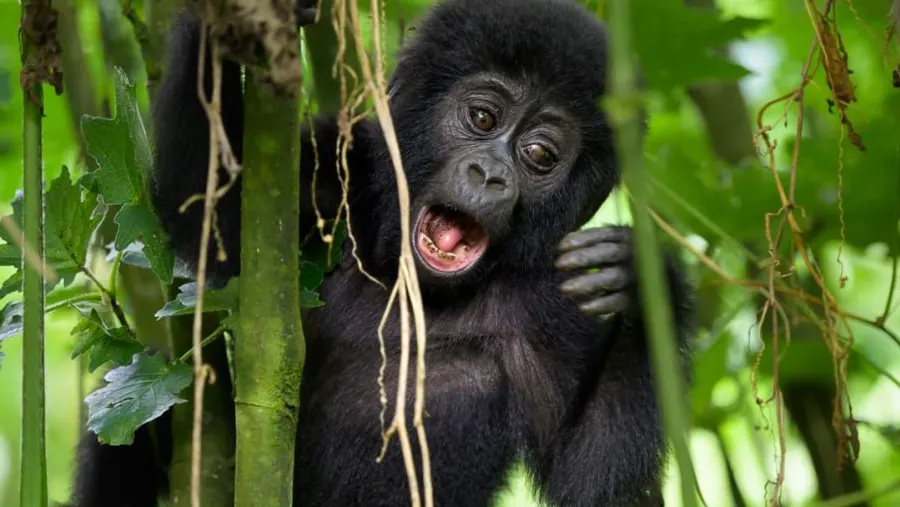
Gorilla trekking is primarily conducted in Bwindi Impenetrable National Park and Mgahinga Gorilla National Park.
What to Expect:
-
Habitat: Dense rainforest with steep trails and uneven terrain
-
Duration: Trekking can take 2–6 hours depending on the location of gorilla families
-
Group Size: Limited to 8 people per gorilla group to minimize stress on the animals
-
Observation Time: 1 hour with gorillas once encountered
Highlights:
-
Close, intimate encounters with endangered mountain gorillas
-
Photographing gorillas in their natural environment
-
Scenic forest landscapes with high biodiversity
Fitness Level: Moderate to high; trekking requires good mobility and stamina due to steep and slippery trails.
Chimpanzee Tracking in Uganda
Chimpanzee tracking is offered in Kibale Forest National Park, Budongo Forest, and parts of Kyambura Gorge in Queen Elizabeth National Park.
What to Expect:
-
Habitat: Tropical rainforest and open woodland with dense undergrowth
-
Duration: Treks typically last 2–5 hours, sometimes longer depending on chimpanzee movement
-
Group Size: Usually 6–8 people per group
-
Observation Time: 1 hour with the chimpanzees once located
Highlights:
-
Witness chimpanzee social behavior, including grooming, playing, and hunting
-
Opportunity to see forest birds, monkeys, and other wildlife along the trek
-
Less physically demanding than gorilla trekking in steep mountain terrain
Fitness Level: Moderate; trekking is easier than gorilla trails but can involve muddy, uneven paths.
Key Differences Between Gorilla Trekking and Chimpanzee Tracking
| Feature | Gorilla Trekking | Chimpanzee Tracking |
|---|---|---|
| Primary Parks | Bwindi, Mgahinga | Kibale, Budongo, Kyambura |
| Terrain | Steep rainforest, challenging trails | Forest and woodland, generally flatter |
| Group Size | 8 people per gorilla group | 6–8 people per chimpanzee group |
| Trek Duration | 2–6 hours | 2–5 hours |
| Observation Time | 1 hour | 1 hour |
| Difficulty | Moderate to high | Moderate |
| Highlights | Endangered mountain gorillas, scenic rainforest | Social chimpanzee behaviors, forest biodiversity |
Choosing Between Gorilla Trekking and Chimpanzee Tracking
-
Time Available: Gorilla trekking often requires longer treks and earlier planning due to permit demand. Chimpanzee tracking can be more flexible.
-
Fitness Level: Gorilla trekking is more physically demanding; chimpanzee tracking is suitable for most fitness levels.
-
Wildlife Preference: Gorilla trekking offers one of the world’s most iconic wildlife encounters, while chimpanzee tracking provides engaging social behaviors and playful interactions.
-
Budget Considerations: Gorilla permits are more expensive, whereas chimpanzee permits are generally more affordable.
Many travelers choose to combine both experiences in one safari to experience the full spectrum of Uganda’s primate diversity.
Sample Combined Primate Safari Itinerary
5-Day Primate Safari in Uganda:
-
Day 1: Arrival in Entebbe → Transfer to Kibale Forest National Park
-
Day 2: Chimpanzee tracking in Kibale Forest → Optional Bigodi Wetlands birding walk
-
Day 3: Travel to Bwindi Impenetrable National Park → Overnight lodge stay
-
Day 4: Gorilla trekking in Bwindi → Evening cultural visit to local community
-
Day 5: Return to Kampala or Entebbe
This itinerary allows travelers to enjoy both primate encounters while experiencing Uganda’s scenic landscapes and wildlife diversity.
Tips for a Successful Primate Safari
-
Book Permits in Advance: Gorilla trekking permits are limited and often sell out months ahead.
-
Hire Experienced Guides: Guides ensure safety, maximize sightings, and provide interpretive knowledge.
-
Pack Proper Gear: Sturdy hiking shoes, rain jackets, gloves, binoculars, and cameras with zoom lenses.
-
Respect Wildlife: Maintain distance, follow park rules, and avoid disturbing the animals.
-
Travel Light: Carry only essentials to move easily on steep or muddy trails.
Why Choose Kenlink Tours for Primate Safaris
Kenlink Tours specializes in organizing both gorilla trekking and chimpanzee tracking in Uganda:
-
Secure permits for gorilla trekking and chimpanzee tracking
-
Experienced local guides who know animal behaviors and habitats
-
Tailored itineraries for couples, small groups, and photography enthusiasts
-
Seamless logistics between parks to maximize safari time
With Kenlink Tours, travelers enjoy a smooth, educational, and unforgettable primate adventure.
Booking Your Primate Safari in Uganda
Experience the ultimate wildlife adventure in Uganda with gorilla trekking and chimpanzee tracking. Kenlink Tours ensures your safari is safe, well-organized, and tailored to your preferences.
For bookings and inquiries:
📧 info@kenlinktours.com
📧 inquiries@kenlinktours.com
📱 WhatsApp: +256 789 210 067