- EXPERT'S HELP
- +256789210067
- +256200955001
- info@kenlinktours.com


Kigali Gorilla Trek in Mgahinga
August 13, 2026
Kigali City Tour and Gorilla Trek
August 13, 2026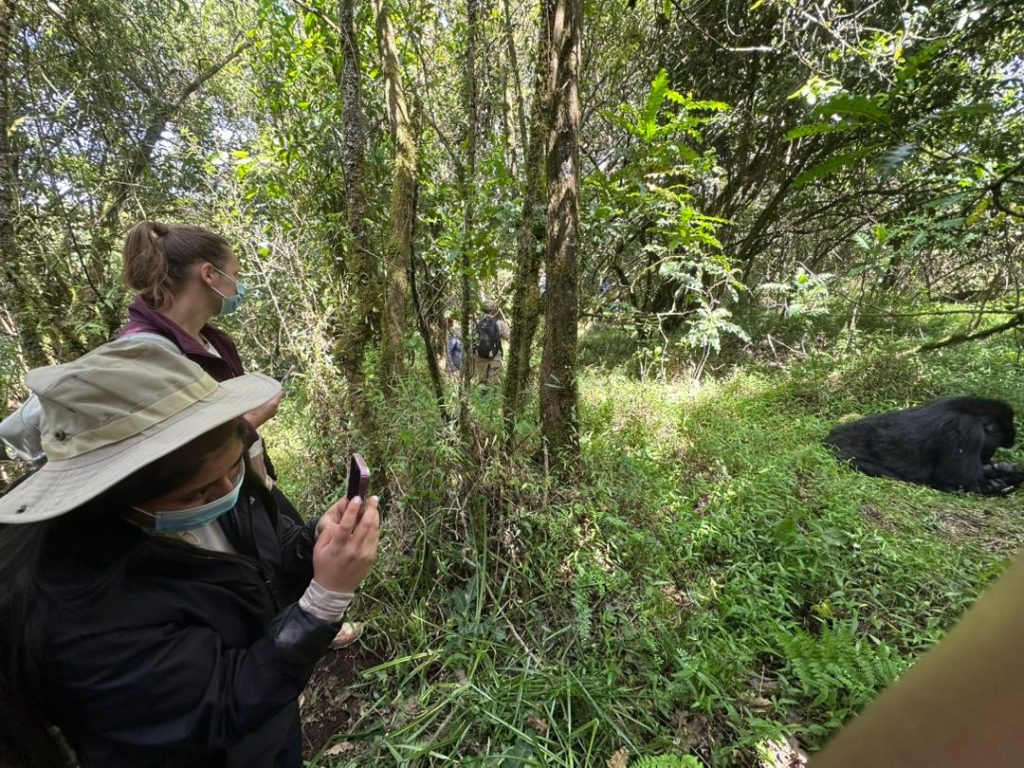
Kigali Airport to Bwindi Gorilla Safari. The moment your flight touches down at Kigali International Airport, your Bwindi gorilla safari has effectively already begun, even though the gorillas themselves are still hours away across the border in Uganda. How you handle that first stretch — immigration, ground transport, the long but scenic drive to Bwindi Impenetrable National Park — shapes the entire tone of your trip. At Kenlink Tours, meeting guests at arrivals and getting them comfortably to Bwindi is something we handle every week, and this guide walks through exactly what to expect from touchdown at Kigali Airport to your first night at a Bwindi lodge. It’s a longer, more involved journey than many first-time visitors picture when they book their flight, and understanding it in advance is the single easiest way to avoid arriving at trekking day already exhausted.
Why Kigali International Airport Is the Best Gateway for a Bwindi Gorilla Safari
Kigali International Airport has become the preferred entry point for Bwindi-bound travelers for a simple reason: excellent international connectivity paired with a manageable overland journey to the park. Rather than routing through Entebbe and adding a domestic flight or a much longer drive across Uganda, flying into Kigali puts you within a single day’s drive of Bwindi’s trailheads. Our transfers from Kigali to Uganda page covers this routing logic in more detail, and it’s the reason so many of our gorilla trekking itineraries are built around a Kigali arrival rather than Entebbe. Kigali also tends to offer more competitive long-haul fares from Europe and the Middle East than Entebbe on certain routes, which, combined with the shorter overland leg to Bwindi, makes it the more efficient choice for most travelers on both time and cost.
Getting to Know Kigali International Airport (KGL)
Kigali International Airport sits about 12 kilometers east of the city center, comprising a main terminal for international and domestic flights, a separate VIP terminal, and a cargo terminal. Inside, you’ll find the Pearl Lounge, a Bourbon Coffee outlet serving Rwanda’s well-known coffee brand, duty-free shopping, and multiple airline check-in counters with self-service kiosks. It’s a compact, modern, well-organized airport by regional standards, which makes the arrival process considerably less stressful than at some of the continent’s larger hubs. Our dedicated Kigali International Airport guide covers the terminal layout and amenities in full. The airport is also relatively easy to navigate on foot between check-in, security, and gates, which matters if you’re arriving on a tight connection or simply want to stretch your legs after a long-haul flight before the drive that follows.
Flights and Airlines Serving Kigali
RwandAir, the national carrier, connects Kigali to destinations across Africa, Europe, and the Middle East, including direct routes to London, Dubai, and Johannesburg. Ethiopian Airlines, Turkish Airlines, Qatar Airways, and Kenya Airways all serve Kigali as well, typically via their respective hub cities, giving travelers from North America, Europe, and Asia a reasonably direct path into Rwanda. When booking, it’s worth weighing arrival time as much as price, since a late-night or very early-morning landing changes how you’ll want to structure the first day of your trip, a point we’ll come back to further down. If you have a choice between a couple of comparably priced flights, favor the one landing earlier in the day; it gives you far more flexibility for the days that follow than a fare that saves you a small amount but lands you in Kigali at midnight.
What Happens the Moment You Land: Immigration, Currency, and SIM Cards
Immigration at Kigali is generally efficient, particularly for travelers who’ve pre-arranged their East African Tourist Visa or Rwandan e-visa before flying, a process our visa and border crossing guide for Uganda and Rwanda walks through step by step. After immigration, currency exchange counters and ATMs are available in the arrivals area, and local SIM cards are easy to purchase from kiosks in the terminal, giving you connectivity before you even reach your driver. Keep your yellow fever vaccination certificate accessible during this process, since it can be requested on entry, a requirement our yellow fever vaccination guide explains in more detail, given it applies to both Rwanda and Uganda on this route.
Ground Transport Options at Kigali Airport
Once through arrivals, you’ll find official airport taxis, ride-hailing apps such as YegoMoto and Move, car rental desks, and local minibusses all available just outside the terminal. For a Bwindi-bound traveler, none of these are really the right choice for the onward journey itself; they’re best used only if you need a short hop into Kigali city before your safari begins. The actual transfer toward Uganda is a different kind of trip entirely, and one best arranged in advance with a dedicated safari vehicle rather than pieced together at the curb. Ride-hailing apps are convenient and reliable for short city hops, but they’re not set up for a multi-hour, cross-border journey with luggage, permits, and a fixed trekking schedule at the other end, which is exactly the gap a pre-arranged safari transfer is designed to fill.
Should You Overnight in Kigali Before Heading to Bwindi?
Given the length of the onward journey, we generally recommend at least one night in Kigali before setting off, especially if your flight lands in the evening. This gives you a chance to rest, adjust to the time zone, and start the drive to Bwindi fresh the next morning rather than immediately after a long-haul flight. It also builds a natural buffer into your itinerary; if your flight is delayed or your luggage doesn’t arrive with you, a Kigali night gives you room to resolve it without threatening your gorilla permit date the next morning. It also opens up time to see a little of Kigali itself, one of Africa’s cleanest and most walkable capitals. Pick and Transfer Safaris’ Kigali city guide is a useful reference for making the most of that first day.
The Journey from Kigali Airport to Bwindi: Distance and Time
From Kigali, the drive to Bwindi takes roughly 5 to 8 hours depending on which border crossing and trekking sector you’re headed to, a breakdown we cover fully in our guide on how far Bwindi is from Kigali. Because the airport sits on the opposite side of the city from the road toward Uganda, factor in a short additional stretch through Kigali traffic before you’re properly on the road, something a private driver familiar with the route accounts for automatically when planning departure times. Departing by 6 or 7 a.m. is standard practice for this journey, since it maximizes daylight driving hours and builds in a comfortable margin for the border crossing, a lunch stop, and any minor delays along the way.
Choosing Your Border Crossing: Gatuna, Cyanika, or Mirama Hills
Three border crossings realistically serve this route. Gatuna/Katuna, roughly two hours from the airport, is the most common choice for southwestern Uganda destinations including most Bwindi sectors. Cyanika/Kyanika is preferred if your route passes through Mgahinga or Rwanda’s Volcanoes region first. Mirama Hills, near Ntungamo, offers smoother tarmac roads and is generally better suited to travelers continuing on to Queen Elizabeth National Park or Kampala rather than Bwindi directly. Our starting a trip from Rwanda to Uganda guide covers what to expect at each crossing point in more detail.
Private vs Shared Transfers from the Airport
Two transfer models exist for this journey: private transfers for families or small groups wanting flexibility and privacy, and shared transfers for solo travelers looking to split costs with others on a similar route. A private transfer means you set your own departure time, make stops when you want to, and travel at your own pace, which matters over a journey this long. Our guide to companies that do transfers from Rwanda to Bwindi compares both models directly, and our own private car hire and transfer service is built specifically around the private option.
What a Private Transfer Vehicle Looks Like
A proper Kigali-to-Bwindi transfer vehicle is a 4×4 safari vehicle with air conditioning, large windows for the scenic drive through Rwanda’s terraced hills and Uganda’s forested highlands, and charging ports so your devices stay powered for the journey. This isn’t a road you want to tackle in a standard sedan, given the hillier, sometimes unpaved sections closer to Bwindi itself, and an experienced driver-guide who knows the route well is worth far more than the vehicle alone on a journey this long.
A Sample Airport-to-Trekking Timeline
A well-paced itinerary looks roughly like this: land in Kigali in the afternoon or evening, transfer to a Kigali hotel for the night, depart early the next morning for the 5 to 8 hour drive to Bwindi, arrive at your lodge in the late afternoon with time to settle in before dinner, then wake for the 7 a.m. trekking briefing the following day. Our 2-Day Rwanda to Uganda Gorilla Trekking Safari can be extended by a Kigali night to match exactly this pacing, and Pick and Transfer Safaris’ 2-Day Uganda Gorilla Tour from Kigali offers a comparable structure worth reviewing.
Arriving Late at Night vs Early Morning: Planning Around Your Flight
Flight timing genuinely shapes your first two days. A late-night arrival works best paired with a relaxed Kigali morning and an early afternoon departure toward Bwindi, arriving after dark only if your sector and border allow for it comfortably. An early-morning arrival gives you more flexibility to either push straight through to Bwindi the same day, arriving before dark, or spend a fuller first day in Kigali before departing the next morning. Neither option is objectively better; it comes down to how much of a buffer you want before trekking day itself.
Documents to Have Ready Before You Land
Before your flight begins its descent, make sure your passport, visa approval (or documents for a visa on arrival), yellow fever certificate, and gorilla permit confirmation are all easily accessible rather than buried in checked luggage. Our Uganda tourist visa application guide is worth reviewing before you fly, even though your first stop is Rwanda, since Uganda’s entry requirements will apply again at the border days later.
What to Do If Your Flight Is Delayed
Flight delays happen, and building a buffer day into your itinerary is the single best protection against a delay disrupting your gorilla permit date, which cannot be refunded or easily moved under current 2026 booking rules. If you do experience a significant delay, contact your operator immediately; an experienced local team can often adjust ground transport timing or, in rarer cases, help coordinate directly with the park regarding a specific circumstance, though permit dates themselves remain fixed. This is one of several reasons we recommend booking transfers through an operator with local knowledge rather than arranging each leg independently.
Arranging Your Airport Pickup in Advance
However you plan the rest of your trip, arrange your Kigali airport pickup before you fly rather than after you land. A driver holding a name board at arrivals, already briefed on your flight number and any delays, removes one of the more stressful parts of arriving in an unfamiliar country after a long flight. Our contact page is the fastest way to confirm pickup details once your flight is booked, and for travelers wanting a second opinion on Kigali-based transfer providers, Pick and Transfer Safaris’ contact page is a reasonable comparison point.
Where to Stay the First Night: Kigali vs Straight to Bwindi
Unless your flight lands very early in the morning, we don’t recommend attempting the drive to Bwindi on arrival day. A comfortable Kigali hotel for the first night, followed by an unhurried departure the next morning, consistently produces a better trekking-day experience than a rushed same-day push through immigration, a long drive, and a border crossing all stacked on top of jet lag. Our East Africa trip cost guide includes typical Kigali hotel pricing if you’re budgeting this extra night.
Comparing Your Options Once You’re Past the Airport
Not every traveler landing in Kigali is headed straight to Bwindi, and it’s worth knowing the alternatives once you’re through arrivals. Pick and Transfer Safaris’ Bwindi destination guide is the natural comparison for the route this article covers, while their Mgahinga Gorilla National Park guide and Volcanoes National Park guide cover the two other realistic options within a similar drive time of the airport. If your schedule is genuinely tight, Pick and Transfer Safaris’ One Day Uganda Gorilla Safari from Kigali shows just how compressed this journey can get, though as covered above, we generally recommend against attempting Bwindi specifically in a single day given the added distance involved, since a same-day round trip from the airport leaves almost no margin for delays and turns what should be a memorable day into a rushed, exhausting one. For travelers weighing a longer stay, their 3-Days Uganda Gorilla Safari from Rwanda offers a more comfortably paced alternative starting from the same airport.
Budgeting for the Airport-to-Bwindi Journey
Beyond your flight, budget for a Kigali hotel night, the private transfer itself (typically priced per vehicle rather than per person, making it more economical for groups), and any meals along the route. Our Uganda safari cost guide breaks down how ground transport costs typically fit into a wider gorilla trekking budget, and it’s worth reviewing before you compare quotes from different operators, since transfer pricing can vary considerably based on vehicle type and route.
Booking Your Airport Transfer with Kenlink Tours
Getting the airport-to-Bwindi leg right sets the tone for the entire safari, and it’s exactly the kind of coordination we handle for every guest. From your Kigali International Airport pickup through to your Bwindi lodge check-in, our team manages the full journey as one connected itinerary rather than a series of separate bookings. Learn more on our about us page, or get in touch through our contact page to arrange your pickup. For travelers comparing transfer providers on the Rwandan side, Pick and Transfer Safaris offers a useful second reference point, and their about us page gives a good overview of their Kigali-based operation if you’re researching local providers before you commit.
Frequently Asked Questions
How long does the drive from Kigali Airport to Bwindi take? Roughly 5 to 8 hours depending on your border crossing and trekking sector, plus a short stretch through Kigali traffic from the airport itself.
Should I fly into Kigali or Entebbe for a Bwindi gorilla trek? Kigali is generally the more convenient gateway for Bwindi given its strong international connections and shorter overland journey compared to routing through Entebbe.
Can I go straight from the airport to Bwindi without an overnight in Kigali? It’s possible with an early-morning arrival, but we recommend a Kigali night for most flight schedules to avoid trekking on no sleep.
Do I need cash on arrival at Kigali Airport? A small amount of US dollars or Rwandan francs is useful for incidentals, though ATMs and currency exchange counters are available in the arrivals hall.
What if I need to change my transfer time after booking? Contact your operator as soon as your flight details change; a private transfer booked directly, rather than through a third party, is generally easier to adjust on short notice.
Is there a faster way to reach Bwindi than the overland transfer? Domestic charter flights to airstrips near Bwindi exist but typically route through Entebbe rather than Kigali, so for most Kigali-based travelers the private overland transfer remains the more practical option.
How much luggage can a private transfer vehicle handle? Standard 4×4 safari vehicles comfortably fit checked luggage and camera gear for two to four passengers; let your operator know in advance if you’re traveling with unusually bulky equipment so the right vehicle size is arranged.
Final Thoughts on Your Kigali Airport to Bwindi Gorilla Safari
The stretch between landing at Kigali International Airport and reaching your Bwindi lodge is longer than many first-time travelers expect, but with the right pickup, transfer vehicle, and pacing, it becomes an enjoyable part of the trip rather than a logistical hurdle to get through. Plan for a Kigali night, book your transfer and border crossing in advance, and keep your documents close at hand, and the road to Bwindi sets up the trek itself perfectly, turning what could be a stressful day of transit into the first genuinely memorable chapter of your safari. Reach out to Kenlink Tours today, and let us handle your airport pickup, transfer, and Bwindi accommodation as one seamless journey.