- EXPERT'S HELP
- +256789210067
- +256200955001
- info@kenlinktours.com


Other Activities to do near Mgahinga besides gorilla Trekking
April 7, 2026
Booking Uganda Safari at last minute
April 10, 2026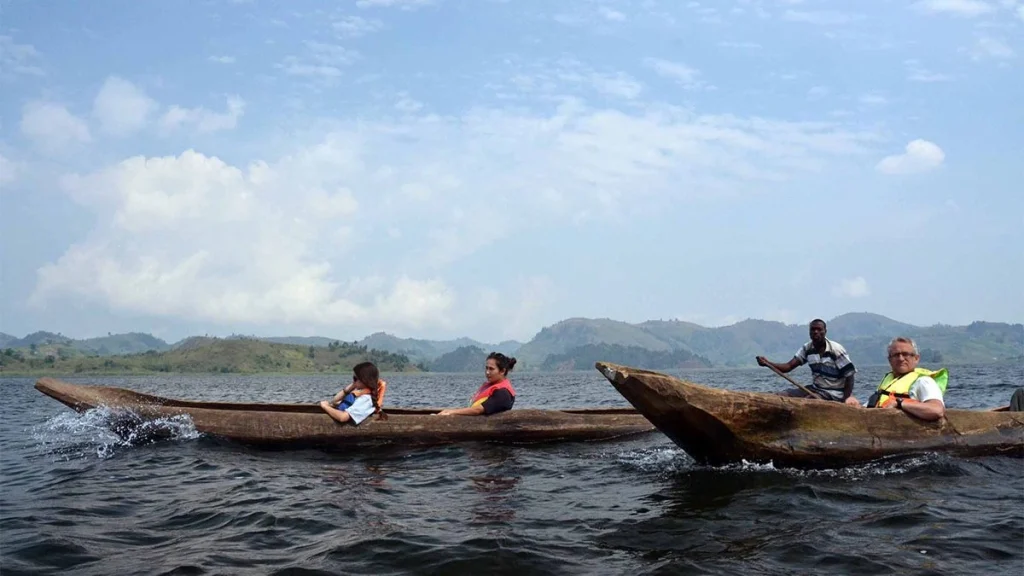
Kisoro Tourist Activities. Tucked into Uganda’s far southwestern corner where three countries converge — Uganda, Rwanda, and the Democratic Republic of Congo — Kisoro District is one of Africa’s most dramatically beautiful and ecologically extraordinary destinations. Crowned by the ancient Virunga volcanoes, wrapped in mist-laden forest, and cradling glittering crater lakes, Kisoro offers a range of tourist activities that no single itinerary can fully capture. Whether you are here for the mountain gorillas, the golden monkeys, a volcanic summit, or simply the peace of a papyrus-fringed lakeshore, this guide will help you make the most of every moment in this remarkable corner of East Africa. At KenLink Tours, we have walked every trail, paddled every lake, and sat in quiet awe before every gorilla family — and we are here to help you do the same.
Gorilla Trekking — Kisoro’s Greatest Wildlife Encounter
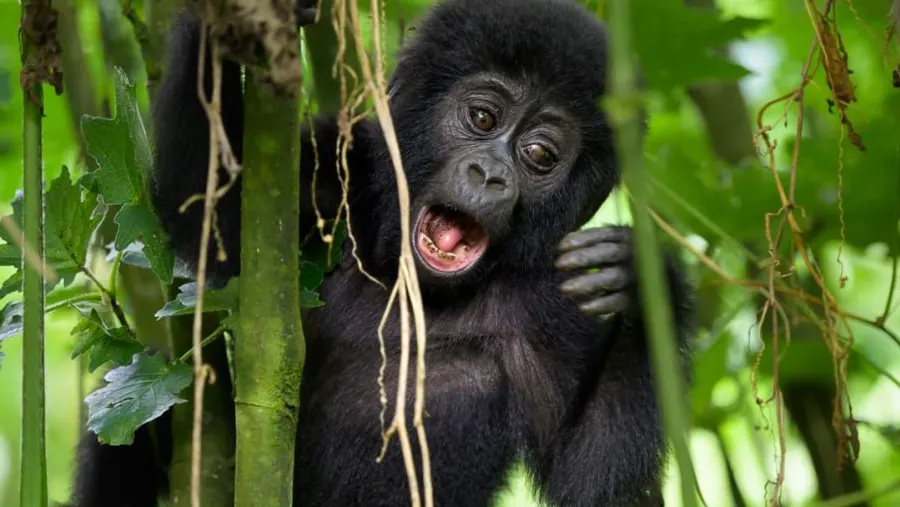
No activity in Kisoro comes close to the emotional depth of gorilla trekking. The southern sectors of Bwindi Impenetrable National Park — specifically the Rushaga and Nkuringo gorilla sectors — fall within or very close to Kisoro District, giving visitors staying in Kisoro town direct access to some of Uganda’s finest gorilla families. Bwindi is home to roughly half of the world’s remaining mountain gorillas (Gorilla beringei beringei), a species listed as Endangered on the IUCN Red List, making every trekking permit a direct contribution to their conservation and long-term survival.
A gorilla trek typically begins at dawn at the park briefing point, where Uganda Wildlife Authority rangers assign you to one of several habituated gorilla families. The hike through Bwindi’s ancient montane forest can last anywhere from one to six hours depending on where the gorillas have settled for the day. When you find them — and you will — you are allowed one precious hour in their presence: watching silverbacks lounge between tree roots, infants tumble over each other in play, and mothers nurse their young just metres away. It is an experience that permanently changes the way you think about kinship with the natural world.
Gorilla permits for Bwindi must be booked well in advance, particularly during peak season from June to September and December to February. Visit our gorilla trekking page to secure your permit and benefit from our end-to-end logistics support including transport, accommodation, and park briefings.
Golden Monkey Tracking in Mgahinga Gorilla National Park
Mgahinga Gorilla National Park — Uganda’s smallest national park and one of the most scenically striking — sits entirely within Kisoro District and is the country’s only home to the golden monkey (Cercopithecus kandti), an Endangered primate endemic to the Virunga Massif. With their vivid orange-gold fur and acrobatic, playful energy, golden monkeys are an absolute delight to track through Mgahinga’s dense bamboo forest. Many visitors who come for gorillas leave saying the golden monkeys were the unexpected highlight of their trip.
The tracking experience is more relaxed than gorilla trekking. A fully habituated troop has been acclimatised to human presence, allowing trackers to observe natural behaviour — foraging, playing, grooming — at remarkably close range. The backdrop of towering bamboo stalks framed by volcanic peaks above makes golden monkey tracking an outstanding wildlife photography experience as well. Sessions typically last two to three hours and are suitable for travellers of moderate fitness, including older visitors and families with teenagers.
Beyond the monkeys themselves, Mgahinga also harbours forest elephants, buffalo, and over 180 recorded bird species. Pairing a golden monkey tracking session in the morning with a gorilla trek in Bwindi the following day makes for one of Uganda’s most rewarding two-day wildlife combinations. Our Mgahinga tour packages cover both in a single seamless itinerary.
“Kisoro sits at the meeting point of three countries and two of Africa’s most critical primate habitats — it is, without question, Uganda’s most extraordinary corner for wildlife and wilderness.”
Hiking the Virunga Volcanoes — Above the Clouds
The three Ugandan peaks of the Virunga Volcanic Chain — Mount Muhabura (4,127m), Mount Gahinga (3,474m), and Mount Sabyinyo (3,669m) — rise dramatically above Mgahinga Gorilla National Park and offer world-class high-altitude hiking for adventurous travellers. These dormant volcanoes are part of a broader chain stretching into Rwanda and the DRC, and their summits provide extraordinary 360-degree panoramas over all three countries on a clear day.
Mount Muhabura, the highest of the three, rewards trekkers with a stunning crater lake at its summit and sweeping views across the entire Virunga range. The hike typically takes eight to ten hours return and requires good physical fitness and properly layered clothing, as temperatures near the summit can drop sharply even at midday. Mount Sabyinyo, whose name means “old man’s teeth” in the local Rufumbira language, is the most technically interesting climb — the summit ridge marks the triple border point of Uganda, Rwanda, and Congo, making it the one spot on earth where you can stand in three countries simultaneously. Mount Gahinga is the most accessible of the three, passing through afro-montane forest and subalpine moorland to a marshy crater at the top that supports rare high-altitude plant species.
All volcano hikes originate from the Ntebeko trailhead inside Mgahinga and must be booked through the Uganda Wildlife Authority. KenLink Tours organises your hiking permits, porters, and provides appropriate gear checklists — explore our volcano hiking packages to plan your ascent.
Lake Mutanda — Kayaking, Canoeing, and Scenic Lakeside Beauty
Just a short drive from Kisoro town lies Lake Mutanda, one of Uganda’s most photogenic bodies of water. Flanked by the Virunga volcanoes to the south and a patchwork of rolling hills to the north, the lake is studded with small green islands and fringed by papyrus reeds — the entire scene is almost improbably beautiful. Lake Mutanda is a crater lake formed by ancient volcanic activity, and its clear, calm waters are ideal for a wide range of soft-adventure and relaxation activities that complement the intensity of gorilla trekking and volcano hiking.
Canoeing and kayaking on Lake Mutanda are among the most beloved leisure activities in the Kisoro area. Paddling out across the still water at sunrise or sunset, with the Muhabura and Sabyinyo peaks reflected in the lake’s glassy surface, is a genuinely meditative experience that many visitors describe as the most peaceful moment of their entire Uganda trip. Several lakeside lodges and camps offer canoe hire, and guided island-hopping excursions visit fishing communities on the lake’s small islands, offering an authentic glimpse into traditional lakeside life. Bird watching around Lake Mutanda is also exceptional — the papyrus habitat hosts the elusive papyrus gonolek alongside numerous kingfisher and heron species.
Cultural Encounters with the Batwa Pygmy Community
No visit to Kisoro is complete without spending time with the Batwa people, the forest-dwelling indigenous community who lived inside Bwindi and Mgahinga for thousands of years before the parks were gazetted in 1991. Today the Batwa participate in carefully managed cultural tourism programmes that provide income and recognition for their unique heritage while educating visitors about ancient forest life. A Batwa Cultural Experience takes visitors through a recreated forest-life scenario where Batwa guides demonstrate traditional honey harvesting, fire-making, medicinal plant knowledge, hunting techniques, and storytelling in ways that are dignified, educational, and deeply moving.
Travelling responsibly in Kisoro also means supporting accommodation providers who employ local Batwa staff and direct spending into Batwa community development funds. Our cultural tour add-ons integrate the Batwa experience seamlessly alongside your gorilla or volcano itinerary, for a richer and more complete understanding of Kisoro’s human story alongside its wildlife story.
Bird Watching in and Around Kisoro
Kisoro District is a globally significant bird watching destination, sitting within one of Africa’s most species-rich avifaunal zones: the Albertine Rift. The combined habitats of montane forest in Bwindi and Mgahinga, bamboo zones, afro-alpine moorland, crater lakes, and cultivated valleys support over 350 bird species within easy reach of Kisoro town — an extraordinary diversity for such a compact geographical area.
Highlights include the magnificent African green broadbill, the Grauer’s rush warbler, the Shelley’s crimsonwing, and the iconic Rwenzori turaco — several of which are Albertine Rift endemics found nowhere else on earth. The bamboo zone in Mgahinga is particularly productive for bamboo-specialist species, while the forest edges around Bwindi’s Rushaga sector harbour the handsome African emerald cuckoo and the noisy great blue turaco. Early-morning forest walks and lakeside dawn outings at Lake Mutanda and nearby Lake Chahafi offer memorable birding opportunities for enthusiasts of all experience levels. Pairing dedicated birding sessions with your gorilla trek or volcano hike creates an exceptionally full and rewarding Kisoro itinerary.
Kisoro Town, Weekly Markets, and Community Life
Kisoro town itself is a charming highland settlement perched at over 1,800 metres above sea level, surrounded by terraced farmland, banana groves, and eucalyptus woodlands. Its weekly local market is a vibrant social gathering where the Kiga, Batwa, and Bafumbira communities trade produce, crafts, and livestock. Walking through the market on market day is one of the most genuine cultural immersions available anywhere in southwestern Uganda — entirely unscripted, unhurried, and authentic in a way that organised tourism experiences rarely are.
Local crafts worth seeking out include hand-woven baskets, banana-fibre products, and carved wooden figurines. Several community women’s cooperatives in the Kisoro area sell high-quality woven products that make meaningful souvenirs and directly support household incomes. Kisoro also has a growing selection of accommodation options ranging from budget guesthouses in town to mid-range lodges and upmarket eco-camps on the shores of Lake Mutanda. Our Kisoro accommodation guide covers the best options at every price point.
Best Time to Visit Kisoro and Essential Practical Tips
Kisoro can be visited year-round, but the two dry seasons — June to September and December to February — are generally the best times for gorilla trekking and volcano hiking, as trails are less muddy and visibility in the forest tends to be clearer. The wet seasons from March to May and October to November bring lush green landscapes and fewer tourists; gorilla permits can sometimes be easier to obtain during these periods, though hikes are more slippery and weather less predictable.
A few essential tips for every Kisoro traveller: always carry rain gear regardless of the season, as the highlands generate their own micro-weather patterns; wear neutral-coloured, long-sleeved clothing inside the forest; and budget at least three to four nights in the area to experience Kisoro properly. Kampala to Kisoro is approximately a nine to ten hour drive, and domestic charter flights are available for travellers with limited time. For a complete trip-planning checklist and packing guide, visit our Uganda travel tips page.
Kisoro is not merely a destination — it is a sensory and spiritual immersion into a landscape where nature has been sculpted to its most dramatic and life-affirming form. From the ancient gaze of a mountain gorilla to the golden streak of a bamboo monkey swinging through the mist, from volcanic summits straddling three nations to mirror-still crater lakes reflecting ancient peaks, every hour in this corner of Uganda carries genuine weight and wonder. At KenLink Tours, we specialise in crafting responsible, personalised Kisoro itineraries that connect you deeply with everything this extraordinary district has to offer — while ensuring your visit gives back to the conservation efforts and communities that keep this wild landscape alive.