- EXPERT'S HELP
- +256789210067
- +256200955001
- info@kenlinktours.com


Kidepo Travel Guide: Rhino Tracking Wildlife and Culture
March 17, 2026
Wildlife Wonders of Kidepo: Rhino Tracking and Beyond
March 17, 2026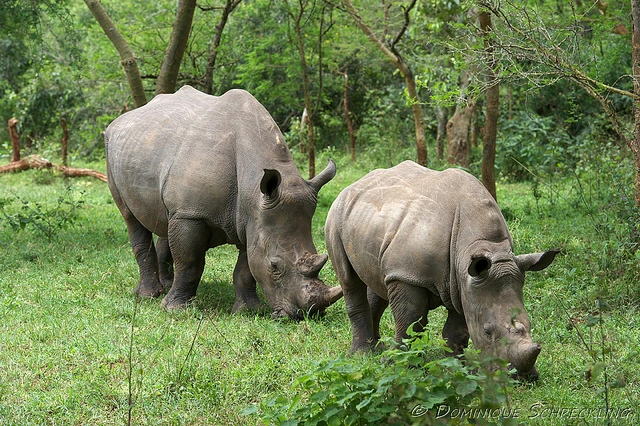
Rhino Tracking in Kidepo Valley National Park. Rhino tracking is one of the most thrilling wildlife experiences in Africa, offering travelers the rare opportunity to observe these powerful and endangered animals up close. While Kidepo Valley National Park is already known for its lions, elephants, and untouched wilderness, the idea of rhino tracking in this remote park is generating excitement among conservationists and safari enthusiasts alike.
Although rhinos are not yet present in Kidepo, ongoing conservation discussions and future reintroduction plans suggest that the park could soon become one of the few places in Africa where visitors can experience a complete “Big Five” safari in a truly wild and uncrowded setting.
The History of Rhinos in Uganda
Uganda was once home to thriving populations of both black and white rhinos, which roamed freely across its savannahs and woodlands. However, decades of poaching and political instability during the 1970s and 1980s led to the extinction of rhinos in the wild.
The disappearance of rhinos left a significant gap in Uganda’s ecosystems and reduced its appeal as a “Big Five” safari destination. Recognizing this loss, conservation organizations and government agencies began efforts to reintroduce rhinos and restore their populations.
Today, thanks to initiatives led by the Uganda Wildlife Authority and the Rhino Fund Uganda, rhinos are once again present in Uganda at Ziwa Rhino Sanctuary, marking a major milestone in conservation.
What is Rhino Tracking?
Rhino tracking is a guided activity where visitors walk through natural habitats with trained rangers to locate and observe rhinos on foot. Unlike game drives, rhino tracking offers a more intimate and immersive experience, allowing travelers to connect with wildlife in a deeper way.
At Ziwa Rhino Sanctuary, visitors follow rhino tracks, learn about their behavior, and observe them at a safe distance. Rangers provide detailed information about conservation efforts, making the experience both educational and exciting.
If rhinos are reintroduced to Kidepo Valley National Park, similar tracking experiences could become available, offering visitors a unique way to explore the park while supporting conservation efforts.
Why Kidepo is Suitable for Rhino Reintroduction
Kidepo Valley National Park is considered one of the best potential habitats for rhinos in Uganda. Its vast savannah plains, seasonal rivers, and low human population create ideal conditions for these large mammals.
The park’s remote location also reduces the risk of human-wildlife conflict, while its existing wildlife population demonstrates a healthy and balanced ecosystem. With proper planning and protection, Kidepo could provide a safe and sustainable environment for rhinos to thrive.
Reintroducing rhinos to Kidepo would not only restore an important species but also enhance the park’s biodiversity and ecological balance.
Conservation Efforts and Planning
The process of reintroducing rhinos to Kidepo requires extensive planning and collaboration. The Uganda Wildlife Authority is working with conservation partners to assess the feasibility of the project.
Key considerations include habitat suitability, security measures, and community involvement. Anti-poaching efforts are particularly important, as rhinos are highly targeted for their horns. Strengthening ranger patrols, surveillance systems, and community awareness programs will be essential for protecting rhinos in Kidepo.
Translocation plans would likely involve moving rhinos from established populations, such as those at Ziwa Rhino Sanctuary, to Kidepo. This process requires careful monitoring to ensure the animals adapt successfully to their new environment.
What Rhino Tracking in Kidepo Could Look Like
If rhinos are successfully reintroduced, rhino tracking in Kidepo Valley National Park would likely become one of the park’s most sought-after activities.
Visitors would join experienced rangers and guides for early morning tracking sessions, following rhino footprints and signs through the savannah. The experience would involve walking through open landscapes, observing other wildlife along the way, and learning about the park’s ecosystems.
Once the rhinos are located, visitors would observe them from a safe distance, guided by rangers who ensure both visitor safety and minimal disturbance to the animals. This close encounter would provide a powerful and memorable wildlife experience.
Wildlife Encounters Beyond Rhinos
Even without rhinos, Kidepo Valley National Park offers exceptional wildlife viewing opportunities. The park is home to lions, elephants, buffaloes, giraffes, zebras, and various antelope species.
Kidepo is also unique for hosting species not commonly found in other Ugandan parks, such as cheetahs, bat-eared foxes, and ostriches. These rare sightings make the park a favorite among wildlife enthusiasts and photographers.
Combining rhino tracking with existing wildlife experiences would create a comprehensive safari that showcases the best of Uganda’s biodiversity.
Cultural Experiences with the Karamojong
A visit to Kidepo is not just about wildlife; it also offers rich cultural experiences. The Karamojong people, who live near the park, have preserved their traditional lifestyle for generations.
Visitors can participate in cultural tours, learning about cattle herding, traditional dances, and local customs. These interactions provide a deeper understanding of the region and its people, making the safari experience more meaningful.
Community involvement is also essential for conservation success, as local support helps protect wildlife and promote sustainable tourism.
Benefits of Rhino Tracking in Kidepo
The introduction of rhino tracking in Kidepo would bring numerous benefits. For conservation, it would help restore a key species and strengthen efforts to protect wildlife.
For tourism, it would enhance Kidepo’s appeal, attracting more visitors and boosting revenue for the park and surrounding communities. Travelers seeking unique and uncrowded safari experiences would be drawn to Kidepo’s remote beauty and diverse wildlife.
For local communities, increased tourism would create jobs and support development projects, improving livelihoods and fostering a sense of ownership in conservation efforts.
Best Time to Visit Kidepo
Kidepo Valley National Park can be visited year-round, but the best time for wildlife viewing is during the dry seasons from December to February and June to September. During these months, animals gather around water sources, making them easier to spot.
The wet seasons offer lush landscapes and excellent birdwatching opportunities, although some roads may be challenging. Travelers seeking fewer crowds may find this period equally rewarding.
Book Your Safari with Us
At Kenlink Tours, we are passionate about offering unique and immersive safari experiences in Kidepo Valley National Park. Our tours combine wildlife viewing, cultural encounters, and expert guidance to ensure an unforgettable adventure.
As conservation efforts continue, we look forward to the day when rhino tracking becomes part of the Kidepo safari experience. In the meantime, we offer guided trips that showcase the park’s incredible wildlife and landscapes.
Book your Kidepo safari with us today and be part of Uganda’s conservation journey.
📧 Email: info@kenlinktours.com
📧 Inquiries: inquiries@kenlinktours.com