- EXPERT'S HELP
- +256789210067
- +256200955001
- info@kenlinktours.com


Best Budget Safaris in Uganda for Backpackers
March 17, 2026
Kidepo Safari Highlights: Rhinos Lions Elephants and More
March 17, 2026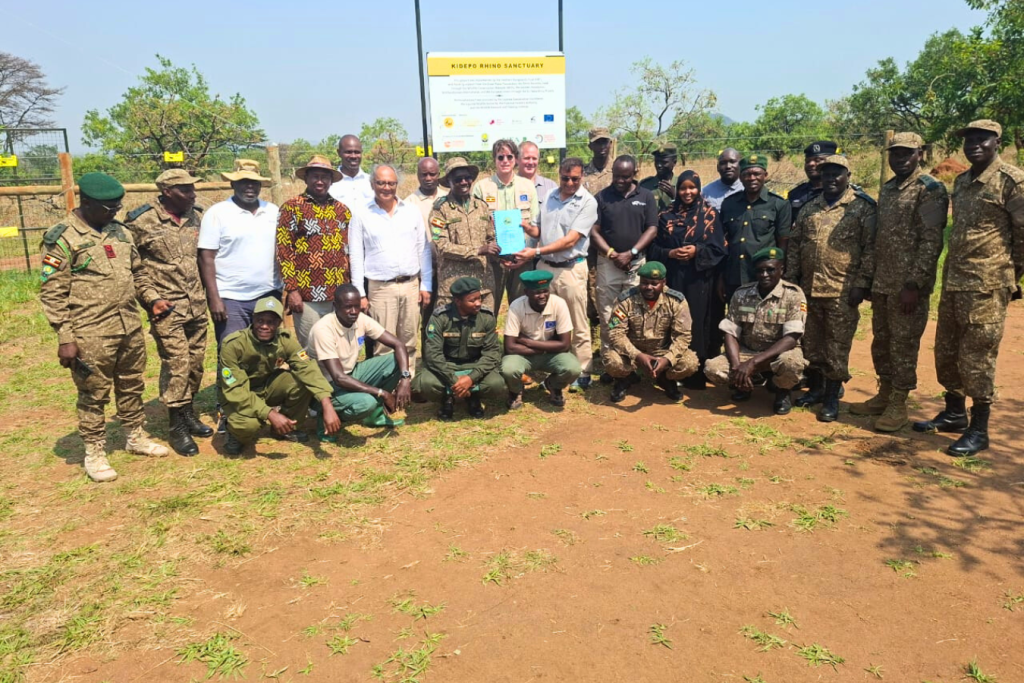
Rhinos re-introduced to Kidepo National Park. Uganda’s conservation story continues to evolve, and one of the most exciting developments in recent years is the discussion and planning around reintroducing rhinos to Kidepo Valley National Park. Once part of Uganda’s rich wildlife heritage, rhinos disappeared from many of the country’s ecosystems due to poaching and habitat loss. Today, conservationists and wildlife authorities are working toward restoring these iconic animals to their former habitats, including the remote and breathtaking landscapes of Kidepo.
The reintroduction of rhinos to Kidepo Valley National Park represents not only a major conservation milestone but also a significant opportunity to boost tourism, biodiversity, and local community engagement in northeastern Uganda.
A Brief History of Rhinos in Uganda
Uganda was once home to both black and white rhinos, which roamed freely across savannahs and woodlands. However, during the 1970s and 1980s, political instability and increased poaching led to a dramatic decline in rhino populations. By the early 1980s, rhinos were declared extinct in the wild in Uganda.
The loss of rhinos was a major setback for conservation efforts and left a gap in the country’s ecosystem. These animals play a crucial role in maintaining vegetation balance and supporting biodiversity. Their disappearance also reduced Uganda’s appeal as a complete “Big Five” safari destination.
Today, thanks to organizations like the Uganda Wildlife Authority and the Rhino Fund Uganda, rhinos have been successfully reintroduced in protected areas such as Ziwa Rhino Sanctuary. The next step is expanding their range into other national parks, including Kidepo.
Why Kidepo Valley National Park is Ideal for Rhinos
Kidepo Valley National Park is one of Uganda’s most remote and pristine parks, located in the northeastern corner of the country. Known for its rugged savannah landscapes, rolling hills, and diverse wildlife, Kidepo offers an environment similar to other African parks where rhinos thrive.
The park’s vast open plains, seasonal rivers, and minimal human interference make it an ideal habitat for rhinos. Additionally, Kidepo already hosts a wide range of wildlife, including lions, elephants, buffaloes, giraffes, and antelopes, making it a strong candidate for restoring the full “Big Five” experience.
Reintroducing rhinos to Kidepo would enhance the park’s ecological balance while increasing its attractiveness as a premier safari destination.
Conservation Efforts Behind Rhino Reintroduction
The process of reintroducing rhinos is complex and requires careful planning, funding, and collaboration between conservation organizations, government agencies, and local communities.
The Uganda Wildlife Authority has been working closely with partners to assess habitat suitability, security measures, and long-term sustainability for rhinos in Kidepo. These efforts include:
-
Habitat assessment: Ensuring that Kidepo has sufficient vegetation, water sources, and space for rhinos to thrive.
-
Anti-poaching measures: Strengthening ranger patrols, surveillance systems, and community awareness to protect rhinos from illegal hunting.
-
Community involvement: Engaging local communities in conservation efforts to create a sense of ownership and responsibility.
-
Translocation planning: Identifying suitable rhinos from sanctuaries like Ziwa for relocation to Kidepo.
These initiatives are essential to ensure that the reintroduction is sustainable, safe, and beneficial for both wildlife and people.
Benefits of Rhino Reintroduction to Kidepo
The return of rhinos to Kidepo Valley National Park would bring numerous ecological, economic, and social benefits.
From an ecological perspective, rhinos play a vital role in shaping vegetation and maintaining the balance of ecosystems. Their grazing patterns help create habitats for other species, supporting biodiversity.
Economically, rhino reintroduction would significantly boost tourism. Travelers seeking to see the “Big Five” would be more likely to visit Kidepo, increasing park revenues and supporting local businesses. This would also benefit tour operators, guides, and accommodation providers.
Socially, the project would create employment opportunities for local communities, including ranger positions, tourism services, and conservation programs. It would also promote environmental education and awareness, encouraging sustainable practices.
Challenges Facing the Reintroduction Project
Despite its potential benefits, the reintroduction of rhinos to Kidepo faces several challenges.
One of the main concerns is security, as rhinos are highly targeted by poachers due to the value of their horns. Ensuring strong anti-poaching measures is critical to the success of the project.
Another challenge is funding, as translocation, monitoring, and protection of rhinos require significant financial resources. Conservation organizations must secure long-term funding to sustain these efforts.
Additionally, community engagement is essential. Without local support, conservation projects can face resistance or fail to achieve their goals. Educating communities about the benefits of wildlife conservation is key to overcoming this challenge.
Finally, logistical challenges, such as transporting rhinos over long distances and adapting them to new environments, require expertise and careful planning.
What This Means for Safari Travelers
For travelers, the reintroduction of rhinos to Kidepo Valley National Park would transform the safari experience. Visitors would have the opportunity to see all members of the “Big Five” in one of Africa’s most untouched and scenic parks.
Kidepo already offers a unique safari experience due to its remote location and low visitor numbers. Adding rhinos to its wildlife portfolio would make it even more attractive to travelers seeking exclusive, off-the-beaten-path adventures.
Safari enthusiasts, photographers, and wildlife lovers would benefit from the chance to observe rhinos in a natural, less crowded environment, enhancing the authenticity of their safari experience.
Future Prospects for Kidepo and Uganda Tourism
The potential reintroduction of rhinos to Kidepo Valley National Park is part of Uganda’s broader strategy to restore wildlife populations and strengthen conservation efforts.
As Uganda continues to invest in conservation, infrastructure, and tourism promotion, parks like Kidepo are expected to gain international recognition. Improved access, better accommodations, and increased wildlife diversity will attract more visitors, boosting the country’s tourism industry.
The success of rhino reintroduction in Kidepo could also serve as a model for other conservation projects across Africa, demonstrating how wildlife restoration can benefit ecosystems, economies, and communities.
Supporting Rhino Conservation in Uganda
Travelers can play a role in supporting rhino conservation efforts in Uganda. By visiting parks, booking safaris, and contributing to conservation programs, tourists help generate revenue that funds wildlife protection and community development.
Visiting places like Ziwa Rhino Sanctuary allows travelers to learn about rhino conservation firsthand and support ongoing efforts to protect these endangered animals. Responsible tourism practices, such as respecting wildlife and following park guidelines, also contribute to conservation success.
Book Your Safari with Us
At Kenlink Tours, we are passionate about promoting Uganda’s wildlife and conservation efforts. We offer safari packages to destinations like Kidepo Valley National Park, giving travelers the opportunity to explore Uganda’s most remote and beautiful landscapes.
Our safaris include game drives, cultural experiences, guided tours, and comfortable accommodations, ensuring a memorable and educational experience. As conservation efforts continue, we look forward to offering travelers the chance to witness the return of rhinos to Kidepo.
Book your Uganda safari with us today and be part of this exciting journey in wildlife conservation.
📧 Email: info@kenlinktours.com
📧 Inquiries: inquiries@kenlinktours.com