- EXPERT'S HELP
- +256789210067
- +256200955001
- info@kenlinktours.com


Bwindi Gorilla Trek from Kigali During Christmas
August 15, 2026
Sustainable Tourism in Uganda
August 15, 2026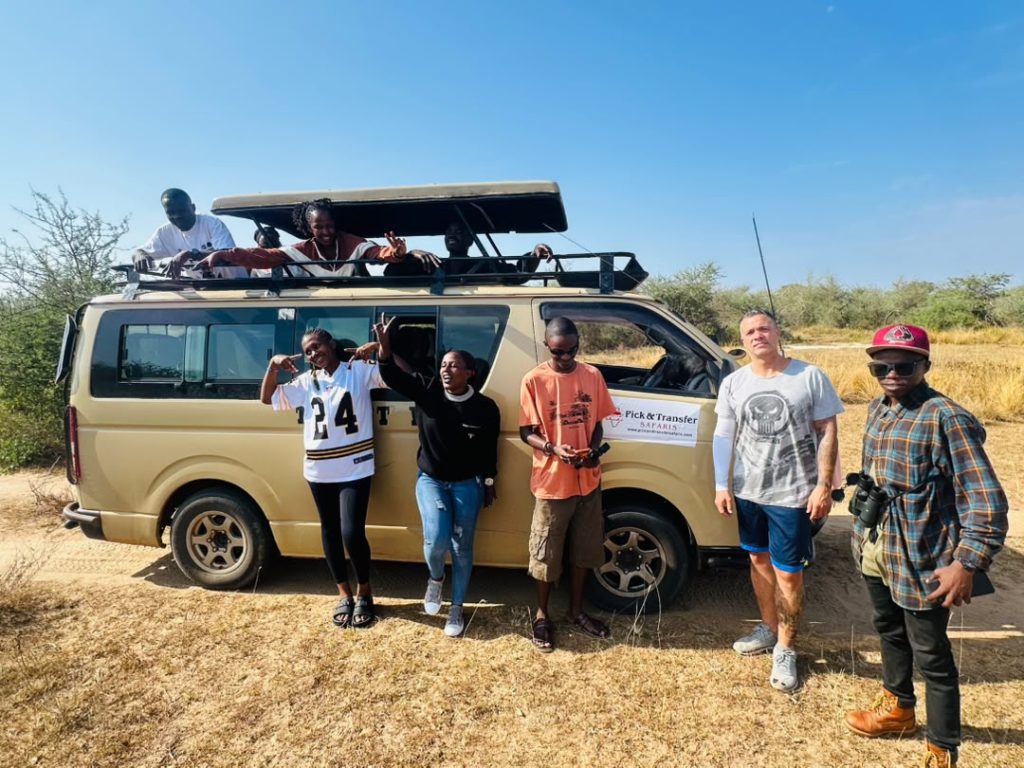
Which Companies offer Uganda Safaris from Kigali. Search for a Uganda safari starting from Kigali and you’ll find dozens of operators, ranging from established local ground handlers to large international booking platforms, all claiming to offer the same core product: a gorilla trekking trip that begins in Rwanda’s capital and crosses into Uganda’s Bwindi Impenetrable Forest. For first-time travelers, sorting through this landscape can feel overwhelming, and the wrong choice can mean a poorly matched itinerary, hidden costs, or a border crossing handled without the local expertise this specific route genuinely requires.
This guide isn’t a ranked list of “best companies,” since legitimate operator quality depends heavily on your specific priorities, budget, and how well a company’s communication style matches your expectations. Instead, it walks through the actual landscape of who offers this route, what separates the types of companies operating in this space, and the concrete criteria worth applying to any operator you’re considering, including the questions worth asking before you hand over a deposit.
Why So Many Companies Now Offer Uganda Safaris from Kigali
The Kigali-to-Bwindi corridor has grown into one of East Africa’s most established gorilla trekking routes over the past decade, driven by a straightforward combination of factors: Kigali’s excellent international airport, the shorter overland drive to Bwindi’s southern sectors compared to routing through Uganda’s own Entebbe airport, and Uganda’s meaningfully lower gorilla permit price relative to Rwanda’s. As demand for this specific route has grown, so has the number of companies competing to serve it.
This growth is generally good news for travelers, more competition tends to mean better service and more transparent pricing, but it also means the field includes companies with widely varying levels of experience, licensing, and genuine local expertise. Understanding the different categories of companies operating in this space is the first step toward making an informed choice rather than simply booking with whichever result appears first in a search.
Types of Companies That Run This Route
Broadly, companies offering Uganda safaris from Kigali fall into a few recognizable categories, each with distinct advantages and trade-offs. Kigali-based ground operators run the logistics directly, often with their own vehicles and drivers who know the Cyanika and Katuna border crossings intimately. Uganda-based operators serving Kigali-originating travelers approach the same route from the other direction, often with particularly deep knowledge of Bwindi’s specific sectors and gorilla families.
International booking agencies and online marketplaces aggregate listings from multiple ground operators, offering convenience and comparison shopping but sometimes adding a layer of distance between the traveler and the people actually running the trip. Finally, a smaller segment of confident, independent travelers choose a self-drive or largely independent approach, arranging permits and transport separately rather than through a single coordinated operator. Each category suits a different kind of traveler, and understanding which one fits your priorities narrows the search considerably.
Kigali-Based Ground Operators
Ground operators based in Kigali specialize in exactly this route, gorilla safaris beginning in Rwanda’s capital and crossing into Uganda, and typically offer the most seamless coordination between the Rwanda and Uganda portions of the trip. Because these companies handle the entire journey directly, airport pickup, Kigali accommodation, the overland drive, the border crossing, and the Bwindi trekking itself, they tend to offer the most consistent experience from start to finish, without handoffs between separate providers on each side of the border.
Kenlink Tours falls into this category, running itineraries like the 3-Day Bwindi Gorilla Safari Starting from Kigali and the 4-Day Rwanda-Uganda Golden Monkey and Gorilla Trekking with drivers experienced in both the Cyanika and Katuna crossings. The main advantage of this category is continuity, one point of contact managing your entire trip, rather than juggling separate bookings and communication threads with providers in two different countries.
Uganda-Based Operators Serving Kigali Travelers
A second major category consists of companies based primarily in Uganda that have built specific itineraries to serve travelers arriving via Kigali, recognizing the popularity of this entry point even for trips that are, at their core, entirely about Uganda’s parks. These operators often bring particularly deep knowledge of Bwindi’s four trekking sectors, Rushaga, Nkuringo, Buhoma, and Ruhija, along with strong relationships with Uganda Wildlife Authority rangers and lodges throughout the park.
Pick and Transfer Safaris is a clear example of this category, offering a dedicated range of gorilla safaris built specifically around Kigali departures, including options like the 2 Days Uganda Gorilla Tour Starting from Kigali and the 3 Days Uganda Gorilla Safari from Rwanda, alongside broader wildlife safaris across Uganda’s national parks. Companies in this category are often particularly strong on the Uganda-side details, specific sector recommendations, lodge relationships within the park, and Uganda-specific logistics like the e-visa process, given their primary operational base.
International Booking Agencies and Online Marketplaces
A third category consists of larger international agencies and online booking platforms that aggregate safari listings from multiple ground operators across Rwanda and Uganda, presenting them through a single, standardized booking interface. These platforms offer genuine convenience, side-by-side comparison of pricing and itineraries, consolidated reviews, and often a familiar, Western-style booking process that some first-time travelers find more comfortable than contacting a local operator directly.
The trade-off with this category is a degree of distance between you and the company actually running your trip; the platform itself typically isn’t the entity coordinating your driver, permits, or lodge bookings, that work is subcontracted to a local ground operator, sometimes disclosed clearly and sometimes not. Travelers using this category should ask directly which ground operator will actually execute their itinerary, since ultimate trip quality depends far more on that local company than on the booking platform’s brand name.
Self-Drive and Independent Options
A smaller but genuine segment of travelers choose to arrange this trip largely independently, self-driving or piecing together permits, transport, and accommodation separately rather than through one coordinated operator. This approach demands considerably more research and comfort with the region’s specific logistics, but it offers maximum flexibility and, for confident travelers, potential cost savings on the transport portion of the trip specifically.
Reviewing the practicalities of a self-drive gorilla safari in Uganda is worth doing before committing to this approach, since it requires genuine confidence navigating unfamiliar roads, understanding border crossing procedures independently, and handling permit booking and sector assignment without a local expert coordinating on your behalf. For most first-time visitors to the region, a fully or partially guided approach remains the more comfortable choice, but independent travelers with prior overland Africa experience sometimes find this route manageable on their own terms.
What to Look for When Choosing a Company
Regardless of which category a company falls into, a consistent set of criteria applies when evaluating any operator for this specific route. Genuine experience running the Kigali-to-Bwindi corridor specifically, rather than general East Africa tours, matters enormously given the route’s particular logistics, sector-specific border crossing choices, Cyanika’s limited operating hours, and the vehicle demands of Bwindi’s unpaved final approach roads.
Transparent, itemized pricing that clearly states what’s included, permits, transport, accommodation, meals, versus what’s separate, tips, visa fees, drinks, helps you compare operators on a genuinely equal basis rather than being misled by an artificially low headline price that excludes major cost components. Responsive, clear communication during the planning process is itself a meaningful signal, since a company that’s difficult to reach or vague in its answers before you’ve paid anything is unlikely to improve once you’re mid-trip and something needs adjusting.
Licensing, Permits, and Legitimate Operator Credentials
Legitimate tour operators running gorilla safaris should be able to demonstrate proper business registration in Rwanda and, for the Uganda portion of the trip, appropriate standing with Uganda’s tourism authorities. It’s reasonable to ask a company directly about their registration and how long they’ve operated this specific route, and a credible operator will answer this without hesitation.
Because gorilla permits are issued directly by Rwanda Development Board or Uganda Wildlife Authority and are tied to specific names and passport numbers, a legitimate operator will handle this process transparently, sending you confirmation of your actual permit booking rather than simply promising “it’s taken care of.” Given how limited and valuable these permits are, and how disappointing it would be to arrive and discover a permit wasn’t properly secured, this is one area worth confirming carefully rather than taking entirely on faith.
Vehicle Quality and Border-Crossing Experience
The Kigali-to-Bwindi route has specific vehicle demands that not every operator handles equally well. Rwanda’s roads are smooth enough for standard vehicles, but Bwindi’s unpaved final approach, particularly toward Rushaga and Nkuringo, genuinely requires a proper 4×4 with good clearance, especially during or after rain. Ask directly what vehicle type will be used for your specific itinerary, rather than assuming “safari vehicle” always means the same thing.
Border-crossing experience matters just as much as vehicle quality. Companies that run this route regularly know Cyanika’s specific operating hours, roughly 5:00 AM to early evening, and time departures accordingly, while less experienced operators may not account for this properly, risking an unplanned overnight stay if a border post closes before you arrive. Asking a prospective operator directly how they structure departure timing around the border crossing is a practical, revealing question that separates genuinely experienced companies from those newer to this specific route.
Guide Experience and Communication
Your driver-guide is arguably the single most influential factor in how your trip actually feels day to day, more than the specific lodge or even, in some ways, the itinerary itself. Experienced guides who run this route regularly bring genuine value beyond simply driving: local knowledge, well-timed stops, informed commentary on the passing landscape, and calm, practiced handling of the border crossing process.
It’s reasonable to ask a company about their guides’ experience level and language proficiency before booking, particularly if you have specific communication needs or preferences. Some companies assign the same guide for your entire trip, while others may swap guides at certain points, worth understanding in advance so you know what to expect. Reviews and traveler feedback focused specifically on guide quality, rather than general trip satisfaction alone, are often the most revealing signal of an operator’s actual day-to-day service standard.
Transparent Pricing and What Should Be Included
Comparing prices across companies is only meaningful once you understand exactly what each quoted price includes. A complete Uganda safari from Kigali quote should clearly itemize the gorilla permit, ground transport, accommodation (and its specific category, since “lodge” can mean vastly different things), meals covered, and any park entrance fees, separate from items typically excluded like tips, personal expenses, visa fees, and travel insurance.
Be genuinely cautious of quotes that seem meaningfully lower than comparable options without a clear explanation, since this sometimes signals a lower accommodation standard, an older or less suitable vehicle, or costs that will surface later as “additional” fees once you’ve already committed. A transparent operator will walk you through their full pricing breakdown without hesitation, and reviewing a fully itemized package like the 5 Days Uganda Rwanda Double Gorilla Safari gives a useful benchmark for what a complete, properly inclusive quote typically looks like.
Reading Reviews Critically
Online reviews are a genuinely useful research tool, but they’re worth reading with a critical eye rather than taking entirely at face value. Look specifically for reviews that mention concrete details relevant to your own priorities, guide names, specific sector experiences, how a company handled an unexpected issue, rather than generic five-star praise that could apply to almost any operator.
Pay particular attention to how a company responds to negative reviews, if any exist; a thoughtful, professional response to legitimate criticism is often more reassuring than a spotless review history with no negative feedback at all, since it demonstrates how the company handles problems rather than simply how often things go smoothly. Cross-referencing reviews across multiple platforms, rather than relying on testimonials curated entirely on a company’s own website, gives a more complete and honest picture of what to actually expect.
Comparing Package Types: Group Tours vs Private Itineraries
Beyond comparing companies against each other, it’s worth understanding the difference between group and private package types, since this shapes both price and experience regardless of which operator you choose. Group departures, often built around fixed dates, share vehicle and guide costs across more travelers, generally offering better per-person value, and companies offering dedicated group tour departures typically publish these fixed dates well in advance.
Private itineraries offer complete flexibility around dates, pacing, and daily activities, at a higher per-person cost given dedicated vehicle and guide arrangements. Neither type is inherently better, and reputable companies across every category discussed in this guide typically offer both, worth clarifying directly when comparing quotes, since a private quote and a group quote for what appears to be “the same” itinerary aren’t directly comparable without understanding this distinction.
Comparing Trip Lengths and Specializations Across Operators
Companies in this space vary considerably in which trip lengths and specializations they emphasize. Some operators focus heavily on compact two and three-day formats, ideal for travelers with limited time, exemplified by options like the 2 Days Uganda Gorilla Safari Starting from Kigali or the streamlined one-day Uganda gorilla safari starting from Kigali. Others specialize in longer, multi-destination itineraries combining gorillas with broader wildlife experiences.
When comparing companies, it’s worth checking whether their published itineraries genuinely match the trip length and style you’re after, or whether you’d be asking them to significantly customize a format they don’t typically run. Companies with genuine experience in your specific trip length, whether that’s a compact 3 Days Uganda Gorilla Safari from Rwanda or a longer combination safari, tend to execute that specific format more smoothly than one adapting an unfamiliar structure on the fly.
How Company Size Affects Your Experience
Company size is worth factoring into your decision alongside the other criteria in this guide, since it genuinely shapes the kind of experience you’re likely to have. Smaller, boutique-style operators often offer more personalized communication, direct access to the company’s owner or senior staff, and greater flexibility to customize an itinerary around specific preferences, at the cost of potentially less redundancy if a single guide or vehicle becomes unavailable.
Larger operators, meanwhile, typically offer more standardized processes, backup vehicles and guides if something goes wrong, and often a wider published range of itineraries to choose from, though sometimes at the cost of feeling less personally attentive during the planning process. Neither size category is inherently superior; a well-run smaller operator can outperform a larger one on communication and personal attention, while a well-run larger operator can offer more robust contingency planning. It’s worth asking directly how a company handles unexpected disruptions, a sick guide, a delayed flight, a vehicle breakdown, regardless of its size, since the answer reveals more about actual reliability than headcount alone.
Comparing Boutique Operators vs Large Agencies
Boutique operators specializing narrowly in the Kigali-to-Bwindi corridor, rather than spreading their focus across dozens of destinations throughout Africa, often develop genuinely deep expertise in this specific route’s nuances, sector-specific border crossing choices, particular lodge relationships, and the seasonal patterns that affect this exact journey. This specialization can translate into a more finely tuned, locally informed experience than a generalist agency offering safaris across a dozen different countries.
Large multi-destination agencies offer their own advantages: broader resources, established relationships with a wider network of lodges and ground handlers, and often more robust customer service infrastructure. When comparing a boutique operator against a larger agency, it’s worth weighing how much you value deep specialization in this specific route against the resources and scale a larger company can offer. Reviewing how thoroughly a company like Pick and Transfer Safaris describes its specific route expertise, alongside how a Kigali-based specialist like Kenlink Tours presents its own, gives a useful side-by-side sense of how boutique, route-focused operators typically communicate their expertise compared to larger, more generalized agencies.
What Sets Experienced Operators Apart During the Border Crossing
The Cyanika and Katuna border crossings are where operator experience becomes most visible in practice. Companies that run this route regularly know precisely when to depart Kigali to clear the border comfortably within its operating hours, how to keep required documents organized for a swift crossing, and how to handle the practical realities of moving a group of travelers, luggage, and sometimes a vehicle swap across an international land border efficiently.
Less experienced operators, or those newer to this specific corridor, sometimes underestimate these details, leading to rushed, stressful crossings or, in worse cases, arriving after a border post has closed for the day. Asking a prospective company directly how many years they’ve operated this specific route, rather than East Africa tours generally, is one of the more revealing questions you can ask, since border-crossing competence genuinely develops through repeated, direct experience with this particular corridor rather than general regional knowledge alone.
How to Compare Quotes From Multiple Companies Side by Side
Once you’ve narrowed your search to a handful of serious candidates, it’s worth requesting detailed written quotes from each and comparing them item by item rather than relying on a single headline total price. Lay out each company’s quote side by side: gorilla permit cost, accommodation category and specific property names, meals included, transport details including vehicle type, and a complete list of exclusions.
This side-by-side comparison often reveals that an apparently cheaper quote is missing components a more expensive one includes, or vice versa, information that’s easy to miss when comparing headline prices alone. It’s also worth asking each company the same specific questions, border crossing timing, guide experience, permit confirmation process, so you’re comparing genuinely equivalent answers rather than whatever each company happened to volunteer unprompted. This structured comparison approach takes more upfront effort than simply picking the first appealing-looking package, but it consistently produces better-informed decisions for a trip this significant.
The Role of Local Community Impact in Choosing a Company
Beyond logistics and pricing, many travelers increasingly factor in how a company’s operations support the local communities surrounding Bwindi and the broader Kigali-to-Cyanika corridor. Gorilla permit revenue itself funds conservation and community programs by design, but individual companies vary in how much additional local impact they generate, hiring local guides and porters, using locally owned accommodation where possible, and supporting community-based tourism initiatives like Batwa cultural visits.
It’s reasonable to ask a prospective operator directly about their approach to local hiring and community partnerships, since companies genuinely invested in the region’s long-term wellbeing are often, though not always, more attentive to the broader trip experience as well. This isn’t a criterion that overrides the practical factors discussed elsewhere in this guide, licensing, transparent pricing, border-crossing competence, but for many travelers it’s a meaningful tiebreaker between otherwise comparable companies.
Red Flags to Watch For When Booking
A handful of warning signs are worth taking seriously when evaluating any company. Reluctance to provide clear, itemized pricing, or pressure to pay a full deposit before you’ve had your specific questions answered, both warrant caution. A company unable or unwilling to confirm how they’ll secure your specific gorilla permit, given how time-sensitive and limited permit availability is, deserves particular scrutiny.
Vague or evasive answers about vehicle type, guide experience, or border-crossing logistics specific to this route are worth treating seriously, since these details genuinely affect trip quality and shouldn’t be difficult for an experienced operator to answer clearly. Finally, be cautious of companies with no verifiable physical presence, address, or long-standing online history in the region, since the anonymity of some booking platforms can occasionally shield less established or less accountable operators.
Specialized Companies for Family, Honeymoon, or Group Travel
Some companies in this space have developed particular strength in serving specific traveler segments, families needing age-appropriate activity splits, honeymooners wanting romantic add-ons and privacy, or larger groups celebrating a milestone together. If your trip falls into one of these categories, it’s worth specifically asking a prospective company about their experience with similar trips, rather than assuming a standard itinerary will automatically accommodate your particular needs.
Companies with genuine honeymoon experience, for instance, will typically be able to speak knowledgeably about romantic lodge options, private trekking possibilities, and how to structure an itinerary that balances adventure with genuine relaxation, details a company without this specific experience might overlook. Similarly, companies well versed in family travel will understand gorilla trekking’s age restrictions and how to structure activities for mixed-age groups without requiring you to explain these constraints yourself. Reviewing how thoroughly a company addresses combination trips, such as a 5 Days Uganda Gorilla and Chimps Safari Starting from Rwanda, gives a sense of how well they handle multi-interest itineraries generally, a reasonable proxy for how they’ll handle your own specific traveler profile.
Companies Offering Multi-Country or Combination Itineraries
Travelers interested in combining Uganda’s Bwindi with Rwanda’s own gorilla population, or extending into broader wildlife destinations like Queen Elizabeth National Park or Akagera, should specifically evaluate whether a prospective company has genuine experience coordinating these longer, more complex itineraries, rather than only the standard two or three-day trek. Multi-country and multi-destination trips involve more moving parts, additional permits, longer overall logistics, and more coordination between different lodges and activities, and not every company handles this complexity equally well.
Companies publishing a range of combination itineraries, from the 4-Day Rwanda-Uganda Golden Monkey and Gorilla Trekking through longer options like the 9 Days Uganda Rwanda Gorilla and Big Five Safari, generally demonstrate more established experience with this kind of complexity than one whose published offerings are limited to a single standard format. Comparing the 5 Days Best of Rwanda Primate Safari against a similar multi-day combination package from another company is a reasonable way to gauge how differently operators approach the same underlying multi-destination trip structure.
How Seasonal Demand Affects Which Companies Have Availability
During peak trekking seasons, June through September and December through February, gorilla permits and the most desirable lodge rooms sell out well in advance, which means the pool of companies with genuine availability for your preferred dates can narrow considerably regardless of which operator you’d otherwise prefer. This is worth factoring into your research timeline; starting your company comparison and booking process three to six months ahead for standard dates, and six months to a year ahead for peak season or holiday travel, gives you a genuinely broader field of options to compare.
Companies that maintain established relationships with permit authorities and lodges often retain access to inventory that becomes unavailable to less established operators as peak dates approach, another practical reason genuine route experience matters beyond simply day-to-day trip execution. If you’re researching companies close to your intended travel dates during a busy season, it’s worth asking directly and early about actual permit and lodge availability, rather than assuming every company on your shortlist can still deliver your preferred dates.
Questions to Ask Before You Book
Before committing to any company, a short list of direct questions helps separate genuinely experienced operators from less suitable options. Ask how long they’ve run this specific Kigali-to-Bwindi route, which border crossing they’ll use and why, and what vehicle type is assigned to your itinerary. Ask for a complete, itemized price breakdown in writing, and confirm exactly how and when your gorilla permit will be secured and confirmed.
It’s also worth asking about their cancellation and postponement policy, particularly relevant given how far in advance permits and lodging typically need to be booked, and what their contingency plan is if weather, road conditions, or unexpected circumstances affect your schedule. A company’s willingness to answer these questions thoroughly and without defensiveness is itself one of the most useful signals available before you commit financially, and reaching out through a straightforward contact page is a reasonable way to gauge this responsiveness firsthand.
How Kenlink Tours Fits Into This Landscape
Kenlink Tours operates as a Kigali-based ground operator with itineraries spanning the full range of trip lengths and styles discussed throughout this guide, from the focused 3-Day Bwindi Gorilla Safari Starting from Kigali to longer combination safaris like the 10-Days Tour in Rwanda & Uganda. As a company running this specific corridor directly, rather than subcontracting through a third-party platform, Kenlink coordinates permits, transport, and accommodation as one continuous service from Kigali arrival through to your Bwindi trek and return.
Applying the criteria outlined throughout this guide to Kenlink Tours specifically, browsing the full range of Uganda safari packages and Rwanda safaris, reading more about the team, and reviewing the terms and conditions, gives a concrete example of what to look for when evaluating any operator in this space. Travelers weighing multiple companies are encouraged to apply the same direct questions to Kenlink as to any other operator under consideration, since a transparent company should welcome that comparison rather than discourage it.
Frequently Asked Questions About Choosing a Uganda Safari Company from Kigali
Is it better to book directly with a ground operator or through an international booking platform? Both can work well, but booking directly with the ground operator actually running your trip, whether a Kigali-based or Uganda-based company, generally means clearer communication and fewer layers between you and the people managing your itinerary.
How do I verify a company is legitimate before paying a deposit? Ask for their business registration details, confirm how they’ll secure your specific gorilla permit, check reviews across multiple independent platforms, and pay attention to how thoroughly and transparently they answer direct questions before you’ve committed any money, including a direct exchange through their contact page before booking anything.
Should I choose a Kigali-based or Uganda-based company for this route? Both categories run this route successfully. Kigali-based operators often offer more seamless coordination across the full Rwanda-to-Uganda journey, while Uganda-based operators sometimes bring deeper sector-specific knowledge of Bwindi itself. The right choice depends more on the specific company’s transparency and experience than on which side of the border they’re based.
What’s a reasonable price range for a Uganda gorilla safari from Kigali? Pricing varies considerably based on trip length, accommodation category, and group size, but any quote should clearly itemize the Uganda gorilla permit, transport, accommodation, and meals separately from excluded costs like tips and visa fees, allowing genuine comparison between companies.
Can I trust reviews I find directly on a company’s own website? Website testimonials are worth reading but should be balanced against reviews on independent third-party platforms, since a company controls which testimonials it chooses to display on its own site.
Do I need to book with a company based in the same country as my trek? No. Many well-established companies are based in Rwanda but run trips into Uganda, and vice versa, and a company’s physical registration location matters less than their demonstrated experience actually operating this specific cross-border route.
Is it worth contacting multiple companies before deciding? Yes, generally. Reaching out to two or three companies, comparing their itemized quotes, and gauging how thoroughly and promptly each responds gives a far better basis for decision-making than committing to the first option you find, whether that’s a Kigali-based ground operator, a one-day Uganda gorilla safari starting from Kigali specialist, or a longer combination itinerary provider.
Final Thoughts: Choosing the Right Company for Your Trip
Choosing among the many companies offering Uganda safaris from Kigali comes down less to finding a single “best” operator and more to applying consistent, concrete criteria, genuine route experience, transparent pricing, verifiable permit handling, and clear communication, to whichever companies you’re seriously considering. The landscape includes legitimate, experienced operators across every category discussed in this guide, Kigali-based ground handlers, Uganda-based specialists, and booking platforms alike, and the right fit depends on your own priorities around cost, flexibility, and how directly you want to communicate with the people actually running your trip.
Whichever company you ultimately choose, asking the direct questions outlined throughout this guide before paying any deposit remains the single most effective way to avoid a poorly matched or poorly executed trip. It’s worth spending an extra day or two on this comparison process itself; given how much of the trip’s overall quality depends on the company executing it, that time is rarely wasted, whether you end up comparing a route specialist’s Bwindi Impenetrable National Park offerings against a Kigali-based operator’s own itineraries, or simply confirming that a single company you already trust genuinely meets the criteria laid out here.
If you’d like to apply these questions to a company running this exact route, get in touch with Kenlink Tours directly, or use this guide’s criteria as a checklist when evaluating any other operator you’re considering for your Uganda gorilla safari from Kigali.