Uganda Adds Six New National Parks to Its Protected Areas. Uganda has officially approved the creation of six new national parks, raising the total number of protected areas to sixteen. This move, endorsed by the Cabinet, reinforces the government’s dedication to wildlife preservation, ecosystem conservation, and sustainable tourism — all central to the country’s Vision 2040 development strategy.
The new national parks — Bukaleba, Echuya, Kyambura, Kigezi, Toro, and Katonga — were formerly forest and wildlife reserves. Their elevation to full park status enhances legal protection, minimizes encroachment threats, and opens opportunities for eco-tourism development. According to the Uganda Wildlife Authority (UWA), this change will also promote community participation, improve local livelihoods, and expand self-drive safari experiences.
This addition strengthens Uganda’s position as one of Africa’s leading safari destinations, complementing its existing attractions such as mountain gorilla trekking, chimpanzee tracking, birdwatching, and scenic savanna safaris.
Overview of the Six New National Parks
1. Echuya National Park
Nestled in the southwestern highlands near the Albertine Rift, Echuya is a biodiversity haven. Its montane forests shelter rare bird species like the Grauer’s swamp warbler and a variety of primates. The forest serves as an essential watershed and carbon sink. Visitors can enjoy birdwatching, primate viewing, and guided nature walks through its serene trails.
2. Kyambura National Park
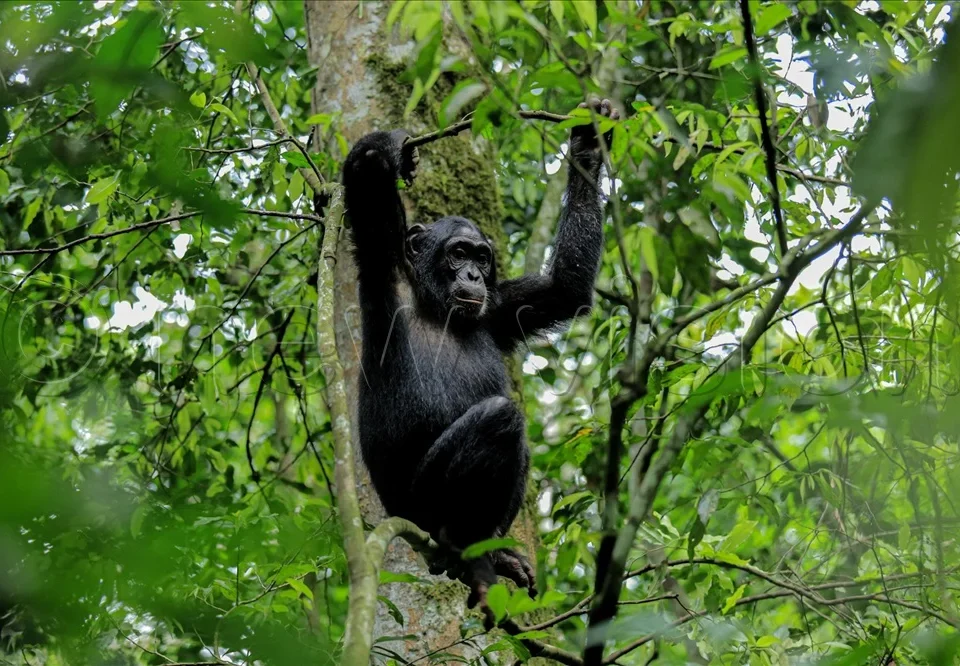
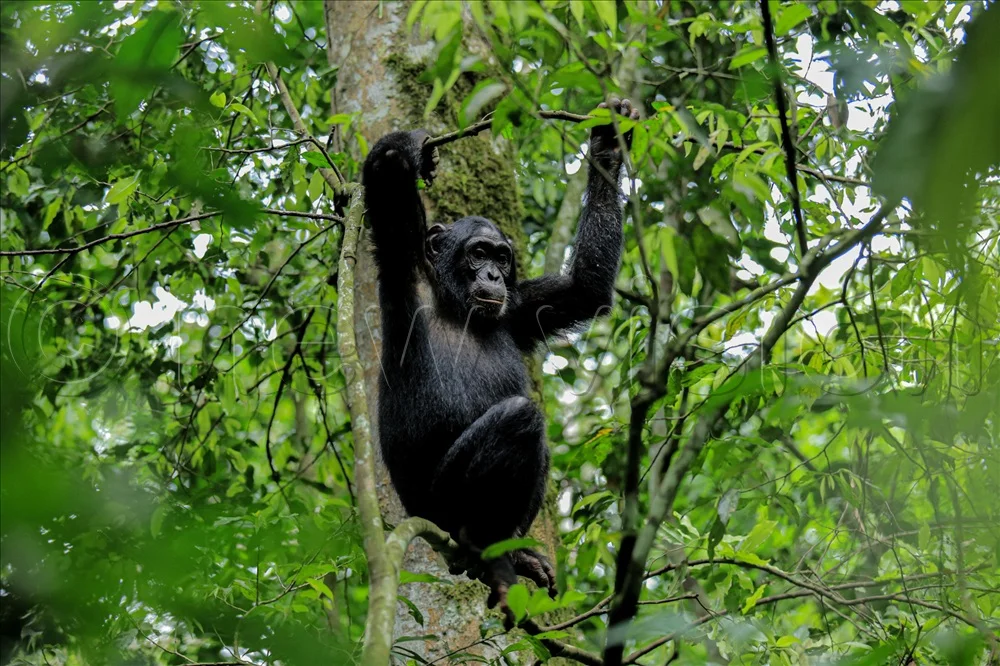
Often called the “Valley of Apes,” Kyambura lies next to Queen Elizabeth National Park. The lush gorge is home to a thriving chimpanzee population along with red-tailed monkeys, baboons, and colobus monkeys. It also acts as a vital ecological corridor, allowing wildlife to move freely between Queen Elizabeth and nearby reserves.
3. Bukaleba National Park
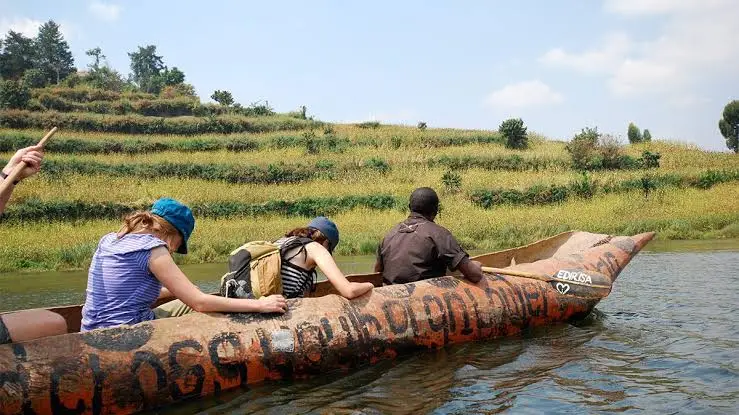
Located on the shores of Lake Victoria, Bukaleba offers breathtaking lakeside scenery and abundant wildlife. With its dense forests and diverse birdlife, the park is perfect for eco-tourism, birdwatching, and nature-based adventures. Its tranquil setting makes it an ideal getaway for travelers seeking both relaxation and exploration.
4. Kigezi National Park
In Uganda’s southwestern highlands, Kigezi is known for its terraced hills, crater lakes, and cultural richness. This park will play a crucial role in protecting highland forests and endangered species. Its location makes it a natural extension for tourists visiting Bwindi and Mgahinga, creating an interconnected tourism circuit in the region.
5. Toro National Park
Situated in western Uganda, Toro National Park highlights the region’s scenic beauty and heritage. It features savanna woodlands, wetlands, and rich birdlife. Its proximity to Fort Portal, famously known as the “Tourism City,” positions it as a new hotspot for both domestic and international visitors.
6. Katonga National Park
Formerly Katonga Wildlife Reserve, this park stretches along the Katonga River and features lush wetlands teeming with wildlife. It is home to elephants, sitatungas, and over 40 other mammal species. With its marshy landscapes and bird diversity, Katonga is poised to attract nature lovers and conservation tourists alike.
Uganda’s Existing National Parks
Before the new additions, Uganda had ten established national parks, each offering distinctive landscapes and wildlife experiences. Together with the six new ones, they create a richer safari network that appeals to every kind of traveler.
Murchison Falls National Park – The country’s largest and oldest park, named after the mighty waterfall where the Nile forces its way through a narrow gorge. Home to elephants, lions, giraffes, and over 450 bird species.
Queen Elizabeth National Park – Known for tree-climbing lions, crater lakes, and the Kazinga Channel. Offers game drives, boat cruises, and cultural encounters.
Bwindi Impenetrable National Park – A UNESCO World Heritage Site, home to nearly half of the world’s mountain gorillas.
Kibale National Park – The “Primate Capital of the World,” hosting 13 primate species including chimpanzees.
Kidepo Valley National Park – A remote wilderness with lions, cheetahs, ostriches, and dramatic savannas.
Lake Mburo National Park – Close to Kampala, home to zebras, hippos, and impalas. Perfect for game drives and boat rides.
Mgahinga Gorilla National Park – Part of the Virunga Volcanoes, known for gorilla and golden monkey tracking.
Rwenzori Mountains National Park – Another UNESCO site, featuring the snow-capped “Mountains of the Moon.”
Semuliki National Park – Known for the Sempaya hot springs and Congo Basin-like rainforest.
Mount Elgon National Park – On the Uganda–Kenya border, famous for its volcanic peaks, waterfalls, and hiking trails.
New Job Opportunities from Uganda’s Expanded Park Network
The gazettement of six new national parks represents a significant boost for tourism and employment. Tourism remains one of Uganda’s top foreign exchange earners, and the expansion is expected to create thousands of new jobs both directly and indirectly.
Who Stands to Benefit?
1. Local Communities
Residents living near the new parks will benefit first. Many will gain employment as park rangers, guides, hospitality workers, and cultural performers. Through UWA’s revenue-sharing initiatives, local communities will also receive a portion of tourism income, encouraging conservation and reducing human-wildlife conflicts.
2. Youth and Graduates
Institutions such as KCI Institute are equipping young Ugandans with tourism and hospitality skills. With more parks and lodges opening, graduates will find expanded job opportunities in tour companies, hotels, restaurants, and eco-tourism ventures.
3. Private Investors and Entrepreneurs
The expansion invites local and foreign investors to develop lodges, transport services, and cultural attractions near the parks. These ventures not only create jobs but also contribute to Uganda’s economy through taxes and infrastructure development.
4. Government and Conservation Bodies
The establishment of new parks increases the need for park managers, rangers, researchers, and environmental officers — essential roles that ensure the continued protection of Uganda’s biodiversity.
Sectors Poised for Growth
Guiding and Safari Operations: More parks mean higher demand for tour guides, drivers, and safari planners.
Accommodation and Hospitality: New eco-lodges, hotels, and campsites will require skilled staff in catering and customer service.
Cultural Tourism: Local communities will gain platforms to showcase traditional crafts, music, and food.
Transport and Logistics: Growth in tourism will boost car rentals, fuel stations, and maintenance services near park areas.
Research and Conservation: Students, scientists, and NGOs will benefit from increased research opportunities in biodiversity and ecology.


 +256 789 210067