- EXPERT'S HELP
- +256789210067
- +256200955001
- info@kenlinktours.com


1 Day Uganda Gorilla Trek from Kigali – Bwindi Gorilla Trekking
August 24, 2026
How to Plan a Bwindi Gorilla Tour from Kigali
August 24, 2026
Uganda Gorilla Trekking From Kigali. Uganda gorilla trekking from Kigali has become one of the most popular ways for international travellers to combine two countries’ mountain gorillas into a single trip, thanks to Kigali’s excellent flight connections and its short overland distance to southwestern Uganda’s gorilla parks. Whether you have a single free day, a long weekend, or a full week to spare, starting your gorilla trekking journey from Rwanda’s capital opens up a range of itineraries that simply are not practical from Entebbe. This guide walks through everything you need to plan a Uganda gorilla trekking trip from Kigali properly: which parks you can reach, how the border crossing works, how many days you actually need, what it costs, and how to avoid the mistakes that catch out first-time trekkers. For a full overview of available itineraries, see Kenlink Tours’ Uganda gorilla safari packages or get in touch with the Kenlink Tours team directly.
Why So Many Travellers Start Their Uganda Gorilla Trek in Kigali
Kigali International Airport is one of East Africa’s best-connected hubs, with direct flights from major cities across Europe, the Middle East, and the wider African continent, making it a natural gateway even for travellers whose main destination is Uganda rather than Rwanda. The city sits only a few hours by road from the Uganda border, compared with the eight to ten hours required to reach the same gorilla parks from Entebbe, Uganda’s main international airport. This proximity means Kigali has become the default starting point for short gorilla trekking trips, weekend add-ons to a Rwanda safari, and travellers who want to see mountain gorillas without dedicating a full week to reaching them. Kenlink Tours’ Rwanda to Uganda gorilla trekking safari is built specifically around this Kigali-first approach.
The Two Uganda Gorilla Parks Reachable from Kigali
Uganda has two national parks where mountain gorillas can be trekked, and both are reachable from Kigali, though with very different drive times. Mgahinga Gorilla National Park, Uganda’s smallest park, sits close to the Cyanika border and is home to a single habituated family, the Nyakagezi group, making it the more time-efficient option for a Kigali-based trip. Bwindi Impenetrable Forest, a UNESCO World Heritage Site holding roughly half the world’s remaining mountain gorillas across four trekking sectors, sits considerably further away, with even its closest sector requiring four to five hours of driving from Kigali. Understanding this distinction early is the single most useful piece of planning information for anyone researching Uganda gorilla trekking from Kigali. Background on both parks is available through Kenlink Tours’ Virunga region gorilla trekking safari and the independent Mgahinga Gorilla National Park guide.
Border Crossings Between Rwanda and Uganda: Cyanika vs Katuna
Two border posts serve travellers heading from Kigali into Uganda’s gorilla trekking region. Cyanika, roughly three to four hours from Kigali, is the more direct route for both Mgahinga and Bwindi’s southern sectors, Rushaga and Nkuringo, and is generally quieter and quicker to process than the alternative. Katuna, also known as Gatuna, lies further east and is the more practical crossing for Bwindi’s northern and central sectors, Buhoma and Ruhija, though it adds significantly more driving time overall. Whichever crossing your itinerary uses, having your passport, visa documentation, and yellow fever certificate ready in advance keeps the process to twenty or thirty minutes rather than longer. Kenlink Tours’ drivers cross both borders regularly and can advise on current conditions through the Kenlink Tours enquiries page.
How Many Days Do You Need? One-Day, Two-Day and Three-Day Options Compared
The right length of trip depends entirely on which park you choose and how much comfort margin you want built into your schedule.
| Trip Length | Realistic Destination | What It Involves |
|---|---|---|
| 1 day | Mgahinga only | Same-day round trip via Cyanika; 14–16 hours door to door, no overnight in Uganda |
| 2 days | Mgahinga or Rushaga/Nkuringo (Bwindi) | One overnight near the park; comfortable pace, small buffer for delays |
| 3+ days | Any Bwindi sector, plus extras | Relaxed trekking day, time for a second activity or a wider Bwindi sector like Buhoma or Ruhija |
Kenlink Tours has written in-depth, dedicated guides on each of these formats: a full breakdown of the fastest option is available in Kenlink Tours’ 2-day Uganda gorilla safari from Kigali, while the slower-paced option is covered in the 3-day Bwindi gorilla safari from Kigali. If your schedule genuinely allows only a single day, note that this realistically applies to Mgahinga alone — a same-day Bwindi round trip from Kigali is technically possible via Rushaga but is a 16 to 18 hour day that most operators do not recommend. For a full hour-by-hour look at how the fastest option runs, see this one day Uganda gorilla safari from Kigali itinerary.
Step-by-Step: How Gorilla Trekking from Kigali Works
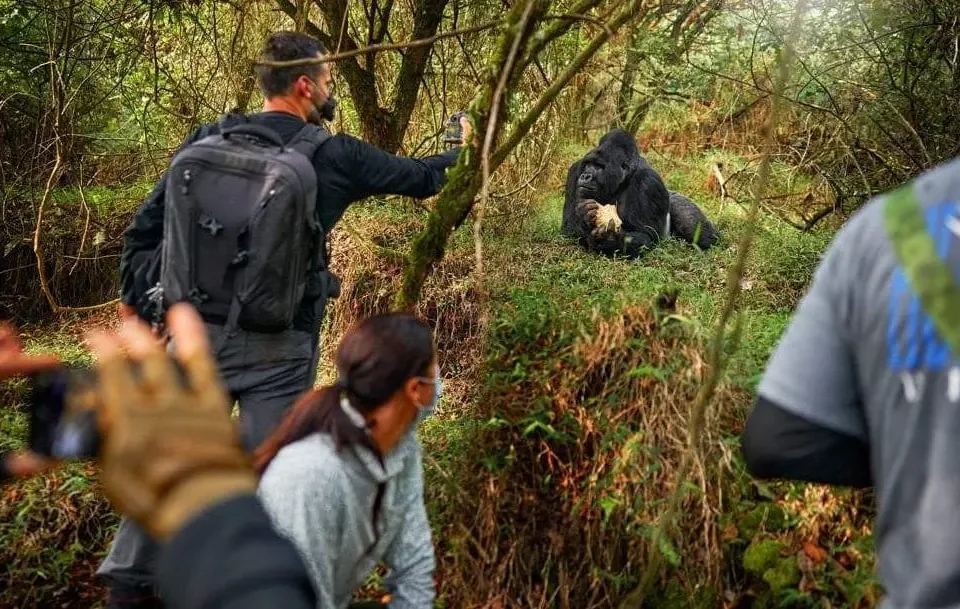
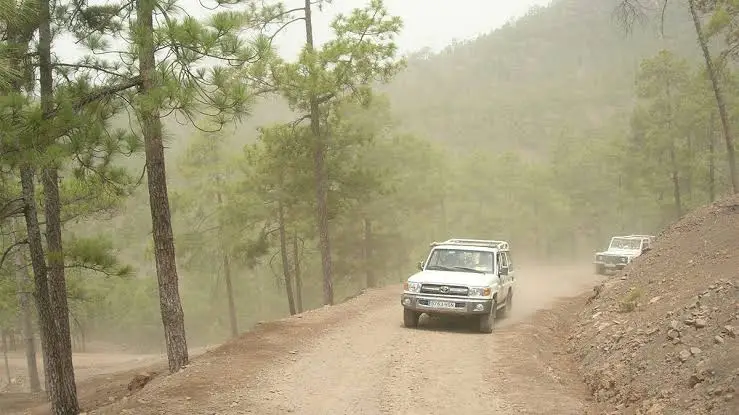
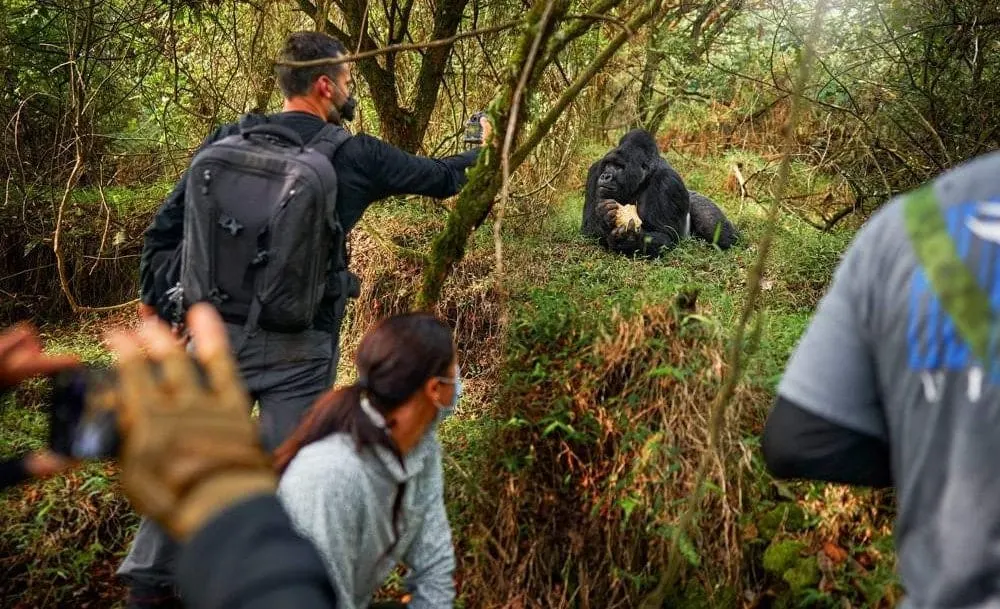
Once you have chosen your park and trip length, the mechanics of the trip follow a consistent pattern. You are picked up from your Kigali hotel by a private vehicle and driver-guide, driven to the relevant border post, and processed through immigration on both sides. From there, a shorter drive brings you to the park headquarters for your chosen sector, where a ranger briefing assigns you to a specific gorilla family before the trek begins. The hike itself varies in length depending on where the gorillas are that day, but every permit guarantees one full hour observing the family once located. After the trek, you either return to Kigali the same day or to a nearby lodge, depending on your itinerary. Kenlink Tours coordinates every one of these steps as a single package through options such as the 3-day Uganda gorillas safari.
Gorilla Permits: Pricing, Booking and Availability
A gorilla trekking permit, issued by the Uganda Wildlife Authority, is the largest single cost of any Uganda gorilla trekking trip and, as of 2026, is priced at approximately US$800 per person for foreign non-residents, with reduced rates published for foreign residents and East African Community citizens. Permits are tied to a specific park, sector, and date, and cannot be transferred once booked, so it pays to be certain of your travel dates before purchasing. Because permits are limited — to one family group at Mgahinga and a handful of families across Bwindi’s four sectors — availability during the June-to-September and December-to-February peak seasons should be secured months in advance rather than assumed. Kenlink Tours books permits directly with the Uganda Wildlife Authority on behalf of clients through packages like the 3-day best of Uganda gorilla safari, removing the guesswork around timing and payment.
Choosing Between Mgahinga and Bwindi
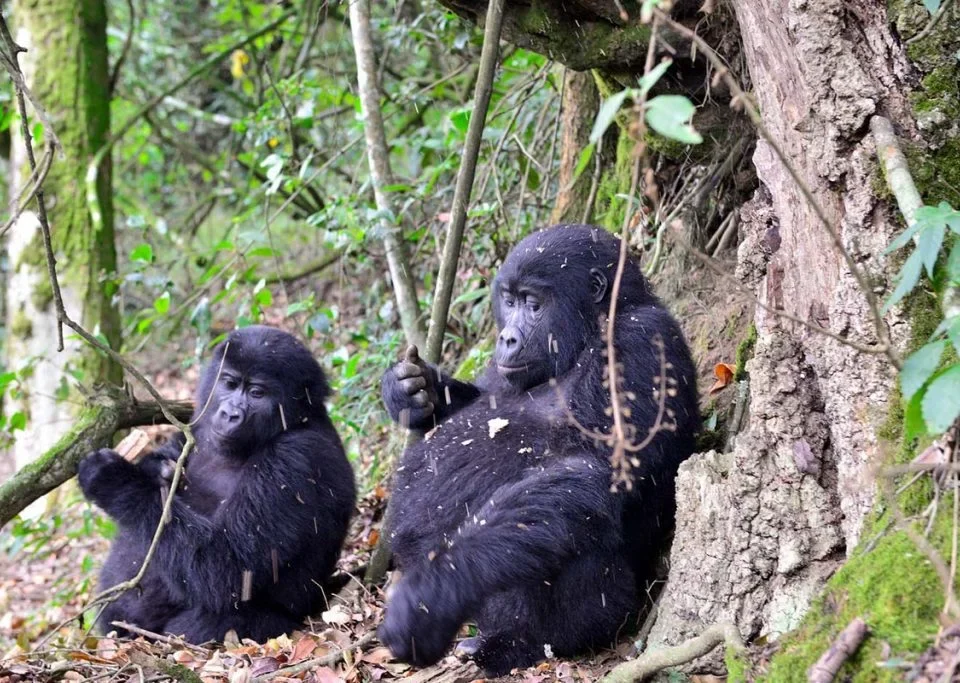
Mgahinga suits travellers whose priority is efficiency: it is the only Uganda gorilla park close enough to Kigali for a genuine same-day trip, its single Nyakagezi family is relatively easy to locate, and its volcanic scenery is a bonus for photographers. Bwindi, by contrast, suits travellers who want the fuller mountain gorilla experience — a wider choice of habituated families across four sectors, denser primary rainforest, and additional activities such as gorilla habituation experiences in Rushaga. If your schedule can stretch to two or three days, Bwindi is generally considered the richer destination; if you are genuinely limited to a single day, Mgahinga is the only realistic choice, as laid out in this 2 days Volcanoes gorilla trek from Kigali comparison for travellers weighing up the Rwandan alternative too. A detailed comparison of the two parks’ terrain and wildlife is available through this Bwindi Impenetrable Forest National Park guide alongside the earlier Mgahinga resource.
Visa and Entry Requirements for Crossing into Uganda
Most travellers combining Rwanda and Uganda on one trip use the East Africa Tourist Visa, a single document that covers Rwanda, Uganda, and Kenya and is designed specifically for exactly this kind of cross-border itinerary. It is generally more convenient than applying for separate single-entry visas and simplifies the paperwork required at both Cyanika and Katuna. Regardless of which visa you hold, a valid yellow fever vaccination certificate is required for entry into Uganda, and immigration officers do check this at the border, so it is worth carrying a physical copy rather than relying on a phone photo. Requirements can change, so it is always worth confirming current visa rules for your nationality with your tour operator ahead of travel through the Kenlink Tours about us page or directly by contacting the team.
What a Gorilla Trekking Day Actually Feels Like
Regardless of which park or itinerary length you choose, the trekking day itself follows a similar emotional arc. Mornings start early and often before sunrise, followed by a period of driving or waiting that can feel long compared with the short but intense payoff at the end. The briefing at the park gate is where nerves and excitement usually peak, followed by a trek that can range from an easy stroll to a genuinely strenuous climb through dense vegetation. The hour spent with the gorillas afterward is, by near-universal account, over far too quickly, and most trekkers describe the encounter as one of the most powerful wildlife experiences available anywhere in the world. Understanding this rhythm in advance helps set realistic expectations, something Kenlink Tours builds into every pre-departure briefing for its group and private gorilla tours.
Fitness, Age and Health Requirements
Gorilla trekking is a genuine physical activity, not a passive wildlife viewing experience, and this matters more on a Kigali-based itinerary where a long drive often precedes the hike. Trails in both Mgahinga and Bwindi run through forested, often muddy volcanic or hilly terrain, and trek length is unpredictable since it depends entirely on where the gorilla family happens to be that day. The minimum age for gorilla trekking in Uganda is strictly 15 years old, applied consistently across all sectors to protect both visitors and gorillas from disease transmission. Travellers with heart conditions, limited mobility, or respiratory concerns should consult a doctor before booking and strongly consider hiring a porter, an affordable option that also directly benefits the local community. Those unsure whether they are ready for a demanding trekking day can ease into the trip with Kenlink Tours’ 5-day gorilla and wildlife safari, which spreads activity levels out more gently.
What to Pack for Gorilla Trekking from Kigali
A well-packed daypack makes a noticeable difference to how enjoyable a gorilla trekking day feels. Core essentials include waterproof hiking boots with ankle support, gardening-style gloves for gripping vegetation, long trousers and a long-sleeved shirt in neutral colours, a lightweight rain jacket, a sun hat, insect repellent, and sunscreen. A small daypack should carry water, energy snacks, a camera or phone with a spare battery or portable charger, and a dry bag to protect electronics if rain arrives on the trail. Layering is important year-round, since mornings near the Virunga volcanoes and Bwindi’s higher-altitude sectors can be cool even during the dry season. For a broader look at Uganda’s climate and terrain across its major parks, see Kenlink Tours’ Uganda travel and destinations guide.
Best Time of Year to Go
Uganda’s two dry seasons, June to September and December to February, offer the firmest roads and trekking trails, which matters for both the drive from Kigali and the hike itself. The wetter months, March to May and October to November, often bring lower visitor numbers and slightly easier permit availability, but also muddier trails and a higher chance of road delays, a bigger consideration for travellers on a tight one- or two-day schedule than for those with a more flexible three-day itinerary. Regardless of season, the forested terrain around both Mgahinga and Bwindi tends to be humid, so quick-drying clothing is a sensible choice year-round. Seasonal patterns are broadly similar across the wider Virunga region, as covered in this Volcanoes National Park destination guide.
Where to Stay in Kigali Before Your Trek
Because most Uganda gorilla trekking itineraries from Kigali begin with a very early departure, choosing accommodation close to your pickup point and the road out of the city is worth prioritising over other factors. Many travellers base themselves centrally to make the most of Kigali’s restaurants and genocide memorial sites the evening before departure, while others prefer a hotel closer to the western edge of the city to shave a little time off the early morning drive. A useful overview of the city’s layout and airport transfer logistics is available in this Kigali city guide, and Kenlink Tours can also arrange private car hire for travellers who want their own vehicle in the city before or after the trek.
Combining Gorilla Trekking with Other Uganda and Rwanda Experiences
Because reaching Uganda’s gorilla parks from Kigali already involves crossing into a new country, many travellers extend their trip to see more than gorillas alone. Queen Elizabeth National Park and its tree-climbing lions, Kazinga Channel boat cruises, and Kibale Forest’s chimpanzee tracking are all within a few hours of Bwindi’s southern sectors, making natural additions to a longer itinerary. Kenlink Tours offers combined trips such as the 3-day Queen Elizabeth National Park safari, the 5-day gorilla and chimpanzee tour, and the more comprehensive 8-day gorilla, chimpanzee and wildlife safari. Travellers who prefer to stay on the Rwandan side after their Uganda trek often add a Rwanda gorilla tracking and cultural tour before flying home from Kigali.
Typical Costs: What a Kigali-Based Gorilla Trekking Trip Costs
Beyond the gorilla permit itself, a Kigali-based gorilla trekking trip typically includes private 4×4 transport, an English-speaking driver-guide, park entrance and ranger fees, meals during the trekking day, and applicable government taxes. Costs generally scale with trip length and comfort level rather than dropping sharply for a shorter trip, since a one-day itinerary still requires the same private vehicle and long-distance fuel costs as a two-day version. Typically excluded items are your visa fees, accommodation outside the trekking days, gratuities for guides and porters, and travel insurance. A transparent, itemised breakdown of a comparable package is available through this 3 days Uganda gorilla safari from Rwanda itinerary, and Kenlink Tours can provide a tailored quote through its Rwanda safaris and Uganda safari pages.
Common Mistakes First-Time Trekkers Make
The most common mistake is assuming a gorilla permit can be booked at short notice; in reality, permits for popular sectors and peak-season dates sell out weeks or months in advance. A second frequent error is underestimating drive times, particularly during the rainy season, when a comfortable four-hour drive can stretch to five or six hours on hilly roads. Some travellers also try to save money by booking a shared shuttle rather than private transport, only to find the fixed departure and return times don’t match their trek’s actual finish time. Finally, arriving without a printed visa confirmation or yellow fever certificate has caused avoidable delays at both the Cyanika and Katuna crossings. Booking through an established operator such as Kenlink Tours removes most of these risks by coordinating permits, transport, and border logistics as one package.
Why Book Your Uganda Gorilla Trekking Trip with Kenlink Tours
Planning Uganda gorilla trekking from Kigali independently means managing permit applications, cross-border transport, and tight timing all at once, and getting any single element wrong can mean missing your trek entirely. Kenlink Tours has years of experience running exactly these itineraries, from fast one-day trips to relaxed week-long combinations, and handles permit bookings directly with the Uganda Wildlife Authority, private transport with drivers who know both border crossings well, and realistic scheduling built around your actual travel dates. Beyond gorilla trekking, the company also arranges tailor-made Rwanda safaris, scheduled small-group departures through its scheduled departure safari programme, and flexible self-drive and chauffeur car hire. Learn more on the Kenlink Tours about us page.
Frequently Asked Questions
How far is it from Kigali to Uganda’s gorilla parks?
Mgahinga Gorilla National Park is roughly three to four hours from Kigali via the Cyanika border, while Bwindi’s closest sector, Rushaga, is four to five hours, with the park’s other sectors requiring six to nine hours depending on the route.
Can I trek gorillas in Uganda without staying overnight in the country?
Yes, this is possible for Mgahinga Gorilla National Park as a same-day round trip from Kigali. It is not realistic for most Bwindi sectors without at least one overnight stay.
Do I need separate visas for Rwanda and Uganda?
Most travellers use the East Africa Tourist Visa, which covers both countries plus Kenya on a single document, simplifying border crossings at Cyanika and Katuna.
Is Uganda gorilla trekking from Kigali cheaper than from Entebbe?
Permit prices are the same regardless of your starting point, but starting from Kigali usually reduces overall transport time and cost for travellers whose trip is centred on Rwanda or who have limited days available.
Start Planning Your Uganda Gorilla Trek from Kigali
Uganda gorilla trekking from Kigali offers travellers genuine flexibility, from a fast single-day trip to Mgahinga to a relaxed multi-day exploration of Bwindi’s four sectors, and the right choice comes down to how much time, comfort margin, and adventure you want built into your schedule. Whichever itinerary fits your trip, the team at Kenlink Tours can confirm permit availability, recommend the right park and sector, and build a realistic plan around your travel dates. Contact Kenlink Tours today to start planning your Uganda gorilla trekking adventure from Kigali.
Further reading for the Rwanda side of your journey: Pick and Transfer Safaris specialises in Kigali airport transfers and cross-border safari logistics, and their contact page can help with questions specific to arrival and departure timing around Kigali.