- EXPERT'S HELP
- +256789210067
- +256200955001
- info@kenlinktours.com


Can i do a Uganda Gorilla Tour from starting Rwanda
November 25, 2026
Booking Uganda Short Gorilla Trips
November 25, 2026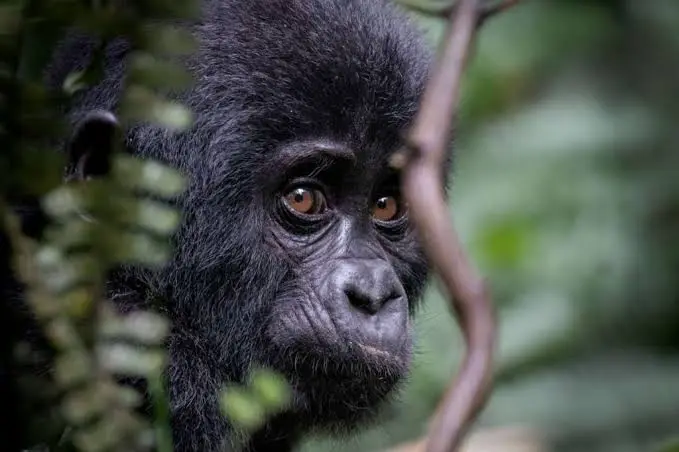
Uganda Culture Wildlife and Gorilla Tour Combo. Most safaris focus on one thing: animals. But the most unforgettable trips to Uganda are the ones that combine three things the country does brilliantly: rich, living culture, spectacular wildlife and life-changing encounters with mountain gorillas. A Uganda culture, wildlife and gorilla tour combo gives you all three in one carefully planned journey. You might start your morning tracking chimpanzees, spend the afternoon learning to cook a traditional meal in a village kitchen, watch lions from a game vehicle the next day and finish the week face to face with a silverback gorilla in Bwindi’s misty rainforest.
At Kenlink Tours and Travel, this kind of all-round adventure is our speciality. As a Ugandan-owned company based in Kampala since 2010, we believe you cannot truly understand Uganda’s wildlife without understanding the people who live alongside it. In this complete guide we explain what a culture, wildlife and gorilla combo tour includes, the best cultural experiences in the country, the top wildlife parks, how to fit in the gorillas, sample itineraries, costs, the best time to travel and how to plan your perfect trip.
What Is a Uganda Culture, Wildlife and Gorilla Tour Combo?
A combo tour is a single, private itinerary that blends three types of experience:
- Culture: Meaningful encounters with Uganda’s people and traditions, including village visits, traditional music and dance, royal kingdoms, local food, crafts and community-led tourism projects.
- Wildlife: Classic game drives and boat safaris in savannah parks such as Queen Elizabeth, Murchison Falls and Lake Mburo, to see elephants, lions, buffalo, hippos, giraffes and hundreds of bird species.
- Gorillas and primates: Mountain gorilla trekking in Bwindi Impenetrable or Mgahinga Gorilla National Park, often combined with chimpanzee tracking in Kibale Forest.
Instead of rushing from one game drive to the next, a combo tour weaves these experiences together, so that each day offers something different. The result is a more balanced, more personal and more rewarding journey, and a much deeper understanding of the country you are visiting.
Why Combine Culture, Wildlife and Gorillas in Uganda?
Uganda is unusually well suited to this kind of trip, for several reasons.
- Extraordinary cultural diversity. Uganda is home to more than 50 ethnic groups, each with its own language, music, dress, food and customs. Traditional kingdoms such as Buganda, Bunyoro, Toro and Busoga still play an important cultural role today.
- Wildlife and culture side by side. Many of the best cultural experiences take place right on the edge of the national parks, so you can easily combine them without long detours.
- The world’s best gorilla destination. Uganda is home to around half of the world’s remaining mountain gorillas and has more habituated gorilla families than any other country.
- Community tourism that makes a difference. Gorilla permit fees and community tourism projects directly support schools, health centres and livelihoods around the parks. Visiting these communities lets you see the impact of your trip.
- Warm, welcoming people. Ugandans are famous for their friendliness and hospitality. English is an official language, which makes conversations and connections easy.
Learn more about the country on our About Uganda page.
Uganda’s Cultural Highlights: Experiences You Shouldn’t Miss
Culture is woven into every part of a Uganda trip, from the music on the car radio to the food at your lodge. These are some of the most rewarding cultural experiences to include in your combo tour.
Kampala: The Vibrant Capital
Most tours begin in Kampala, a lively, energetic city built on a series of hills. A city tour is the perfect introduction to Ugandan culture and history. Highlights include:
- The Kasubi Tombs: A UNESCO World Heritage Site and the burial place of four kings (Kabakas) of the Buganda kingdom. The main thatched building is a masterpiece of traditional architecture.
- The Kabaka’s Palace and the Buganda Parliament (Bulange): Learn about the history and traditions of Uganda’s largest kingdom.
- The Uganda National Mosque: Climb the minaret for panoramic views of the city’s seven original hills.
- Namirembe and Rubaga Cathedrals: Two grand cathedrals that tell the story of Christianity’s arrival in Uganda.
- The Uganda Martyrs Shrine at Namugongo: A deeply significant pilgrimage site that draws millions of visitors every year around Martyrs Day on 3 June.
- Local markets: Explore the colourful, bustling markets, where you can find fabrics, crafts, fresh produce and the famous Ugandan street food, the “rolex” (a chapati rolled with an omelette and vegetables).
- Ndere Cultural Centre: Watch a spectacular evening performance of traditional music and dance from across Uganda’s many regions.
Traditional Music and Dance
Music and dance are at the heart of Ugandan culture. Each region has its own rhythms, instruments and dances, from the energetic hip-shaking Bakisimba dance of Buganda to the high-jumping dances of the Karamojong and the graceful Kitaguriro of the Banyankole. Many lodges and community groups near the national parks welcome visitors with performances, and the dancers will usually invite you to join in.
The Batwa Experience
The Batwa are often described as the original inhabitants of the forests of south-western Uganda, including Bwindi and Mgahinga. For generations they lived as hunter-gatherers in the forest, until the creation of the national parks changed their way of life.
Today, Batwa-led cultural experiences allow visitors to learn about their traditional forest knowledge, including hunting techniques, medicinal plants, fire-making, music and storytelling. In Mgahinga, the Batwa Trail takes you into the forest with Batwa guides, ending at the sacred Garama Cave. Near Bwindi, Batwa community experiences are easy to combine with gorilla trekking. These experiences give the Batwa an income and a platform to share and preserve their heritage.
Village Walks and Homestead Visits
Some of the most memorable moments of a Uganda trip happen in small villages. Around Bwindi’s Buhoma and Rushaga sectors, community walks introduce you to traditional healers, banana-beer brewers, basket weavers, blacksmiths, tea farmers and local schools. You might learn how matooke (cooking bananas) is prepared, try your hand at grinding millet or help cook a traditional meal.
The Bigodi Wetland Sanctuary, next to Kibale Forest, is run by the local community and combines a beautiful swamp walk, rich in birds and monkeys, with insights into village life. Profits support local schools and projects.
The Ankole Cattle Culture
In western Uganda, the Banyankole people have a deep relationship with their magnificent long-horned Ankole cattle. Near Lake Mburo National Park, you can visit a traditional homestead to watch cattle being herded and milked, and learn about the importance of cattle in Banyankole culture. The Igongo Cultural Centre, near Mbarara, is a popular stop on the road to Bwindi and Queen Elizabeth, with a fascinating museum about the cultures of western Uganda and an excellent restaurant serving local dishes.
Kingdoms of the West
The Toro Kingdom, based in Fort Portal near Kibale Forest, and the Bunyoro Kingdom near Murchison Falls both have rich histories that you can explore with a visit to their royal sites. The Fort Portal area is also known for its stunning crater lakes, tea plantations and the legends of the Amabere ga Nyinamwiru caves.
The Karamojong of the North-East
On the way to Kidepo Valley National Park, you can meet the Karamojong, semi-nomadic pastoralists known for their distinctive dress, jewellery and cattle-centred way of life. A visit to a traditional homestead (manyatta) offers a fascinating glimpse into one of Uganda’s most distinctive cultures.
Jinja and the Source of the Nile
Jinja, in the Busoga kingdom, sits where the River Nile begins its long journey north from Lake Victoria. Here you can take a boat to the source of the Nile, explore local markets and crafts, and, if you are feeling adventurous, try white-water rafting, kayaking or bungee jumping.
Sipi Falls, Mount Elgon and Coffee Culture
In eastern Uganda, on the slopes of Mount Elgon, the Sipi Falls area is home to the Bagisu (Bamasaba) people and some of Uganda’s finest Arabica coffee. Here you can hike to three beautiful waterfalls, enjoy sweeping views over the plains of eastern Uganda and join a hands-on coffee tour with local farmers. You will pick ripe coffee cherries, pulp, dry and roast the beans over an open fire, grind them by hand and finally enjoy a fresh cup with the family who grew it.
The Bagisu are also known for their vibrant cultural traditions, including the famous Imbalu ceremony, a coming-of-age ritual accompanied by music, dancing and celebrations. Sipi is an excellent addition to a longer combo tour, particularly when combined with Jinja and the source of the Nile, or as a starting point for climbing Mount Elgon.
Ugandan Food: A Taste of the Culture
Food is one of the most enjoyable ways to experience a culture. Popular dishes to try include:
- Matooke: Steamed and mashed green bananas, Uganda’s most famous staple.
- Luwombo: A traditional Buganda dish of chicken, beef or groundnut sauce slow-cooked in banana leaves.
- Posho: A firm maize-flour porridge served with beans, meat or vegetables.
- Groundnut (peanut) sauce: Rich, creamy and delicious with almost anything.
- The rolex: Uganda’s favourite street food snack.
- Fresh tropical fruit: Some of the sweetest pineapples, mangoes, passion fruit and bananas you will ever taste.
- Ugandan coffee and tea: Uganda is one of Africa’s top coffee producers. A coffee tour, from bean to cup, is a wonderful cultural activity.
Many of our combo tours include a cooking class or a meal with a local family.
Crafts and Bark Cloth
Uganda has a long tradition of crafts, including basket weaving, pottery, beadwork, wood carving and the remarkable bark cloth of Buganda, made by beating the inner bark of the mutuba tree. Bark-cloth making has been recognised by UNESCO as part of the world’s intangible cultural heritage. Buying crafts directly from community cooperatives is a great way to support local artisans.
Uganda’s Wildlife Highlights for Your Combo Tour
While culture adds depth to your journey, Uganda’s wildlife will take your breath away. Here are the best parks to include.
Queen Elizabeth National Park
Queen Elizabeth National Park is the most popular savannah park in Uganda and fits perfectly into a combo tour, as it lies between Kibale Forest and Bwindi. Highlights include:
- Game drives on the Kasenyi plains to see elephants, buffalo, Uganda kob, lions and leopards
- The famous tree-climbing lions of the Ishasha sector
- A boat cruise on the Kazinga Channel, with huge numbers of hippos, crocodiles and birds
- Chimpanzee tracking in Kyambura Gorge
- Cultural visits to the salt-mining community of Lake Katwe and the Kikorongo women’s craft cooperative
Our 3 Days Wildlife Encounter in Queen Elizabeth National Park is a great short option.
Murchison Falls National Park
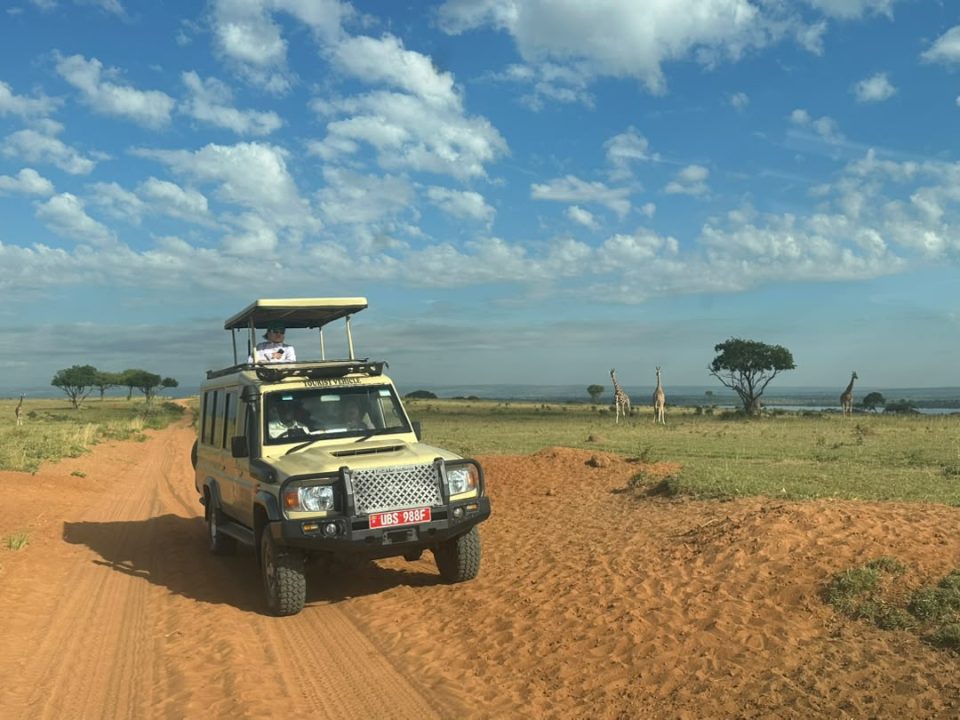
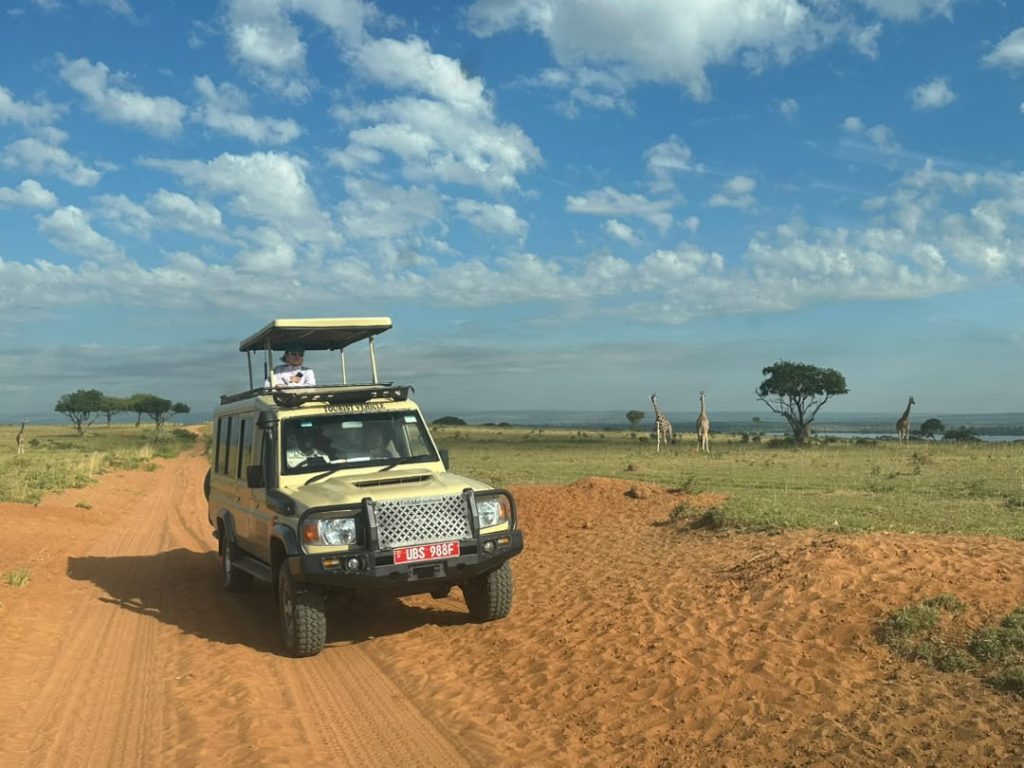
Murchison Falls National Park, Uganda’s largest park, is famous for the dramatic waterfall where the Nile explodes through a narrow gorge. Game drives reveal lions, elephants, buffalo and large herds of Rothschild’s giraffe, while a boat cruise on the Nile brings you close to hippos, crocodiles and, if you are lucky, the prehistoric-looking shoebill. On the way, you can track white rhinos on foot at the Ziwa Rhino Sanctuary. See a sample 3-day safari to Murchison Falls.
Lake Mburo National Park
The closest savannah park to Kampala, Lake Mburo is home to zebras, impalas, elands and buffalo, and offers walking, cycling and horseback safaris. It is also the perfect place to experience Ankole cattle culture, making it ideal for a combo tour.
Kidepo Valley National Park
For true wilderness lovers, remote Kidepo Valley offers cheetahs, ostriches, huge buffalo herds and lions against a backdrop of mountains, along with visits to the Karamojong and the Ik people. It is best suited to longer itineraries.
Gorillas and Other Primates
No Uganda combo tour is complete without the gorillas. Here is where to see them, and the other primates that make Uganda famous.
Mountain Gorillas in Bwindi and Mgahinga
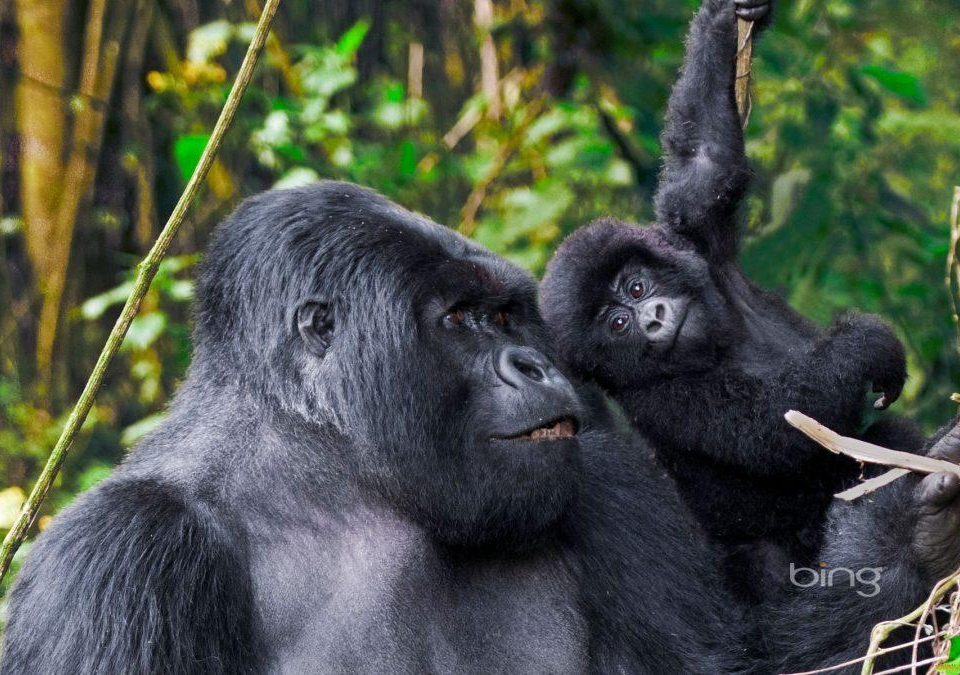
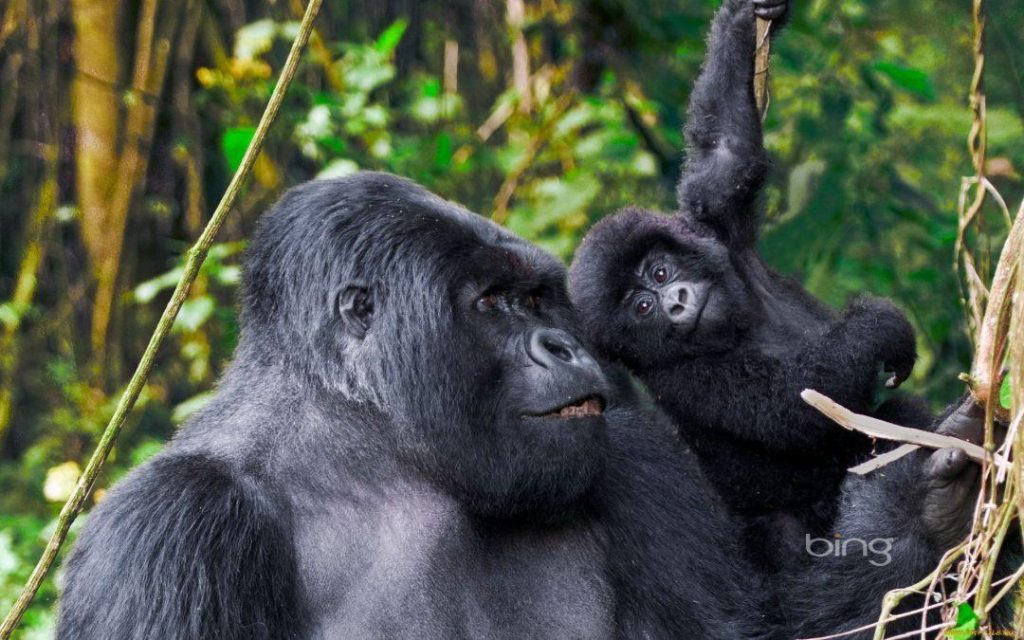
Bwindi Impenetrable National Park is a UNESCO World Heritage Site and home to more than 20 habituated gorilla families, spread across four sectors: Buhoma, Ruhija, Rushaga and Nkuringo. Mgahinga Gorilla National Park, on the slopes of the Virunga volcanoes, offers gorilla trekking, golden monkey tracking and the Batwa Trail, making it a superb choice for a cultural and wildlife combo.
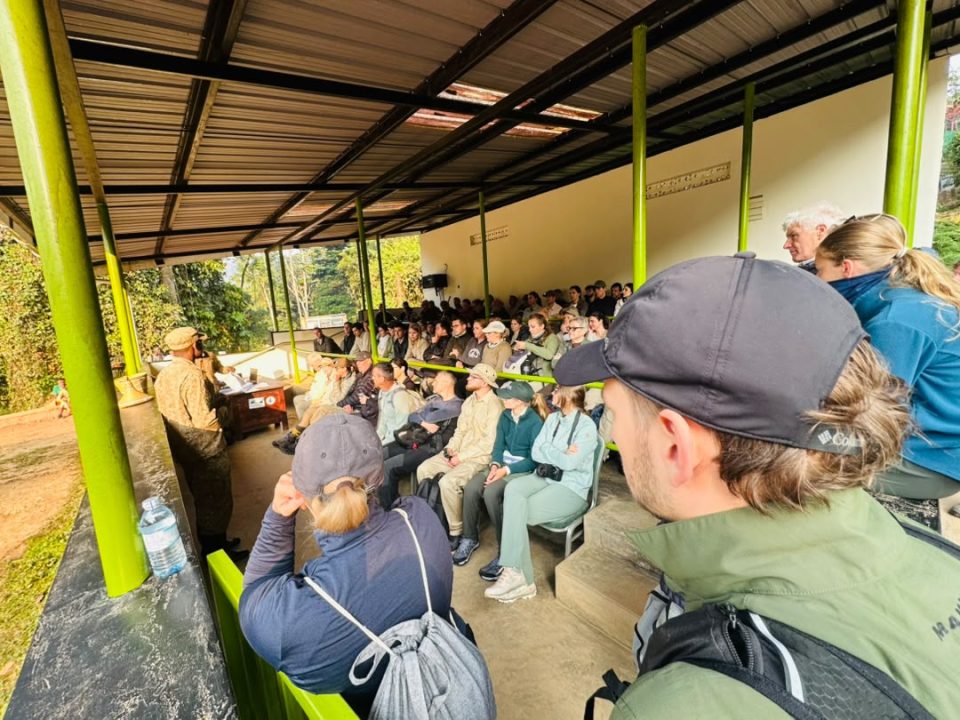
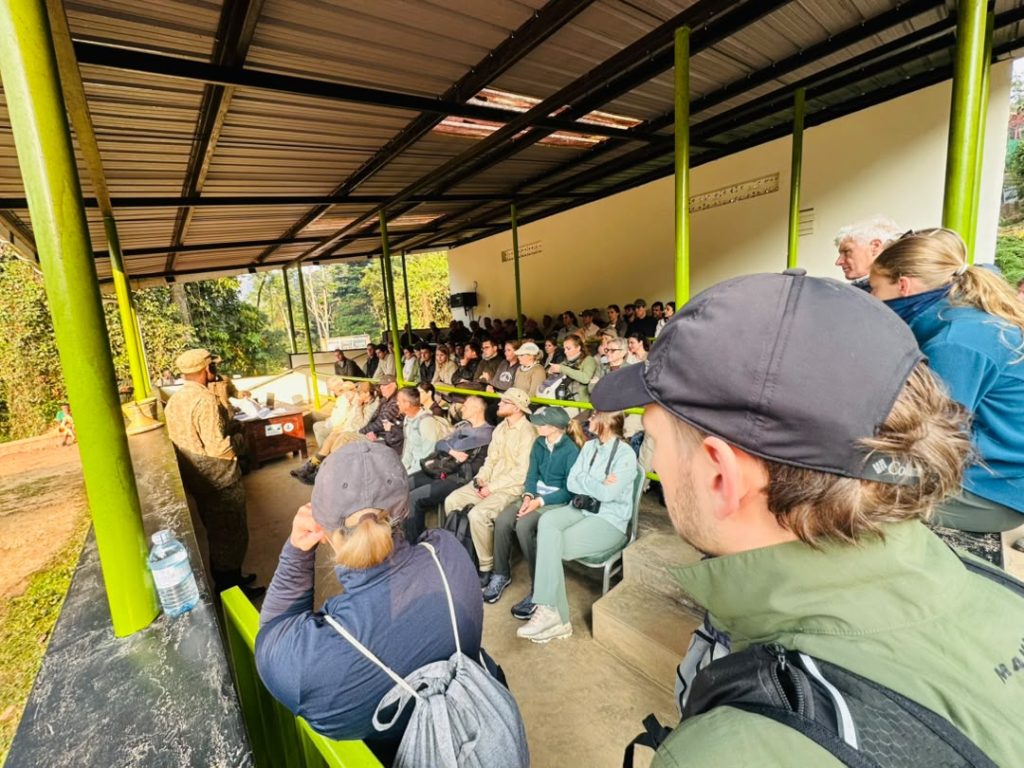
On trekking day, rangers lead small groups of up to eight people into the forest to find a gorilla family. The trek can take anywhere from one to six hours or more, and once you find the gorillas, you spend one magical hour watching them feed, play and rest. For a longer encounter, the Gorilla Habituation Experience in Bwindi’s Rushaga sector allows up to four hours with a gorilla family.
Gorilla permit prices:
- Foreign non-residents: US$800 per person
- Foreign residents: US$700 per person
- Rest of Africa: US$500 per person
- East African citizens: UGX 300,000 per person
UWA has announced discounted permits of US$600 for foreign non-residents in April, May and November. The Gorilla Habituation Experience currently costs US$1,500, rising to US$1,800 from January 2027. We confirm the latest rates at the time of booking. The minimum trekking age is 15.
Chimpanzees in Kibale Forest
Kibale Forest National Park has one of the highest densities of primates in Africa, with 13 species, including around 1,500 chimpanzees. Chimpanzee tracking here is one of the highlights of any Uganda trip, and the neighbouring Bigodi Wetland community walk adds a perfect cultural element. If chimps are a priority, see our 3-Day Chimpanzee Tracking Safari or this sample 3-day chimpanzee tour in Uganda.
How Culture and Conservation Are Connected
One of the most rewarding aspects of a combo tour is discovering how closely culture and conservation are linked in Uganda.
Communities living around the national parks have shared their land with wildlife for generations. Today, a portion of park revenue, including gorilla permit fees, is shared with these communities, funding schools, health centres, roads and clean-water projects. Many former hunters now work as porters, trackers, rangers and guides, earning a living by protecting the animals they once hunted.
When you hire a porter on your gorilla trek, buy crafts from a women’s cooperative, join a community walk or eat at a locally owned restaurant, you are directly supporting this system. Your visit helps show that wildlife is worth more alive than dead, and that tourism can protect both nature and culture.
The success is real: mountain gorilla numbers have grown steadily over recent decades, and in 2018 the species was moved from “Critically Endangered” to “Endangered” on the IUCN Red List.
Sample Uganda Culture, Wildlife and Gorilla Combo Itineraries
Every Kenlink tour is private and tailor-made, but these sample itineraries show how culture, wildlife and gorillas can be combined at different trip lengths.
4–5 Days: A Taste of Everything
Perfect if you are short on time but want more than just a gorilla trek.
- Day 1: Drive from Kampala to the south-west, stopping at the Equator and the Igongo Cultural Centre.
- Day 2: Gorilla trekking in Bwindi.
- Day 3: Batwa cultural experience or community walk near Bwindi.
- Day 4: Return to Kampala, or extend with a game drive in Queen Elizabeth or Lake Mburo.
Our 4 Days Uganda Cultural and Gorilla Tour follows this approach, while the 5 Days Gorilla and Wildlife Safari adds Queen Elizabeth National Park.
7–8 Days: The Classic Combo
A week gives you time to enjoy primates, savannah wildlife and cultural experiences at a comfortable pace.
- Day 1: Arrive in Entebbe or Kampala; optional city tour and Ndere Cultural Centre performance.
- Day 2: Drive to Fort Portal and Kibale Forest through tea plantations and crater lakes.
- Day 3: Chimpanzee tracking in Kibale; afternoon Bigodi Wetland community walk.
- Day 4: Drive to Queen Elizabeth National Park; afternoon Kazinga Channel boat cruise.
- Day 5: Morning game drive, then continue to Ishasha for tree-climbing lions and on to Bwindi.
- Day 6: Gorilla trekking in Bwindi; evening Batwa or village experience.
- Day 7: Relax at Lake Bunyonyi or begin the journey back to Kampala.
- Day 8: Return to Entebbe via Lake Mburo, with a visit to an Ankole cattle homestead.
Similar Kenlink options include our 7 Days Amazing Gorilla and Wildlife Safari in Uganda and the 8-Day Uganda Gorilla, Chimpanzee and Wildlife Safari. For comparison, see this 7-day Uganda safari one-week tour.
10 Days: The Complete Cultural Safari
Ten days lets you add Murchison Falls or Jinja, and spend more time with communities. Our 10 Days Uganda Primate, Wildlife and Cultural Tour is designed precisely for travellers who want this balance. You can also look at our 10 Days Uganda Adventure Safari or compare a sample 10-day Uganda primates and wildlife safari.
2–4 Weeks: Uganda in Depth
For a truly immersive experience, longer itineraries include Kidepo Valley and the Karamojong, the Rwenzori Mountains, Sipi Falls and its coffee farms, Jinja, the kingdoms of the west and every major wildlife park. Consider our 18-Day Adventure Tailored Safari Holiday in Uganda, the 20-Day Wildlife and Nature Experience in Uganda or the 25-Day Wildlife, Gorilla and Chimps Uganda Adventure. A sample 14-day Uganda wildlife and primates safari shows how a two-week route can flow.
A Day on a Culture, Wildlife and Gorilla Combo Tour
To help you picture the experience, here is what a typical day near Bwindi might look like on a combo tour.
- Sunrise: Wake up to birdsong and mist rising from the forest. Enjoy coffee grown just a few kilometres away.
- Morning: Gorilla trekking with Uganda Wildlife Authority rangers, followed by your unforgettable hour with a gorilla family.
- Lunch: A packed lunch in the forest, or a hot meal back at your lodge.
- Afternoon: A guided village walk with a local guide, meeting a traditional healer, visiting a school and watching banana beer being brewed. Or a Batwa cultural experience, learning about traditional forest life.
- Evening: A cultural performance by a local music and dance group at your lodge, followed by dinner by the fire and stories of the day.
Every day on a combo tour has its own rhythm. Some days focus on wildlife, others on culture, and some, like this one, combine the two.
Lake Bunyonyi and the Bakiga Highlands
Lake Bunyonyi, near the town of Kabale, is one of the most beautiful places in Uganda and a perfect cultural stop after your gorilla trek. Surrounded by steep, terraced hills farmed by the Bakiga people, the lake is dotted with 29 islands, each with its own story. Punishment Island, for example, carries a fascinating and sobering history that local guides share with visitors.
Here you can paddle a traditional dugout canoe, visit island communities and local schools, meet craftspeople weaving baskets and mats, and learn about Bakiga farming traditions. The lake is also one of the few in Uganda considered free of bilharzia, so many visitors enjoy a swim. With its cool climate, peaceful atmosphere and lakeside lodges, Lake Bunyonyi is the ideal place to rest and reflect on your journey.
Where to Stay: Community Lodges and Eco-Lodges
On a culture, wildlife and gorilla combo tour, where you stay can become part of the cultural experience itself. Uganda has a growing number of lodges that are owned by, or work closely with, local communities.
- Community-owned lodges: Some lodges near Bwindi and other parks are run by community associations, with profits funding local projects. Staying here puts your money directly into local hands.
- Eco-lodges: Many lodges use solar power, harvest rainwater, grow their own vegetables and employ staff from nearby villages.
- Mid-range safari lodges: Comfortable en-suite rooms, good food and beautiful views, often with cultural performances in the evenings.
- Luxury lodges: Exclusive properties with spacious cottages, spa treatments and gourmet cuisine, many of which support conservation and community projects.
We choose lodges that match your budget, your gorilla permit sector and your wish to connect with local communities.
Photography Tips for Culture and Wildlife
A combo tour offers incredible photographic opportunities, from portraits to wildlife action. Keep these tips in mind:
- Build a connection before taking portraits. Spend time talking with people first. Photographs taken after a conversation are always more natural and meaningful.
- Always ask permission, and respect a “no”. If you promise to share photos, keep your promise; your guide can help.
- Bring a versatile zoom lens. A lens of around 24–200 mm covers village scenes, gorillas in the forest and many wildlife situations. Add a longer lens for birds and distant animals.
- Turn off your flash when photographing gorillas, and use a higher ISO in the dark forest.
- Capture details. Hands weaving a basket, a drummer’s rhythm, colourful fabrics in a market or the texture of bark cloth tell powerful stories.
- Put the camera down sometimes. Some of the best moments are the ones you simply experience.
Who Is a Culture, Wildlife and Gorilla Combo Tour For?
A combo tour suits almost every traveller, but it is especially rewarding for:
- First-time visitors to Africa who want to experience the full variety of Uganda in one trip.
- Families, as cultural visits and boat cruises keep younger travellers engaged while older children and adults trek gorillas.
- Curious travellers who want to understand the people and stories behind the landscapes.
- Photographers looking for variety, from portraits and village life to primates and big game.
- Responsible travellers who want their trip to benefit local communities and conservation directly.
Cultural Etiquette: Tips for Respectful Travel in Uganda
Ugandans are warm and welcoming, and a little cultural awareness goes a long way. Here are some tips:
- Greetings matter. Take time to greet people properly before asking a question. A handshake and a friendly “How are you?” are always appreciated. Learning a few local words, such as “Oli otya?” (How are you?) in Luganda, or “Webale” (Thank you), will bring big smiles.
- Ask before taking photographs. Always ask permission before photographing people, homes or ceremonies. Your guide can help.
- Dress modestly. Especially in villages and places of worship, cover your shoulders and knees.
- Use your right hand. When giving or receiving items, use your right hand or both hands.
- Be patient. “African time” is real. Relax and enjoy the slower pace of rural life.
- Support local businesses. Buy crafts directly from makers and community cooperatives.
- Avoid giving money or sweets to children. If you would like to help, ask your guide about supporting a local school or community project.
How Much Does a Uganda Culture, Wildlife and Gorilla Combo Tour Cost?
The cost depends on several factors:
- Length of the trip: Longer tours cost more in total but often less per day.
- Accommodation: From budget community lodges to luxury safari lodges.
- Activities: Gorilla permits, chimpanzee permits, boat cruises and park fees.
- Transport: Private 4×4 road safari or domestic flights.
- Group size: Sharing vehicle and guide costs reduces the price per person.
As a rough guide, a private mid-range seven- or eight-day culture, wildlife and gorilla combo typically costs around US$2,800 to US$4,000 per person for two travellers, including gorilla and chimpanzee permits. Shorter trips, larger groups and budget lodges cost less, while luxury lodges and fly-in safaris cost more. Contact us for an accurate, tailor-made quote.
What is usually included:
- Private 4×4 safari vehicle with pop-up roof
- English-speaking professional driver-guide
- Gorilla and chimpanzee permits as per itinerary
- Park entrance fees and listed activities
- Cultural experiences listed in the itinerary
- Accommodation and meals as specified
- Drinking water and airport transfers
Usually not included: international flights, visas, travel insurance, tips, porters, drinks and personal items.
Travelling alone or on a budget? Our group tours let you share costs with other travellers, or you can explore independently with our 4×4 car hire.
Best Time for a Uganda Culture, Wildlife and Gorilla Combo
Uganda can be visited all year round, but there are a few things to consider:
- Dry seasons (June–September and December–February): The best months for game viewing and easier gorilla trekking. These are also the busiest months, so book early.
- Wet seasons (March–May and October–November): Lush scenery, fewer visitors, great birding and, in April, May and November, discounted gorilla permits.
- Cultural festivals and events: Consider timing your trip around special events such as Martyrs Day in June, or seasonal festivals and kingdom celebrations. Ask us what is happening during your dates.
Cultural experiences run throughout the year, making a combo tour an excellent choice in any season.
What to Pack for a Combo Tour
Because a combo tour includes forest treks, game drives and village visits, pack versatile clothing:
- Waterproof hiking boots and comfortable everyday shoes
- Long trousers and long-sleeved shirts in neutral colours for trekking
- Modest clothing that covers shoulders and knees for village and religious visits
- A light rain jacket and warm fleece
- Gardening gloves for gorilla trekking
- Binoculars and a camera with spare batteries
- Sunscreen, sunglasses, a hat and insect repellent
- A small daypack and reusable water bottle
- Passport, visa and yellow fever certificate
- A small notebook to record the names, stories and words you learn along the way
Travel Requirements
- Visa: Most nationalities need a visa for Uganda, which can be applied for online through the official e-visa portal. The East Africa Tourist Visa covers Uganda, Rwanda and Kenya.
- Yellow fever vaccination: A valid certificate is required for entry.
- Malaria prevention: Consult your doctor before travelling.
- Travel insurance: Strongly recommended, including medical evacuation cover.
Always check the latest entry requirements with official government sources before you travel.
Why Book Your Combo Tour with Kenlink Tours and Travel
- Local insight. As a Ugandan company, our guides share their own culture, language and stories, not a script. Learn more about us.
- Community connections. We work closely with community groups, cooperatives and local guides around the parks, so you enjoy authentic, respectful experiences that benefit local people.
- Licensed and experienced. Operating since 2010, we are members of USAGA and the Uganda Tourism Board and reserve gorilla permits directly with UWA.
- Private, tailor-made tours. Every itinerary is built around your interests, pace and budget.
- Comfortable vehicles and expert guides. Our 4×4 vehicles and professional driver-guides make every journey safe and enjoyable.
- Investing in the future. Through our tourism internship and mentorship programme, we help train the next generation of Ugandan tourism professionals.
Browse all our trips on the Uganda safaris page.
Frequently Asked Questions About Uganda Culture, Wildlife and Gorilla Tours
What is included in a Uganda culture, wildlife and gorilla combo tour? A typical combo tour includes gorilla trekking, game drives and boat cruises in national parks, and cultural experiences such as village walks, Batwa experiences, traditional music and dance, and local food.
How many days do I need for a culture, wildlife and gorilla tour? Four to five days gives you a taste of all three. Seven to ten days is ideal for a balanced, relaxed trip, and two weeks or more lets you explore Uganda in depth.
Can cultural experiences be combined with gorilla trekking on the same day? Yes. Many travellers enjoy a community walk or Batwa experience in the afternoon after their morning gorilla trek.
Are cultural experiences in Uganda authentic? The best experiences are community-led and run by local people sharing their own traditions. We work with trusted community groups that benefit directly from your visit.
Is it safe to visit villages in Uganda? Yes. Village visits are organised with community guides and are a safe, welcoming and memorable part of any trip.
Can children join a culture and wildlife tour? Yes. Children of all ages can enjoy cultural experiences, game drives and boat cruises. However, the minimum age for gorilla trekking is 15, and chimpanzee tracking usually requires visitors to be at least 12 years old.
What is the best cultural experience in Uganda? It depends on your interests. Popular choices include the Batwa Experience near Bwindi and Mgahinga, the Bigodi Wetland community walk, Ankole cattle homesteads near Lake Mburo, Kampala’s royal and religious sites and an evening at the Ndere Cultural Centre.
How much does a culture, wildlife and gorilla tour cost? A private mid-range seven- to eight-day combo tour typically costs from around US$2,800 to US$4,000 per person for two travellers, including permits, but prices vary with season, lodges and group size.
Start Planning Your Uganda Culture, Wildlife and Gorilla Adventure
A Uganda culture, wildlife and gorilla tour combo is about more than ticking animals off a list. It is about the laughter of children in a village school, the rhythm of drums at sunset, the taste of matooke cooked in banana leaves, the thrill of lions in a fig tree and the silent awe of meeting a mountain gorilla family in the forest. It is the kind of journey that changes how you see the world.
Best of all, every part of your trip makes a difference. Your gorilla permit protects the forest, your community visits support local families, and your purchases from craft cooperatives help keep traditional skills alive. With Kenlink as your local partner, you travel with people who know this country from the inside, and who are proud to share it with you.
Gorilla permits and the best lodges for 2027 are already being booked. Contact Kenlink Tours and Travel today or email info@kenlinktours.com for a free, tailor-made itinerary, and let our team help you discover the real Pearl of Africa.
For more inspiration, browse this collection of Uganda and Rwanda safaris and a sample 5-day Uganda gorilla and chimpanzee safari.