- EXPERT'S HELP
- +256789210067
- +256200955001
- info@kenlinktours.com


Short Safaris for People working in Uganda
October 4, 2026
Gorilla Trekking for Ugandan Non Residents
October 4, 2026
Uganda Safaris for Uganda Non Residents. Uganda is one of Africa’s most rewarding safari destinations, offering mountain gorillas, chimpanzees, tree-climbing lions, the mighty Nile, snow-capped mountains and some of the friendliest people on the continent, all in one compact country. If you are travelling from abroad and do not live in East Africa, you will be booking as a foreign non-resident, and knowing how this affects prices, visas, permits and planning will help you design the perfect trip.
At Kenlink Tours, most of our guests are international visitors from Europe, North America, Asia, Australia and beyond. In this complete guide to Uganda safaris for non-residents, we explain who counts as a non-resident, what you will pay for permits and park fees, how to get your visa, whether to fly into Entebbe or Kigali, which itineraries work best and the practical tips that make a Uganda safari smooth, safe and unforgettable.
Who Is a Foreign Non-Resident in Uganda?
The Uganda Wildlife Authority sets park and permit prices in three main categories:
- Foreign non-residents: International visitors who do not live in Uganda or East Africa. Most tourists fall into this category.
- Foreign residents: Foreign nationals who live and work in Uganda with valid residence or work documents, and who pay reduced rates.
- East African citizens: Citizens of East African Community countries, who pay rates in Ugandan shillings. Citizens of other African countries also qualify for discounted gorilla permits.
If you are visiting Uganda on a tourist visa and live outside East Africa, you pay foreign non-resident rates. If you live and work in Uganda, see our guide to discounts on safaris for foreigners living in Uganda instead, and African passport holders can read Pick and Transfer Safaris’ guide to discounted gorilla trekking for African citizens.
Why Uganda Is a Great Choice for International Visitors
- Gorillas at better value. A Uganda gorilla permit costs USD 800 for foreign non-residents, compared with USD 1,500 in Rwanda, with discounted rates in the low season.
- Incredible variety. Primates, savannah wildlife, the Nile, mountains, lakes and culture all feature in one itinerary.
- Uncrowded parks. Uganda’s parks rarely feel busy, offering intimate wildlife encounters.
- English is widely spoken, making travel easier for many visitors.
- Warm hospitality. Ugandans are famously welcoming, and cultural experiences are a highlight of many trips.
Pick and Transfer explains what you can see in Uganda that you cannot see in Rwanda, and our guide to the best places to visit in Uganda in 2026 and 2027 highlights the top destinations.
Foreign Non-Resident Rates for Permits and Activities
Here are the key permit prices for foreign non-residents in 2026:
- Gorilla trekking permit: USD 800 per person, reduced to USD 600 in April, May and November.
- Gorilla Habituation Experience: USD 1,500 per person for up to four hours with a gorilla family in Bwindi’s Rushaga sector.
- Chimpanzee tracking in Kibale: Around USD 250 per person, with lower rates in the low-season months. Chimpanzee tracking in Budongo, Kalinzu and Kyambura costs less.
- Park entrance fees: Charged per person for each 24-hour period in national parks such as Murchison Falls, Queen Elizabeth and Lake Mburo.
- Activities: Boat cruises, nature walks, golden monkey tracking, rhino tracking and cultural visits each have their own fees.
These rates are set by the Uganda Wildlife Authority and other managing bodies and are reviewed from time to time, so we always confirm current prices when you book. Compare permit costs in our guide to gorilla trekking permits in Uganda vs Rwanda and Pick and Transfer’s Rwanda vs Uganda gorilla trekking cost.
Uganda Tourist Visa for Non-Residents
Most international visitors need a visa to enter Uganda. You have two main options:
- Uganda single-entry tourist visa: Ideal if you are visiting only Uganda. It is applied for online through the official Uganda immigration e-visa portal before you travel.
- East Africa Tourist Visa: A multiple-entry visa valid for 90 days that covers Uganda, Rwanda and Kenya. It is ideal if you plan to combine Uganda with Rwanda, for example flying into Kigali for gorilla trekking, or Kenya for the Masai Mara. Apply through the official portal of the country you will enter first.
Visa requirements and fees can change and depend on your nationality, so always check the official government portals before travelling and apply well in advance. Our guides to applying for a Uganda tourist visa and the Uganda tourist visa step-by-step application process walk you through it. Your passport should be valid for at least six months from your date of entry and have blank pages for stamps.
Health Requirements: Yellow Fever and Malaria
A valid yellow fever vaccination certificate is required for entry into Uganda, and immigration officers may ask to see it on arrival. Get vaccinated at least ten days before travel and carry the certificate with your passport. Read our guide to yellow fever vaccination in Uganda.
Malaria is present in much of Uganda, so speak to a travel clinic about suitable antimalarial medication before you travel. Use insect repellent, wear long sleeves in the evenings and sleep under mosquito nets, which most lodges provide. Your doctor can also advise on other recommended vaccinations, and comprehensive travel insurance with medical and evacuation cover is essential.
Flying into Entebbe or Kigali?
Most non-residents arrive by air, and you have two main gateways:
Entebbe International Airport is Uganda’s main international airport, on the shores of Lake Victoria, about an hour from Kampala. It is the best gateway for itineraries that include Murchison Falls, Kibale, Queen Elizabeth, Lake Mburo, Jinja or a full circuit of Uganda. Read about Entebbe International Airport, how long immigration and customs take at Entebbe and how to get from Entebbe Airport to Kampala.
Kigali International Airport in Rwanda is only four to five hours from Bwindi’s southern sectors and Mgahinga, compared with nine to ten hours from Entebbe. For short gorilla-focused trips, flying into Kigali often saves a full day of driving. Many visitors fly into Kigali and out of Entebbe, or vice versa, to avoid backtracking.
Our guide to landing in Kigali or Entebbe for a gorilla safari compares both options, and Pick and Transfer explains Kigali vs Entebbe for gorilla trekking and whether it is better to start a Uganda safari from Kigali. They also offer airport transfers in Kigali and Entebbe.
How Many Days Do Non-Residents Need for a Uganda Safari?
Because international visitors travel a long way to reach Uganda, we generally recommend allowing enough time to see several highlights:
- 3 to 4 days: A focused gorilla trekking trip, ideally from Kigali, or gorillas with a short add-on such as Lake Bunyonyi.
- 5 to 7 days: Gorillas plus chimpanzees and a savannah park such as Queen Elizabeth, the classic Uganda primate and wildlife safari.
- 8 to 12 days: A fuller circuit adding Murchison Falls, Lake Mburo or a combined Uganda and Rwanda trip.
- 2 weeks or more: The complete Uganda experience, including Kidepo Valley, the Rwenzori Mountains, Sipi Falls or a Kenya or Tanzania extension.
Read our guide on how many days you need for a safari in Uganda.
Best Uganda Safari Itineraries for Non-Residents
3-day gorilla safari. Perfect for visitors on a tight schedule or combining Uganda with another destination. Trek gorillas in Bwindi or Mgahinga and return. See our 3-Day Uganda Gorillas Safari.
7-day gorilla and wildlife safari. The most popular choice for first-time visitors, combining chimpanzees in Kibale, game drives and a boat cruise in Queen Elizabeth, and gorillas in Bwindi. See our 7 Days Gorilla Trek and Wildlife Safari in Uganda and Pick and Transfer’s 7 Days Uganda Safari one-week tour.
10-day primate, wildlife and culture safari. Add cultural experiences and more time in each park for a relaxed pace. See our 10 Days Uganda Primate, Wildlife and Cultural Tour or Pick and Transfer’s 10 Days Uganda Rwanda Safari.
Two-week and longer adventures. For the complete experience, combine Murchison Falls, Kibale, Queen Elizabeth, Bwindi and Lake Mburo, or head to remote Kidepo. Explore our 18-Day Adventure to Africa, the 20 Days Ultimate Uganda Safari and Pick and Transfer’s 14-Day Uganda Primates and Safari Adventure.
Browse all our Uganda safaris for more ideas.
Top Experiences for International Visitors
- Mountain gorilla trekking in Bwindi Impenetrable and Mgahinga Gorilla National Parks.
- Chimpanzee tracking in Kibale Forest, the primate capital of the world.
- Tree-climbing lions in the Ishasha sector of Queen Elizabeth National Park.
- The Kazinga Channel boat cruise among hippos, buffalo and elephants.
- Murchison Falls, where the Nile explodes through a narrow gorge.
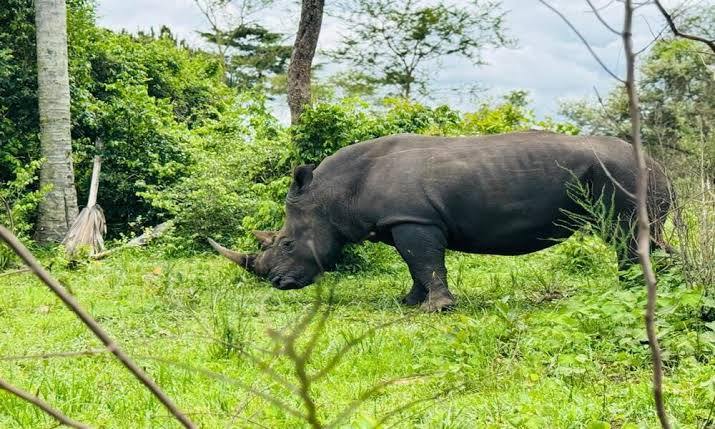
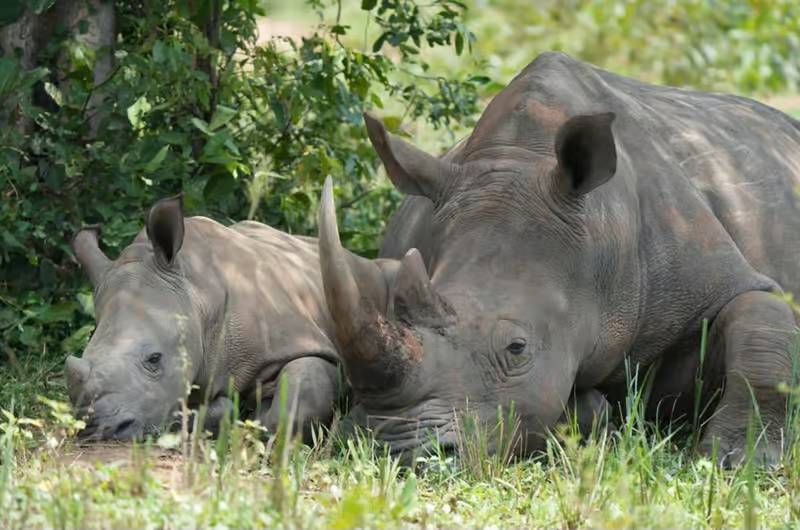
- Rhino tracking on foot at Ziwa Rhino Sanctuary.
- Walking and horseback safaris in Lake Mburo National Park.
- White-water rafting on the Nile at Jinja.
- Hiking in the Rwenzori Mountains, Mount Elgon and the Virunga volcanoes.
- Cultural encounters with the Batwa, the Buganda Kingdom and rural communities.
If seeing big game is a priority, Pick and Transfer explains where you can see the Big Five in Uganda.
Getting Around Uganda: Road Safaris vs Domestic Flights
Most international visitors travel between parks by road in a private 4×4 safari vehicle with a pop-up roof and an experienced driver-guide. Road safaris are the most popular choice because they are good value, flexible and let you see the countryside, villages and roadside markets along the way. Your guide also becomes a valuable source of local knowledge, explaining wildlife, history and culture throughout the journey. Main roads are mostly tarmac, though roads to some parks and lodges are unpaved and can be bumpy, so expect some long driving days on a full circuit.
If your time is limited or you prefer to avoid long drives, domestic flights connect Entebbe and Kajjansi airfield with airstrips near Bwindi, Queen Elizabeth, Murchison Falls and Kidepo Valley. Flights cost more but turn a full day on the road into an hour in the air, which is especially useful for reaching remote Kidepo or for short gorilla trips. Many visitors combine both, driving part of the route and flying back to Entebbe at the end.
Where Non-Residents Stay on a Uganda Safari
Uganda offers accommodation to suit every budget and travel style. Luxury lodges near Bwindi, Kibale, Queen Elizabeth and Murchison Falls offer elegant rooms, fine dining, spa treatments and stunning views, ideal for honeymoons and special occasions. Mid-range lodges provide comfortable en-suite rooms, good food and friendly service at excellent value, and they are the most popular choice for first-time visitors. Budget lodges, community-run guesthouses and tented camps keep costs low while still placing you close to the action.
Many lodges are owned or run in partnership with local communities, so your stay directly supports conservation and local livelihoods. We match each lodge to your budget, interests and itinerary, choosing properties close to trekking starting points so you can enjoy relaxed mornings.
Combining Uganda with Rwanda, Kenya or Tanzania
Since international visitors often travel a long way to reach East Africa, many combine Uganda with neighbouring countries. Uganda and Rwanda pair naturally, as you can trek gorillas in both countries, visit Kigali and explore Nyungwe Forest or Akagera National Park. The East Africa Tourist Visa makes it easy to cross between Uganda, Rwanda and Kenya on one visa.
For a classic big-game extension, many visitors add the Masai Mara in Kenya or the Serengeti in Tanzania, especially during the Great Migration. Regional flights connect Entebbe and Kigali with Nairobi, Kilimanjaro and Zanzibar, so you can even finish your trip with a relaxing beach holiday on the Indian Ocean. Ask us about combined itineraries that make the most of your time in East Africa.
Best Time for Non-Residents to Visit Uganda
Uganda can be visited all year round, thanks to its equatorial climate. The drier months from June to September and December to February are the most popular for gorilla trekking and game drives, as trails are firmer and wildlife gathers around water. The wetter months from March to May and October to November bring lush landscapes, fewer visitors, lower lodge rates and discounted gorilla permits in April, May and November. Read our guide to low and peak season on a Uganda safari.
Because many international visitors travel during European and North American summer holidays, gorilla permits for July and August sell out early. Book at least six to twelve months in advance for peak season.
How Much Does a Uganda Safari Cost for Non-Residents?
For foreign non-residents, the total cost of a Uganda safari depends on the length of the trip, accommodation level, number of travellers, activities and whether you fly or drive between parks. The gorilla permit is usually the largest single cost, followed by accommodation, transport with a driver-guide, park fees and activities.
Budget safaris use comfortable but simple lodges and keep costs low, mid-range safaris offer excellent comfort and value, and luxury safaris feature exclusive lodges, fine dining and sometimes domestic flights. Travelling in a group of two to four reduces the cost per person, as vehicles and guides are shared. Read our guides to how much a Uganda safari costs and gorilla trekking safari costs for 2026.
Money, Payments and Tipping
Uganda’s currency is the Ugandan shilling, but US dollars are widely used for safari bookings, park fees and permits. If you bring US dollars, carry newer, clean and undamaged notes, as older or torn notes are often refused. ATMs are available in Kampala, Entebbe and larger towns, but cash machines are rare near the national parks, so withdraw enough before heading out. Major lodges accept cards, sometimes with a small fee.
Tipping is not compulsory but is customary and appreciated. Many travellers tip their driver-guide, trekking rangers, porters and lodge staff at the end of their stay, according to the service received. Your guide can advise on appropriate amounts.
Safety Tips for International Visitors
Uganda is a welcoming and safe destination for tourists, especially when travelling with a reputable tour operator. Park activities are led by experienced Uganda Wildlife Authority rangers, and your driver-guide stays with you throughout your trip. Take normal travel precautions: keep valuables secure, avoid walking alone at night in cities, use trusted transport and follow your guide’s advice. Read our Uganda safari safety guide for tourists and our guide on what to expect on a Uganda safari.
Packing List for Non-Resident Visitors
- Passport valid for six months, printed visa approval and yellow fever certificate
- Copies of your travel insurance and booking confirmations
- Waterproof hiking boots and gardening gloves for gorilla and chimpanzee trekking
- Lightweight, neutral-coloured clothing with long sleeves and trousers
- A warm fleece for chilly mornings in the highlands
- A rain jacket, hat, sunglasses and sunscreen
- Insect repellent and any prescribed antimalarial medication
- Binoculars, a camera with spare batteries and memory cards
- A universal power adapter; Uganda uses type G plugs
- Small amounts of cash for tips and souvenirs
Dietary Needs, Accessibility and Special Requests
Lodges across Uganda are used to catering for international visitors and can usually accommodate vegetarian, vegan, gluten-free and other dietary needs with advance notice. Pick and Transfer offers advice for a Uganda safari for vegetarian tourists. If you have mobility concerns, let us know when planning, as we can choose accessible lodges, arrange porters or sedan chairs for gorilla trekking where available and plan a comfortable pace.
Booking Your Safari as a Non-Resident
Most international visitors book through a licensed local tour operator, who secures gorilla and chimpanzee permits, reserves lodges, arranges transport and guides, and builds a seamless itinerary. Booking early is especially important for gorilla permits, which are limited to eight visitors per gorilla family per day. Pick and Transfer explains how to book and confirm a trip to Uganda and booking a gorilla permit in Uganda.
When choosing an operator, look for good reviews, clear quotes that list inclusions and exclusions, well-maintained 4×4 vehicles, experienced guides and responsive communication before you travel.
Because gorilla permits must be paid for in full before they are issued, operators usually ask for the permit cost and a deposit when you confirm your booking, with the balance due closer to your travel date. Make sure you understand the payment schedule, accepted payment methods and cancellation terms before you book. Permits themselves are non-refundable in most cases, so travel insurance that covers cancellation is strongly recommended. Once your trip is confirmed, your operator should send a detailed itinerary, permit confirmations and practical pre-departure information.
Frequently Asked Questions About Uganda Safaris for Non-Residents
What is the gorilla permit price for non-residents? USD 800 per person, reduced to USD 600 in April, May and November.
Do I need a visa to visit Uganda? Most international visitors need a visa, applied for online before travel. The East Africa Tourist Visa is ideal if you are also visiting Rwanda or Kenya.
Is yellow fever vaccination required? Yes. A valid yellow fever vaccination certificate is required for entry to Uganda.
Should I fly into Entebbe or Kigali? Fly into Kigali for short gorilla-focused trips, and into Entebbe for longer circuits that include Murchison Falls, Kibale and Queen Elizabeth.
How far in advance should I book? Six to twelve months ahead for peak season, and at least three months ahead at other times.
Is Uganda safe for international tourists? Yes. With a reputable operator and normal travel precautions, Uganda is a safe and welcoming destination.
Book Your Uganda Safari with Kenlink Tours
Whether you dream of looking into the eyes of a mountain gorilla, watching lions lounging in fig trees or feeling the spray of Murchison Falls, Uganda safaris for non-residents offer extraordinary experiences at excellent value. With the right planning, from visas and permits to flights and lodges, your journey to the Pearl of Africa will be smooth from start to finish.
Learn more about Kenlink Tours, then email info@kenlinktours.com with your travel dates, number of travellers and interests. For more inspiration, see Pick and Transfer’s list of top tourist attractions in Uganda, and let us design a Uganda safari built around you.