- EXPERT'S HELP
- +256789210067
- +256200955001
- info@kenlinktours.com


Uganda Safaris for Uganda Non Residents
October 4, 2026
Gorilla Tours for African Citizens
October 4, 2026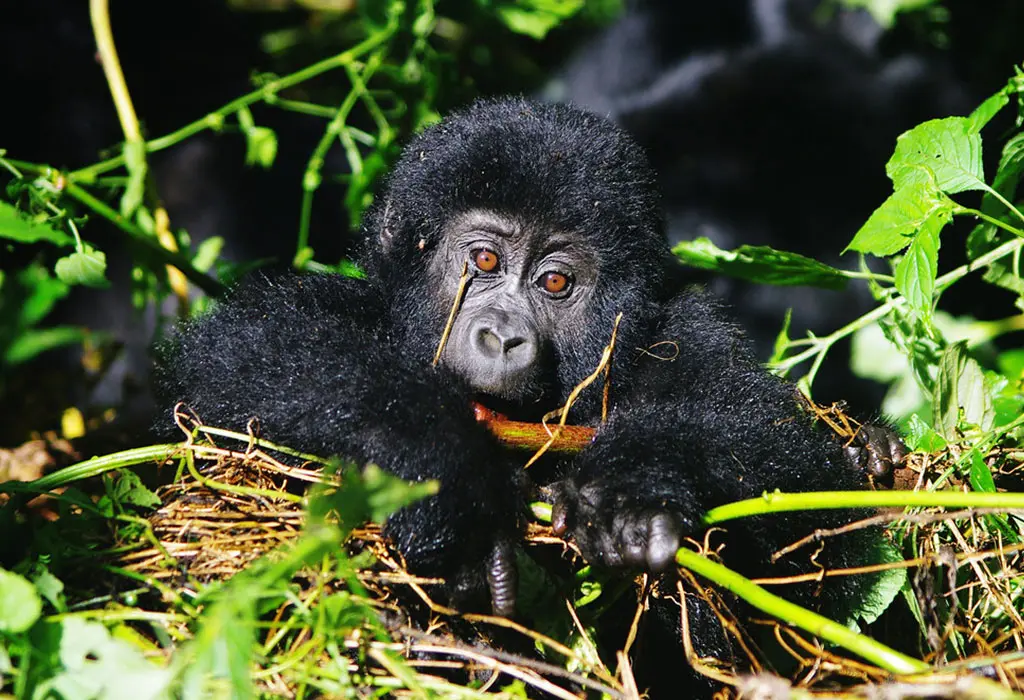
Gorilla Trekking for Ugandan Non Residents. Coming face to face with a wild mountain gorilla is one of the most powerful wildlife experiences on Earth, and Uganda is the best-value place in the world to do it. If you are travelling from abroad and do not live in Uganda or East Africa, you will trek as a foreign non-resident. Understanding how non-resident permits work, how to book them, which park and sector to choose and what to expect on trekking day will help you plan a smooth, unforgettable gorilla adventure.
At Kenlink Tours, we organize gorilla trekking for international visitors from every corner of the world. This guide to gorilla trekking for Uganda non-residents covers everything you need to know, from 2026 permit prices and low-season discounts to booking, fitness, rules, packing, lodges and costs. We also include a section for Ugandan citizens living abroad, who have their own special rates.
What Does Non-Resident Mean for Gorilla Trekking?
The Uganda Wildlife Authority prices gorilla permits according to residency and citizenship:
- Foreign non-residents: International visitors who do not live in Uganda or East Africa. Most tourists fall into this category.
- Foreign residents: Foreign nationals living and working in Uganda with valid residence or work documents.
- Citizens of other African countries: African nationals from outside the East African Community.
- East African citizens: Citizens of East African Community countries, including Ugandans.
If you live outside Uganda and East Africa and hold a non-African passport, you pay the foreign non-resident rate. For a wider overview of travel as a non-resident, see our guide to Uganda safaris for non-residents. African passport holders should read our guide to gorilla tours for African citizens.
Gorilla Permit Prices for Non-Residents in 2026
- Standard gorilla trekking permit: USD 800 per person.
- Low-season gorilla permit: USD 600 per person in April, May and November.
- Gorilla Habituation Experience: USD 1,800 per person under the Uganda Wildlife Authority’s new tariffs, up from USD 1,500, for up to four hours with a gorilla family in Bwindi’s Rushaga sector.
The same standard permit price applies in Bwindi Impenetrable National Park and Mgahinga Gorilla National Park. The permit includes park entry, the guided trek with rangers and trackers, and one hour with a habituated gorilla family. It does not include transport, accommodation, meals, porters or tips.
By comparison, a gorilla permit in Rwanda costs USD 1,500 for international tourists, making Uganda by far the better-value choice for most non-residents. Because rates are reviewed from time to time, we always confirm the latest price for your dates. Read our guide to gorilla trekking safari costs for 2026 and Pick and Transfer Safaris’ comparison of Rwanda vs Uganda gorilla trekking cost.
Ugandan Citizens Living Abroad: Special Rates for the Diaspora
If you are a Ugandan citizen living abroad, you do not pay the foreign non-resident rate. Gorilla permit prices for East African citizens are based on citizenship rather than where you live, so Ugandans in the diaspora can trek at the East African citizen rate of UGX 300,000, roughly USD 80, by presenting a valid Ugandan passport or national ID when booking and at the trekking briefing.
This makes a visit home the perfect opportunity to see the gorillas, either on your own or with family and friends. Remember that any non-Ugandan companions, such as a spouse or friends from abroad, will pay the rate for their own category, so share everyone’s passport details when booking so each permit is issued correctly. If you hold dual citizenship, bring the Ugandan document you will use for the rate.
Why Uganda Is the Best Place for Non-Residents to Trek Gorillas
- Better value than Rwanda, with permits at around half the price.
- Low-season discounts in April, May and November.
- More gorilla families than anywhere else, so permits are easier to secure.
- A choice of two parks and five trekking areas, from the classic Buhoma sector to volcanic Mgahinga.
- The world’s only Gorilla Habituation Experience, offering four hours with a gorilla family.
- Wide range of lodges, from community guesthouses to world-class luxury retreats.
Learn more in our complete guide to gorilla trekking in Uganda.
Bwindi or Mgahinga: Choosing Your Gorilla Park
Bwindi Impenetrable National Park is home to roughly half of the world’s remaining mountain gorillas and has more than 20 habituated families spread across four sectors: Buhoma in the north, Ruhija in the east, and Rushaga and Nkuringo in the south. Each sector has its own gorilla families, scenery and lodges.
Mgahinga Gorilla National Park lies on the slopes of the Virunga volcanoes near the Rwanda border. It has one habituated gorilla family, the Nyakagezi group, and also offers golden monkey tracking and volcano hikes. It is quieter and especially convenient for visitors flying into Kigali.
Compare the parks in our article on Mgahinga vs Bwindi for gorilla trekking, and read Pick and Transfer’s guide to Mgahinga or Bwindi, which is better for gorilla trekking.
Choosing the Right Bwindi Sector
Your permit is issued for a specific sector, so it is important to choose carefully and stay at a lodge close to that sector, as driving between sectors can take hours.
- Buhoma: The original trekking sector, with excellent lodges and easy access from Queen Elizabeth National Park. Ideal for first-time visitors.
- Ruhija: A high-altitude sector with cool temperatures, superb birding and fewer visitors.
- Rushaga: The sector with the most gorilla families and the only place for the Habituation Experience, conveniently reached from Kigali.
- Nkuringo: Dramatic views of the Virunga volcanoes and often steeper treks, perfect for adventurous hikers.
Read our guide to choosing the best sector for a gorilla trek in Bwindi and Pick and Transfer’s advice on choosing between Nkuringo and Rushaga.
Fly into Entebbe or Kigali?
Non-residents usually arrive by air, and your choice of airport shapes your trip. Bwindi’s southern sectors and Mgahinga are only four to five hours by road from Kigali International Airport in Rwanda, compared with nine to ten hours from Entebbe. For short, gorilla-focused trips, flying into Kigali saves a full day of travel. For longer safaris that include Murchison Falls, Kibale or Queen Elizabeth National Park, Entebbe is usually the better gateway.
Domestic flights from Entebbe to Kisoro or Kihihi airstrips are another option, cutting the journey to about an hour and a half. Read our guides to landing in Kigali or Entebbe for a gorilla safari and a fly-in gorilla safari in Uganda, and see Pick and Transfer’s guide to Kigali vs Entebbe for gorilla trekking.
How to Book a Gorilla Permit as a Non-Resident
Gorilla permits are limited to eight visitors per gorilla family per day, so they can sell out months in advance, especially for June to September and December to February. You can book directly with the Uganda Wildlife Authority, but most non-residents book through a licensed tour operator, who checks availability across sectors, secures permits quickly and builds the rest of your trip around your trekking date.
To book, you will need your full name, nationality and passport number exactly as they appear in your passport, plus your preferred trekking date and sector. Permits must be paid in full before they are issued and are generally non-refundable, so travel insurance with cancellation cover is recommended. We suggest booking six to twelve months ahead for peak season and at least three months ahead at other times.
Read our guides on how to book a gorilla trekking permit in Uganda, how far in advance to book and how to check availability of gorilla permits. Pick and Transfer also explains how to buy a gorilla permit in Uganda.
What Happens on Gorilla Trekking Day
Early morning: After an early breakfast, your driver-guide takes you to the sector’s park headquarters. Arrive by about 7:30 am, when rangers check passports against permits.
Briefing: Uganda Wildlife Authority rangers explain the rules, introduce the gorilla families and divide trekkers into groups of up to eight. Let the rangers know if you have any fitness concerns, as they try to match groups to suitable families.
The trek: Accompanied by rangers, trackers and armed escorts, you hike into the forest. The trek can take anywhere from one to six hours, depending on where the gorillas spent the night. Trackers go ahead to locate the family and radio the group.
One hour with the gorillas: When you reach the family, you leave bags and walking sticks with porters and spend one magical hour watching the gorillas feed, rest, groom and play. You may see the silverback, mothers with infants and playful juveniles.
Return and certificate: After your hour, you hike back to the headquarters, where you receive a gorilla trekking certificate.
Gorilla sightings are highly likely because trackers follow the families daily, though they can never be absolutely guaranteed with wild animals. Read our article on whether seeing gorillas is guaranteed and our tips for managing expectations for your gorilla safari.
Gorilla Trekking Rules for All Visitors
- The minimum age for gorilla trekking is 15 years.
- A maximum of eight people may visit each gorilla family per day.
- Keep a distance of at least seven metres where possible.
- Do not trek if you have a cold, flu or other contagious illness, as gorillas are vulnerable to human diseases.
- Wear a face mask when asked by rangers.
- No eating, drinking or smoking near the gorillas.
- No flash photography.
- Keep your voice low and stay with your group.
- If a gorilla approaches, stay calm and still and follow your ranger’s instructions.
Learn more about how many people are allowed to see gorillas per group and whether children are allowed to do gorilla trekking in Uganda.
Fitness, Porters and Accessibility
Gorilla trekking involves hiking on steep, uneven and often muddy forest trails at altitude, so a reasonable level of fitness makes the experience more enjoyable. Regular walking and stair climbing in the months before your trip helps. That said, you do not need to be an athlete, and people of many ages complete the trek successfully.
We strongly recommend hiring a porter at the trailhead. Porters carry your bag, help you on slippery slopes and earn valuable income for their families. Walking sticks are usually available at no cost. For travellers with limited mobility, some sectors offer sedan chair services carried by trained porters. Read our guide to gorilla trekking for seniors, elderly travellers and persons with disabilities.
The Gorilla Habituation Experience
For non-residents who want more time with the gorillas, the Gorilla Habituation Experience in Bwindi’s Rushaga sector is the ultimate upgrade. You join researchers and trackers following a gorilla family that is still being habituated to humans, spending up to four hours in their presence. Only four visitors join each day, so permits sell out quickly. It is ideal for photographers and primate enthusiasts. Read our guide to the Gorilla Habituation Experience in Rushaga, and see Pick and Transfer’s article on why wildlife photographers love gorilla habituation.
Best Time for Non-Residents to Trek Gorillas
Gorilla trekking runs throughout the year. The drier months from June to September and December to February offer firmer trails and are the most popular with international visitors, so book early. The wetter months from March to May and October to November bring muddier trails but also lush scenery, fewer visitors and discounted USD 600 permits in April, May and November. Read our guides to gorilla tracking in the dry season and gorilla trekking in the rainy season.
Where to Stay for Gorilla Trekking
Choose a lodge close to your trekking sector to avoid long early-morning drives. Uganda offers accommodation for every budget:
- Luxury: Lodges such as Clouds Mountain Gorilla Lodge, Mahogany Springs, Buhoma Lodge and Gorilla Forest Camp offer outstanding comfort, views and service.
- Mid-range: Comfortable lodges near every sector offer en-suite rooms, good food and great value.
- Budget: Community lodges and guesthouses keep costs low while supporting local families.
See our guides to a gorilla trekking safari in Uganda with nice lodges and budget lodges for gorilla trekking. Pick and Transfer also explains whether you can sleep in Kisoro and do gorilla trekking in Bwindi.
Sample Gorilla Trekking Itineraries for Non-Residents
2-day gorilla trek from Kigali. Drive from Kigali to southern Bwindi or Mgahinga, trek gorillas the next morning and return to Kigali. See Pick and Transfer’s 2 Days Gorilla Trekking in Uganda from Kigali.
3-day gorilla safari. A relaxed itinerary with a full day for trekking and time to enjoy your lodge. See our 3-Day Uganda Gorillas Safari.
7-day gorillas and wildlife. Combine gorillas with chimpanzees in Kibale and game drives in Queen Elizabeth National Park for the classic Uganda safari. This is the most popular choice for first-time non-resident visitors, because it balances primates, big game and scenery without feeling rushed, and it makes the long journey to Uganda truly worthwhile.
Browse ready-to-book options on Pick and Transfer’s gorilla safaris available for booking now in Uganda and their top selling gorilla tours in Uganda.
How Much Does Gorilla Trekking Cost for Non-Residents?
For non-residents, the total cost of a gorilla trekking trip depends on the permit, accommodation level, transport, trip length and group size. The permit is the largest single cost at USD 800, or USD 600 in the low season. Accommodation ranges from budget to luxury, transport with a private driver-guide is shared among your group, and extras include porters, tips and drinks.
Travelling in the low season, starting from Kigali, choosing budget or mid-range lodges and sharing transport with friends or family all reduce costs. Read our guide on how cheap a gorilla trekking tour in Uganda can be for detailed money-saving tips, and contact us for an up-to-date quote.
What to Pack for Gorilla Trekking
- Passport, which rangers check against your permit, and your yellow fever certificate
- Waterproof, broken-in hiking boots with good grip
- Long trousers and long-sleeved shirts to protect against nettles and insects
- Gardening gloves for gripping branches and vines
- A lightweight rain jacket and warm fleece
- Gaiters or long socks to tuck trousers into
- Insect repellent, sunscreen and a hat
- A camera with spare batteries and memory cards (no flash)
- Water, snacks and a waterproof daypack
- A face mask, in case rangers request one
See our full gorilla trekking safari checklist for travelers.
Photography Tips for Your Gorilla Trek
Most non-residents want to capture their gorilla encounter, and a little preparation makes a big difference. The forest is often dark under the canopy, so use a camera or phone that performs well in low light, raise your ISO and choose a fast shutter speed to avoid blur. A lens in the 24 to 105 mm range works well, as gorillas are often close, and a light zoom helps for animals higher in the trees. Flash photography is not allowed.
Bring spare batteries and memory cards, as cold mornings drain batteries and you will not want to miss a moment. Keep your gear in a waterproof bag, since rain can fall at any time. Most importantly, remember that you only have one hour, so take some time to put the camera down and simply watch. The memories of watching a silverback or a playful infant will stay with you far longer than any photograph.
Where Your Permit Money Goes
Your gorilla permit is more than an entrance ticket. Permit fees help fund ranger patrols, gorilla monitoring, veterinary care and the protection of the forests where gorillas live. A share of park revenue also supports communities living around Bwindi and Mgahinga through projects such as schools, health centres and clean water. This partnership between conservation and communities has played an important role in the recovery of mountain gorilla numbers, which have grown thanks to decades of protection. By trekking responsibly, you become part of that success story.
After Your Trek: Make the Most of Your Time
Since you have travelled a long way, consider adding a few days to explore more of the region. Popular options include a Batwa cultural visit, community walks near Bwindi, golden monkey tracking in Mgahinga, canoeing on Lake Mutanda or Lake Bunyonyi, chimpanzee tracking in Kibale and game drives in Queen Elizabeth National Park. Pick and Transfer shares ideas on what to do after a gorilla tour in Bwindi.
Frequently Asked Questions About Gorilla Trekking for Non-Residents
How much is a gorilla permit for non-residents in Uganda? USD 800 per person, or USD 600 in April, May and November.
Do Ugandans living abroad pay the non-resident rate? No. Ugandan citizens pay the East African citizen rate of UGX 300,000 with a valid Ugandan passport or national ID, wherever they live.
How far in advance should I book? Six to twelve months ahead for peak season, and at least three months ahead at other times.
Is it better to trek in Bwindi or Mgahinga? Bwindi offers more gorilla families and sectors, while Mgahinga is quieter and close to Kigali, with golden monkeys and volcano hikes too.
How difficult is gorilla trekking? It can be challenging because of steep, muddy terrain, but porters, walking sticks and a steady pace make it manageable for most reasonably fit travellers.
Can I trek gorillas twice? Yes. Many visitors book two permits on different days, often in different sectors or families, for a richer experience.
Book Your Gorilla Trek with Kenlink Tours
Gorilla trekking for Uganda non-residents offers the world’s most extraordinary primate encounter at the best value in Africa. With the right permit, sector and lodge, and an experienced team handling the details, your hour with the gorillas will be one of the most memorable moments of your life.
Learn more about Kenlink Tours, then email info@kenlinktours.com with your travel dates, nationality and number of travellers. Pick and Transfer also explains booking a gorilla permit in Uganda. We will secure your permits and plan a seamless gorilla trekking adventure built around you.