- EXPERT'S HELP
- +256789210067
- +256200955001
- info@kenlinktours.com


How much is a tour to Murchison Falls NP
October 24, 2026
Murchison Falls tour with Bwindi and Kibale
October 24, 2026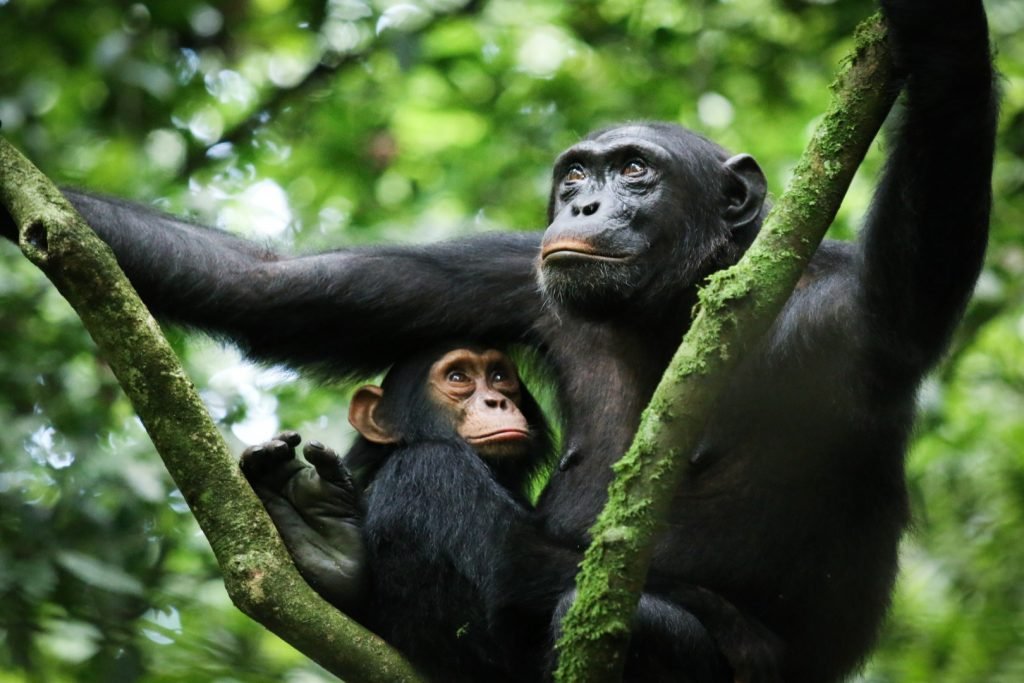
Uganda Tours to Kibale National Park. Deep in western Uganda, a tropical rainforest echoes with the hoots and screams of chimpanzees calling to one another across the canopy. Step onto the trail, and within an hour you may be standing a few metres from a family of our closest living relatives — grooming, feeding, playing and occasionally drumming on the buttress roots of giant trees. This is Kibale National Park, and it is one of the finest places on earth to see wild chimpanzees.
Uganda tours to Kibale National Park are built around this remarkable encounter, but the park offers far more. Kibale is home to 13 primate species, more than 370 bird species, forest elephants and a landscape of crater lakes, tea plantations and rolling hills that ranks among the most beautiful in East Africa. It sits conveniently between Murchison Falls and Queen Elizabeth National Park, making it a natural stop on almost any Uganda itinerary.
In this complete guide, we cover everything you need to plan your visit: what makes Kibale special, how chimpanzee tracking works, current permit prices for 2026 and 2027, the best tour packages, where to stay, when to go and what to pack.
At Kenlink Tours, we have guided travellers to Kibale since 2010. Our guides know the forest, the lodges and the rangers personally, and we take care of permits, transport and every detail so that you can focus on the experience. Whether you have three days or three weeks in Uganda, Kibale deserves a place on your plan.
About Kibale National Park
Location and Size
Kibale National Park lies in western Uganda, close to the town of Fort Portal and in the shadow of the Rwenzori Mountains. It covers roughly 795 square kilometres of moist evergreen and semi-deciduous forest, grassland and swamp. The main tourism hub, Kanyanchu, sits on the park’s eastern side, about 35 kilometres from Fort Portal and around 300 kilometres from Kampala.
To the south, the park borders Queen Elizabeth National Park, creating a corridor that allows wildlife to move between forest and savannah. This connection is one reason Kibale and Queen Elizabeth are so often combined on the same trip. Learn more in this detailed guide to Kibale Forest National Park.
The Primate Capital of the World
Kibale has one of the highest densities and varieties of primates anywhere in Africa. Around 1,500 chimpanzees live in the park, making it the most important chimpanzee stronghold in Uganda. Alongside them live 12 other primate species, including:
- Red colobus monkeys, one of Africa’s rarest primates
- Black-and-white colobus monkeys
- L’Hoest’s monkeys and red-tailed monkeys
- Grey-cheeked mangabeys and olive baboons
- Blue monkeys and vervet monkeys
- Nocturnal primates such as pottos and bushbabies
Other Wildlife and Birds
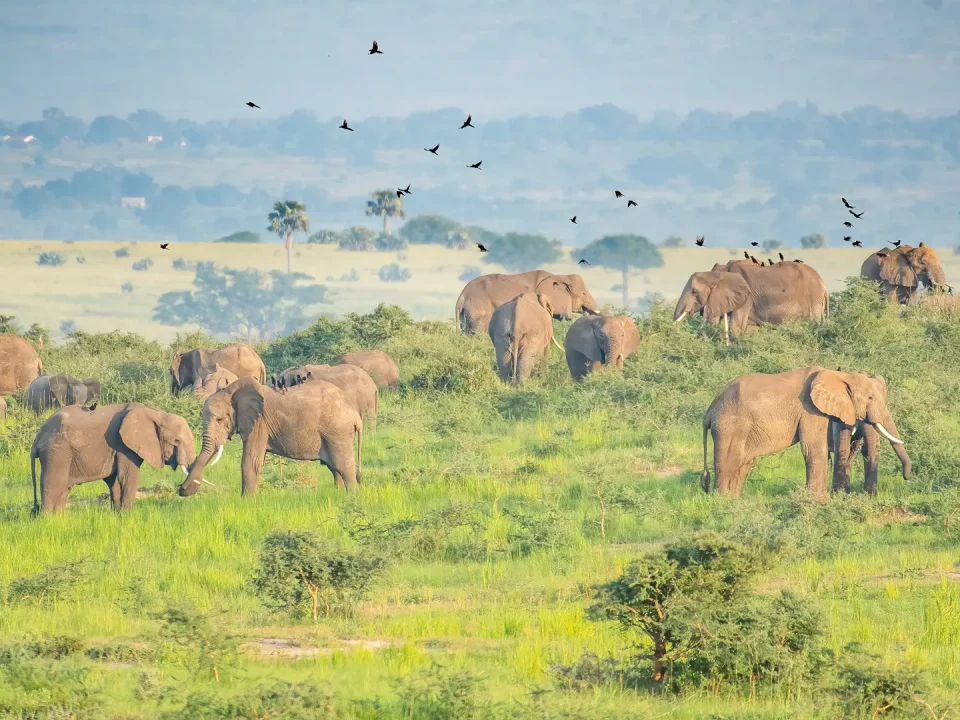
Kibale is also home to forest elephants, which are smaller and shyer than their savannah cousins, as well as buffalo, bushbuck, duikers, giant forest hogs and many butterflies. Birdwatchers can search for more than 370 species, including the green-breasted pitta, great blue turaco, African grey parrot and several Albertine Rift endemics.
A Landscape of Crater Lakes and Tea
The area around Kibale is as beautiful as the forest itself. Dozens of crater lakes sparkle among the hills, emerald tea plantations cover the slopes and the snow-capped Rwenzoris rise on the horizon. Many visitors spend an extra day here simply to explore the scenery.
Chimpanzee Tracking in Kibale: What to Expect
Chimpanzee tracking is the highlight of every Uganda tour to Kibale National Park, and success rates are excellent — sightings exceed 90% on most days because the chimpanzee groups are habituated to people.
How a Tracking Day Works
Tracking starts at the Kanyanchu visitor centre with a briefing from Uganda Wildlife Authority rangers. There are two sessions each day, usually at 8am and 2pm. Visitors are split into small groups, each led by an armed ranger guide who follows the trackers already in the forest. Walking through the forest typically takes one to three hours, depending on where the chimps are feeding.
Once you find the chimpanzees, you spend one hour with them. You may watch them feed in fig trees, groom each other, nurse infants, squabble, or race along the ground calling loudly. The forest floor is relatively flat compared with gorilla trekking, so the walk is manageable for most people with average fitness.
Chimpanzee Habituation Experience
For a deeper encounter, the Chimpanzee Habituation Experience lets you spend most of a day with a group that is still being habituated. You join researchers and rangers from early morning, watching the chimps leave their nests and continuing through the day. It is ideal for photographers, researchers and serious wildlife lovers.
Kibale Chimpanzee Permit Prices for 2026 and 2027
Permits are issued by the Uganda Wildlife Authority and include the guide and that day’s park entry.
| Permit (foreign non-resident) | Standard 2026 | Low season (April, May, November) | From 1 January 2027 |
|---|---|---|---|
| Chimpanzee tracking | US$250 | US$200 | US$300 |
| Chimpanzee habituation | US$300 | — | US$400 |
Foreign residents pay US$200 for standard chimp tracking and US$150 in the low season. Low-season permits must be paid in full when booking and cannot be rescheduled. Since March 2026, UWA also no longer holds permits without payment, so it is wise to book early, especially from June to September and December to February.
Chimp Tracking Rules
- The minimum age for chimp tracking is 12 years; the habituation experience generally requires visitors to be 15 or older.
- Do not go tracking if you have a cold, flu or other infectious illness, as chimps can catch human diseases.
- Keep at least eight metres from the chimpanzees and wear the face mask your ranger provides.
- Do not eat, drink or use flash photography near the chimps.
- Stay with your group and follow the ranger’s instructions at all times.
If you would like to see chimpanzees on a short trip, our 3-Day Chimpanzee Tracking Safari and 3 Days Chimp Tracking Safari to Kibale are perfect starting points. You can also compare the 3 Days Chimpanzee Tour in Uganda.
Other Things to Do in and Around Kibale
Chimpanzees may be the main attraction, but a Kibale tour offers plenty more to fill your days.
Bigodi Wetland Sanctuary Walk
Just outside the park, the community-run Bigodi Wetland Sanctuary is one of Uganda’s best nature walks. A three-hour guided trail along boardwalks through papyrus swamp reveals up to eight primate species and more than 200 bird species, including the spectacular great blue turaco. The walk costs about US$25 per person, and the income supports local schools and community projects. It is suitable for all ages, making it a great choice for families and anyone not tracking chimps.
Birdwatching in the Forest
Guided birding walks start early in the morning, when the forest is most active. Keen birders target the green-breasted pitta, a highly sought-after species, as well as many colourful turacos, barbets and sunbirds. Our 7-Day Birdwatching Safari in Uganda shows how Kibale fits into a wider birding route.
Night Forest Walks
As darkness falls, the forest takes on a completely different character. Guided night walks with spotlights search for nocturnal primates such as pottos and bushbabies, along with tree hyraxes, civets, owls and nightjars. It is an unforgettable adventure for anyone who loves the hidden side of nature.
Crater Lakes Hiking and Swimming
The Ndali-Kasenda crater lakes field near Kibale has dozens of lakes formed by ancient volcanic eruptions. Guided hikes lead to viewpoints overlooking several lakes at once, and some, such as Lake Nkuruba, are considered safe for swimming. Many lodges in the area sit on crater rims with jaw-dropping views.
Tea Plantations and Cultural Visits
Western Uganda produces much of the country’s tea. You can tour a tea estate, learn how leaves become your morning cup and enjoy a tasting. Cultural visits to villages around Bigodi and Fort Portal introduce you to the Batooro and Bakiga people, their food, crafts and traditions. Our 4 Days Gorilla & Cultural Tour shows how culture and wildlife combine beautifully.
Amabere Caves and Fort Portal Town
The Amabere Caves near Fort Portal feature stalactites, a waterfall and colourful local legends. Fort Portal itself is a lively town with markets, cafes and the hilltop palace of the Tooro Kingdom, offering a relaxed break between parks.
Popular Uganda Tours to Kibale National Park
Kibale works brilliantly as a short break or as part of a longer safari. Here are the itineraries our guests love most.
2–3 Day Kibale Chimpanzee Safaris
A short trip is ideal if you have limited time or want to add chimps to a business visit. Day one: drive from Kampala to Kibale, stopping at the equator line or Mubende, and enjoy the Bigodi wetland walk in the afternoon. Day two: morning chimp tracking, then optional crater lakes hike. Day three: return to Kampala. See our 3 Days Chimp Tracking Safari to Kibale for the full itinerary.
4–5 Day Gorilla and Chimpanzee Tours
Many travellers want to see both of Uganda’s great apes. These trips combine Kibale chimp tracking with gorilla trekking in Bwindi, often with a game drive in Queen Elizabeth on the way. Popular options include our 4 Days Uganda Primate Tour, 5 Days Chimps & Gorilla Safari and 5 Days Gorilla & Chimpanzee Tracking Tour. For comparison, look at the 5-Day Uganda Gorilla and Chimpanzee Safari, or the 5 Days Uganda Gorilla and Chimps Safari starting from Rwanda if you are flying into Kigali. Read more about the gorilla park in this guide to Bwindi Impenetrable National Park.
7–8 Day Primate and Wildlife Safaris
A week allows the perfect balance of primates and big game. A typical route combines Kibale chimps, Queen Elizabeth game drives and the Kazinga Channel boat cruise, Bwindi gorillas and a relaxing finish at Lake Bunyonyi. Our 7 Days Gorilla and Wildlife Safari and 8-Day Uganda Gorilla, Chimpanzee & Wildlife Safari follow this route. The 7 Days Uganda Safari – One Week Tour is another classic option, and Queen Elizabeth National Park is the natural partner park.
10+ Day Grand Uganda Tours
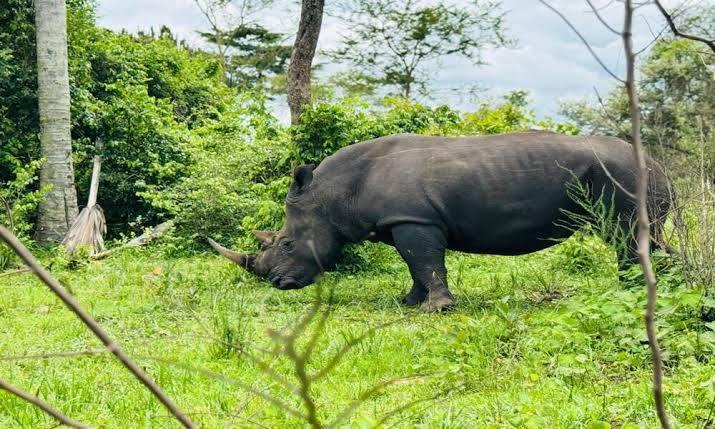
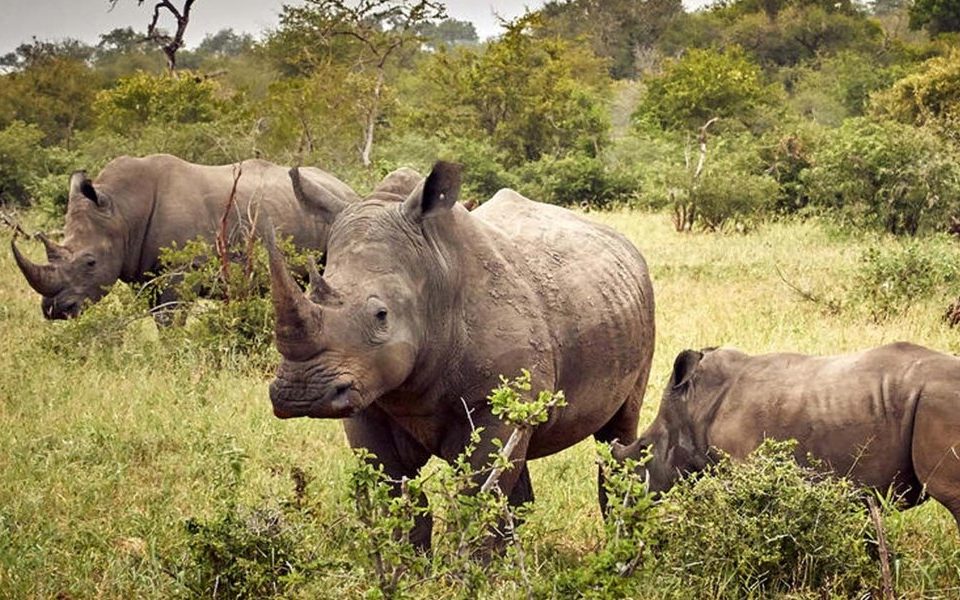
With ten days or more, you can see Uganda’s best: rhinos at Ziwa, Murchison Falls, Kibale chimps, Queen Elizabeth, Bwindi gorillas and Lake Mburo. Try our 10 Days Best of Primate & Culture or 10 Days Uganda Adventure Safari, and compare the 10 Days Uganda Primates and Wildlife itinerary that also includes Murchison Falls National Park. For a slower pace, our 20-Day Wildlife and Nature Experience covers the whole country.
Uganda and Rwanda Primate Tours
Kibale also pairs well with Rwanda’s Volcanoes and Nyungwe parks. Our 10 Days Uganda Rwanda Combining Safari links both countries, while the 2 Days Nyungwe Chimps Tracking Trip shows how chimp tracking in Rwanda compares.
How to Get to Kibale National Park
By Road
Most Uganda tours to Kibale travel by road in a 4×4 safari vehicle. The drive from Kampala to Fort Portal takes about five to six hours on a good tarmac road via Mubende, with a further 45 minutes to Kanyanchu. An alternative southern route via Mbarara and Kasese is longer but convenient if you are coming from Queen Elizabeth or Lake Mburo. From Queen Elizabeth National Park, Kibale is just two to three hours away.
If you prefer to explore independently, our car hire service offers well-maintained 4×4 vehicles with or without a driver-guide.
By Air
Scheduled domestic flights connect Entebbe with Kasese airstrip, about two hours’ drive from Kibale. Flying saves time and is a good option for travellers with tight schedules or those combining several parks.
Where to Stay Near Kibale
Kibale has accommodation for every budget, mostly clustered around Kanyanchu, Bigodi and the crater lakes near Fort Portal.
- Luxury lodges: Elegant cottages and suites on the forest edge or on crater rims, with fine dining, infinity pools and spa treatments. Rates are typically US$300–US$700 or more per person per night, full board.
- Mid-range lodges: Comfortable en-suite cottages and tented rooms with full-board meals and lovely views, usually US$120–US$300 per person per night.
- Budget lodges and camps: Simple bandas, guesthouses and campsites, from around US$40–US$100 per person per night.
Staying near Kanyanchu saves time on tracking mornings, while crater lake lodges offer stunning scenery and a relaxed atmosphere. Our team will recommend the best option for your style and budget.
Best Time to Visit Kibale National Park
Kibale can be visited all year, and chimp tracking runs every day.
- Dry seasons (June to September and December to February): Trails are firmer and drier, making walking easier. These are the busiest months, so book permits and lodges well in advance.
- Wet seasons (March to May and October to November): The forest is lush, fruit is plentiful and chimps often feed in large groups. Trails can be muddy, but lodges are quieter and many offer discounts.
For value, April, May and November are now especially attractive because UWA offers discounted chimp tracking permits at US$200 during these months. Birders also enjoy these wetter months, when many species are breeding and active.
How Much Does a Kibale Tour Cost?
The cost of a Uganda tour to Kibale National Park depends on the length of your trip, your accommodation level, your group size and the season. As a rough guide, a private 3-day chimp safari from Kampala costs about US$750–US$1,500 per person for two travellers sharing, including the chimp permit, vehicle, guide, accommodation and meals.
| Cost item | Typical price (foreign non-resident) |
|---|---|
| Chimp tracking permit | US$250 (US$200 in April, May, November; US$300 from 2027) |
| Chimp habituation permit | US$300 (US$400 from 2027) |
| Bigodi Wetland walk | About US$25 per person |
| Private 4×4 vehicle with driver-guide and fuel | US$150–US$250 per day, shared by the group |
| Accommodation | US$40–US$700+ per person per night |
Groups of four to six share vehicle costs and pay less per person. Solo travellers can save by joining one of our group tours or scheduled departure safaris. For budget-conscious travellers, the Uganda wildlife safaris offered by Pick and Transfer Safaris are also worth comparing.
What to Pack for Chimpanzee Tracking
- Long trousers and long-sleeved shirts in neutral colours to protect against nettles and insects
- Comfortable waterproof hiking boots with good grip
- A light rain jacket, as showers can happen at any time of year
- Garden gloves to grip branches and protect your hands
- Insect repellent and sunscreen
- A small backpack with water and snacks
- A camera with a fast lens, as the forest is dark and flash is not allowed
- Binoculars for birds and monkeys in the canopy
- Face masks, now required near chimpanzees
Tips for the Best Kibale Experience
- Book permits early, especially for peak months, since UWA now requires immediate payment to secure them.
- Choose the morning session for cooler temperatures and active chimps.
- Tuck your trousers into your socks to keep ants away — forest safari ants can bite.
- Stay a second night to enjoy Bigodi, the crater lakes or a night walk without rushing.
- Combine Kibale with Queen Elizabeth for a perfect mix of forest and savannah.
- Bring a good attitude to mud in the rainy months — it is part of the adventure.
- Tip your ranger and porter if you are happy with the service; it supports local livelihoods.
Frequently Asked Questions About Kibale Tours
How many days do I need in Kibale National Park?
Two nights is ideal. That gives you one full day for chimp tracking plus time for the Bigodi wetland walk, crater lakes or a night walk. If you are short on time, a single night is enough for chimp tracking alone.
What is the chance of seeing chimpanzees in Kibale?
Very high. Because the chimpanzee groups are habituated and trackers locate them each morning, sightings succeed on well over 90% of treks.
How much is a chimpanzee permit in Kibale?
For foreign non-residents, a chimp tracking permit costs US$250 in 2026, or US$200 in April, May and November. From 1 January 2027, the standard price rises to US$300. The permit includes the guide and that day’s park entry.
Is chimp tracking harder than gorilla trekking?
Usually not. Kibale’s trails are mostly flat and less steep than Bwindi’s hills, although chimpanzees move quickly and you may need to walk briskly to keep up. Anyone with average fitness can enjoy it.
Can children go chimp tracking in Kibale?
Children must be at least 12 years old to track chimpanzees. Younger children can enjoy the Bigodi wetland walk, crater lakes and cultural visits while older family members track.
Can I combine Kibale with gorilla trekking?
Yes, and it is one of the most popular combinations in Uganda. Kibale and Bwindi are linked by a scenic drive through Queen Elizabeth National Park. See our Uganda safaris for gorilla and chimp combination tours.
Where else can I see chimpanzees in Uganda?
You can also track chimps in Budongo Forest near Murchison Falls, Kyambura Gorge in Queen Elizabeth National Park and Kalinzu Forest. Kibale offers the highest success rate and the most habituated groups. Browse more Uganda and Rwanda destinations to compare.
Plan Your Uganda Tour to Kibale National Park Today
Few wildlife experiences compare with watching wild chimpanzees in the forest of Kibale — hearing their calls echo through the trees, seeing a mother cradle her infant or catching the moment an alpha male drums on a buttress root. Add rare monkeys, colourful birds, crater lakes and the warm hospitality of western Uganda, and it is easy to see why Kibale is often the highlight of a Uganda safari.
Whether you want a short chimp safari, a gorilla and chimpanzee combination or a grand tour of the Pearl of Africa, Kenlink Tours will design the perfect trip for you. We secure your permits, choose the right lodges, plan every transfer and provide experienced driver-guides who know Kibale inside out.
Ready to meet the chimps? Contact our safari experts with your travel dates and group size, and we will send you a tailor-made Kibale tour proposal within 24 hours.
Call or WhatsApp: +256 789 210 067 | Email: info@kenlinktours.com