- EXPERT'S HELP
- +256789210067
- +256200955001
- info@kenlinktours.com


How to combine gorilla and chimp trekking in one Uganda trip
May 14, 2026
Do you need a visa to visit Uganda? UK, US & EU travellers
May 15, 2026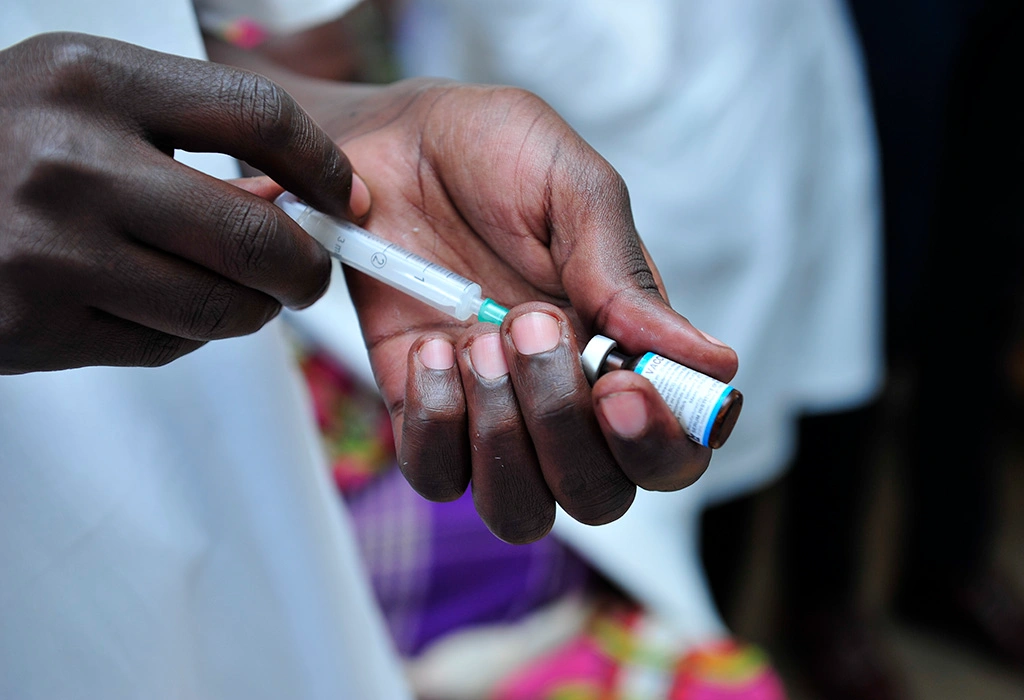
Vaccinations required for Uganda and Rwanda safari. Planning a gorilla trekking safari to Uganda or Rwanda is one of the most thrilling adventures you can take on the African continent. But before you pack your binoculars and lace up your hiking boots, there is one essential step every traveler must take: getting the right vaccinations. Your health is the foundation of a successful safari, and understanding what jabs are required — versus strongly recommended — can make the difference between a smooth journey and a stressful one at immigration.
At Kenlink Tours, we help hundreds of travelers every year prepare for their Uganda and Rwanda safari experiences. This guide covers every vaccination you need to know about, so you can travel confidently and focus on what matters: those magical moments face-to-face with mountain gorillas.
Why Vaccinations Matter for East Africa Travel
Uganda and Rwanda are tropical destinations sitting close to the equator, with lush rainforests, wetlands, and savannah ecosystems. This incredible biodiversity is what draws travelers from around the world, but these same environments can expose visitors to diseases that are rare or nonexistent back home.
Both countries are popular gorilla trekking destinations — Uganda’s Bwindi Impenetrable Forest and Rwanda’s Volcanoes National Park are the two premier locations — and both require that travelers enter in good health. Getting vaccinated not only protects you but also protects the gorilla communities you visit, as these great apes are highly susceptible to human diseases.
Health authorities including the U.S. Centers for Disease Control and Prevention (CDC) and the World Health Organization (WHO) recommend visiting a travel health clinic at least 4 to 6 weeks before departure to ensure all vaccines are administered in time to become effective.
The One Mandatory Vaccine: Yellow Fever
If there is a single vaccine you absolutely cannot overlook, it is Yellow Fever.
Yellow fever is a viral disease transmitted by mosquitoes and is classified as endemic in parts of Uganda. Both Uganda and Rwanda have strict entry policies tied to Yellow Fever vaccination:
- Uganda requires a valid Yellow Fever vaccination certificate from all foreign travelers aged one year and above who are arriving from, or who have transited through, a Yellow Fever endemic country for more than 12 hours. The list of qualifying countries includes much of sub-Saharan Africa and parts of South America. According to the CDC’s Uganda Traveler Health Page, the vaccine is also broadly recommended for all travelers to Uganda regardless of origin.
- Rwanda requires Yellow Fever vaccination proof for travelers arriving from Yellow Fever endemic countries. According to the Rwanda Biomedical Centre (RBC), travelers with an invalid certificate (vaccinated less than 10 days before arrival) may be quarantined, and those arriving without any certificate from an endemic country may be vaccinated upon entry at their own cost.
Key facts about the Yellow Fever vaccine:
- It must be administered at least 10 days before arrival to be considered valid
- It is given as a single dose and provides lifelong protection for most people
- You will receive an International Certificate of Vaccination, commonly called the Yellow Card, which you must carry with your passport
- The vaccine is available at approved vaccination centers — ask your travel clinic or local health authority for the nearest certified site
Recommended Vaccinations for Uganda and Rwanda Safaris
Beyond Yellow Fever, the CDC and WHO recommend a range of vaccines for travelers heading to East Africa. While these are not strictly required at immigration, they are strongly advised for your personal health and safety.
Hepatitis A
Hepatitis A is transmitted through contaminated food and water and is a significant risk throughout Uganda and Rwanda, especially for travelers venturing off the beaten path. The vaccine is typically given in two doses and provides long-term protection. This is one of the most universally recommended vaccines for any travel to sub-Saharan Africa.
Typhoid
Typhoid fever is spread through contaminated food and water, making it particularly relevant for safari travelers who may dine at bush camps or local eateries. Vaccination is strongly recommended and is available either as an injection or oral capsules. It is especially important if you are planning an extended trip or spending time in rural communities.
Hepatitis B
Hepatitis B is transmitted through blood, body fluids, and medical procedures. If you anticipate any medical treatment abroad, plan to work with local communities, or will be in Uganda or Rwanda for an extended period, vaccination against Hepatitis B is highly advisable. It is often given as part of a combined Hepatitis A and B series.
Meningitis (Meningococcal Vaccine)
Uganda falls within Africa’s “meningitis belt,” and the CDC recommends the meningococcal vaccine particularly for travelers visiting during the dry season (December to June). Meningitis spreads through airborne contact, making it relevant for travelers spending time in crowded conditions or local communities.
Rabies
Rabies is classified as high risk in Uganda, and the CDC recommends the pre-exposure rabies vaccine for long-term travelers and anyone likely to come into contact with animals. On safari, encounters with wildlife — and the occasional stray dog in towns — are common. The rabies vaccine is given as a series of three doses before travel.
Routine Vaccinations
Do not neglect your routine vaccinations before any international travel. These include:
- Measles, Mumps, and Rubella (MMR) — Global measles cases have been rising; the CDC advises all international travelers to be up to date
- Tetanus/Diphtheria/Pertussis (Tdap) — A booster is recommended if you have not had one within the last 10 years
- Polio — Uganda and surrounding regions require travelers to be up to date on polio vaccination
- Influenza — The flu vaccine changes annually; get the current season’s version before travel
- COVID-19 — While most COVID-19 travel restrictions have been lifted in both countries, being fully vaccinated is still recommended for safe travel
For a full breakdown of recommended vaccines by destination, visit the CDC Travelers’ Health Rwanda Page and the CDC Uganda Traveler Health Page.
Malaria Prevention: Not a Vaccine, But Just as Critical
Malaria is present throughout Uganda and in parts of Rwanda, especially in forested and lowland areas. There is currently no approved vaccine that provides full protection against malaria for travelers, so anti-malarial medication is essential.
Your doctor or travel clinic will help you choose the right prophylactic. The most commonly prescribed options include:
- Atovaquone-proguanil (Malarone) — Taken daily, starting 1–2 days before travel
- Doxycycline — Taken daily, starting 1–2 days before travel
- Mefloquine — Taken weekly, starting 2–3 weeks before travel
In addition to medication, protect yourself by wearing long-sleeved clothing at dawn and dusk, applying insect repellent containing DEET, and sleeping under a mosquito net. Most lodges and camps on our Kenlink Tours safari packages are equipped with nets and take proactive mosquito control measures.
When to See a Travel Health Clinic
The golden rule is visit a travel clinic at least 4 to 6 weeks before your departure date. Some vaccines require multiple doses spread over weeks, and the Yellow Fever vaccine needs a minimum of 10 days to become effective before it is recognized as valid for entry.
Bring a list of your planned itinerary — including national parks, regions, and activities — so the healthcare provider can give you personalized advice. Gorilla trekking in Bwindi or the Virungas, for instance, involves spending an hour inside dense jungle at close proximity to primates, which may influence recommendations around the rabies vaccine.
What to Pack: Your Health Travel Kit
In addition to your vaccination certificates, we recommend bringing the following health essentials on your safari:
- Your Yellow Card (International Certificate of Vaccination) — kept safely with your passport
- Anti-malarial tablets
- Insect repellent with DEET (at least 30%)
- Prescription medications for the full duration of travel plus a few extra days
- A basic first aid kit with antiseptic, pain relief, and blister pads
- Hand sanitizer and oral rehydration salts
Our travel tips page has a full pre-safari packing checklist to help you prepare for every aspect of your trip.
Ready to Plan Your Safari? Let Kenlink Tours Handle the Details
Getting your vaccinations sorted is just the first step. Once you are health-ready, the real adventure begins. From tracking gorillas in Bwindi Impenetrable Forest to exploring the sweeping plains of Queen Elizabeth National Park, Uganda and Rwanda offer extraordinary safari experiences unlike anywhere else on earth.
At Kenlink Tours, our experienced team will guide you through every detail of your trip — from permit bookings to accommodation, transfers, and expert local guides who know these parks like the back of their hands. Whether you are a first-time safari traveler or a seasoned adventurer, we will build you the perfect itinerary.
Get in touch with our team today and let us help you plan the East African safari of a lifetime — safely, responsibly, and unforgettably.
Disclaimer: Health requirements can change. Always verify the latest vaccination requirements and travel health advisories with your national health authority, the WHO Yellow Fever information page, and the official Rwanda Biomedical Centre before traveling. This article is for general guidance only and does not replace professional medical advice.
Travelers also search about: