- EXPERT'S HELP
- +256789210067
- +256200955001
- info@kenlinktours.com


Honeymoon Gorilla Safari from Kigali
August 13, 2026
Uganda Premium Gorilla Trek from Kigali
August 13, 2026
What to Wear for Gorilla Trek from Kigali.
Ask anyone who has trekked mountain gorillas out of Kigali and crossed into Uganda’s Bwindi Impenetrable National Park what they’d change about their packing, and almost all of them say the same thing: they wish they’d taken clothing more seriously. Bwindi’s trails are steep, slick, and thick with stinging nettles and safari ants, and the difference between the right outfit and the wrong one is the difference between a magical hour with a gorilla family and a genuinely miserable slog to get there. At Kenlink Tours, we brief every guest on exactly what to wear before they leave Kigali, and this guide lays out that same advice in full — from footwear and layering to the one small item experienced trekkers never leave behind.
Why What You Wear Matters on a Bwindi Gorilla Trek
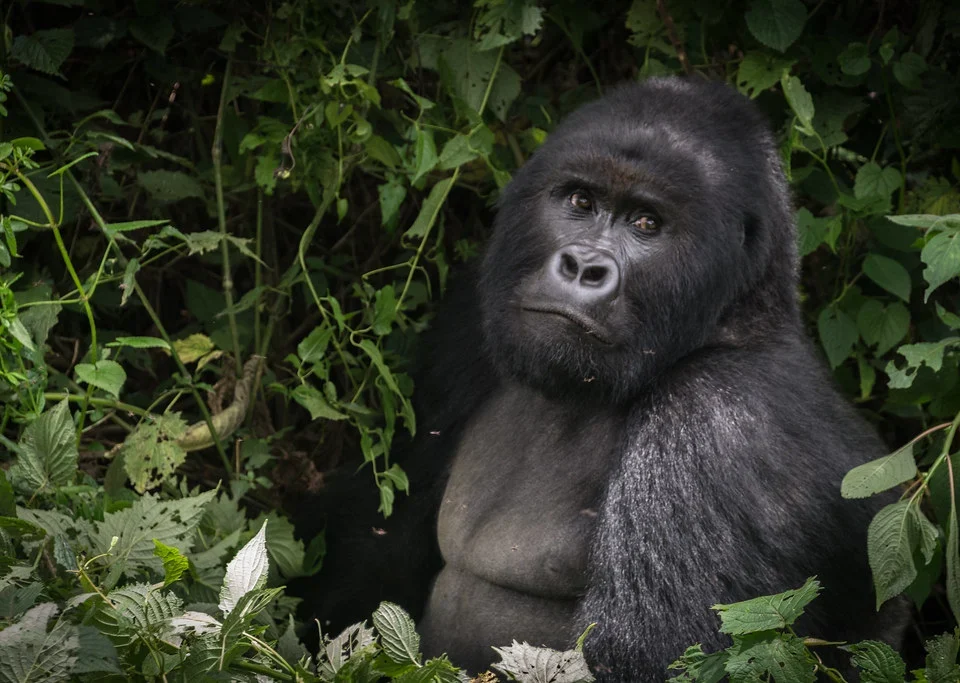
A gorilla trek isn’t a stroll through a manicured park. Depending on where the gorilla family has moved to that day, you could be hiking anywhere from two to seven hours through dense, tangled rainforest, on trails that shift from dry dirt to ankle-deep mud within a few hundred meters. Clothing choices here aren’t a matter of style; they directly affect your safety, your comfort, and honestly your enjoyment of the one hour you get with the gorillas at the end of it. Our detailed packing guide for gorilla trekking covers gear beyond clothing, but this article goes deep specifically on what to put on your body before you set out from your Kigali hotel or Bwindi lodge, right down to sock choices, glove materials, and the colors that genuinely make a difference in the forest.
Understanding Bwindi’s Climate Before You Pack
Bwindi sits at a relatively high altitude, between roughly 1,160 and 2,600 meters depending on the sector, which means mornings and evenings are cool even in the warmer months, while midday hiking under forest canopy can leave you sweating within minutes. It’s also a genuine rainforest, so showers are possible in any month, even during the two official dry seasons of June to September and December to February. This combination — cool mornings, warm exertion, and unpredictable rain — is exactly why layering, not a single “safari outfit,” is the right approach. If you’re weighing seasons against permit pricing before you pack, our Uganda safari cost guide and Pick and Transfer Safaris’ Bwindi destination overview both touch on how climate shifts by season and sector.
The Golden Rule: Layering for a Rainforest Trek
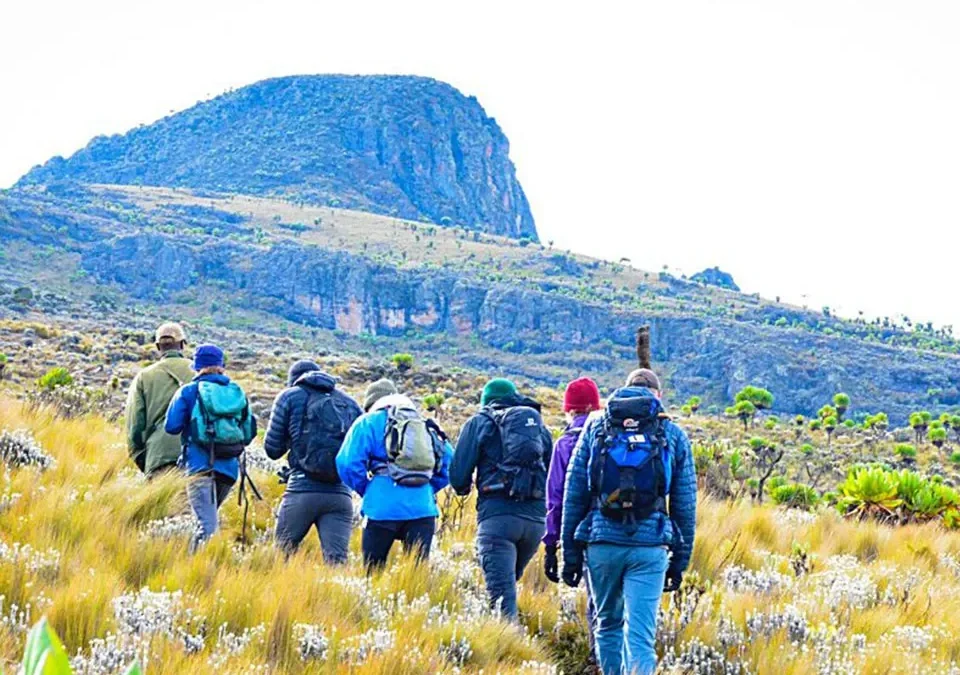
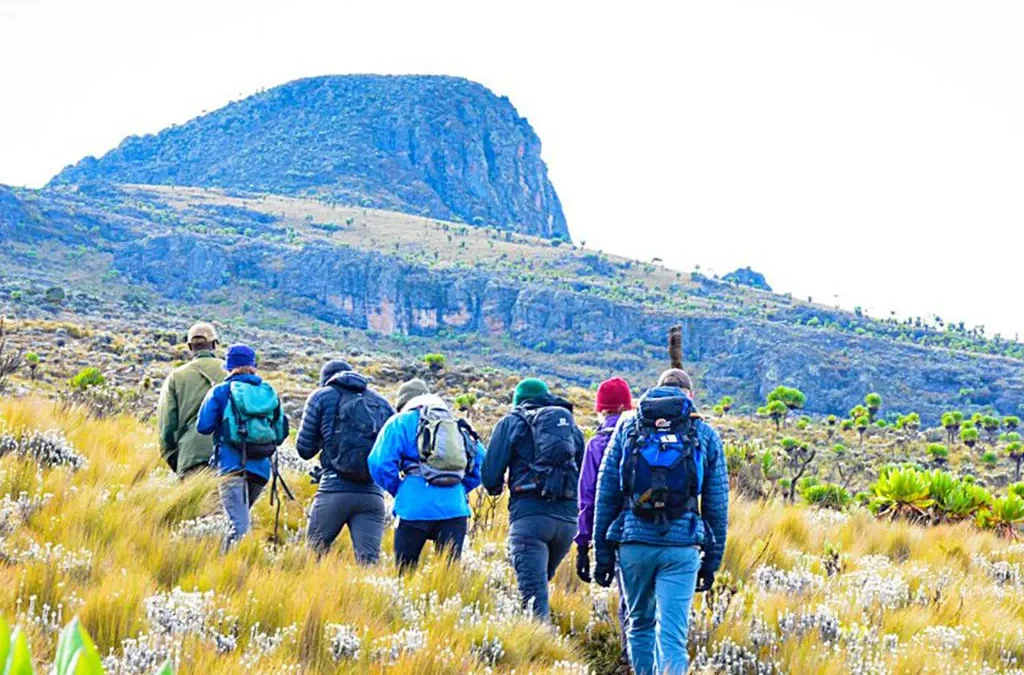
The single most useful packing principle for Bwindi is to dress in layers you can add and remove as the trek progresses. Start with a moisture-wicking base layer, add a light long-sleeved shirt for sun and thorn protection, and carry a packable insulating layer for the cool early-morning briefing at park headquarters. As you climb and the exertion builds, you’ll likely shed a layer or two; as you near the gorillas and stop moving, the cool forest air will have you reaching for them again. This approach works whether you’re trekking from Kigali via the Gatuna/Katuna or Cyanika border, a route we cover in detail in our guide on starting a trip from Rwanda to Uganda, since the driving distance itself gives you plenty of time to adjust layers before the actual hike begins.
Footwear: The Single Most Important Item
If you take away one piece of advice from this guide, make it this: invest in proper waterproof, ankle-high hiking boots with aggressive tread, and break them in for at least a few weeks before you fly. Bwindi’s trails are frequently muddy, root-tangled, and steep enough that ankle support genuinely matters, and a blister on day one of your trip can ruin the whole experience. Trail running shoes or sneakers simply don’t cut it here, no matter how comfortable they feel around town. Pair your boots with two pairs of socks — a thin liner sock plus a thicker hiking sock — to reduce friction and keep feet drier for longer. Our general Africa safari packing list covers footwear for savannah parks too, but for Bwindi specifically, waterproofing is non-negotiable.
Trousers and Base Layers: Why Long and Tucked-In Wins
Shorts might feel appealing given the exertion involved, but nearly every experienced Bwindi guide will tell you to wear long, sturdy trousers, ideally made of a quick-drying synthetic blend rather than heavy cotton, which stays wet and cold once soaked. Tuck your trousers into your socks or boots to keep safari ants and biting insects from finding their way up your legs, a small habit that saves you from a genuinely unpleasant surprise mid-hike. Convertible zip-off trousers are a popular choice because they let you switch to shorts back at the lodge without packing a second pair. Our full breakdown in what to pack for gorilla trekking in Uganda, Rwanda, and Congo goes into more detail on fabric choices that hold up best in this climate.
Rain Protection: Jackets, Ponchos, and Waterproofing
Because rain is possible in any month, a proper waterproof, breathable rain jacket belongs in every trekker’s bag, packed where it’s easy to reach rather than buried at the bottom. A lightweight poncho that can go over your daypack as well as your body is a smart backup, since it protects your camera gear and snacks along with you. Avoid heavy, non-breathable rain gear; you’ll be working hard on the ascent, and trapped sweat is nearly as uncomfortable as the rain itself. If your trip also includes time in Rwanda before or after the Uganda leg, Pick and Transfer Safaris’ Volcanoes National Park guide is useful, since similar rain-layer logic applies to trekking there too.
Gloves: Your Best Defense Against Thorns and Nettles
This is the item first-time trekkers most often forget, and the one returning trekkers never skip again. Bwindi’s forest floor is full of stinging nettles and thorny vines that you’ll frequently need to grab for balance on steep sections, and a simple pair of sturdy gardening gloves makes an enormous difference. Leather or reinforced-palm gloves work best; thin cotton gloves tend to soak through and offer little real protection. Pack a spare pair if you can, since a wet glove on a multi-hour trek is not much better than no glove at all.
Gaiters: The Small Item Experienced Trekkers Never Skip
Gaiters — the fabric sleeves that wrap around your lower leg and the top of your boot — are a genuinely underrated addition to a Bwindi packing list. They keep mud, water, and safari ants out of your boots far more effectively than tucked-in trousers alone, and they’re light enough that there’s no real reason to leave them at home. If you don’t already own a pair, they’re inexpensive and widely available from outdoor retailers before you fly, or through local gear rental options once you’re in Uganda, which we cover further down in this guide. Many trekkers pick up a pair after their first muddy encounter with an unprotected boot top and simply wish they’d packed them from the start.
What Color to Wear (and What to Avoid)
Color choice matters more than most travelers expect. Stick to neutral, earthy tones — khaki, olive, brown, and muted green — which blend into the forest and don’t disturb wildlife the way bright colors or stark white can. Just as importantly, avoid dark blue and black clothing in this part of Africa, since both colors are known to attract tsetse flies, whose bite is genuinely unpleasant. Our detailed guide on which colors of clothing are recommended for an African safari covers this topic in far more depth and applies just as much to gorilla trekking as it does to game drives elsewhere on your itinerary.
Headwear and Sun Protection
A wide-brimmed hat or a peaked cap protects you both from sun in open clearings and from light rain under a hood-friendly jacket. Pair it with a bandana or buff, which doubles as sun protection for your neck and a quick way to wipe sweat or mist off your face without stopping. Sunglasses are worth carrying too, though you’ll likely stow them once you’re deep under the forest canopy where the light drops significantly. Don’t forget sunscreen and a reliable insect repellent applied before you set out, since exposed skin at the wrists and neck is an easy target for biting insects on the trail. A small travel-size reapplication bottle in your daypack is worth the extra few grams, particularly on longer treks where the initial application will have worn off well before you reach the gorillas.
What to Wear at Your Lodge After the Trek
Once the trek is done, most Bwindi lodges have a genuinely lovely, relaxed dress code, so a change of comfortable, casual clothing is all you need for dinner and evenings by the fire. Many lodges provide laundry service, which means you don’t need to over-pack trekking outfits for a longer stay — one or two solid trekking sets, washed overnight, comfortably cover a multi-day itinerary. If your trip includes a stay at a higher-end property, our Uganda luxury safaris and gorilla tours collection and properties like Ichumbi Gorilla Lodge tend to have slightly more polished dining spaces worth packing one nicer outfit for, though nothing formal is ever expected.
How Your Itinerary Length Changes What You Pack
The shape of your itinerary has a real effect on your clothing list. A tight one-day round trip, like the kind covered in Pick and Transfer Safaris’ One Day Uganda Gorilla Safari from Kigali, means you’ll be wearing your full trekking outfit for a very long single day, so prioritize breathability and a spare dry shirt in your daypack for the drive back. A two-day version, similar to their 2-Day Uganda Gorilla Tour from Kigali, gives you an overnight to dry and air out gear before the hike, which is one more reason we generally recommend at least two days over a single exhausting round trip. Longer itineraries, such as Pick and Transfer Safaris’ 3-Day Uganda Gorilla Safari from Rwanda, add flexibility for a wet-weather buffer day and mean you can pack one lighter trekking outfit knowing lodge laundry will have time to turn it around.
If your trip extends beyond Bwindi, your packing list should flex accordingly. A stop at Mgahinga Gorilla National Park uses the same forest-trekking wardrobe as Bwindi, but a savannah add-on like Pick and Transfer Safaris’ 3-Day Akagera National Park safari from Kigali calls for lighter, dust-resistant clothing rather than heavy rain layers, since Akagera’s open savannah is a very different environment from Bwindi’s dense forest. Couples adding a cultural stop, such as their 3-Day Rwanda Gorilla Tracking and Cultural Tour, should pack one smart-casual outfit for village visits, since trekking gear alone can feel a little out of place there. Planning which parks you’re combining before you pack saves you from either overpacking rain gear you won’t need or underpacking for a forest trek you didn’t plan for.
Packing for Both Kigali and Bwindi’s Climate
Because most Bwindi gorilla treks begin and end in Kigali, it’s worth packing with both climates in mind. Kigali sits at a lower, milder elevation and has a more urban, relaxed dress sense, so smart-casual clothing works well for your time in the city, restaurants, and genocide memorial visits. Once you cross into Uganda toward Bwindi, switch your mindset entirely to function over fashion. Our guide on how far Bwindi is from Kigali is useful for planning exactly when that climate and mindset shift needs to happen during your journey, and Pick and Transfer Safaris’ Kigali city guide offers a good sense of what to expect in the capital itself.
A Sample Packing Checklist for Your Gorilla Trek
To pull everything together, a solid Bwindi clothing checklist looks roughly like this: waterproof hiking boots, two to three pairs of hiking socks plus liner socks, two pairs of quick-drying long trousers, three moisture-wicking shirts (long-sleeved preferred), a fleece or light insulating layer, a waterproof rain jacket and packable poncho, gardening gloves, gaiters, a wide-brimmed hat or cap, a buff or bandana, sunglasses, and a comfortable change of casual clothes for evenings at the lodge. Our broader Africa safari packing list and gorilla photography checklist both complement this list nicely if your itinerary includes game drives or serious photography alongside the trek itself.
Renting or Buying Gear Locally
If you’re missing a specific item, don’t panic — you don’t need to own everything before you arrive. Many Bwindi park offices and lodges offer rain ponchos, walking sticks, and sometimes gaiters for rent on the morning of your trek, and porters can often source a spare glove or two if you ask ahead of time. Kampala and Kigali also have outdoor gear shops where you can pick up essentials before heading to the park, though selection and sizing are more limited than what you’d find at home, so it’s always safer to arrive with your core items already packed. If you’re flying into Kigali specifically, it’s worth doing any last-minute shopping there rather than waiting until you’re closer to the border, since outdoor retail options thin out quickly once you leave the capital, and the small towns along the route to Bwindi are not a reliable place to source specialist trekking gear on short notice. Our private transfer service can also arrange a quick stop for last-minute essentials en route if needed.
Common Clothing Mistakes First-Time Trekkers Make
The most common mistake is underestimating the mud and arriving in sneakers rather than proper boots. A close second is skipping gloves entirely, only to regret it the moment they need to grab a nettle-covered branch for balance. Cotton clothing is another frequent misstep, since it holds moisture and leaves trekkers cold and uncomfortable once soaked through with sweat or rain. Finally, many first-timers pack too much rather than too little, forgetting that most lodges offer laundry and that a lighter daypack makes the several-hour hike noticeably more enjoyable. Our what it’s like to trek gorillas in Uganda and Rwanda article walks through the full experience end to end, which helps set realistic expectations before you pack.
What to Wear for the Gorilla Habituation Experience
If you’ve booked the longer Gorilla Habituation Experience in the Rushaga sector, which can run up to four hours with a still-habituating family rather than the standard one hour, treat your clothing choices even more seriously. The extended time in the forest means more exposure to changing weather, so an extra base layer and a slightly larger water supply are worth the added weight. Full details on booking, permit pricing, and the group-size rules for both standard treks and the habituation experience are covered in our gorilla trekking rules and regulations guide.
Booking Your Trek with Kenlink Tours
Getting your clothing right is one piece of a much bigger planning puzzle that includes permits, transfers, and accommodation. Our team handles all of it, and we send every guest a tailored packing brief once their 2-Day Rwanda to Uganda Gorilla Trekking Safari or 5-Day Gorilla Trekking Safari from Kigali to Uganda is confirmed, so nothing is left to guesswork. Learn more on our about us page or get in touch through our contact page to start planning. For guests arranging transport purely on the Rwandan side, Pick and Transfer Safaris is a reliable local resource, and their about us page gives a good overview of their services.
Frequently Asked Questions
Can I wear shorts for gorilla trekking? It’s strongly discouraged. Long trousers protect against nettles, thorns, and biting insects that are common throughout Bwindi’s undergrowth.
Do I really need waterproof boots even in the dry season? Yes. Bwindi’s rainforest floor stays damp even in dry months, and a sudden shower is always possible regardless of season.
What color clothing should I avoid? Skip dark blue and black, which attract tsetse flies, and avoid bright colors or all-white outfits that stand out against the forest. See our safari clothing color guide for the full explanation.
Do I need different clothes for Kigali and Bwindi? Yes — pack smart-casual clothing for Kigali’s city life and dedicated trekking gear for Bwindi’s forest trails, since the climate and activity level differ significantly between the two.
Can I rent gear once I arrive? Some items like rain ponchos and walking sticks are often available to rent at the park, but core items like boots and gloves should be packed from home for the best fit and comfort.
How many trekking outfits do I actually need? Two full sets are usually enough for most itineraries, since most Bwindi lodges offer laundry service overnight and you’ll want at least one dry backup in case the first gets soaked through on trekking day.
Final Thoughts on Packing for Your Bwindi Gorilla Trek
Getting dressed right for a Bwindi gorilla trek from Kigali isn’t about looking the part — it’s about staying dry, comfortable, and focused on the forest around you rather than a blister or a nettle sting. Layer sensibly, invest in real waterproof boots, don’t skip the gloves, and choose earthy tones over dark blues and blacks, and you’ll be set for one of the most rewarding hikes on the continent. When you’re ready to turn this packing list into an actual itinerary, Kenlink Tours is here to handle the permits, transfers, and lodge bookings so all you need to worry about is what’s in your bag.