- EXPERT'S HELP
- +256789210067
- +256200955001
- info@kenlinktours.com


Short Gorilla Safaris in Uganda from Kigali Airport
September 3, 2026
Short mountain gorilla tours in Uganda
September 3, 2026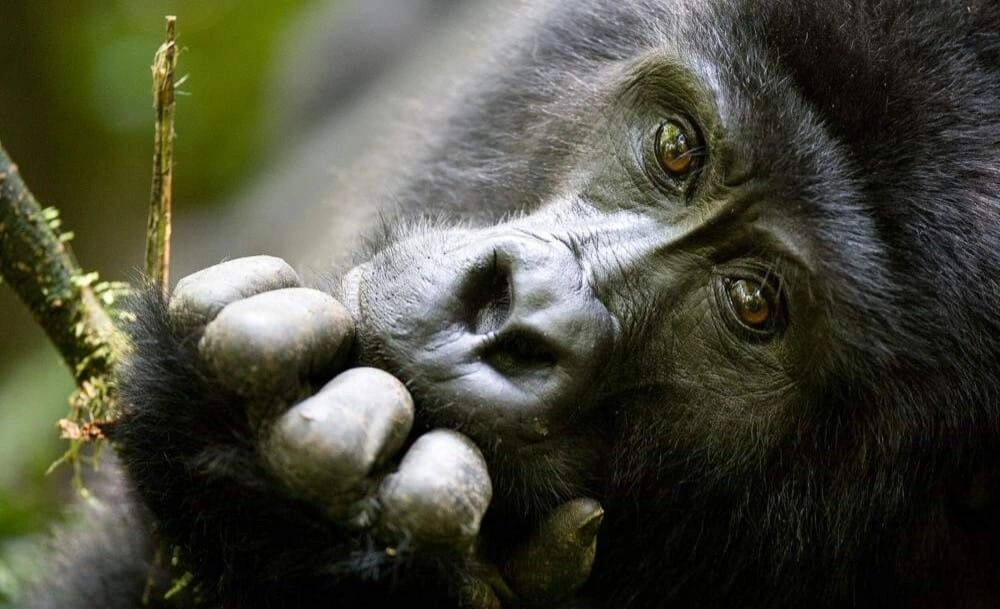
1 Day Gorilla Trek in Uganda to Bwindi Forest; Short Tours. “Can I really trek gorillas in a single day?” is one of the most common questions our team at Kenlink Tours fields from travellers squeezed for time in East Africa — a business trip with one free day, a stopover between other commitments, or simply someone who only discovered Bwindi Impenetrable National Park was within reach after they had already booked a short trip. The honest answer is: yes, a 1-day gorilla trek in Uganda to Bwindi Forest is genuinely possible, but it is the most demanding, least forgiving version of this experience, and it deserves a clear-eyed explanation before you commit to it.
This guide walks through exactly how a same-day Bwindi gorilla trek works, the two realistic routes to attempt it, what can go wrong, what it costs, and — just as importantly — who it actually suits and who would be far better served adding a second day. If, after reading this, a single day still feels too tight, our guides to 2-day and 3-day short tours cover the more comfortable alternatives.
We want to be upfront about something before you read any further: we run this itinerary because travellers genuinely ask for it, and because, done properly with an experienced operator, it does work. But it is not the version of gorilla trekking we would design from scratch if time were not a constraint, and this guide will tell you exactly why, rather than simply selling you on the idea.
Is a 1-Day Gorilla Trek to Bwindi Actually Possible?
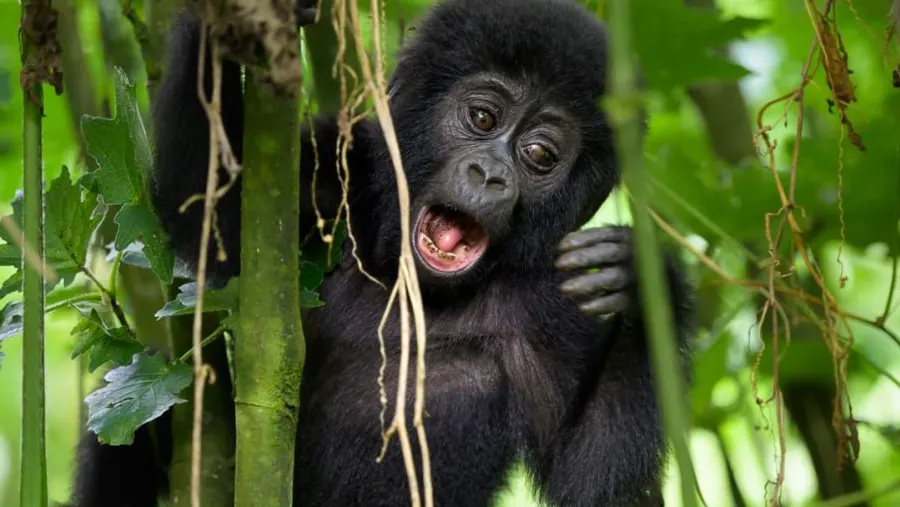
Yes, but only under specific conditions. Bwindi Impenetrable National Park, home to roughly half of the world’s remaining mountain gorilla population, sits in Uganda’s remote southwest, far from Entebbe International Airport and not directly reachable within a single day by road from Kampala. What makes a one-day trek possible at all is proximity from one of two specific points: either Kigali International Airport in neighbouring Rwanda, which is only four to five hours by road from the Bwindi border region, or a same-day domestic flight from Entebbe directly to an airstrip near the park. Outside of these two routes, a genuine single-calendar-day Bwindi trek is not realistically achievable. Our comparison article, Landing in Kigali or Entebbe for a Gorilla Safari, is worth reading first if you have not yet booked your international flights, since which airport you fly into effectively decides which of the two one-day routes below is even available to you.
Two Ways to Attempt a One-Day Bwindi Gorilla Trek
In practice, travellers attempting this trip choose one of two routes. The first is a road-based day trip from Kigali, crossing into Uganda by land, trekking, and returning to Kigali the same evening — this is the more commonly booked version, and our regional partners at Pick and Transfer Safaris’ One Day Uganda Gorilla Safari Starting from Kigali run essentially this exact itinerary. The second, less common but genuinely possible, route uses a scheduled domestic flight from Entebbe to Kihihi or Kisoro airstrip near Bwindi, operated by Uganda’s domestic carriers, followed by a short road transfer into the park. Both routes compress an enormous amount of travel and activity into a single day, and both carry real risk of delay.
Route One: Flying from Entebbe to Bwindi and Back Same Day
Uganda’s domestic airlines operate scheduled flights from Entebbe to airstrips at Kihihi and Kisoro, both within a manageable drive of Bwindi’s trekking sectors. A true same-day itinerary means taking the earliest available morning flight, transferring by road to park headquarters in time for the standard briefing, trekking, and then catching one of the later afternoon return flights back to Entebbe. This route removes the long overland drive entirely, but it depends completely on flight punctuality — a delayed morning flight can mean missing your trekking slot altogether, since park briefings run on a fixed schedule regardless of when your plane lands. It is also the more expensive of the two one-day options once domestic flight costs are added to the permit and transfer fees. On the plus side, it removes roughly eight hours of round-trip road travel entirely, which for some travellers is worth the extra cost purely for the reduction in physical fatigue, even before accounting for the border-crossing risk the road route carries.
Route Two: Driving from Kigali to Bwindi and Back Same Day
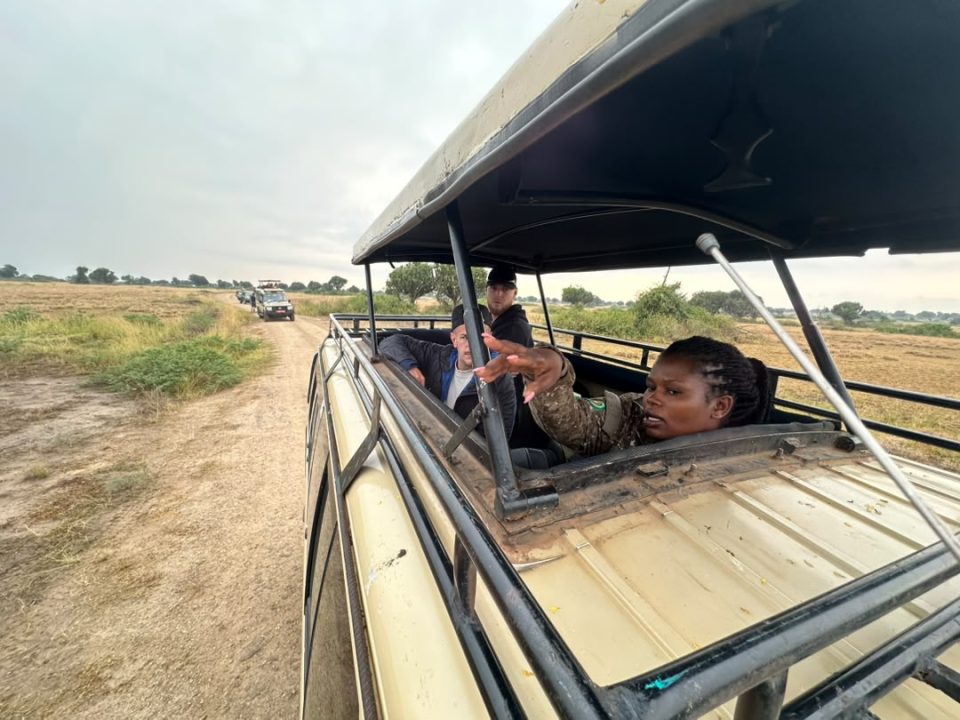
The road route from Kigali is the more commonly attempted version of a one-day trek, largely because Kigali’s international flight connectivity makes it a common entry point regardless, and because a road journey, while long, is generally more predictable than a domestic flight schedule. This means an extremely early departure from Kigali — typically before 4am — a border crossing at Cyanika or Katuna, a drive of four to five hours to reach park headquarters in time for the trek, the trek itself, and then the same drive and border crossing in reverse to reach Kigali again that evening. Our detailed comparison, Travel Time and Cost from Kigali vs. Kampala to Bwindi or Mgahinga, lays out the exact driving distances involved, and our Visa and Border Crossing Guide for Uganda and Rwanda covers what to expect at the crossing itself, which becomes especially important when you are working against the clock in both directions. Confirm your visa arrangements before this trip specifically, since a land border crossing under time pressure is a poor place to discover a paperwork issue that an airport arrival might have caught and resolved with more time to spare.
Hour-by-Hour: What a 1-Day Gorilla Trek Actually Looks Like
A typical Kigali-based one-day itinerary runs roughly as follows: departure from your Kigali hotel between 3:30am and 4:30am, arrival at the border around 7am, crossing formalities, arrival at Bwindi park headquarters by roughly 9am to 10am (later than the standard 7:30am briefing, which means your operator will have arranged a later start with park rangers), a trek that can run anywhere from thirty minutes to several hours depending on where the assigned gorilla family is that day, one strictly timed hour with the gorillas, a quick lunch, the return drive and border crossing, and arrival back in Kigali somewhere between 8pm and 10pm depending on how the day has gone. Our article on What It’s Like to Trek Gorillas in Uganda and Rwanda describes the trekking portion itself in more sensory detail, which is worth reading so you know what to expect from the one part of the day that genuinely cannot be rushed. Our guide to Gorilla Trekking Rules and Regulations in Uganda is also worth reviewing before you go, since the same seven-metre distance rule, one-hour time limit, and health restrictions apply on a one-day itinerary exactly as they do on any longer trip — the compressed schedule around the trek changes nothing about what happens once you are actually standing in front of the gorillas.
Why Buhoma Is the Best Bwindi Sector for a One-Day Trek
Bwindi Impenetrable National Park is split into four main trekking sectors — Buhoma, Ruhija, Rushaga and Nkuringo — and sector choice matters enormously for a one-day itinerary. Buhoma, in the park’s north, is generally considered the most accessible sector, with gentler average trail gradients and a shorter approach from the northern park boundary, which is exactly why most one-day itineraries are built around it rather than the steeper southern sectors. Our dedicated guide, Buhoma Sector in Bwindi National Park, covers what makes this sector distinct, and our companion article, Which Part of Bwindi Is Easy for Gorilla Trekking?, compares trail difficulty across all four sectors in more depth — essential reading if a demanding same-day itinerary is already stacking enough physical and logistical pressure onto your day. Ruhija, Rushaga and Nkuringo, by contrast, tend to involve steeper approach hikes and sit further from the northern border crossings, which is why we generally steer one-day itineraries toward Buhoma specifically rather than leaving sector choice open. Travellers who later return for a second, more relaxed trip often choose one of the southern sectors precisely because they offer a different, less-visited side of the forest once time pressure is no longer a factor.
Considering Mgahinga Instead of Bwindi for a One-Day Trip
Bwindi is not the only Ugandan park where a one-day trek is attempted. Mgahinga Gorilla National Park sits directly on the Rwanda border, making it geographically closer to Kigali than any Bwindi sector, which shaves meaningful time off the road route described above. The trade-off is availability: Mgahinga has historically had far fewer habituated gorilla families than Bwindi, which means less flexibility if your first-choice date is unavailable. Our own Mgahinga Gorilla National Park guide and Pick and Transfer Safaris’ Mgahinga destination page both cover this smaller park in more detail. For most one-day itineraries we still default to Bwindi given its far greater number of trekking permits issued daily, reserving Mgahinga for travellers specifically drawn to its golden monkey tracking and volcano scenery alongside the gorilla trek itself.
The Honest Risks of Trying to Trek Gorillas in a Single Day
We would be doing you a disservice if we did not spell these out plainly. A border crossing delay, unusually heavy traffic, a gorilla family that has moved deep into the forest that morning, or a domestic flight delay can each independently derail a one-day itinerary in a way that simply is not recoverable within the time available. Unlike a two or three-day trip, there is no buffer day to fall back on if something goes wrong — a missed trekking slot on a one-day itinerary generally means a missed trek altogether, with the USD 800 permit fee lost. Fatigue is the other real factor: travellers regularly underestimate how draining fourteen to eighteen hours of driving, border formalities and forest hiking within one calendar day actually is, particularly if it follows an international flight with little sleep the night before. It is also worth remembering that Uganda’s gorilla permit policy offers only very limited refund provisions, generally restricted to cases where park rangers themselves cannot locate a habituated family — a missed slot caused by your own delayed arrival is not covered, which is precisely why the itinerary’s time pressure translates directly into financial risk, not just inconvenience.
Who a 1-Day Gorilla Trek Actually Suits
This itinerary makes genuine sense for a specific traveller: someone already based in Kigali for work with exactly one free day and no realistic way to extend their trip, or a very time-constrained stopover traveller who has decided that any chance at seeing mountain gorillas is worth the demanding logistics involved. It is a poor fit for first-time trekkers hoping for a relaxed, contemplative experience, for anyone travelling with young children or older relatives, or for anyone whose return flight the same evening leaves no room for delay. Our guide to Choosing the Best Uganda Safari can help you honestly assess which category you fall into before booking.
Gorilla Permit Costs for a One-Day Trek
The permit cost itself does not change based on how many days your trip runs — a standard Uganda gorilla trekking permit costs USD 800 per person for foreign non-residents as of 2026, whether you are trekking on a one-day itinerary or a two-week safari. What does change is the margin for error: because permits are non-refundable if you simply fail to arrive on time, a one-day itinerary puts that entire fee at risk to a single point of failure — the border crossing or flight connection — in a way a longer trip does not. Reach out through our Contact Us page as early as possible to confirm permit availability for your specific date before committing to flights. Note also that this fixed permit price is entirely separate from Uganda’s own vehicle and park entrance fees, which your operator should itemise clearly rather than folding into a single vague “package price” — transparency here matters more on a one-day trip, where you want full clarity on exactly what you are paying for before the day itself leaves you no time to query anything.
What a 1-Day Trek Costs All-In
Beyond the USD 800 permit, a one-day Kigali-based itinerary typically costs an additional USD 250–450 per person for the private 4×4 vehicle, driver-guide, park entrance fees and lunch, bringing the realistic all-in total to roughly USD 1,050–1,250 per person. The Entebbe fly-in route generally costs more once domestic return flights are added, often pushing the total to USD 1,400–1,700 per person. Group travel reduces the vehicle-hire portion of this cost meaningfully, though it does not change the permit fee itself. For an accurate, date-specific quote, contact us directly through Contact Us.
What to Pack for a One-Day Bwindi Gorilla Trek
Pack everything as hand luggage — there is no time in this itinerary to deal with checked bags or delayed luggage. Bring waterproof hiking boots already broken in, a lightweight rain jacket, gardening gloves, long trousers and sleeves in neutral colours, a hat, sunscreen and insect repellent, plus your passport, visa confirmation and yellow fever certificate in an easily accessible pocket rather than buried in a bag, given the two border crossings you will complete in a single day. A change of clothes for the drive home is worth packing separately, since forest mud is genuinely unavoidable on a Bwindi trek. Confirm your yellow fever vaccination and any recommended antimalarial course are sorted well before you fly, ideally following the checklist in our What Vaccinations Do I Need to Go to Uganda? guide, since there is no spare time on a one-day itinerary to deal with a health-related surprise at the border.
Fitness and Physical Demands of a Same-Day Trek
The trek itself demands the same everyday fitness as any Bwindi gorilla trek, but a one-day itinerary adds something the trek alone does not: total time on your feet or in a vehicle can exceed sixteen hours, sandwiching a genuinely strenuous hike between two long drives with minimal rest. Travellers with any pre-existing fatigue, jet lag, or physical limitations should think carefully before choosing this option over a two-day alternative, since the forest hike is demanding enough on its own without the compounding exhaustion of a marathon travel day either side of it. Hiring a porter at the trailhead is worth doing regardless, both for the practical help and because their fee supports local livelihoods around the park.
Why We Usually Recommend Adding a Second Day
Given everything above, our honest recommendation for most travellers is to add a single extra day if at all possible. An overnight stay near the park before your trek removes the border-crossing time pressure entirely, lets you start the trek rested rather than after an overnight drive, and gives you a buffer if the border crossing or trek itself runs longer than planned. Our 2-Day Uganda Gorilla Safari Starting from Kigali achieves almost everything a one-day trip does, at only marginally higher cost, with a dramatically lower risk of the entire trip falling apart over a single delay. It is directly comparable to Pick and Transfer Safaris’ 2 Days Uganda Gorilla Tour Starting from Kigali, which follows the same logic.
Where You’d Stay If You Add That Second Night
If our recommendation above persuades you to add a night rather than push through a single exhausting day, Buhoma has a solid range of accommodation right at the park boundary, from simple budget guesthouses to comfortable mid-range lodges such as Mountain Gorilla View Lodge, which sits close enough to park headquarters that your morning briefing is a short drive rather than another early start. Staying inside or beside the park removes one more layer of time pressure from the itinerary, since you are no longer racing a border crossing to reach the 7:30am briefing on trek day itself.
Comparing the 1-Day Trek to 2-Day and 3-Day Short Tours
Laid side by side, the trade-offs become clear. A one-day trek saves exactly one night of accommodation cost and lets you avoid an extra day away from other commitments, at the cost of a genuinely exhausting travel day and essentially zero margin for error. A two-day trip, such as our 2-Day Uganda Gorilla Safari, adds one relaxed overnight and removes almost all of that risk. A three-day trip, such as our 3-Day Bwindi Gorilla Safari Starting from Kigali or 3-Day Uganda Gorillas Safari, adds enough time for a proper rest day or a cultural activity on top of that. Pick and Transfer Safaris’ 3-Day Uganda Gorilla Safari from Rwanda and their Bwindi Impenetrable Forest National Park destination page are both useful further reading if you are weighing this trade-off yourself.
If You Decide You Actually Have More Time After All
It is common for travellers who start out planning a one-day trek to realise, once they see the full picture above, that a few extra days would genuinely transform the experience rather than merely pad it out. If that describes you, it is worth browsing more than just the two and three-day options: our Uganda Luxury Safaris and Gorilla Tours page shows what a more comfortable, unhurried version of this trip can look like, and the wider Extended Safaris and Wildlife Safaris collections at Pick and Transfer Safaris are useful for benchmarking just how much more a longer, multi-park itinerary can include for a proportionally modest increase in total cost once the fixed permit fee is already accounted for.
Best Time of Year to Attempt a One-Day Trek
If you are set on attempting a single-day trek, timing matters more than usual. The June–September and December–February dry seasons offer firmer trails and more predictable border and road conditions, both of which matter enormously when your entire itinerary depends on hitting a series of tight connections. Our detailed breakdown, What Is the Best Time to See Gorillas in Uganda and Rwanda?, is worth reading before you lock in a one-day attempt during the wetter months, when a muddy, slow border road adds real risk to an already tightly scheduled day.
How to Book a 1-Day Gorilla Trek to Bwindi
Because of how little room for error this itinerary carries, book through an operator with genuine experience running same-day Bwindi trips, not simply a standard multi-day safari company adding a rushed itinerary as an afterthought. Confirm your permit is secured for a specific, named gorilla family or sector, that your driver-guide has run this exact route before, and that your operator has a clear contingency plan — including how they will support you and what, if anything, is refundable — if the border crossing or trek overruns. Ask directly what happens to your money if the day genuinely falls apart through no fault of your own; a reputable operator will have a clear, honest answer rather than a vague reassurance. Reach out through our Contact Us page with your available date, and our team will tell you honestly whether a one-day itinerary is realistic for that specific date or whether we would recommend building in a second day instead. If your vehicle hire is arranged separately rather than as part of a package, our Car Hire page outlines the 4×4 options suited to this route. It is also worth reading more about our approach on our About Us page and comparing it against other established regional operators such as Pick and Transfer Safaris, their wider Gorilla Safaris collection, and their Kigali City orientation page, before you commit.
Frequently Asked Questions
Can I really trek gorillas and be back in Kigali the same night? Yes, this is done regularly, though it requires a pre-dawn departure and typically means arriving back in Kigali quite late in the evening.
What happens if I miss my trekking slot because of a delay? Park rangers run a fixed daily briefing schedule, and arriving significantly late can mean forfeiting that day’s permit entirely, which is the single biggest financial risk of a one-day itinerary.
Is the one-day option cheaper than a two-day trip? Only marginally, once you account for the permit fee, which is identical either way — the main saving is a single night’s accommodation, which is often a small fraction of the total trip cost.
Can I fly into Bwindi from Entebbe and trek the same day? Yes, using a very early scheduled domestic flight to Kihihi or Kisoro airstrip, though this route is generally more expensive than the Kigali road option and equally dependent on things running exactly to schedule.
Would you personally recommend a one-day gorilla trek? Only if a second day is genuinely impossible. For almost everyone else, a two-day itinerary delivers the same trek with a dramatically lower risk of losing the entire trip, and your permit fee, to a single delay.
Which Bwindi sector is used for one-day treks? Almost always Buhoma, thanks to its gentler trails and shorter approach from the northern park boundary, which gives a time-pressured itinerary the best realistic chance of running to schedule.
Do I need travel insurance for a one-day trek? Yes, and arguably more so than for a longer trip — insurance covering trip delay, missed connections and medical evacuation is strongly recommended given how little slack this itinerary has for anything going wrong.
Choosing 1 Day Gorilla Trek in Uganda to Bwindi Forest; Short Tours
A 1-day gorilla trek to Bwindi Forest is one of the more remarkable feats of compressed travel logistics available anywhere in East Africa, and for the right traveller, in the right circumstances, it genuinely works. But it is not the relaxed, once-in-a-lifetime experience most people imagine when they picture meeting a wild gorilla family — it is a long, demanding, tightly scheduled day that leaves very little room for anything to go wrong. Before you commit, be honest with yourself about how much travel fatigue you can absorb and how much risk you are willing to take with a non-refundable permit fee. Whichever way you decide, get in touch through our Contact Us page and our team will help you plan it properly, or browse our full range of Uganda safari packages to see how the one-day option compares with a more comfortable short tour.
Bwindi Forest will still be there whether you see it in one exhausting day or a more relaxed two or three — the gorillas themselves do not know or care how tight your itinerary was to reach them. What matters is arriving at that one hour in the forest able to actually take it in, rather than counting down the minutes until your next connection.