- EXPERT'S HELP
- +256789210067
- +256200955001
- info@kenlinktours.com


7-day Uganda gorilla and wildlife safari itinerary
May 24, 2026
Climbing the Virunga volcanoes: Mount Bisoke hike guide
May 24, 2026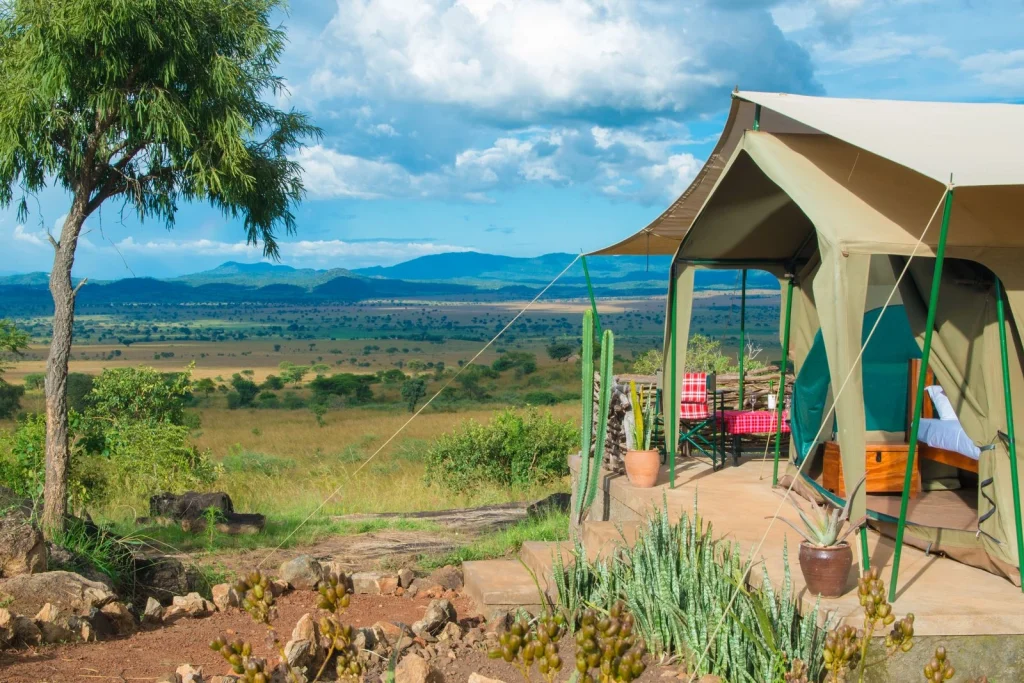
Tented camps vs lodges in Uganda: what’s the experience like? Uganda is one of Africa’s most extraordinary safari destinations — a land where ancient rainforests brush up against open savannahs, and mountain gorillas share the hills with tree-climbing lions. But once you’ve decided to explore the Pearl of Africa, one question tends to stump most travelers: should you stay in a tented camp or a lodge? Both offer fantastic access to Uganda’s wild spaces, but the experience they deliver is strikingly different. This guide breaks it all down so you can make the best choice for your trip.
Understanding Uganda’s Safari Accommodation Landscape
Uganda’s national parks and wildlife reserves are served by a wide range of accommodation options, from ultra-luxury tented camps perched above river valleys to solid brick-and-mortar lodges with sweeping views of the Rift Valley. Before diving into the comparison, it helps to understand what each type actually means in the Ugandan context.
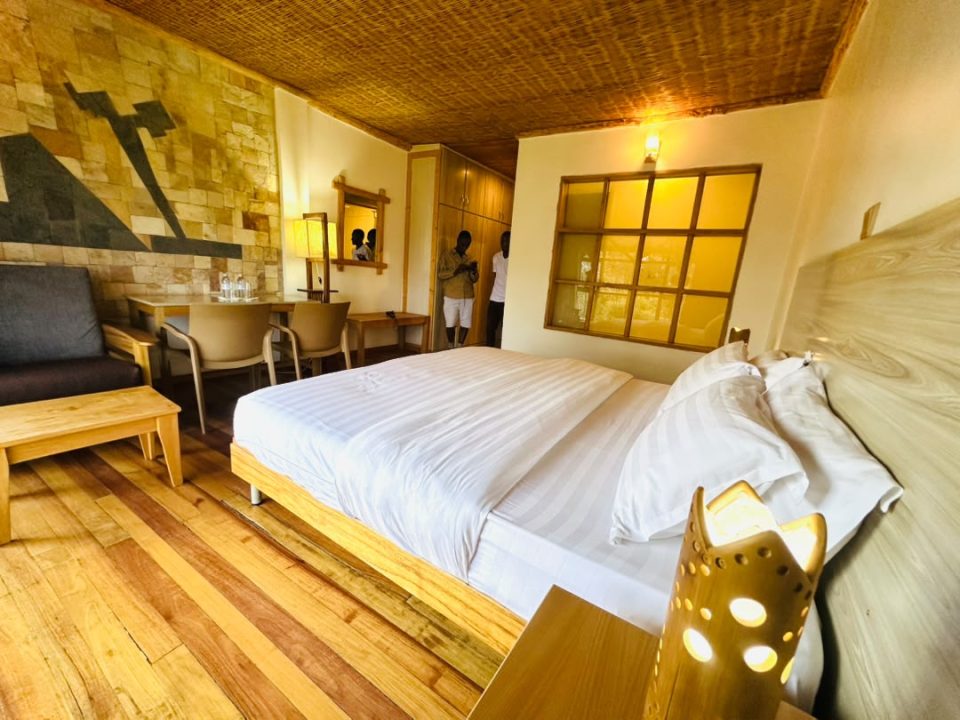
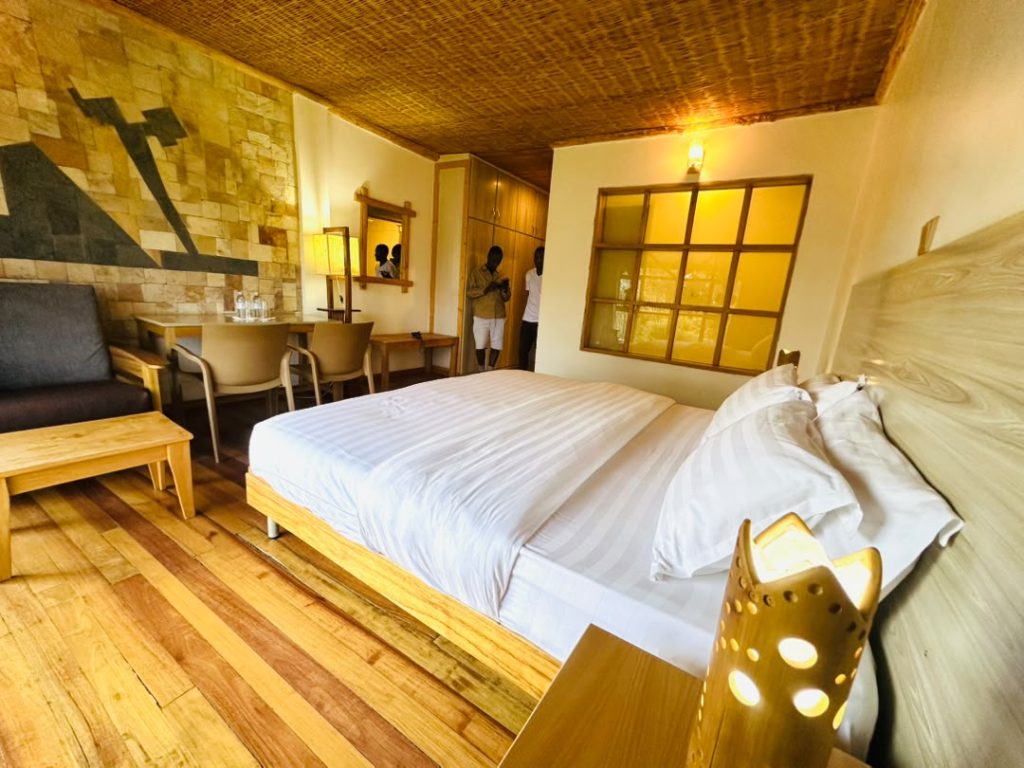
A tented camp typically consists of canvas-walled structures — often raised on wooden platforms — that are either permanent or semi-permanent. Many are luxuriously appointed with en-suite bathrooms, real beds, and private verandas, a world away from what the word “tent” might conjure. A lodge, on the other hand, is a fixed structure built with more permanent materials, offering rooms or cottages with all standard hotel amenities, often blending traditional architecture with natural surroundings.
Both are found across Uganda’s major safari circuits, from Bwindi Impenetrable National Park to Queen Elizabeth National Park and Murchison Falls National Park. Understanding how these two accommodation styles differ will help you plan the Uganda safari of your dreams with Kenlink Tours.
The Tented Camp Experience: Safari in Its Purest Form
There is something profoundly atmospheric about sleeping in a tented camp. The thin canvas walls are no barrier to the sounds of the bush — you fall asleep to the chorus of crickets, distant hippo grunts, or the rustle of leaves that might just be an elephant passing close by. This sensory immersion is, for many travelers, the defining appeal of tented camp accommodation.
In Uganda, premium tented camps typically sit in strategic locations that maximize wildlife proximity. For example, camps along the Kazinga Channel in Queen Elizabeth National Park or near the Nile in Murchison Falls offer front-row seats to some of Africa’s most dramatic natural theatre. Uganda Wildlife Authority regulates all accommodation within national parks to ensure ecological sensitivity, and tented camps — particularly permanent ones — often set the gold standard for low-impact tourism.
The setup at most quality Ugandan tented camps is far from roughing it. Expect king-sized beds draped in mosquito nets, hot bush showers, solar-powered lighting, and private decks from which you can watch wildlife without leaving your veranda. The dining area is usually a central open-air space that fosters a communal safari spirit, with campfires after dinner becoming natural gathering points where travelers exchange the day’s wildlife stories.
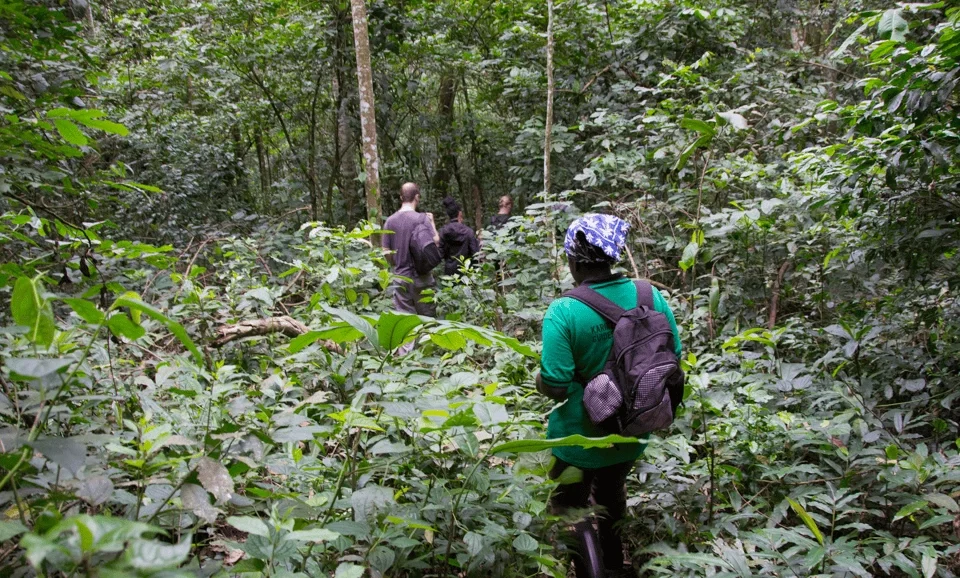
If you are planning gorilla trekking in Bwindi Impenetrable Forest, several intimate tented camps sit on the forest edge, putting you within touching distance of the jungle before your trek. Browse Kenlink Tours’ gorilla safari packages to find options that include forest-edge tented camp stays.
One important consideration: tented camps are often smaller by design, with fewer than twenty units in many cases. This exclusivity keeps guest numbers low, which translates to more personalized service, quieter environments, and a stronger sense of being genuinely immersed in the wild.
The Lodge Experience: Comfort, Views, and a Sense of Place
If tented camps speak the language of adventure, lodges speak the language of comfort and permanence. Uganda’s lodges range from mid-range community guesthouses to high-end boutique properties with infinity pools, spa treatments, and gourmet cuisine. What they share is a solidity — a sense that you have a real room, real walls, and all the trappings of a well-appointed hotel.
Lodges in Uganda are especially popular with families, older travelers, and anyone who prefers a guaranteed buffer from the elements. In a country where equatorial rains can arrive without warning, there is genuine comfort in knowing your accommodation is weatherproof and climate-resilient. Many lodges are also constructed with architectural flair that celebrates the local landscape — stone walls that echo the volcanic geology of the Virunga region, for instance, or thatched roofing inspired by traditional Ugandan architecture.
Queen Elizabeth National Park is home to some of Uganda’s most celebrated lodges, positioned along the Rift Valley escarpment with panoramic views that stretch across the crater lakes and savannah below. Booking one of Kenlink Tours’ 3 Days Queen Elizabeth National Park packages gives you access to these spectacular vantage points as part of a well-crafted itinerary.
Lodges also tend to offer a broader range of on-site facilities. Swimming pools, curio shops, conference rooms, multiple dining options, and even cultural performance spaces are common at larger properties. For travelers who want a bit more structure to the non-safari hours of their day, a lodge provides the infrastructure to stay comfortable and entertained.
That said, lodges do not necessarily feel disconnected from nature. The best ones are built to frame their natural surroundings — large picture windows look out over watering holes, decks are positioned to catch sunrise over the Rwenzori Mountains, and guided nature walks begin at the front door. Uganda Tourism Board actively promotes eco-certified lodges that meet sustainable tourism standards, so responsible choices are very much available.
Cost Comparison: Which Is More Affordable?
One of the most common questions travelers ask is whether tented camps or lodges are more budget-friendly. The honest answer is: it depends. At the luxury end, premium tented camps can cost as much as or more than top-tier lodges, because their small capacity and remote positioning command a premium. At the mid-range level, lodges tend to offer more value for money simply because their infrastructure costs are spread across more rooms.
Budget tented camps — often referred to as “fly camps” or unfenced camping options — do exist for travelers who want the rawest possible experience at the lowest price point. However, these are quite different from the glamping-style permanent tented camps discussed above.
If you are looking to optimize your budget without sacrificing quality, Kenlink Tours’ Uganda Safaris page lists carefully curated packages at various price points, with accommodation options explained for each itinerary.
Proximity to Wildlife: Does Your Accommodation Type Matter?
In Uganda, both tented camps and lodges can place you extremely close to wildlife, but tented camps tend to win on raw proximity. Because tented camps are frequently unfenced and located in more secluded parts of the park or park buffer zones, animal encounters — including unexpected ones on the path to your tent — are part of the experience. This is thrilling but also requires a respectful awareness of your surroundings at all times.
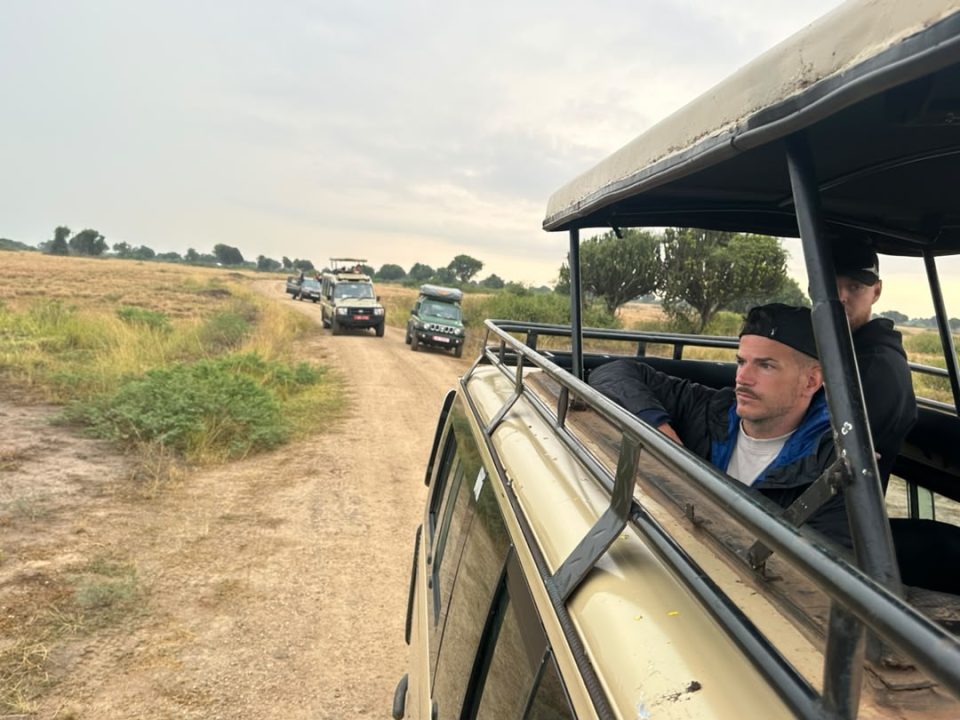
Lodges, especially those within or adjacent to national parks, can also offer remarkable wildlife encounters. Game drives depart from lodge car parks before dawn, and some lodges have resident herds of buffalo, warthog, or impala that treat the property grounds as their personal territory.
For primate-focused safaris — which are Uganda’s biggest draw, thanks to gorilla trekking in Bwindi and chimpanzee tracking in Kibale — the type of accommodation matters less than its location. Being ten minutes from the park gate versus forty-five minutes away has a far greater impact on your experience than whether you sleep in canvas or concrete. Our 7-Day Wildlife and Primate Safari is designed with optimal proximity to both gorilla and chimpanzee habitats, regardless of accommodation style.
Which Should You Choose for Your Uganda Safari?
The right choice comes down to the kind of traveler you are and the experience you want to take home. Choose a tented camp if you crave immersion, exclusivity, and the romance of falling asleep to bush sounds with wildlife just beyond the canvas. Choose a lodge if you value solid comfort, a wider range of facilities, and a more structured stay.
Many experienced safari-goers combine both — spending their first nights in a lodge to decompress after travel, then switching to a tented camp for the final leg of the safari when they are ready to go fully wild. This blended approach works beautifully across Uganda’s diverse parks and is something the team at Kenlink Tours can tailor precisely to your preferences.
Uganda, as described on our destination guide, is a country that rewards those who come prepared and open-minded. Whether you choose a tent or a lodge, the lions, gorillas, chimpanzees, and shoebill storks will be just as magnificent. What changes is the frame around the painting — and that frame is entirely yours to choose.
Ready to start planning? Contact our team today and let our experts match you with the perfect Uganda safari accommodation for your travel style and budget.