- EXPERT'S HELP
- +256789210067
- +256200955001
- info@kenlinktours.com

Short Safaris to Murchison Falls
September 7, 2026
Best Big Five Destinations in Uganda
September 10, 2026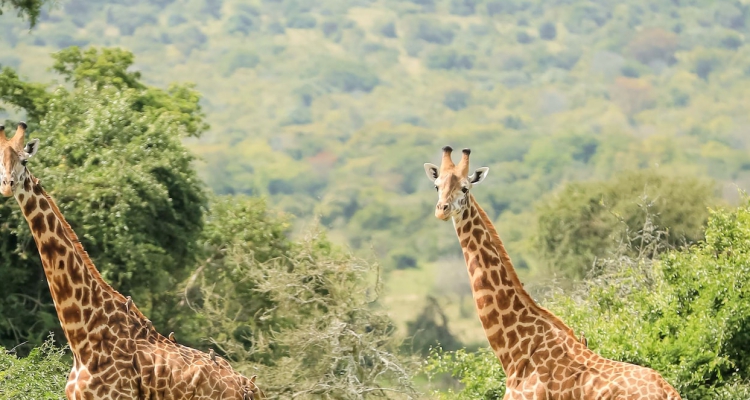
Two days Uganda Safari. Not everyone has a week to spare, and a two days Uganda safari is proof that you don’t need one to get a genuine taste of East African wildlife. In just 48 hours you can watch lions rest in open grassland, cruise past hippos and crocodiles on the Nile or Lake Mburo, and still be back at your hotel in time for a proper night’s sleep before your flight home. At Kenlink Tours, short safaris like this are some of the most popular trips we arrange, especially for business travelers, weekend visitors from Kigali or Nairobi, and anyone bolting a safari onto a longer trip elsewhere in East Africa.
This guide walks through exactly what’s realistic in two days, which parks work best for a short trip, what a typical itinerary looks like, and what it costs — so you can decide quickly and book with confidence rather than second-guessing whether two days is even worth it. Whether you’ve got a free weekend during a longer East Africa trip or simply can’t spare more than a couple of days away from work, there’s a genuinely good version of this trip waiting for you.
Is Two Days Enough for a Uganda Safari?
Yes, with the right park chosen. Uganda’s advantage over destinations like Kenya’s Maasai Mara or Tanzania’s Serengeti is that several excellent parks sit within a three-to-five-hour drive of Kampala or Entebbe, meaning a two-day trip can deliver a full afternoon and a full morning of genuine game viewing rather than losing both days to travel. The trade-off is that two days is enough for one park and one or two headline activities — a boat cruise plus a game drive, for example — rather than the deeper, multi-park circuit a longer trip allows.
Our own Uganda safari experiences page breaks down the full range of trip lengths we arrange, and if you’re still weighing whether two days is really enough for your goals, our post on how many days you need to visit Uganda and Rwanda is a useful next read before you commit to a date.
Best Uganda National Parks for a 2-Day Safari
Not every Ugandan park suits a two-day format — some are simply too far from Kampala to leave meaningful time for wildlife once travel is accounted for. Three parks stand out as genuinely workable: Murchison Falls National Park, Lake Mburo National Park, and, with a tighter schedule, Queen Elizabeth National Park. Each offers a different flavor of short safari, covered in detail below, and our overview of Uganda’s national parks is worth a look if you want the fuller picture of how these three compare to the country’s other seven parks. Pick and Transfer Safaris’ full Uganda and Rwanda destinations list is another useful reference if you’re weighing a short trip against a longer, multi-park itinerary.
What Wildlife Can You Realistically See in Two Days?
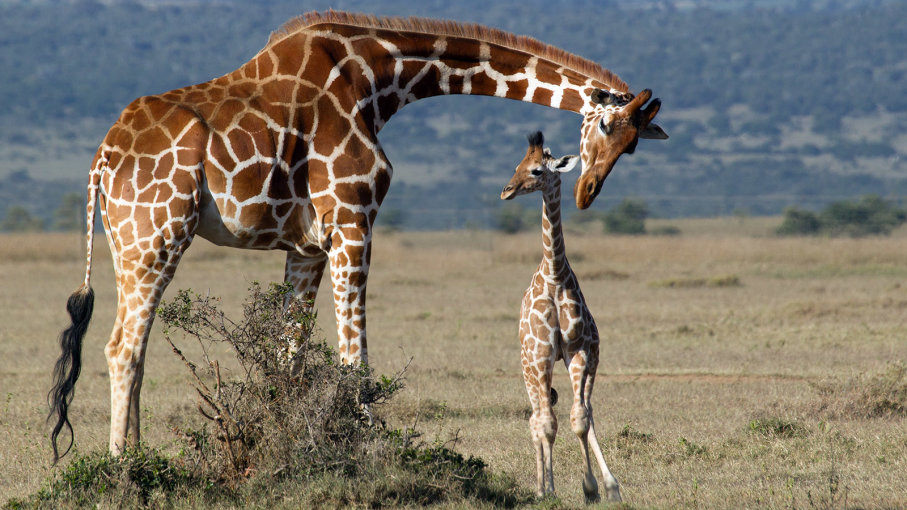
Expectations matter on a short trip, and setting them correctly makes the difference between a satisfying safari and a disappointing one. In two days at Murchison Falls or Queen Elizabeth, you’ll very likely see elephants, buffalo, hippos, Nile crocodiles, and a wide range of antelope, with a genuine but not guaranteed chance at lions. Leopards remain elusive at any park on any timeframe, short or long, so treat a sighting as a bonus rather than an expectation.
At Lake Mburo, expect zebra, impala, eland, and buffalo in strong numbers, though not elephants or a reliable lion population, which is precisely what makes its walking and horseback safaris possible. For a fuller sense of which parks specialize in which species across the whole country, Pick and Transfer Safaris’ guide to where to see the Big Five in Uganda is a genuinely useful companion read alongside our own guide to the top wild animals to see on a Uganda wildlife safari. Birdlife rounds out the picture at every park mentioned here, with fish eagles, herons, and kingfishers a near-guarantee on any boat cruise, whether on the Nile or Lake Mburo itself.
2-Day Safari Option 1: Murchison Falls National Park
Murchison Falls is Uganda’s most popular short-safari destination, and for good reason: a single trip covers a dramatic Nile boat cruise to the base of the falls, a savannah game drive for lions, elephants, and giraffes, and often a hike to the top of the falls itself, all within one overnight stay. It’s roughly four to five hours from Kampala, making it comfortably reachable in a single morning.
For the full breakdown of how this trip typically unfolds day by day, our friends at Pick and Transfer Safaris have published a detailed two days tour to Murchison Falls National Park guide that’s worth reading alongside this one, and their broader Murchison Falls National Park destination page covers the park’s terrain and wildlife zones in more depth.
2-Day Safari Option 2: Lake Mburo National Park
Lake Mburo is Uganda’s closest savannah park to Kampala, reachable in under four hours, and it offers something none of the country’s other parks can: horseback safaris and guided walking safaris, made possible by the park’s historically low predator density. Add a peaceful boat cruise past hippos and a wetland system supporting over 350 bird species, and it’s arguably the single most efficient short safari in the country.
Pick and Transfer Safaris’ two days tour to Lake Mburo National Park guide covers the full itinerary in detail, and it’s a park we regularly recommend to families and first-time visitors specifically because of how forgiving its short travel time and gentle activities are.
2-Day Safari Option 3: Queen Elizabeth National Park (Tight But Possible)
Queen Elizabeth National Park is further from Kampala — typically five to six hours by road — which makes a two-day trip here noticeably tighter than Murchison Falls or Lake Mburo. It’s still doable, particularly if you fly into Kasese or Mweya airstrip rather than driving, and the payoff is access to the famous tree-climbing lions of Ishasha and the Kazinga Channel boat cruise, one of the best elephant and buffalo viewing spots in East Africa.
If a tight two-day schedule doesn’t sit well with you for this particular park, our comparison of game drives in Murchison Falls and Queen Elizabeth can help you decide which park actually suits your timeframe better, and Pick and Transfer Safaris’ Queen Elizabeth National Park destination page is a useful additional reference on the park’s layout.
2-Day Gorilla Trekking Safaris from Kigali or Entebbe
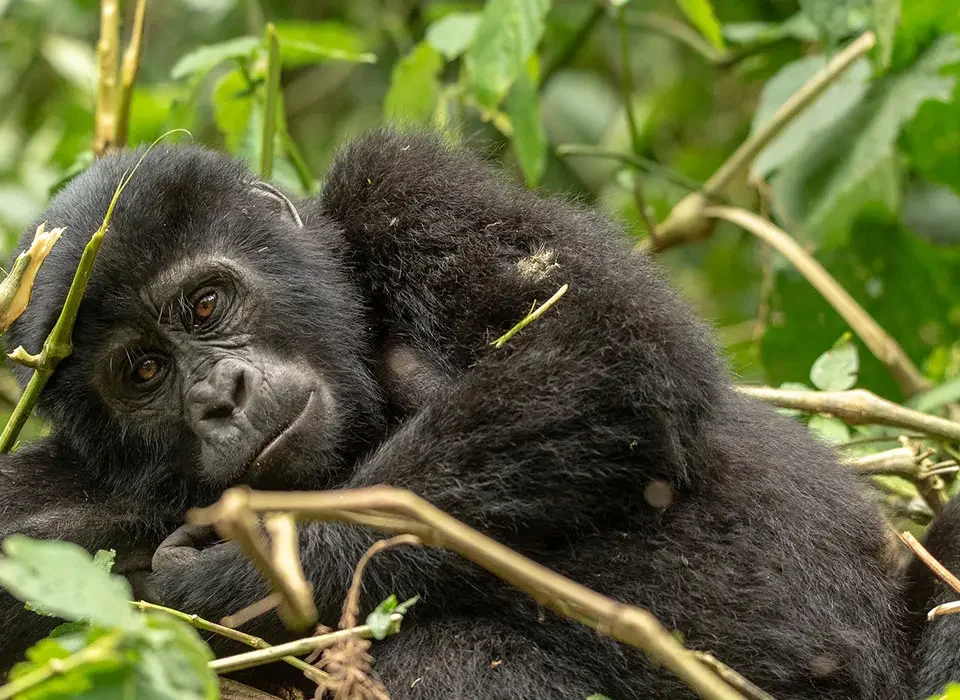
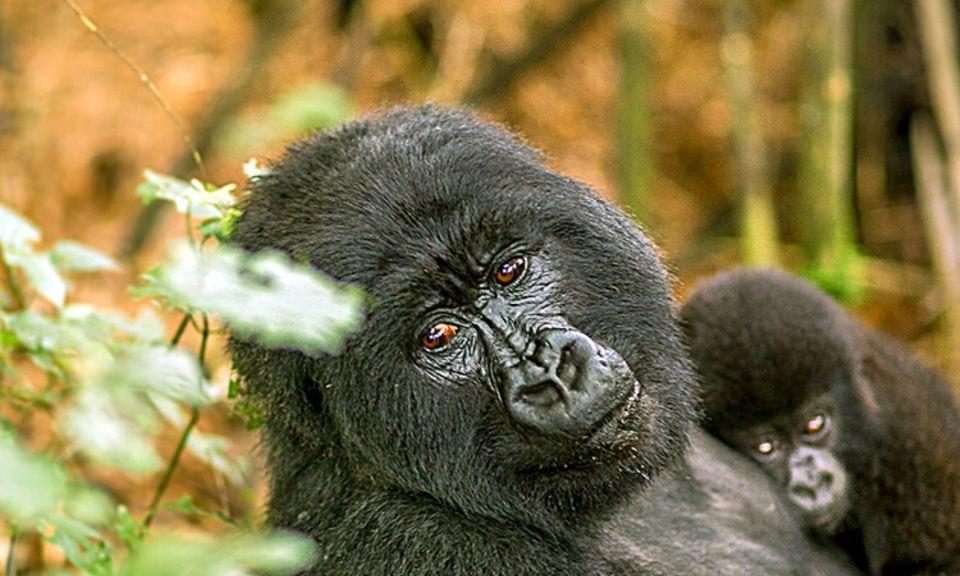
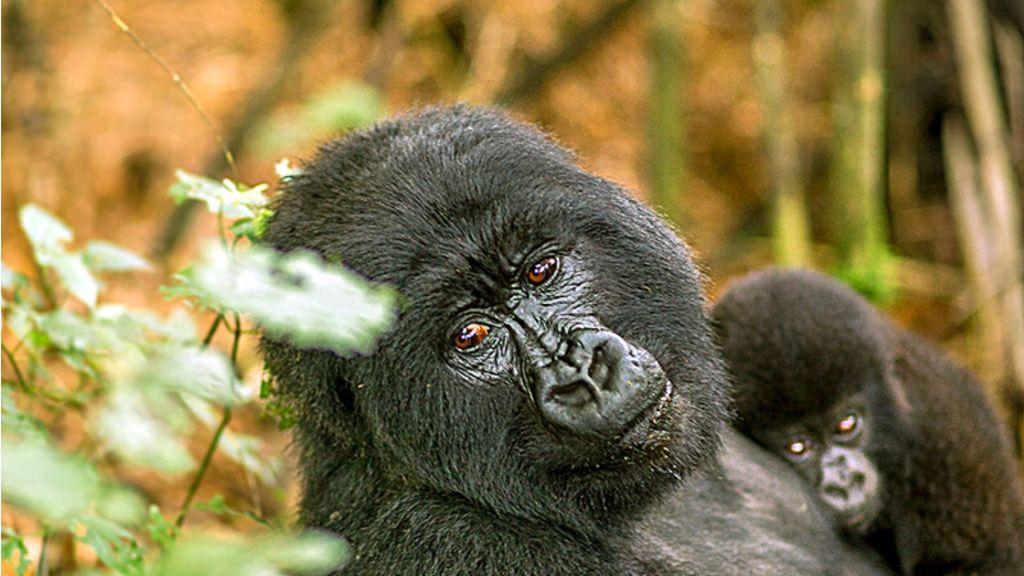
If gorilla trekking rather than a classic game drive is your priority, a two-day format is also possible, provided you’re starting close to the trekking parks — typically from Kigali rather than Kampala, given the shorter drive to the southwest. A two-day gorilla trip generally means one day of travel and trekking combined, and a second day for the return journey, leaving little room for anything else.
Our gorilla trekking in Uganda page and guide to gorilla trekking rules and regulations both cover what to expect, and Pick and Transfer Safaris’ gorilla safari packages outline similar short gorilla itineraries from the Rwanda side if that route works better for your travel dates.
What a Typical 2-Day Uganda Safari Itinerary Looks Like
Regardless of which park you choose, the shape of a two-day safari tends to follow the same pattern. Day one starts with an early pickup, a three-to-five-hour drive depending on the park, lodge check-in, and an afternoon activity — usually a boat cruise or a first game drive. Day two starts before sunrise with the second major activity, typically a game drive when wildlife is most active, before lunch and the drive back to Kampala, arriving by early evening.
Our guide to what to expect on a game drive is worth reading before you travel if this is your first time on safari, since it covers pacing, vehicle setup, and realistic expectations around how close you’ll actually get to wildlife.
Best Time of Year for a 2-Day Uganda Safari
Uganda’s two dry seasons — December to February and June to September — offer the most reliable conditions for a short trip, with firmer roads, thinner vegetation for easier spotting, and more predictable wildlife concentration around water sources. Because a two-day itinerary has no flexibility to wait out bad weather or a flooded track, we generally recommend booking within these windows if your travel dates allow it.
The wetter months still offer good game viewing and noticeably lower lodge rates, along with better birding as migratory species pass through, but travelers on a strict two-day schedule should weigh the slightly higher risk of transport delays before committing to those months.
How Much Does a 2-Day Uganda Safari Cost?
Pricing depends heavily on which park you choose, your accommodation standard, and group size, but as a general pattern, Lake Mburo tends to be the most affordable of the three parks covered here thanks to its shorter drive and lower park fees, while Murchison Falls and Queen Elizabeth sit somewhat higher once the boat cruise and longer transport are factored in. Group travel meaningfully reduces the per-person cost across all three options, since vehicle and guide fees are shared.
Our guide to booking a Uganda safari with a safari company explains how pricing is typically structured, and our group tour packages are worth a look if you’re traveling with friends or colleagues rather than solo or as a couple.
What’s Included and Excluded in a 2-Day Safari Package
Most two-day packages, including ours, include private transport with an English-speaking driver-guide, one night’s accommodation, meals as specified in the itinerary, park entry fees, and the headline activity for that park — the boat cruise at Murchison Falls or Lake Mburo, for example. Typically excluded are international flights, visa fees, travel insurance, tips for your guide, and optional extras such as a night game drive or a horseback safari.
Reach out through our contact page for an accurate, current quote once you’ve picked a park and travel dates, and see our full Uganda safaris listings for how a two-day trip compares to our longer packages if you’re still deciding on trip length. Always ask your operator to confirm which park fees and activities are bundled into the quoted price before booking, since this is the single most common source of confusion on a short, tightly budgeted trip.
If air travel is part of your plan — whether flying into Entebbe from abroad or taking a short domestic charter to save driving time — our guide to air ticketing companies in Uganda is worth a look well ahead of your travel dates, since flight availability can shape which two-day itinerary is realistic for your schedule.
Getting Around: Self-Drive vs Guided 2-Day Safari
A guided trip with a private driver is by far the more relaxing option for a short safari, since it removes any risk of navigation mistakes eating into your limited time, and an experienced guide will also know current wildlife movement patterns that a self-drive visitor simply won’t. That said, self-driving is entirely possible on the well-paved routes to Lake Mburo and Murchison Falls, and our car hire service can arrange a suitable 4×4 if you’d rather be behind the wheel yourself, complete with recommendations on which routes hold up best in wet-season conditions.
Whichever option you choose, book your vehicle and driver well ahead of your travel dates, since a two-day trip leaves no buffer for last-minute logistics if something falls through.
What to Pack for a Short Uganda Safari
Pack light, neutral-colored clothing, a warm layer for early-morning game drives, and a rain jacket regardless of season, since both Murchison Falls’ boat cruise and Lake Mburo’s wetter months can catch first-time visitors off guard. Comfortable closed shoes matter for any walking activity, and sun protection — a hat, sunglasses, and sunscreen — is essential given how much of a short safari happens outdoors.
Binoculars will noticeably improve your experience on a tight two-day schedule, since you won’t have the luxury of multiple game drives to compensate for a missed distant sighting. A day pack with water and snacks rounds out the essentials for either day of the trip.
Tips for Making the Most of Just Two Days
Start both days as early as your lodge allows — the first two hours after sunrise consistently produce the best wildlife activity and the most flattering light, and on a two-day trip you genuinely can’t afford to sleep through it. Book your boat cruise slot in advance rather than assuming availability, particularly during Uganda’s dry-season peak months of December to February and June to September.
Travel with a reputable, experienced operator rather than attempting to improvise logistics on a tight schedule — a missed connection or a wrong turn costs far more, proportionally, on a two-day trip than on a longer one. Our Uganda safari experiences page and About Us page outline how we structure exactly this kind of tightly timed itinerary.
Finally, confirm your pickup time and route with your operator the evening before departure, and keep a printed or digital copy of your booking confirmation and passport handy for park entry gates. None of these steps take more than a few minutes, but skipping them is exactly how a two-day trip loses precious hours to avoidable confusion.
Extending Your Trip: When to Consider 3 Days or More
If you find yourself wishing for a second park, gorilla or chimpanzee trekking, or simply more time in the bush once you’ve read through the options above, it’s worth considering our slightly longer packages instead. Our 3-Day Chimpanzee Tracking Safari and 3-Day Uganda Gorillas Safari both add meaningful depth without requiring a full week away, and our 5-Day Gorilla and Chimpanzee Tour combines primates with savannah wildlife for travelers with a bit more time to spend.
For a sense of how far a longer trip can go, our 20-Day Wildlife and Nature Experience in Uganda shows the other end of the spectrum, and Pick and Transfer Safaris’ extended safari itineraries offer a similar range of longer options if you decide two days was just the appetizer.
Why Choose Kenlink Tours for Your Short Uganda Safari
Planning a two-day safari well takes more precision than a longer trip, not less — there’s no buffer if a pickup runs late, a boat cruise slot fills up, or a wrong turn eats into your one and only game drive. That’s exactly the kind of tight logistical planning we specialize in at Kenlink Tours, backed by experienced local guides who know current wildlife movement patterns at each of the three parks covered in this guide.
Learn more about how we work on our About Us page, and feel free to compare our approach with other established Uganda operators, including Pick and Transfer Safaris’ About Us page and their wildlife safaris listings — we’re confident our attention to detail on tightly timed itineraries will stand out.
Frequently Asked Questions About 2-Day Uganda Safaris
Which park is best for a 2-day Uganda safari?
Lake Mburo is generally the easiest and most efficient choice thanks to its short drive from Kampala, while Murchison Falls offers the most dramatic scenery and activities for travelers willing to spend a bit more driving time. Queen Elizabeth is possible but tighter given its longer distance from Kampala.
Can I do gorilla trekking in just two days?
Yes, but only if you’re starting from a location close to the trekking parks, typically Kigali rather than Kampala. It leaves very little buffer time, so a three-day trip is generally more comfortable if gorilla trekking is your main priority.
How much does a 2-day Uganda safari typically cost?
Costs vary by park, accommodation standard, and group size, with Lake Mburo generally the most affordable option and Murchison Falls or Queen Elizabeth slightly higher once transport and the boat cruise are included. Contact us through our contact page for a current quote based on your dates.
Is two days worth it, or should I plan a longer trip?
Two days is genuinely worthwhile for a focused, single-park experience, and it’s a great option for travelers with limited time or those adding a safari onto a business trip or longer regional itinerary. If you have the flexibility, three days or more allows a second park or activity without feeling rushed.
Book Your 2-Day Uganda Safari with Kenlink Tours
A two-day Uganda safari proves that limited time doesn’t have to mean a limited experience. Whether you choose Murchison Falls’ waterfall and boat cruise, Lake Mburo’s zebra-filled plains and horseback rides, or a tighter trip into Queen Elizabeth’s tree-climbing lion territory, 48 hours is enough to come home with genuine safari stories. And if two days turns out to be just enough to make you want more, extending into a three-day, five-day, or longer itinerary is always easy to arrange once you’re already here.
Ready to book, or still deciding which park fits your schedule best? Learn more about our team on our About Us page, browse our complete Uganda safaris listings, or reach out directly through our contact page and let Kenlink Tours design the perfect short Uganda safari around your dates.