- EXPERT'S HELP
- +256789210067
- +256200955001
- info@kenlinktours.com


Uganda Safaris Through Kigali Airport
September 15, 2026
Companies offering Transfers from Kigali to Bwindi National Park
September 15, 2026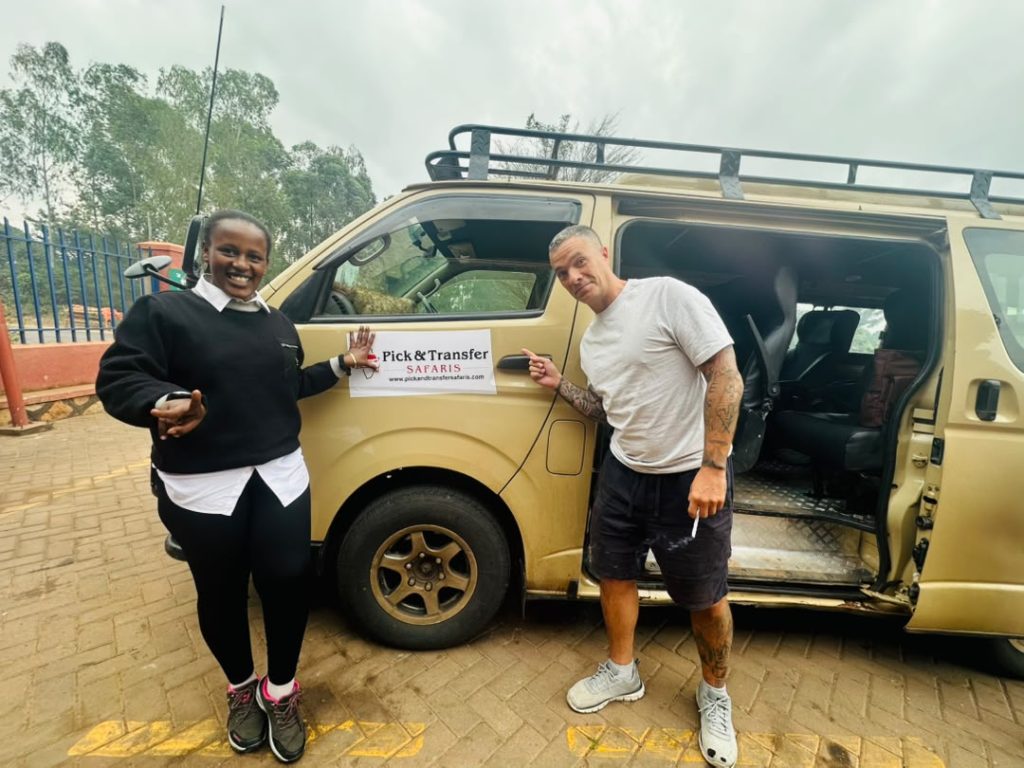
Rwanda Tour Companies that arrange Uganda Safaris. Travelers landing in Kigali for gorilla trekking often discover, sometimes only after arriving, that some of the best mountain gorilla and savannah wildlife experiences in the region are actually just across the border in Uganda. That discovery has created real demand for Rwanda tour companies that arrange Uganda safaris — operators based in or working closely with Kigali who can put together a seamless cross-border itinerary without travelers needing to research, book, and coordinate two separate national operators themselves. This guide explains exactly how these companies work, what services they typically provide, how to evaluate one before booking, and which operators are worth considering for a Kigali-based Uganda safari.
What Is a “Rwanda Tour Company” in the Context of Uganda Safaris?
A Rwanda tour company arranging Uganda safaris is an operator that uses Kigali as its logistical base — for airport pickups, initial briefings, and often the first night’s accommodation — while running the actual safari itinerary across the border into Uganda’s national parks. These companies differ from purely Rwanda-only operators in that they maintain relationships, permits, vehicles, or partner guides on the Ugandan side of the border, allowing them to sell and manage a single continuous itinerary rather than handing travelers off to a second, unrelated company once they cross into Uganda. Some are Uganda-based operators, like Kenlink Tours, that have built dedicated Kigali-starting itineraries because so much of their client base now arrives that way; others are Rwanda-registered companies that have expanded their offering to include Uganda routes. Either structure can work well, and the distinction matters less than how competently the company actually handles the cross-border logistics described below.
Why Book a Uganda Safari Through a Rwanda-Based Operator?
The practical case for booking through a Rwanda-based or Kigali-starting operator comes down to convenience and continuity. Rather than researching Ugandan gorilla permit systems, park entry logistics, and separate transport from scratch, travelers get a single point of contact who handles the border crossing, permit bookings, accommodation on both sides, and vehicle logistics as one coordinated trip. This matters most for travelers on tight schedules, since a fumbled handoff between two unrelated companies at the border is one of the more common ways an otherwise well-planned safari goes wrong. It also tends to be more cost-effective than booking two separate national itineraries, since a single operator can optimize routing and avoid duplicate transfer costs. For background on why so many travelers choose this route in the first place, our guide on landing in Kigali or Entebbe for a gorilla safari lays out the underlying logic.
What Services These Companies Typically Provide
A capable Rwanda tour company arranging Uganda safaris typically handles the full chain of logistics: airport pickup in Kigali, a briefing and often a night’s accommodation before departure, private or shared vehicle transport to the border, assistance with immigration and visa documentation at the crossing, continued transport to your first Ugandan park, gorilla or chimp trekking permit bookings, park entry fees, accommodation bookings inside Uganda, and the return journey back to Kigali Airport at the end of the trip. Some also offer add-ons like a Kigali city tour, Rwanda-side gorilla trekking or game drives, and extensions into Burundi or western Kenya for travelers building a longer regional trip. Reputable operators itemize each of these elements in their quotes rather than bundling everything into a single opaque price, which makes it much easier to compare offers across different companies.
Cross-Border Logistics: Permits, Visas, and Vehicles
The single most technical part of what these companies do is coordinating logistics across two separate national systems. Gorilla and chimp trekking permits are issued by the Uganda Wildlife Authority and must be booked directly through them or an accredited agent, well ahead of your travel dates given limited daily availability per park. Visa coordination usually means guiding travelers toward the East Africa Tourist Visa, which covers Rwanda, Uganda, and Kenya under one application, rather than requiring two separate visa processes. Vehicles are a less obvious detail but matter significantly: some companies run the same vehicle and driver-guide across the entire trip, border crossing included, while others switch vehicles and guides at the border to a Ugandan-registered partner. Neither approach is inherently better, but you should know which one your operator uses, since a vehicle switch adds a short delay at the border that’s worth planning around. It’s also worth understanding who is actually managing each piece — some Rwanda-based companies handle 100 percent of the trip themselves end to end, while others subcontract the Ugandan portion to a partner operator under their own branding. Both models can deliver a good trip, but the second only works well if the two companies communicate closely, so it’s a fair question to ask directly during the booking process.
How Rwanda-Based Operators Handle Gorilla and Chimp Permits
Because Uganda issues a strictly limited number of gorilla and chimp trekking permits per park per day, permit handling is often the clearest signal of how experienced a Rwanda-based operator actually is with Uganda logistics. A well-run company will ask for your preferred trekking dates before discussing anything else, confirm permit availability directly with the Uganda Wildlife Authority or a trusted local partner, and only then build the rest of your itinerary — flights, transfers, and accommodation — around that confirmed date. Operators who are vague about permit timing, or who wait until after other arrangements are booked to check availability, put your entire trip at risk of falling apart over a detail that should have been confirmed first. Our own 2-day Uganda gorilla safari starting from Kigali and 3-day Bwindi gorilla safari starting from Kigali are both built with permit confirmation as the first step in the booking process for exactly this reason.
Types of Uganda Safaris Rwanda Tour Companies Arrange
Rwanda-based operators typically offer several distinct categories of Uganda itinerary, and it’s worth knowing which category fits your interests before you start comparing quotes. Short gorilla-trekking-only trips of two to three days are the most commonly booked format, aimed at travelers who want the primate experience without a long overland commitment. Wildlife-and-primate combinations extend the trip to include Queen Elizabeth National Park or Kibale Forest alongside gorilla trekking. Longer multi-park circuits of a week or more weave together gorillas, chimpanzees, savannah game drives, and sometimes Murchison Falls National Park in the north into one continuous loop. Finally, combined Rwanda-Uganda itineraries add Rwanda’s own Volcanoes or Akagera parks onto the front or back end of the Uganda leg, letting travelers experience both countries without a second flight.
Gorilla Trekking Packages from Kigali
Gorilla trekking remains the flagship product for nearly every Rwanda tour company that arranges Uganda safaris, and package length is usually the main variable between operators. Fast two-day trips get travelers to Bwindi and back with minimal buffer, while three-day versions add breathing room around the trek itself. Our 2-day Uganda gorilla safari starting from Kigali and 5-day gorilla trekking safari from Kigali to Uganda sit at either end of that spectrum. For comparison, Pick and Transfer Safaris runs similar options including a one-day Uganda gorilla safari starting from Kigali, a 2-day Uganda gorilla tour starting from Kigali, and a 3-day Uganda gorilla safari from Rwanda, giving a useful sense of how pricing and pacing compare across operators at each trip length.
Wildlife and Savannah Safaris from Kigali
Beyond gorillas, several Rwanda-based operators also package savannah wildlife viewing into their Uganda offering, most commonly centered on Queen Elizabeth National Park given its relative proximity to the Cyanika border. Our 3-day wildlife encounter to Queen Elizabeth National Park is a standalone option that also slots into longer gorilla-and-wildlife combinations. Pick and Transfer Safaris’ 4-day wildlife and primate safari and their dedicated Queen Elizabeth National Park destination guide are both useful references if you’re comparing how different operators structure this leg of a Kigali-based trip.
Murchison Falls Packages from Rwanda-Based Operators
Murchison Falls National Park, further north and requiring the longer Katuna border route through Kampala, is offered by a smaller subset of Rwanda-based operators given the extra travel days involved, but it remains a genuine option for travelers with a week or more to spend. Our companion guide on planning a Kigali to Murchison Falls tour covers this specific route in full, including the distance from Kampala to Murchison Falls for the final leg. Pick and Transfer Safaris also runs a Murchison Falls itinerary from the Kigali side, and their Murchison Falls National Park destination page is worth reviewing for a second perspective on itinerary pacing before you book.
Combined Rwanda-Uganda Itineraries
Many Rwanda tour companies also sell combined itineraries that weave Rwanda’s own parks into the same trip as the Uganda leg, which avoids treating Kigali purely as a transit point. Our 9-day Uganda-Rwanda gorilla and big-five safari and our 7-day tour covering Murchison, Kibale, Queen Elizabeth, and Bwindi both illustrate how these longer combined routes are typically structured. On the Rwanda side, Pick and Transfer Safaris’ Akagera National Park safari from Kigali and their 5-day Uganda gorilla and chimps safari starting from Rwanda show how a Rwanda-based operator handles the same combined format.
How to Vet a Rwanda Tour Company Before Booking
Before committing to any Rwanda tour company for a Uganda safari, a handful of checks go a long way toward avoiding a poorly run trip. Confirm the company has genuine, verifiable operations on both sides of the border rather than simply reselling another operator’s Uganda itinerary under their own branding, since resold trips often come with less accountability if something goes wrong mid-trip. Ask specifically how they handle permit booking, vehicle continuity at the border, and what happens in the event of a flight delay or a permit date change. Look for a physical presence, a working local phone number, and recent, checkable traveler feedback rather than relying purely on a polished website. Our about us page and travel news section are examples of the kind of transparency worth looking for from any operator you’re considering.
Questions to Ask Before You Book
A short list of direct questions can reveal a lot about how an operator actually runs its Kigali-to-Uganda trips. Ask exactly which border post they use and why, whether your vehicle and guide change at the border, how and when gorilla or chimp permits get confirmed, what the cancellation and rebooking policy looks like if a flight is delayed, and whether airport pickup and the first night’s accommodation in Kigali are included or billed separately. It’s also worth asking how many Kigali-starting Uganda trips they run in a typical month, since higher frequency on this specific route generally correlates with smoother execution. A company that answers these questions specifically and without hesitation is a good sign; vague or deflected answers are worth treating as a caution flag.
Red Flags to Watch For
A few warning signs are worth taking seriously when evaluating a Rwanda tour company for a Uganda safari. Be cautious of any operator quoting a price without itemizing gorilla or chimp permits separately, since permit fees are fixed and non-negotiable, and a suspiciously low headline price sometimes means permits haven’t actually been secured. Be wary of pressure to pay the full amount immediately with no itemized confirmation of what’s included, and of operators who can’t clearly explain their cross-border vehicle and guide arrangement. Lack of any online presence beyond a single unverified social media page, or an inability to provide references from recent travelers, are both reasons to keep looking. None of these signs alone is disqualifying, but more than one together is worth taking seriously before you send a deposit.
Car Hire and Self-Drive Alternatives to a Full-Service Operator
Some experienced overland travelers consider skipping a full-service Rwanda tour company altogether and self-driving the Uganda leg instead, though this route removes a lot of the convenience that makes a coordinated operator worthwhile in the first place. Self-driving a cross-border trip means arranging your own cross-border vehicle insurance and temporary import permits, navigating unfamiliar park-specific driving rules once inside Uganda, and booking gorilla or chimp permits directly yourself rather than through an agent who already has established relationships with the parks. For travelers who still want some independence without going fully self-guided, our car hire page outlines vehicle options that can be paired with a guide for part of the trip, which is a reasonable middle ground between a fully packaged safari and true independent self-driving.
Combining with a Kigali City Stay
Because every Rwanda tour company’s Uganda itinerary begins and ends in Kigali, it’s worth asking whether your operator can build in time to actually see the city rather than treating it purely as a transit hub. A short guided visit covering the Kigali Genocide Memorial, local markets, and the city’s growing café scene is an easy way to use a layover day productively rather than just resting in a hotel room. Our 1-day Kigali city tour is designed to fit into exactly this kind of gap before or after the Uganda leg of a trip, and it’s worth asking any operator you’re considering whether a similar add-on is available, since not all Rwanda tour companies offer this as a standard option.
Group Tours vs Private/Custom Operators
Rwanda tour companies generally offer either scheduled group departures or fully private, custom-paced itineraries, and the right choice depends on your budget and flexibility needs. Group departures share vehicle and guide costs across several travelers, keeping the per-person price down, but require you to work around a fixed schedule and travel with other guests. Private itineraries cost more but give full control over departure dates, pacing, and which parks are included, which matters most for travelers with a tight overall timeline or specific interests like photography. Our group tours page lists current scheduled departures, while private itineraries can be built around any dates through our contact page.
Cost Structures: What’s Included and What Isn’t
Understanding how Rwanda tour companies structure their pricing makes it far easier to compare quotes fairly. Gorilla and chimp permits are a fixed cost set by the Uganda Wildlife Authority and should appear as a clearly itemized line rather than folded invisibly into a bundled price. Accommodation, transport, park entry fees, and guide services are typically where the real pricing differences between operators show up, since these vary by tier and by whether you’re booking a shared group vehicle or a private one. International flights into Kigali, personal travel insurance, tips, and most meals outside of set safari packages are almost always excluded and should be budgeted separately. Always request a full written breakdown before paying a deposit, and treat any quote that can’t produce one as a reason for extra caution.
Featured Operator Profile: Kenlink Tours
Kenlink Tours runs Uganda safaris built specifically around a Kigali start, with itineraries ranging from fast two-day gorilla treks to multi-week combined Rwanda-Uganda circuits. The company’s route network covers Uganda’s core parks — Bwindi and Mgahinga for gorilla trekking, Kibale Forest for chimpanzees, Queen Elizabeth National Park for savannah wildlife, and Murchison Falls further north — all bookable as standalone trips or combined into longer itineraries. Our Uganda safaris and Rwanda safaris pages give a full overview of current packages, and our about Uganda page is a useful starting point for travelers still researching the destination itself before committing to an itinerary. Group tours and private custom trips are both available, and our contact page is the fastest way to get a same-week itemized quote.
Featured Operator Profile: Pick and Transfer Safaris
Pick and Transfer Safaris is a Kigali-based operator running a similarly structured range of Uganda and Rwanda itineraries, from short gorilla safaris starting directly from Kigali to longer combined wildlife and primate packages. Their offering spans Uganda’s main parks alongside Rwanda destinations like Akagera and Nyungwe, with dedicated destination guides covering Murchison Falls National Park, Queen Elizabeth National Park, and Kigali City itself. Their full safaris listing and contact page are useful references if you’d like to compare pricing and itinerary structure against other Kigali-based operators before booking.
Comparing Operators: What Matters Most
When comparing Rwanda tour companies side by side, resist the temptation to focus purely on headline price. The operators worth prioritizing are the ones who itemize permits and fees clearly, can explain their cross-border vehicle and guide arrangement without hesitation, have verifiable operations on both sides of the border, and respond to specific logistical questions with specific answers rather than generic marketing language. Trip length and park selection matter too, but only after you’re confident the operator can actually execute the cross-border logistics reliably — a beautifully designed itinerary is worth little if the permit booking or border crossing falls apart on the day. It’s also reasonable to request references from recent travelers who booked the same route, since a company that’s genuinely confident in its cross-border execution should have no hesitation connecting you with someone who made a similar trip in the past few months.
Licensing, Associations, and Accreditation
Legitimate tour operators running Uganda safaris from Rwanda should be able to point to relevant licensing and industry association membership on at least one side of the border — Uganda Tourism Board registration, Rwanda Development Board tourism licensing, or membership in a recognized trade body such as the Association of Uganda Tour Operators. While accreditation alone doesn’t guarantee a smooth trip, it does provide a baseline of accountability and a channel for recourse if something goes seriously wrong. Ask directly which licenses or associations an operator holds if this isn’t already listed clearly on their website, and treat reluctance to answer as a meaningful red flag rather than a minor omission. Licensing details are also worth cross-checking independently rather than taking an operator’s word for it — a quick search of the relevant tourism board’s public registry, where one exists, takes only a few minutes and adds real confidence before you commit a deposit to an unfamiliar company.
Reviews and Reputation: How to Research an Operator
Beyond an operator’s own website, independent review platforms and recent traveler forums are worth checking before booking a Rwanda tour company for a Uganda safari. Look specifically for reviews that mention the cross-border leg of the trip rather than just the in-park experience, since that’s the part most likely to reveal how well an operator actually handles the logistics unique to this route. Recent reviews matter more than older ones, since staff, vehicles, and management can change significantly over a few years. Our own travel news page carries recent traveler updates and trip reports from this exact route, which is the kind of transparency worth looking for from any operator you’re evaluating.
Common Mistakes Travelers Make When Booking
A handful of avoidable mistakes account for most of the frustration travelers report after a poorly run Uganda safari booked through a Rwanda-based operator. Booking flights before confirming gorilla or chimp permit availability is the most common, since it locks in dates the parks may not actually have space for, forcing a stressful scramble to rebook. Choosing an operator purely on headline price without asking what’s actually included is another, since a suspiciously cheap quote often means permits, park fees, or return transport aren’t genuinely covered. Skipping travel insurance to save money is a third, particularly risky given how remote some of the trekking terrain is. Finally, travelers sometimes assume any operator with a Kigali address genuinely operates in Uganda too, when in practice some are simply reselling another company’s Uganda leg — a distinction worth clarifying directly rather than assuming, since accountability can differ significantly between the two arrangements.
Booking Timeline and Lead Time
Because gorilla and chimp permits are the binding constraint on any Uganda safari itinerary, booking timeline should be driven by permit availability rather than flight or hotel deals. Popular months — July through September and December through January — see permits sell out three to six months ahead, so travelers with fixed dates in those windows should start the booking process as early as realistically possible. Shorter, non-trekking wildlife itineraries built purely around Queen Elizabeth National Park have more flexibility and can often be arranged with just a few weeks’ notice. Whichever type of trip you’re planning, confirm your operator’s cancellation and date-change policy before paying a deposit, since flight schedules and personal circumstances can shift even with the best planning.
What to Pack and Prepare Before Your Trip
Whichever Rwanda tour company you book with, a handful of preparation steps stay the same regardless of operator. Keep your passport, visa approval letter, and yellow fever vaccination certificate together in your carry-on, since all three get checked repeatedly between the airport, the border crossing, and occasionally internal checkpoints. Pack sturdy, broken-in hiking boots for gorilla or chimp trekking terrain, which is steep and often muddy regardless of season, along with a light rain jacket and layered clothing for the temperature swing between Kigali’s cooler highland climate and Uganda’s warmer savannah parks. Binoculars are worth the extra weight if any savannah game drives or boat cruises are on your itinerary. A good operator will send a detailed packing list specific to your exact trip well before departure — if they don’t, it’s worth asking for one rather than guessing.
Health, Safety, and Travel Insurance
A Uganda safari arranged through a Rwanda-based operator is a well-established, generally safe route, but the standard precautions still apply. Both Rwanda and Uganda require proof of yellow fever vaccination for entry, and malaria risk exists across Uganda’s lower-altitude parks, so a visit to a travel clinic well ahead of departure is worth the time. Comprehensive travel insurance that includes medical evacuation cover is strongly recommended given how remote parts of the trekking terrain can be, and any operator worth booking with should be comfortable confirming they’ll ask to see proof of cover before your first trek rather than treating it as optional. Tap water should be avoided in favor of bottled or filtered water, which reputable lodges and camps provide as standard throughout the trip.
Weather and Best Time to Book Through a Rwanda-Based Operator
Uganda’s two dry seasons, December to February and June to September, offer the most comfortable trekking conditions and the easiest savannah game viewing, which is also when demand for both gorilla permits and lodge space peaks across every Rwanda-based operator’s calendar. Booking three to six months ahead for these windows is standard practice rather than overcautious planning, since availability genuinely does run out at the operator level once permits and lodge rooms are gone. The wetter months bring lush scenery, thinner crowds, and often lower rates from the same operators, and trekking remains fully possible — permits are simply less scarce, not the activity itself. Whichever season you’re considering, ask your chosen operator directly how their pricing and availability shift across the year rather than assuming it mirrors general seasonal advice exactly.
Sample Itinerary Arranged by a Rwanda-Based Operator
A structure commonly used by Rwanda tour companies arranging a Uganda safari looks like this:
- Day 1: Airport pickup in Kigali, transfer to your hotel, and a briefing covering the following day’s border crossing and trekking logistics.
- Day 2: Early departure for the Cyanika border, crossing into Uganda, and continuing to Bwindi Impenetrable Forest in time for a pre-trek orientation.
- Day 3: Gorilla trekking in Bwindi, followed by a transfer toward Queen Elizabeth National Park for those extending the trip.
- Day 4: Game drive and Kazinga Channel boat cruise in Queen Elizabeth National Park.
- Day 5: Return drive to Kigali via the same border crossing, with a final night before departure or an onward flight.
This template compresses to a fast two-day gorilla-only trip or extends to a week or more with the addition of Kibale Forest or Murchison Falls, and any competent Rwanda-based operator should be able to walk you through exactly how they’d adapt it to your specific dates and interests.
Frequently Asked Questions
Are there Rwanda tour companies that arrange Uganda safaris? Yes, several Kigali-based and Uganda-based operators run dedicated Kigali-starting Uganda itineraries, handling the border crossing, permits, and accommodation on both sides as a single coordinated trip.
Is it better to book with a Rwanda-based company or a Uganda-based one for a Kigali-starting trip? What matters more than where a company is registered is whether it has genuine, verifiable operations on both sides of the border rather than simply reselling another operator’s Uganda leg.
How do these companies handle gorilla permits across the border? A reliable operator confirms gorilla or chimp permit availability with the Uganda Wildlife Authority first, then builds flights, transfers, and accommodation around that confirmed date.
What should I ask before booking a cross-border Uganda safari from Kigali? Ask which border post they use, whether your vehicle and guide change there, how permits are confirmed, and what their policy is if a flight is delayed.
How far in advance should I book a Uganda safari through a Rwanda-based operator? Three to six months ahead for peak-season gorilla trekking dates; a few weeks is often enough for shorter, non-trekking wildlife itineraries.
Do Rwanda tour companies also arrange trips within Rwanda itself? Most do, and combining a few days in Volcanoes National Park or Akagera with the Uganda leg is one of the more popular ways to use a Kigali-based operator’s full range of services.
Can I request a private vehicle instead of joining a group tour? Yes, most operators offer both formats, and private vehicles typically cost more but allow full control over pacing, departure times, and which parks are included on the trip.
Rwanda Tour Companies that arrange Uganda Safaris
Rwanda tour companies that arrange Uganda safaris have turned what used to be a two-country planning headache into a single, coordinated trip, and for travelers prioritizing gorilla trekking in particular, starting from Kigali is often the more efficient choice than routing everything through Uganda directly. The operators worth booking with are the ones who treat permit confirmation as the first step rather than an afterthought, itemize their pricing clearly, and can explain their cross-border logistics in specific detail rather than vague reassurance. Take the time to ask the direct questions outlined above, cross-check licensing and recent reviews, and resist locking in flights before permits are confirmed, and the rest of the trip tends to fall into place smoothly. Reach out through our contact page to start planning a Uganda safari from Kigali with permits, transfers, and accommodation coordinated from day one.