- EXPERT'S HELP
- +256789210067
- +256200955001
- info@kenlinktours.com


Gorilla Tracking and Hiking in Uganda
October 6, 2026
Gorilla Families of Buhoma Sector Bwindi
October 6, 2026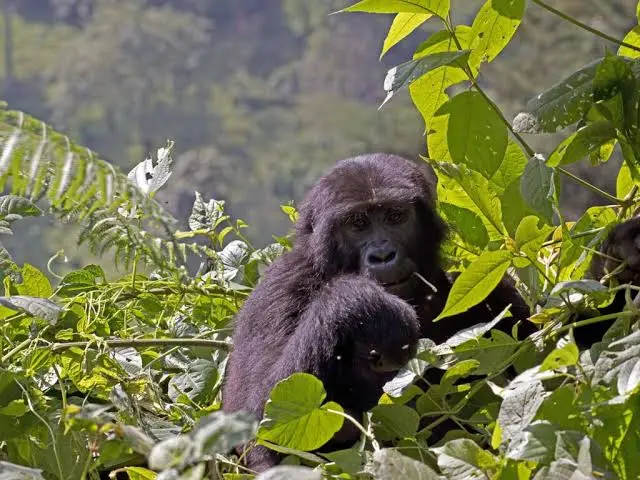
What makes Buhoma the best for gorilla tracking. When travellers start planning a gorilla safari in Uganda, they quickly discover that Bwindi Impenetrable National Park is divided into four trekking sectors: Buhoma, Ruhija, Rushaga and Nkuringo. Each has its own gorilla families, lodges and terrain. So which one should you choose? For many visitors, the answer is clear. Buhoma, in the north of Bwindi, is the sector where Uganda’s gorilla tourism was born, and it remains one of the most rewarding, accessible and comfortable places in Africa to track mountain gorillas.
In this guide, the team at Kenlink Tours explains exactly what makes Buhoma the best for gorilla tracking. We look at its history, its gorilla families, its trails, its lodges, how to get there, what else you can do and how it compares with Bwindi’s other sectors, so you can decide whether Buhoma is the right base for your once-in-a-lifetime encounter.
Where Is Buhoma? An Introduction to Bwindi’s Northern Sector
Buhoma lies on the northern edge of Bwindi Impenetrable National Park in Kanungu District, southwestern Uganda. The sector headquarters sits at the meeting point of thick, ancient rainforest and the rolling hills of local farming communities. Here the Munyaga River tumbles out of the forest, colobus monkeys leap through the canopy, and the morning mist slowly lifts off the trees as trekkers gather for their briefing.
Bwindi itself is a UNESCO World Heritage Site and one of the most biologically diverse forests in Africa. It protects roughly half of the world’s remaining mountain gorillas. Buhoma is the most developed of its four sectors, with the widest range of lodges and the best tourism infrastructure. To understand how Bwindi fits into Uganda’s wider network of protected areas, read our guide to national parks in Uganda.
The Birthplace of Gorilla Tracking in Uganda
Buhoma holds a special place in conservation history. It was here, in 1993, that Uganda opened its very first habituated gorilla family to tourists. That family, the Mubare group, became the foundation of a tourism model that now funds gorilla protection, ranger salaries and community projects across the region.
More than three decades of experience shows. Buhoma’s rangers, trackers and guides are among the most experienced in Uganda. Many were trained by the pioneers of gorilla habituation, and some come from families who have worked in the forest for generations. When you track gorillas in Buhoma, you are walking in the footsteps of the very first gorilla tourists in Uganda, guided by people who know these families intimately.
This long history also means systems run smoothly: briefings are well organised, permit checks are efficient, and lodges understand exactly what trekkers need, from early breakfasts to packed lunches and boot-cleaning services.
Reason 1: Gentler Terrain and Lower Altitude
One of the biggest reasons travellers choose Buhoma is its terrain. Gorilla tracking anywhere in Bwindi involves hiking through steep, muddy and sometimes trackless forest. But Buhoma is widely considered the most accessible sector, with a lower altitude than Ruhija and less dramatic gradients than Nkuringo.
The headquarters sits at roughly 1,500 metres above sea level, which means the air feels less thin and the temperatures are milder. Many of the gorilla families range within a reasonable distance of the trailheads, and well-used paths make the first stage of the hike more straightforward. That does not mean every trek is easy; gorillas move, and some days involve several hours of steep climbing. But on average, Buhoma offers the best chance of a manageable trek.
That makes Buhoma ideal for first-time trekkers, older travellers, families with teenagers and anyone with moderate fitness. For a full comparison of difficulty across the park, see our article on which part of Bwindi is easy for gorilla trekking.
Reason 2: Famous, Well-Habituated Gorilla Families
Buhoma is home to several habituated gorilla families, each with its own personality and story. The most commonly tracked include:
- Mubare: Uganda’s first habituated family, opened to tourism in 1993. Its history makes it one of the most famous gorilla groups in East Africa.
- Habinyanja: A larger family named after a swamp in the forest, known for its dramatic history of leadership changes and splits.
- Rushegura: Formed after a split from Habinyanja, this calm family is known for sometimes wandering close to the lodges and park headquarters.
- Katwe: One of the more recently habituated families in the sector, adding extra permits and choice for visitors.
Because these families have been habituated for many years, they are generally relaxed in the presence of people. That relaxed behaviour often means better viewing: gorillas carry on feeding, grooming, playing and nursing while you watch from a respectful distance. For many trekkers, the result is an intimate, natural hour that feels less like a sighting and more like a visit.
To hear how this experience feels in practice, read our article on what it’s like to trek gorillas in Uganda and Rwanda.
Reason 3: The Best Choice of Lodges in Bwindi
Buhoma has the widest selection of accommodation in Bwindi, from simple budget bandas to some of Uganda’s most luxurious forest lodges. Many lodges sit right on the edge of the forest, so you can hear the chimpanzees calling, watch monkeys in the canopy from your veranda and walk to the briefing point in minutes.
This proximity is a major practical advantage. Gorilla tracking briefings start early, usually around 7:30–8:00 AM, and in some sectors guests face long pre-dawn drives on rough roads. In Buhoma, most lodges are within a short walk or a few minutes’ drive of the headquarters, which means more sleep, a relaxed breakfast and a calmer start to your big day.
Whether your budget is modest or generous, you will find something that suits you. Our guide to accommodations in Bwindi Impenetrable National Park covers lodges in every sector, and travellers watching costs will find good options in our list of the most budget lodges in Bwindi National Park.
Reason 4: Easy Access from Queen Elizabeth National Park
Buhoma’s location in northern Bwindi makes it the perfect gorilla sector to combine with a classic Uganda wildlife safari. The drive from Queen Elizabeth National Park passes through the Ishasha sector, famous for its tree-climbing lions that lounge in fig trees across the open plains. Many itineraries include a game drive in Ishasha on the way to Buhoma, turning a transfer day into a wildlife highlight.
Travelling from Queen Elizabeth to Rushaga or Nkuringo in the south takes considerably longer, so Buhoma is usually the most efficient choice for travellers who want gorillas and savannah wildlife in one trip. For route options and drive times, read our guide to the best route to Bwindi from Queen Elizabeth National Park.
Reason 5: Short Flights via Kihihi Airstrip
For travellers short on time, Buhoma is one of the easiest gorilla sectors to reach by air. Scheduled and charter domestic flights connect Entebbe to Kihihi Airstrip in a little over an hour. From Kihihi, the drive to Buhoma takes roughly an hour to an hour and a half, compared with eight to ten hours by road from Kampala.
That makes fly-in gorilla safaris to Buhoma a popular choice for honeymooners, business travellers and anyone who would rather spend their time in the forest than on the road. Learn more about flight options and logistics in our guide to Kihihi Airstrip.
Reason 6: Outstanding Nature Walks and Hiking Trails
Gorilla tracking takes up one morning, but Buhoma offers plenty to fill the rest of your stay. The sector has some of the best forest trails in Bwindi, ideal for the day before or after your trek.
Munyaga River and Waterfall Trail: A beautiful half-day walk through classic Bwindi rainforest to a series of waterfalls. Expect giant tree ferns, orchids, butterflies, birds and often red-tailed monkeys or black-and-white colobus.
Buhoma to Nkuringo Trail: One of Uganda’s great hikes, this route crosses the forest from north to south along the Ivi River in roughly four to six hours. Your vehicle drives around with your luggage, and you arrive in Nkuringo with breathtaking views of the Virunga volcanoes.
Rushura Hill Trail: On clear days, this ridge walk offers views across the Albertine Rift, Lake Edward and the distant Rwenzori Mountains.
For more ideas on how to spend your free time around a trek, see this guide on what to do after a gorilla tour in Bwindi. Keen hikers can also read our guide to mountain hiking and climbing in Uganda.
Reason 7: Rich Community and Cultural Experiences
Buhoma is home to some of Uganda’s most established community tourism projects. The Buhoma Community Walk introduces visitors to local life: you can visit a traditional healer, see how banana beer and local gin are made, meet craftspeople, learn about tea and coffee growing and enjoy performances by local dance and drama groups.
Visitors can also meet members of the Batwa community, the forest’s original inhabitants, who share stories, songs and knowledge of forest plants and traditional hunting. The nearby Bwindi Community Hospital, which grew from humble beginnings into a respected regional health centre, is another inspiring example of how tourism and conservation support local people.
These experiences give context to your gorilla trek. They show how revenue from permits and lodges flows back into schools, clinics and livelihoods, building local support for protecting the forest.
Reason 8: Exceptional Birding and Biodiversity
Bwindi is one of Africa’s top birding destinations, with around 350 recorded bird species, including many Albertine Rift endemics found nowhere else. Buhoma’s lower-altitude forest attracts species that are harder to find in the higher sectors, making it a favourite stop for birders.
Beyond birds, the forest shelters around 120 mammal species, including chimpanzees, L’Hoest’s monkeys, black-and-white colobus, blue duikers and forest elephants, as well as hundreds of butterfly species and an extraordinary variety of trees and ferns. Even if gorillas are your main focus, Buhoma’s wider biodiversity makes every walk rewarding.
Reason 9: Excellent Infrastructure and Services
As the oldest and busiest sector, Buhoma has the most developed facilities in Bwindi. You will find a well-organised visitor centre, craft shops supporting local artisans, restaurants and cafés in the village, reliable lodge services and good road connections towards Queen Elizabeth and Kihihi. Phone signal and internet are generally better than in more remote sectors, which is helpful for keeping in touch with family or sharing photos after your trek.
These comforts may seem small, but after a long day on muddy forest trails, a hot shower, a good meal and a reliable Wi-Fi connection make a real difference to your safari experience.
Buhoma vs Ruhija vs Rushaga vs Nkuringo
Every Bwindi sector offers a wonderful gorilla encounter. Here is how Buhoma compares with the others:
| Sector | Location | Terrain | Best For |
|---|---|---|---|
| Buhoma | North | Gentlest on average, lower altitude | First-timers, combining with Queen Elizabeth, fly-in trips, wide lodge choice |
| Ruhija | East | Highest and coolest, steep valleys | Birders, quieter atmosphere |
| Rushaga | South | Varied, moderate to steep | Most gorilla families, habituation experience, trips from Kigali |
| Nkuringo | South | Most demanding descents and climbs | Fit trekkers, volcano views, Kigali access |
If you are travelling from Kigali, the southern sectors are closer. If your trip starts in Entebbe or includes Queen Elizabeth National Park, Buhoma is usually the most logical and comfortable choice.
What a Gorilla Tracking Day in Buhoma Looks Like
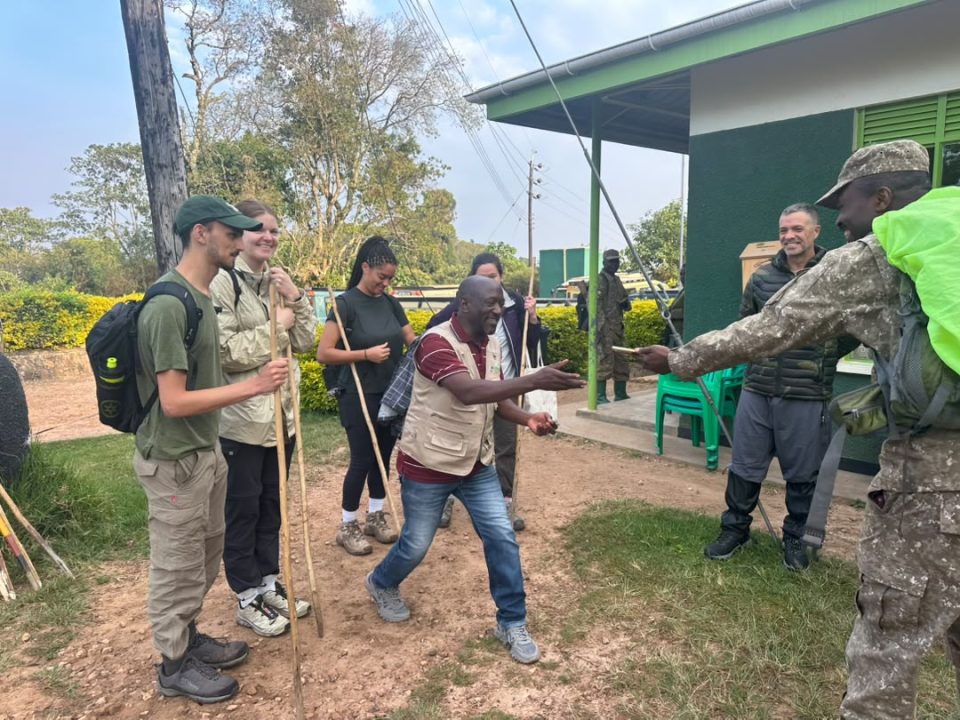
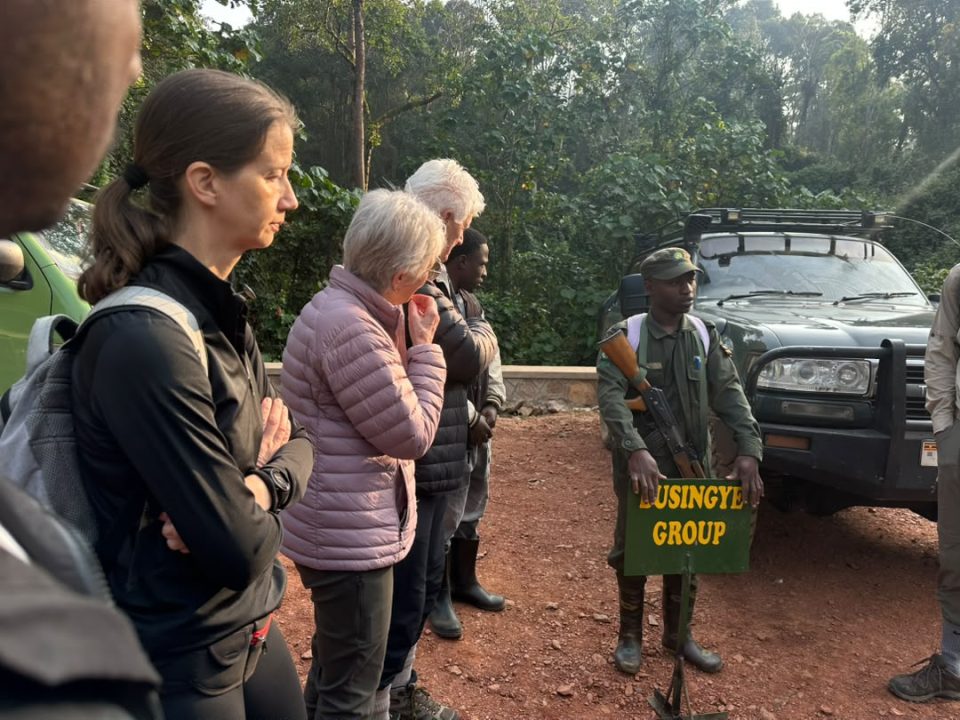
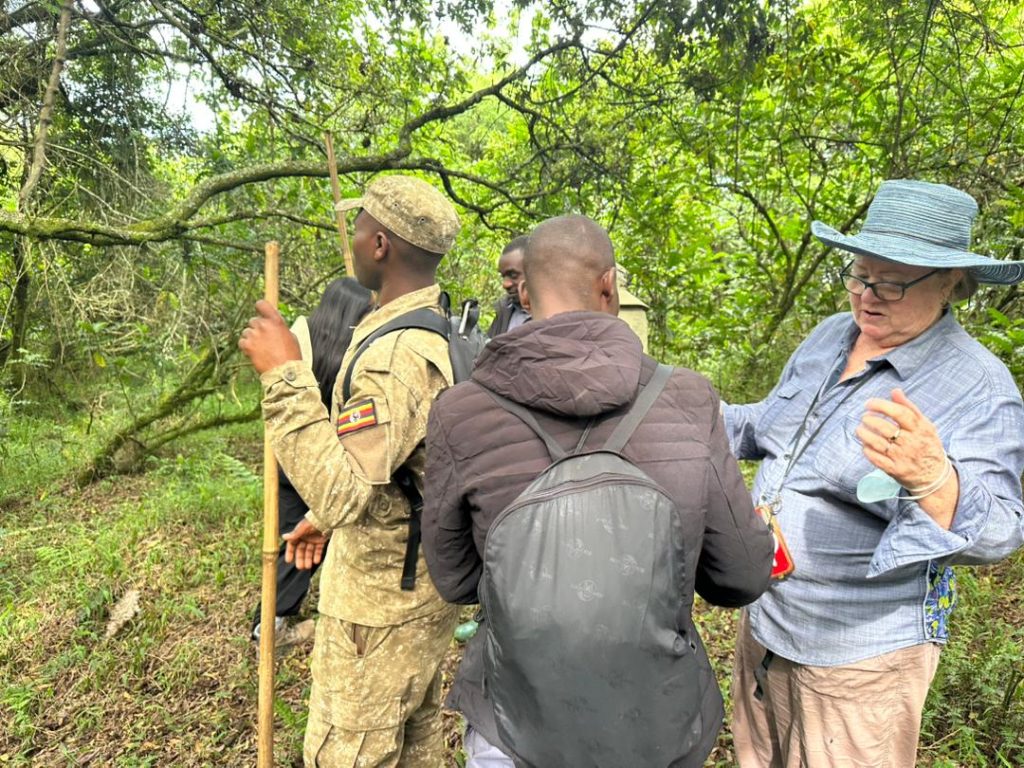
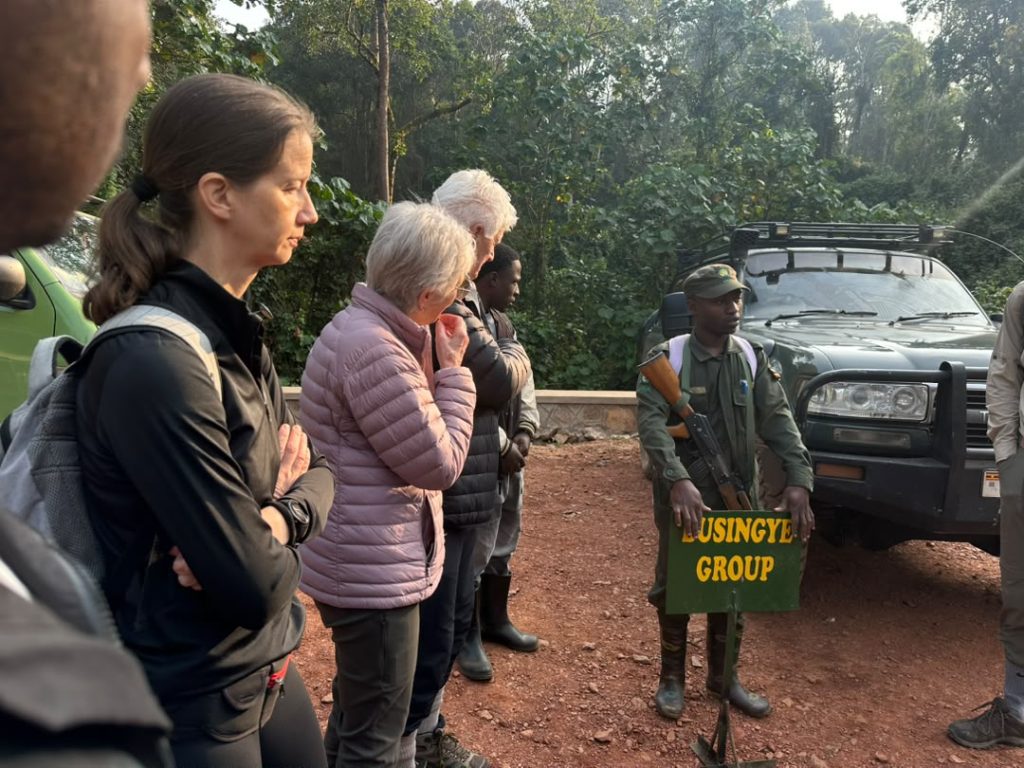
Your day begins with an early breakfast at your lodge and a short walk or drive to the Buhoma headquarters. At around 7:30 AM, rangers welcome you with a briefing, often accompanied by a lively performance from local dancers. They check your permit and passport, explain the rules and assign groups of up to eight trekkers to each gorilla family.
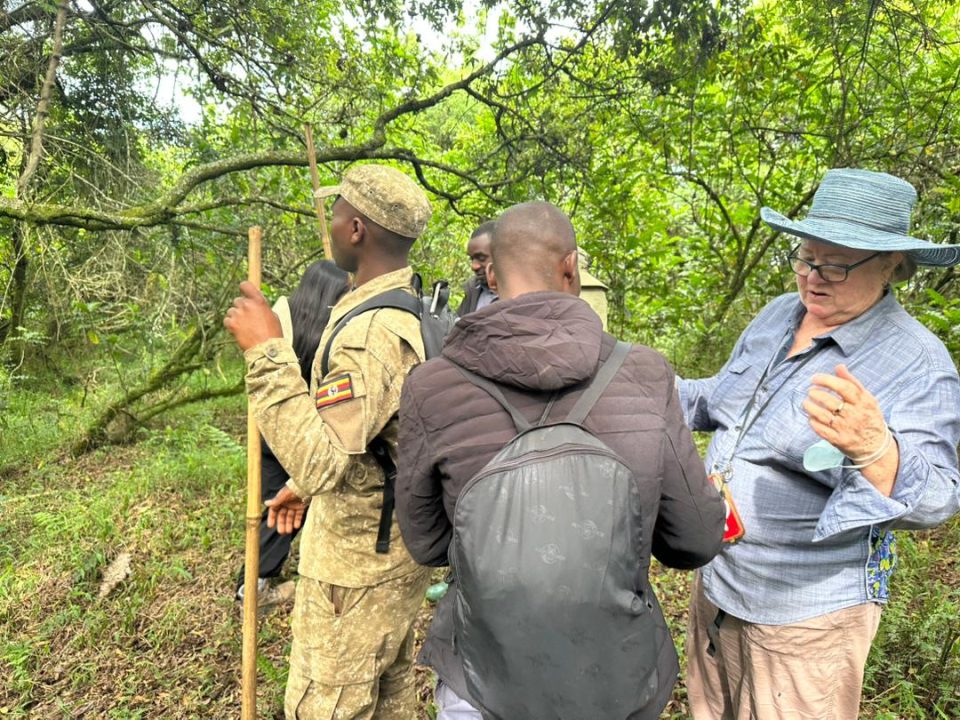
At about 8:00 AM, your group sets off with an armed ranger guide and porters, while advance trackers are already following the gorillas’ trail from the previous night’s nests. The hike may cross tea gardens and farmland before entering the forest. Once the family is found, you spend one unforgettable hour watching them, then hike back to the headquarters to receive your gorilla tracking certificate. Most groups are back by early afternoon, leaving time for a community walk or a relaxing evening at your lodge.
Gorilla Permits for Buhoma: Costs and Booking
Gorilla permits for Buhoma, like all of Bwindi, are issued by the Uganda Wildlife Authority. A standard permit currently costs US$800 per person for foreign non-residents, with lower rates for foreign residents and East African citizens. Each permit is linked to a specific sector and date, so if you want to track in Buhoma, your permit must be booked for Buhoma.
Because Buhoma is popular, permits for peak months (June to September and December) sell out early. We recommend booking four to six months ahead. The minimum age for gorilla tracking is 15, and permits are non-transferable.
Kenlink Tours secures permits for all our guests and matches your lodge to your permit sector, so you never face a long, unexpected drive on trekking morning. Contact our team to check Buhoma availability for your dates.
Best Time to Track Gorillas in Buhoma
Gorilla tracking in Buhoma runs all year. The dry seasons, from June to September and December to February, offer firmer trails, easier driving and clearer photographs, making them the most popular months. The wet seasons, from March to May and October to November, bring mud and rain but also fewer visitors, lush scenery and occasional low-season discounts.
Because Buhoma’s terrain is gentler than other sectors, it is often the best choice for travellers visiting during the rainy months. Keep an eye on our discounted tours for seasonal offers.
What to Pack for Gorilla Tracking in Buhoma
Even in Buhoma’s gentler terrain, the forest is wet, muddy and full of stinging nettles. Pack:
- Waterproof hiking boots with good grip and ankle support
- Long trousers and long-sleeved shirts in neutral colours (no camouflage)
- A lightweight rain jacket
- Gardening gloves for gripping branches
- Gaiters or long socks to tuck trousers into
- A small daypack with water, snacks and your packed lunch
- Insect repellent and sunscreen
- A camera with spare batteries (no flash)
- Cash for porters and tips
See our full guide on what to pack for gorilla trekking in Uganda, Rwanda and Congo for more detail.
Getting to Buhoma: Entebbe, Kigali or Self-Drive
From Entebbe or Kampala by road: The drive takes around eight to ten hours, often broken with a night in Queen Elizabeth National Park or another stop along the way.
By air: Fly from Entebbe to Kihihi Airstrip in just over an hour, then drive about an hour to an hour and a half to Buhoma.
From Kigali: Buhoma is further from Kigali than the southern sectors, roughly six to seven hours by road. Travellers starting in Rwanda often track in Rushaga or Nkuringo instead, or route north to Buhoma as part of a longer loop. This guide to starting a tour in Kigali and ending in Entebbe shows how to combine both airports. For a full comparison, read our article on landing in Kigali or Entebbe for a gorilla safari.
Self-drive: Confident drivers can reach Buhoma in a 4×4. Our guide to a Uganda gorilla safari on self-drive explains the practicalities.
Sample Itineraries Featuring Buhoma
3 days: Fly-in Buhoma gorillas. Day 1, fly from Entebbe to Kihihi and transfer to Buhoma; afternoon community walk. Day 2, gorilla tracking. Day 3, waterfall trail and fly back to Entebbe.
5 days: Queen Elizabeth and Buhoma. Game drives and a Kazinga Channel boat cruise in Queen Elizabeth, Ishasha’s tree-climbing lions, then two nights in Buhoma for gorilla tracking and a nature walk.
7–10 days: Primates and wildlife. Chimpanzees in Kibale, game viewing in Queen Elizabeth, gorillas in Buhoma, the Buhoma–Nkuringo trail and a relaxing finish at Lake Bunyonyi. Browse our Uganda safaris for ready-made options, or read our tips on choosing the best Uganda safari.
Starting from Rwanda: If you prefer to start in Kigali with a shorter trip to southern Bwindi, options include the 1 Day Uganda Gorilla Safari starting from Kigali, the 2 Days Uganda Gorilla Tour starting from Kigali and the 3 Days Uganda Gorilla Safari from Rwanda. For gorillas plus chimpanzees, consider the 5 Days Uganda Gorilla and Chimps Safari starting from Rwanda.
Extending Your Trip Beyond Buhoma
After Buhoma, many travellers continue south towards Kisoro and Mgahinga Gorilla National Park for golden monkey tracking and Virunga volcano hikes. Kisoro has a good choice of hotels, including the well-located option described in this guide to Ikoro Hotel in Kisoro.
Others cross into Rwanda, adding a gorilla trek in Volcanoes National Park, a cultural experience such as the 3 Days Rwanda Gorilla Tracking and Cultural Tour, or chimpanzee tracking and the canopy walk in Nyungwe Forest National Park. Our Uganda and Rwanda gorilla safaris page shows how to combine both countries.
Your One Hour with the Gorillas: What to Expect
After the hike, the moment arrives. Your ranger signals the group to stop, and porters take your bags while you continue the last few metres carrying only your camera. Suddenly, through the leaves, you see a black shape, then another. A juvenile tumbles out of a tree. A mother cradles her infant. And then, unmistakable, the silverback turns his head and looks straight at you.
For the next hour, you watch the family go about its day. Gorillas spend much of their time feeding on leaves, stems, bark and fruit, so you will hear branches snapping and see them pulling vegetation with surprising strength. Youngsters play, wrestle and beat their chests. Adults groom one another and rest in the undergrowth. Your ranger quietly explains the family’s history, introduces individual gorillas by name and positions the group for the best views.
Many trekkers say the hour feels like ten minutes. When the ranger calls time, the group withdraws quietly and begins the walk back, usually in reflective silence. It is a moment that stays with people for the rest of their lives, and in Buhoma’s relaxed, long-habituated families, it is often especially intimate.
Gorilla Tracking Rules You Will Hear at the Briefing
The rules are designed to protect the gorillas and keep you safe. Rangers explain them every morning, and following them is part of the privilege of visiting:
- Keep at least seven metres away from the gorillas, even if they approach you.
- Stay close together in your group and behind the ranger guide.
- Speak quietly and avoid sudden movements.
- Never use flash photography.
- Do not eat, drink or smoke near the gorillas.
- Turn away and cover your mouth if you need to cough or sneeze.
- Do not leave any rubbish in the forest.
- If a gorilla charges, stay calm, crouch, look down and follow your ranger’s lead.
Masks may also be requested during the viewing hour as a health precaution. These rules help keep gorillas healthy and ensure future visitors enjoy the same experience.
Buhoma for Older Travellers, Families and First-Timers
Because of its gentler terrain and excellent facilities, Buhoma is often the first sector we recommend for travellers who are worried about the physical side of gorilla tracking. Older visitors, families with teenagers aged 15 and above, and people who do not hike regularly tend to find Buhoma’s treks more manageable than those in Nkuringo or Ruhija.
Several features make life easier. Lodges are close to the headquarters, so there is no exhausting pre-dawn drive. Rangers can sometimes assign less fit travellers to families that are closer to the trailhead. Porters offer a steady hand on steep or slippery sections, and walking sticks are provided. For travellers with limited mobility, a sedan chair carried by a team of local porters can be arranged at an extra cost, allowing almost anyone in reasonable health to see the gorillas.
If you are unsure whether gorilla tracking is right for you, talk to us before booking. We will advise honestly on which sector and family give you the best chance of a comfortable, rewarding trek.
Photography Tips for Gorilla Tracking in Buhoma
Bwindi’s forest is dark, humid and full of leaves, which makes gorilla photography rewarding but challenging. A few tips help you come home with images you love:
- Turn off your flash before you reach the gorillas. Flash is not allowed and can disturb the animals.
- Use a fast lens or high ISO. Light under the canopy is low, so a lens with a wide aperture, or a camera that handles high ISO well, makes a big difference.
- Choose a mid-range zoom. A 24–105mm or 70–200mm lens covers most situations, as gorillas are often close.
- Protect your gear. Bring a rain cover or dry bag, as showers can arrive suddenly.
- Put the camera down for a while. Take time simply to watch. Some of the best memories are the ones you do not photograph.
How Buhoma Supports Gorilla Conservation
Every gorilla permit purchased in Buhoma contributes directly to conservation. Permit revenue funds ranger patrols, veterinary monitoring and anti-poaching work, while a share goes to communities around the park through revenue-sharing programmes that support schools, health centres, water projects and roads.
This model has helped mountain gorilla numbers recover from a few hundred in the 1980s to more than a thousand today, one of the great conservation success stories of our time. By choosing Buhoma, hiring local porters, buying crafts from community shops and joining community walks, you become part of that story.
Tips for the Best Gorilla Tracking Experience in Buhoma
- Book early: Buhoma permits are in high demand, especially in peak season.
- Stay close: Choose a lodge in Buhoma itself so you can walk to the briefing.
- Hire a porter: For around US$15–20, a porter carries your bag, helps on steep slopes and supports the local community.
- Tell rangers about your fitness: They can sometimes assign you to a family closer to the trailhead.
- Stay healthy: Gorillas can catch human illnesses, so do not trek if you are unwell.
- Allow an extra night: A spare day gives you time for the waterfall trail or community walk without rushing.
Is Buhoma Safe for Visitors?
Yes. Buhoma is a well-established tourism area with a strong Uganda Wildlife Authority presence. Armed rangers accompany every gorilla trek, lodges have their own security, and local communities benefit directly from tourism and welcome visitors warmly. Travelling with an experienced tour operator and professional driver-guide adds further peace of mind.
FAQ: Is Buhoma the Easiest Sector for Gorilla Tracking?
On average, yes. Buhoma has lower altitude and gentler terrain than the other sectors, though trek difficulty always depends on where the gorillas are on the day.
FAQ: How Many Gorilla Families Are in Buhoma?
Buhoma has several habituated families, including Mubare, Habinyanja, Rushegura and Katwe. The exact number available can change as families split or new groups are habituated.
FAQ: Can I Do the Gorilla Habituation Experience in Buhoma?
The gorilla habituation experience in Uganda takes place in Bwindi’s Rushaga sector, not Buhoma. Buhoma offers standard gorilla tracking with one hour of viewing.
FAQ: How Do I Get from Buhoma to Mgahinga?
The drive from Buhoma to Kisoro and Mgahinga takes around four to five hours, or you can hike the Buhoma–Nkuringo trail and continue by road from Nkuringo.
FAQ: What Time Does Gorilla Tracking Start in Buhoma?
The briefing starts at around 7:30 AM at the Buhoma headquarters, and groups head into the forest at about 8:00 AM.
Book Your Buhoma Gorilla Tracking Safari with Kenlink Tours
So, what makes Buhoma the best for gorilla tracking? It is the combination of history, accessibility and comfort: Uganda’s original gorilla sector, gentler terrain, famous and relaxed gorilla families, the best choice of lodges, easy links to Queen Elizabeth National Park and Kihihi Airstrip, superb forest trails and rewarding community experiences. For first-time trekkers and travellers who want a smooth, memorable encounter, Buhoma is hard to beat.
At Kenlink Tours, we know Buhoma well. We secure your gorilla permits, match your lodge to your permit sector, arrange experienced driver-guides and design itineraries that make the most of your time in Bwindi. Learn more about our team, explore partner options on the Pick and Transfer Safaris website, and get in touch today to start planning your Buhoma gorilla tracking adventure.