- EXPERT'S HELP
- +256789210067
- +256200955001
- info@kenlinktours.com


Gorilla Trekking Permit Booking in Uganda
November 16, 2026
How to book gorilla and chimpanzee permits in Uganda
November 16, 2026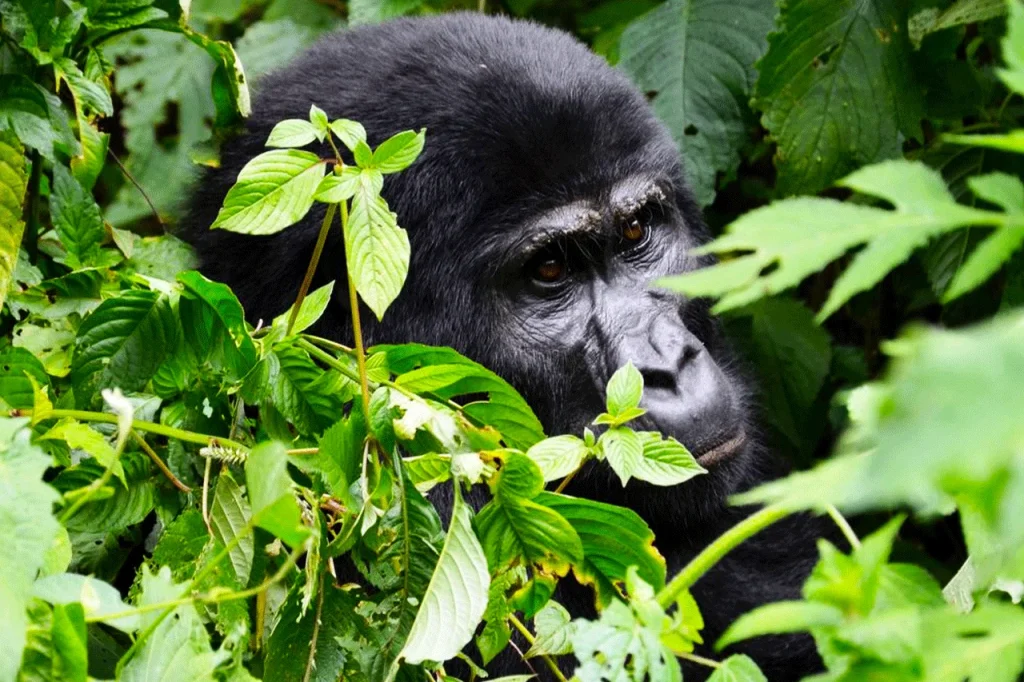
Uganda Safari with Gorilla Tracking Tours. A Uganda safari with gorilla tracking is one of the greatest wildlife adventures on the planet. In a single trip you can stand an arm’s length from a family of mountain gorillas in an ancient rainforest, follow chimpanzees through the canopy, watch lions resting in fig trees, cruise past hippos and elephants on the Kazinga Channel, and feel the spray of the River Nile as it explodes through Murchison Falls. Few countries offer this much variety in such a compact, friendly and beautiful setting.
At Kenlink Tours, gorilla tracking tours are at the heart of what we do. This guide explains how to plan the perfect Uganda gorilla safari: where to go, the best itineraries for every length of trip, what it costs, when to travel, what to pack and how to choose the right operator. Whether you have three days or three weeks, you will find a safari here that fits your dream.
Why Combine a Uganda Safari with Gorilla Tracking?
Many travellers first come to Uganda for the gorillas, and that is understandable. Mountain gorillas live only in the Virunga volcanoes and the Bwindi forest, shared between Uganda, Rwanda and the Democratic Republic of Congo. Uganda is home to nearly half of the world’s remaining mountain gorillas and has more habituated gorilla families than any other country. That means better permit availability and more choice of trekking locations.
But Uganda is far more than gorillas. Winston Churchill famously called it the “Pearl of Africa”, and once you visit you understand why. The country combines savannah wildlife, tropical rainforest, snow-capped mountains, great lakes and the source of the Nile. When you build your gorilla trek into a wider safari, you experience the full richness of the country rather than just one highlight.
Value is the other big reason. A Uganda gorilla permit costs far less than a permit in Rwanda, and the money you save can pay for several extra days of safari. You can read more about the country, its people and its parks on our About Uganda page.
What Is Gorilla Tracking?
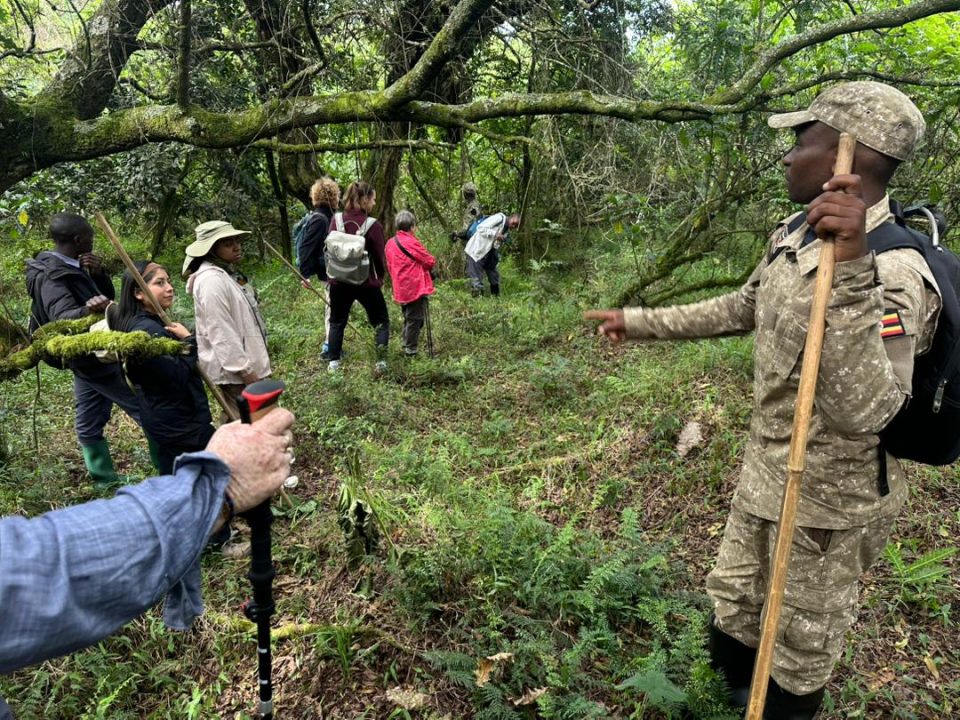
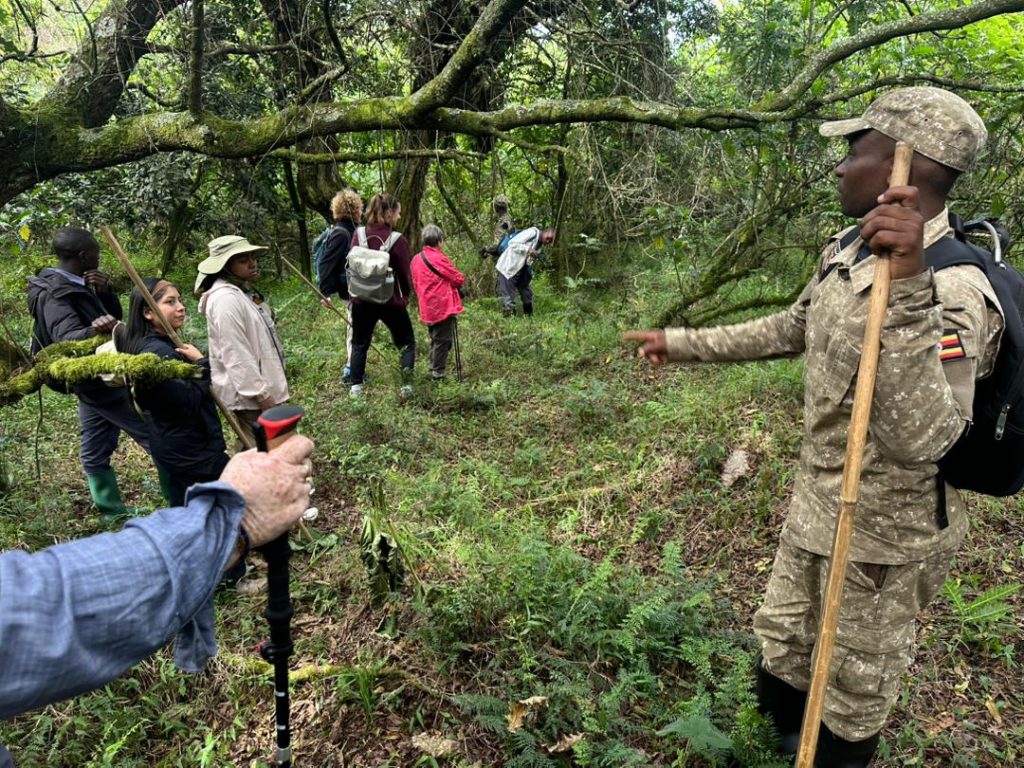
Gorilla tracking (also called gorilla trekking) means hiking into the forest with Uganda Wildlife Authority (UWA) rangers to find a habituated family of mountain gorillas. Habituated gorillas have been gradually used to the presence of people over several years, so they go about their normal lives while you watch: feeding, grooming, nursing babies, playing and resting.
Each family can be visited by a maximum of eight people per day, and once you find them you spend up to one hour in their company. The trek itself can last anywhere from 30 minutes to six hours or more, depending on where the gorillas moved overnight. The terrain is steep, muddy and covered in thick vegetation, which is why the forest is called “impenetrable”. The reward, however, is a moment that many travellers describe as life-changing: looking into the calm brown eyes of a silverback weighing over 150 kilograms, just a few metres away.
Where to Go Gorilla Tracking in Uganda
Uganda has two parks where you can track mountain gorillas. Both are in the far southwest of the country.
Bwindi Impenetrable National Park
Bwindi Impenetrable National Park is a UNESCO World Heritage Site and Uganda’s premier gorilla destination. Its misty, ancient forest is home to most of Uganda’s habituated gorilla families, spread across four trekking sectors: Buhoma in the north, Ruhija in the east, and Rushaga and Nkuringo in the south. Each sector has its own lodges and character. Rushaga, in the south, is also the only place in Africa offering the Gorilla Habituation Experience, which allows up to four hours with a gorilla family that is still being habituated.
Bwindi is also one of the best birding sites in Africa, with many species found only in the Albertine Rift. Around the park, community walks, Batwa cultural experiences and visits to local craft groups add a human side to your gorilla safari.
Mgahinga Gorilla National Park
Mgahinga Gorilla National Park is Uganda’s smallest park, set on the slopes of three extinct Virunga volcanoes. It has one habituated gorilla family, the Nyakagezi group, so permits are limited. Mgahinga is also the best place in Uganda for golden monkey tracking, and it offers volcano climbs and the Batwa Trail, a cultural walk led by the Batwa people, who once lived in these forests as hunter-gatherers.
Uganda’s Other Safari Highlights to Combine with Gorillas
The magic of a Uganda safari with gorilla tracking lies in the combinations. Here are the destinations that pair best with a gorilla trek.
Kibale Forest National Park: The Primate Capital
Kibale Forest National Park has one of the highest concentrations of primates in Africa, with 13 species, including large communities of habituated chimpanzees. Chimpanzee tracking here has very high success rates, and the experience is completely different from gorillas. Chimps are loud, fast-moving and full of energy, and they swing, call and drum on tree roots. Many travellers say that seeing both great apes on one trip is the perfect primate safari. Next to Kibale, the Bigodi Wetland Sanctuary offers a lovely community walk with excellent birding. Our 3-day chimpanzee tracking safari is ideal if you want to focus on chimps.
Queen Elizabeth National Park: Classic Savannah Safari
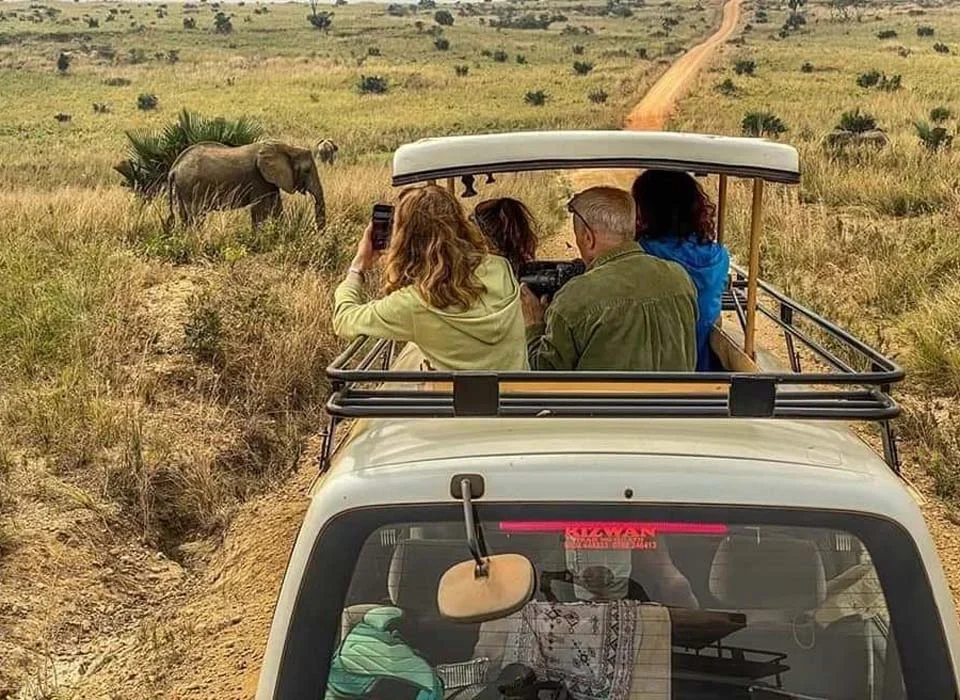
Queen Elizabeth National Park is Uganda’s most visited savannah park and sits conveniently between Kibale and Bwindi. Highlights include game drives on the Kasenyi plains with lions, elephants, buffalo and Uganda kob, and a boat cruise on the Kazinga Channel, where hippos, crocodiles, elephants and countless water birds gather along the shore. In the southern Ishasha sector you can look for the famous tree-climbing lions resting in the branches of fig trees. Ishasha is also on the way to Bwindi’s Buhoma sector, making it a perfect stop on a gorilla safari. Our 3 days wildlife encounter in Queen Elizabeth National Park shows what the park has to offer.
Murchison Falls National Park: The Mighty Nile
Murchison Falls National Park is Uganda’s largest national park and one of its most spectacular. Here the River Nile forces its way through a gorge just seven metres wide and plunges down in a thunderous waterfall. A boat trip to the bottom of the falls passes hippos, crocodiles and elephants, and game drives on the northern bank reveal giraffes, lions, buffalo, antelope and, with luck, leopards. On the way you can visit Ziwa Rhino Sanctuary to track white rhinos on foot, the only place in Uganda where you can see rhinos in the wild. For a short trip, this 3-day safari to Murchison Falls is a good example of what to expect.
Lake Mburo National Park: A Perfect Stopover
Lake Mburo is the closest savannah park to Kampala and lies on the road to Bwindi, so it is an ideal place to break the long drive. It is the best place in Uganda to see zebras and impala, and it offers walking safaris, horseback safaris, cycling and boat trips. That makes it a refreshing change from game viewing in a vehicle.
Other Great Additions
- Jinja and the source of the Nile: white-water rafting, kayaking, bungee jumping and sunset cruises.
- Lake Bunyonyi: a peaceful lake of islands and terraced hills near Bwindi, perfect for relaxing after your trek.
- Kidepo Valley National Park: remote and wild, with cheetahs, ostriches and dramatic landscapes in Uganda’s far northeast.
- The Rwenzori Mountains: the legendary “Mountains of the Moon”, for serious hikers and climbers.
- Birding: Uganda has over 1,000 recorded bird species, including the famous shoebill. Birders love our 7-day birdwatching safari in Uganda.
Best Uganda Safari with Gorilla Tracking Itineraries
The right itinerary depends on how much time you have, your budget and your interests. Here are our recommendations by trip length.
Short Gorilla Safaris (2 to 4 Days)
Short on time? A short gorilla tour focuses on the trek itself, with minimal driving. From Entebbe or Kampala, our 3-day Uganda gorillas safari takes you to Bwindi and back, with one full day of tracking. If you are flying into Kigali, the southern sectors of Bwindi are only a few hours away by road. Our 2-day Rwanda to Uganda gorilla trekking safari makes this possible in just two days. For a little more depth, the 4-day Uganda primate tour adds extra time in the forest.
Gorilla and Chimpanzee Safaris (5 Days)
Five days is enough to track both great apes. A typical route goes from Entebbe to Kibale for chimpanzee tracking, through Queen Elizabeth National Park for a game drive or boat cruise, and on to Bwindi for gorilla tracking. Our 5 days chimps and gorilla safari and 5 days gorilla and wildlife safari are two of our most popular trips. For comparison, see this 5-day Uganda gorilla and chimpanzee safari, or a slightly shorter 4-day wildlife and primate safari.
One-Week Gorilla and Wildlife Safaris (7 to 8 Days)
A week is the sweet spot for most travellers. You can track gorillas and chimps, enjoy game drives and a boat cruise in Queen Elizabeth, look for tree-climbing lions in Ishasha, and relax at Lake Bunyonyi or Lake Mburo, all at a comfortable pace. Our 7 days amazing gorilla and wildlife safari in Uganda and the 8-day Uganda gorilla, chimpanzee and wildlife safari are designed exactly for this. Another good example of a balanced week is this 7-day Uganda safari.
Ten-Day Gorilla Safaris
With ten days you can add Murchison Falls in the north or cultural experiences in villages and communities. Our 10 days best of primate, wildlife and cultural tour and 10 days Uganda adventure safari cover the country’s biggest highlights without rushing.
Long Uganda Safaris (2 to 4 Weeks)
For travellers who want the full Uganda experience, including Kidepo, the Rwenzoris, Jinja and every major park, longer safaris let you explore deeply and slowly. Choose from our 18-day Uganda adventure, 20-day wildlife and nature experience or our epic 25-day wildlife, gorilla and chimps adventure. For more inspiration, see this 14-day Uganda primates and safari adventure or, for bird lovers, an 18-day Uganda birding and wildlife safari.
Uganda and Rwanda Combined Gorilla Safaris
Many travellers combine Uganda and Rwanda in one trip, flying in or out of Kigali and tracking gorillas in one or both countries. Popular options include our 7 days Rwanda–Uganda safari and 9 days Uganda–Rwanda gorilla and Big Five safari. You can also see this 10-day Uganda–Rwanda safari. If you dream of combining gorillas with Kenya or Tanzania, our 10-day gorilla trekking and Great Migration safari and 14-day East Africa safari with Uganda gorillas and the Serengeti are the ultimate East African adventures.
Sample 7-Day Uganda Safari with Gorilla Tracking
To give you a feel for a typical trip, here is a classic one-week route:
- Day 1 – Arrival in Entebbe: your guide meets you at Entebbe International Airport and takes you to your hotel to rest.
- Day 2 – Drive to Kibale Forest: drive west through tea plantations and crater lakes to Fort Portal and Kibale. In the afternoon, enjoy the Bigodi Wetland walk.
- Day 3 – Chimpanzee tracking, then Queen Elizabeth: track chimpanzees in the morning, then drive to Queen Elizabeth National Park.
- Day 4 – Game drive and Kazinga Channel cruise: a morning game drive on the Kasenyi plains and an afternoon boat cruise among hippos, buffalo and elephants.
- Day 5 – Ishasha and on to Bwindi: look for tree-climbing lions in Ishasha, then continue to Bwindi.
- Day 6 – Gorilla tracking: the highlight of your safari. In the afternoon, take an optional community or Batwa cultural walk.
- Day 7 – Return to Entebbe or Kigali: drive back to Entebbe, take a domestic flight, or transfer to Kigali for your flight home.
Every one of our safaris can be adjusted. Add a night at Lake Bunyonyi, swap Kibale for golden monkeys in Mgahinga, or extend to Murchison Falls. Just tell us what you love.
Gorilla Permit Prices and Safari Costs
The gorilla permit is the biggest single cost of your safari. Current UWA gorilla trekking permit prices are:
| Visitor category | Standard permit | Low season (April, May, November) |
|---|---|---|
| Foreign non-residents | USD 800 | USD 600 |
| Foreign residents | USD 700 | USD 500 |
| Rest of Africa | USD 500 | USD 500 |
| East African citizens | UGX 300,000 | UGX 300,000 |
Chimpanzee tracking in Kibale costs considerably less than gorilla tracking, and discounted low-season chimp permits are also available in April, May and November. The Gorilla Habituation Experience is more expensive than a standard permit. UWA can change its tariffs, so we always confirm the latest prices in your quote.
Beyond permits, the total cost of your safari depends on:
- Length of the trip: more days mean more accommodation, meals and fuel.
- Accommodation level: budget, mid-range or luxury lodges.
- Group size: the cost of the vehicle and guide is shared, so larger groups pay less per person.
- Season: low-season permits and lodge discounts can make a big difference.
- Transport: road travel in a 4×4 or faster domestic flights.
- Extra activities: boat cruises, rhino tracking, rafting, cultural visits and more.
Travelling as a group is one of the best ways to save. Take a look at our group tours and scheduled departure safaris, where you can join other travellers on fixed dates. We always provide a clear, itemised quote with no hidden costs.
Best Time for a Uganda Gorilla Safari
You can go gorilla tracking in Uganda all year round, because the gorillas don’t migrate. The seasons do affect your experience, though:
- Dry seasons (June to September and December to February): the most popular time. Trails are drier and easier, and savannah game viewing is excellent because animals gather near water. Book permits and lodges early.
- Wet seasons (March to May and October to November): more rain and muddier trails, but the landscapes are lush, there are fewer visitors, and discounted gorilla permits apply in April, May and November. Birding is excellent, as migratory species are present.
Bwindi is a rainforest, so rain can fall in any month. Whatever season you choose, pack good waterproof gear.
Where to Stay on a Gorilla Safari
Uganda offers accommodation for every budget, from simple, clean bandas and guesthouses to luxurious forest lodges with spectacular views. Near Bwindi, each trekking sector has its own selection of lodges, so it is important that your accommodation matches the sector on your permit. A lodge in the wrong sector can mean a three-hour drive before dawn. When we plan your safari, we always match your lodge to your trekking sector, and we choose properties we know and trust in every park.
Getting Around: Transport on a Uganda Safari
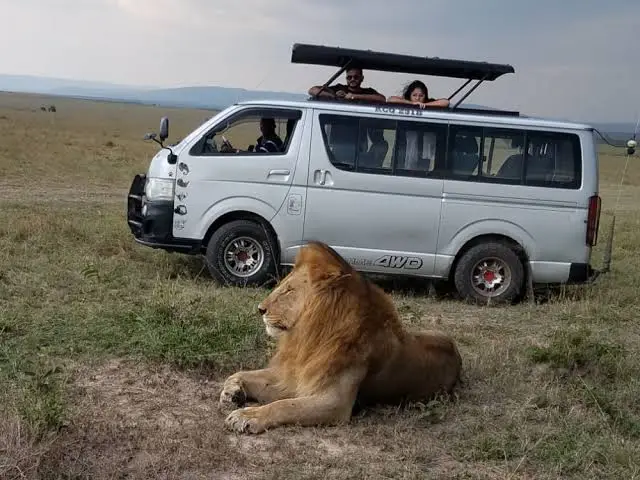
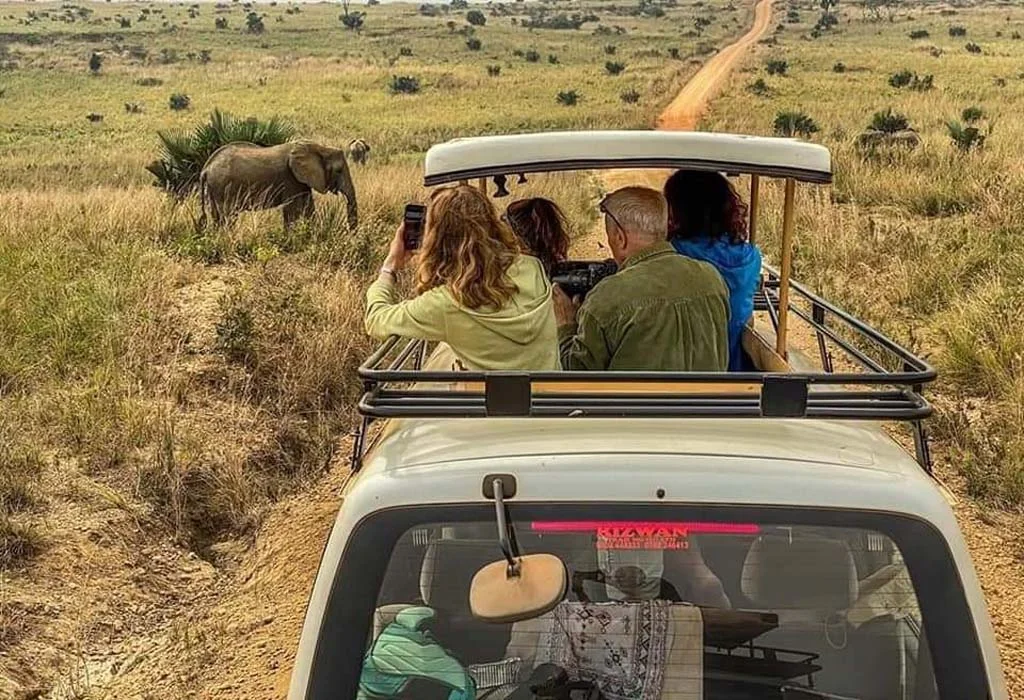
Most safaris in Uganda are done by road in a comfortable 4×4 safari vehicle with a pop-up roof for game viewing. The country’s scenery, with its rolling hills, tea plantations, crater lakes and villages, is part of the experience. However, distances are significant: the drive from Entebbe to Bwindi takes most of a day. Breaking the trip with stops at the Equator, Lake Mburo or Queen Elizabeth makes it much more enjoyable.
Your driver-guide is one of the most important people on your safari. Ours are experienced, friendly and knowledgeable about wildlife, birds, history and culture. They also know the roads well. We also offer domestic flights for travellers who prefer to save time, and car hire for those who want flexibility. See our safari fleet.
Gorilla Tracking Rules and Requirements
To protect the gorillas and keep everyone safe, UWA enforces some important rules:
- You must be at least 15 years old to track gorillas.
- Do not trek if you are sick. Gorillas can catch human illnesses such as colds and flu.
- Keep a distance of at least 7 metres (about 21 feet) from the gorillas.
- Wear a face mask if your ranger asks you to.
- Keep your voice low, do not eat or drink near the gorillas, and never use flash photography.
- Never touch the gorillas, even if a curious youngster approaches.
- Your visit is limited to one hour once the gorillas are found.
What to Expect on Gorilla Tracking Day
Your gorilla tracking day starts early. After breakfast at around 6:00 am, your driver-guide takes you to the park office of your trekking sector, where you check in by 7:30 am. Local dancers often welcome visitors with songs and drumming. Then UWA rangers give a short briefing on the rules, introduce the gorilla families, and divide visitors into groups of up to eight.
Long before you arrive, advance trackers have gone into the forest to find the nests where the gorillas spent the night. From there they follow the trail of broken branches and fresh droppings, and they guide your ranger by radio. Your group sets off at around 8:00 am, walking through farmland and tea gardens at first, then into the dense forest.
When you get close, you leave your bags and walking sticks with the porters, put on your face mask and move quietly forward. Suddenly a dark shape appears in the green: a mother with a tiny baby clinging to her chest, a juvenile beating its chest in play, and then the silverback, calm and powerful, watching over his family. For one hour, time seems to stop. Afterwards, you walk back to the starting point, receive your gorilla tracking certificate and return to your lodge to share stories over a well-earned meal.
How Fit Do You Need to Be?
Gorilla tracking does not require you to be an athlete, but a reasonable level of fitness makes it much more enjoyable. Treks can involve steep climbs, slippery slopes and thick undergrowth, sometimes at altitudes above 2,000 metres. Rangers often match visitors to gorilla families according to fitness, so tell them at the morning briefing if you prefer a shorter trek.
Hiring a local porter is highly recommended. Porters carry your daypack, help you up steep sections and give you a helping hand when the path gets slippery. They also earn a valuable income for their families, and many are former poachers or their relatives, so hiring them directly supports conservation. A walking stick is also a great help and is usually provided at the start of the trek.
What to Pack for a Uganda Safari with Gorilla Tracking
- Waterproof hiking boots with good ankle support and grip
- Long trousers and long-sleeved shirts in neutral colours (avoid bright colours and dark blue or black, which attract tsetse flies in some savannah areas)
- A waterproof rain jacket
- Gardening gloves for gripping vines and branches
- A warm fleece or sweater for cool mornings and evenings in the highlands
- A small daypack, a reusable water bottle and energy snacks
- Insect repellent, sunscreen, sunglasses and a hat
- Binoculars for game drives and birding
- A camera with spare batteries and memory cards
- Face masks for the gorilla visit
- Your passport, a visa, and your yellow fever vaccination certificate, which is required to enter Uganda
- Any personal medication, plus malaria prophylaxis as advised by your doctor
Health, Safety and Travel Tips
Uganda is a welcoming and friendly country, and safaris with a reputable operator are safe and well organised. A few practical tips:
- Yellow fever: a vaccination certificate is required for entry. Speak to a travel clinic about other recommended vaccines.
- Malaria: take anti-malaria medication as advised, use repellent, and sleep under mosquito nets where provided.
- Visas: most visitors need a visa, which can be applied for online. The East Africa Tourist Visa covers Uganda, Rwanda and Kenya, which is useful for combined trips.
- Travel insurance: make sure your policy covers medical treatment, evacuation and trip cancellation.
- Money: carry some US dollars in newer, undamaged notes, along with Ugandan shillings for small purchases and tips.
- Respect local culture: always ask before photographing people, and dress modestly in villages.
Responsible Gorilla Tourism
Gorilla tourism is one of the great conservation success stories. Mountain gorilla numbers have grown thanks to strict protection, and permit fees fund rangers, research and veterinary care. A share of park revenue also goes to the communities living around the parks, which gives local people a direct stake in protecting the gorillas.
When you travel with Kenlink Tours, your safari supports this model. We follow UWA rules strictly, encourage our guests to hire local porters and buy from community craft groups, use local guides and suppliers, and promote low-impact travel such as reducing plastic use. Responsible travel means the gorillas will still be there for your children and grandchildren to meet.
How to Choose the Right Gorilla Safari Operator
Your operator shapes your whole experience, so choose carefully. Look for:
- A valid licence: the company should be registered and licensed by the Uganda Tourism Board.
- Real reviews: check independent reviews on platforms like TripAdvisor and SafariBookings.
- Fast, clear communication: a good operator answers your questions quickly and honestly.
- Transparent pricing: an itemised quote that shows exactly what is included and excluded.
- Experienced guides and good vehicles: ask about the guides’ experience and the condition of the vehicles.
- Clear terms: read the booking, payment and cancellation policies. You can see ours in our terms and conditions.
Why Book Your Uganda Gorilla Safari with Kenlink Tours?
- Local experts: we are a Ugandan company based in Kampala, and we know our country inside out.
- Permit specialists: we secure gorilla and chimpanzee permits quickly and match the right sector to your itinerary.
- Tailor-made safaris: every trip is designed around your dates, interests and budget.
- Professional driver-guides: friendly, knowledgeable and safety-focused.
- Reliable 4×4 vehicles: well maintained, with pop-up roofs for game viewing.
- Great value: honest pricing with no hidden costs.
- Responsible travel: we support conservation and the communities around the parks.
Learn more about our team, or browse all our Uganda safari tours.
Frequently Asked Questions
How many days do I need for a Uganda safari with gorilla tracking?
Gorilla tracking alone takes 2 to 3 days. To combine gorillas with chimpanzees and a savannah safari, plan at least 5 days, and 7 to 10 days for a relaxed trip that covers the main highlights.
How much does a Uganda gorilla safari cost?
The gorilla permit costs USD 800 for foreign non-residents, or USD 600 in April, May and November. The total safari cost depends on the number of days, accommodation level, group size and activities. Contact us for a free, tailor-made quote.
Can I see gorillas and chimpanzees on the same trip?
Yes. Combining chimpanzee tracking in Kibale with gorilla tracking in Bwindi is one of the most popular Uganda safari itineraries, and it can be done in as little as 5 days.
Can I see the Big Five in Uganda?
Uganda has lions, leopards, elephants and buffalo in its national parks, and white rhinos at Ziwa Rhino Sanctuary. A well-planned safari can include all five, together with gorillas and chimpanzees.
Is it better to start my gorilla safari in Entebbe or Kigali?
Both work well. Entebbe is ideal for longer safaris that include Kibale, Queen Elizabeth and Murchison. Kigali is closer to southern Bwindi and Mgahinga, which makes it perfect for short gorilla trips.
What is the minimum age for gorilla tracking?
You must be at least 15 years old. Younger children can still enjoy game drives, boat cruises and cultural experiences on a family safari.
Is a Uganda gorilla safari safe?
Yes. Gorilla tracking is guided by trained UWA rangers, and safaris with a licensed, experienced operator are well organised and safe. Follow your guide’s advice and normal travel precautions.
Plan Your Uganda Safari with Gorilla Tracking Today
A Uganda safari with gorilla tracking brings together Africa’s most moving wildlife encounter with chimpanzees, lions, elephants, the mighty Nile and some of the friendliest people you will ever meet. Whether you choose a quick gorilla trek from Kigali or a grand journey through the Pearl of Africa, it will be a trip you remember for the rest of your life.
Gorilla permits are limited and sell out early, especially in peak season, so the sooner you plan, the better. Contact Kenlink Tours today with your dates and interests, and our team will design your perfect gorilla safari, secure your permits and take care of every detail.