- EXPERT'S HELP
- +256789210067
- +256200955001
- info@kenlinktours.com


Kigali to Bwindi Gorilla Trekking Safari: Full Itinerary Guide
May 1, 2026
Save $700 on Gorilla Permits: Trek Uganda from Kigali
May 2, 2026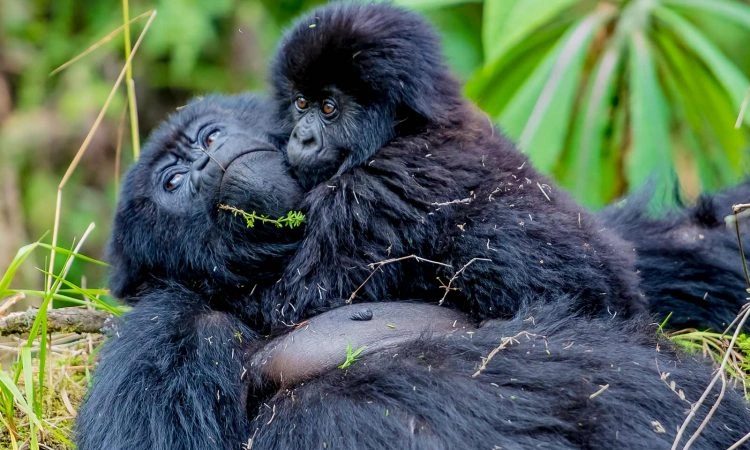
Rwanda has earned a well-deserved reputation as one of the most accessible gorilla trekking destinations on earth. With Volcanoes National Park sitting just 2 to 3 hours from Kigali, the capital, the logistics of a single-day gorilla trek are very much within reach. But can you really pull it off in just one day? The short answer is yes — with the right planning, the right tour operator, and realistic expectations about what the day involves.
In this guide, we break down everything you need to know about doing a 1-day gorilla trekking trip from Rwanda, including costs, logistics, what the experience is like, and whether it’s truly worth it.
How Does a 1-Day Gorilla Trek from Rwanda Actually Work?
A standard 1-day gorilla trekking trip from Rwanda typically follows this rhythm:
You rise before dawn — usually between 4:00 and 5:00 AM — and your driver-guide picks you up from your Kigali hotel. The drive northwest to Volcanoes National Park takes roughly 2 to 3 hours through Rwanda’s iconic rolling hills. You arrive at the park headquarters in Kinigi by around 7:30 AM for the pre-trek briefing, which begins at 8:00 AM sharp.
At the briefing, park rangers assign you to one of several habituated gorilla families based on your fitness level and group preferences. Groups are strictly capped at 8 visitors per gorilla family per day. The actual trek through the forest can take anywhere from 1 hour to 6 hours depending on where the gorillas have moved that day — this is the variable factor that makes rigid scheduling a challenge.
Once you locate the gorilla family, you get exactly one magical hour with them. No more. This is a non-negotiable conservation rule that exists to protect the gorillas from excessive human exposure. After your hour is up, you hike back out of the forest, receive your trekking certificate, and make the return drive to Kigali — arriving by evening, usually between 6:00 PM and 8:00 PM.
It’s a long, full day. But it is absolutely doable.
The Rwanda Gorilla Trekking Permit Cost
Rwanda’s gorilla trekking permit currently costs USD $1,500 per person. This is the single biggest investment of your trip and must be purchased well in advance — permits often sell out months ahead during peak seasons. The permit fee goes directly toward gorilla conservation and community development programs, making it one of the most meaningful wildlife experiences you’ll pay for anywhere in the world.
If the Rwanda permit price stretches your budget, it’s worth knowing that Uganda offers a compelling alternative at USD $800 per person for foreign non-residents — a significant saving. Many travelers start their safari from Kigali and cross into Uganda for gorilla trekking in Bwindi Impenetrable Forest or Mgahinga Gorilla National Park, combining the best of both countries in one trip. You can read more about that option in our guide to Uganda Gorilla Safari Starting from Kigali, Rwanda.
For those wondering about the difference in experience between the two countries, our detailed comparison — Gorilla Tracking in Uganda and Rwanda: Which is Better? — lays out all the key factors, from terrain and cost to accessibility and wildlife density.
What’s the Gorilla Trekking Experience Like in Volcanoes National Park?
Rwanda’s Volcanoes National Park — part of the dramatic Virunga Massif shared between Rwanda, Uganda, and the Democratic Republic of Congo — is one of the world’s premier wildlife destinations. The park’s well-maintained trails, professional guides, and relatively moderate terrain make it an ideal destination for first-time gorilla trekkers.
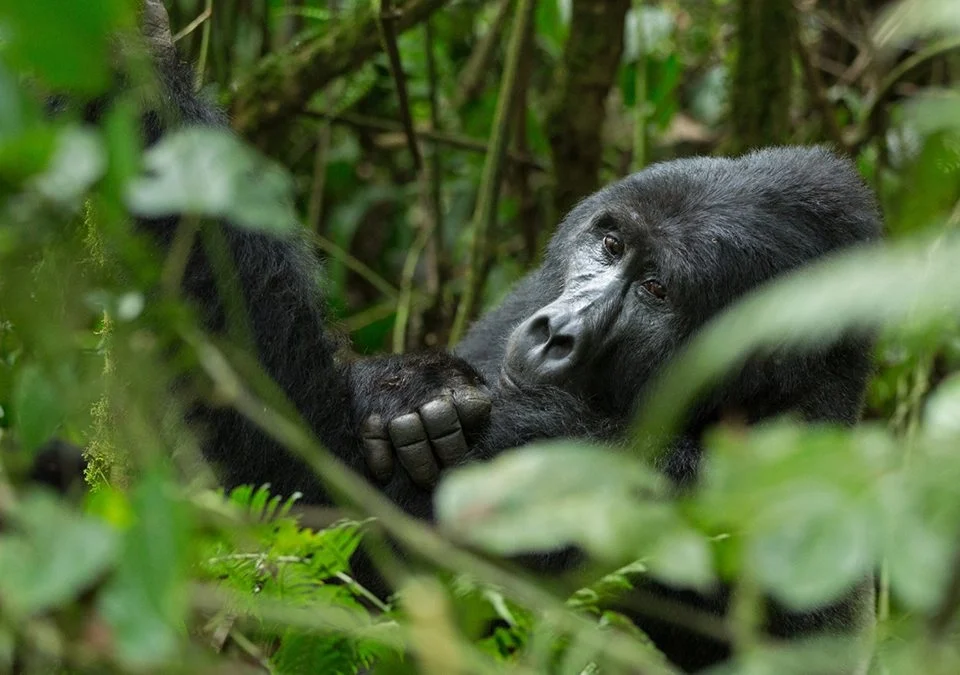
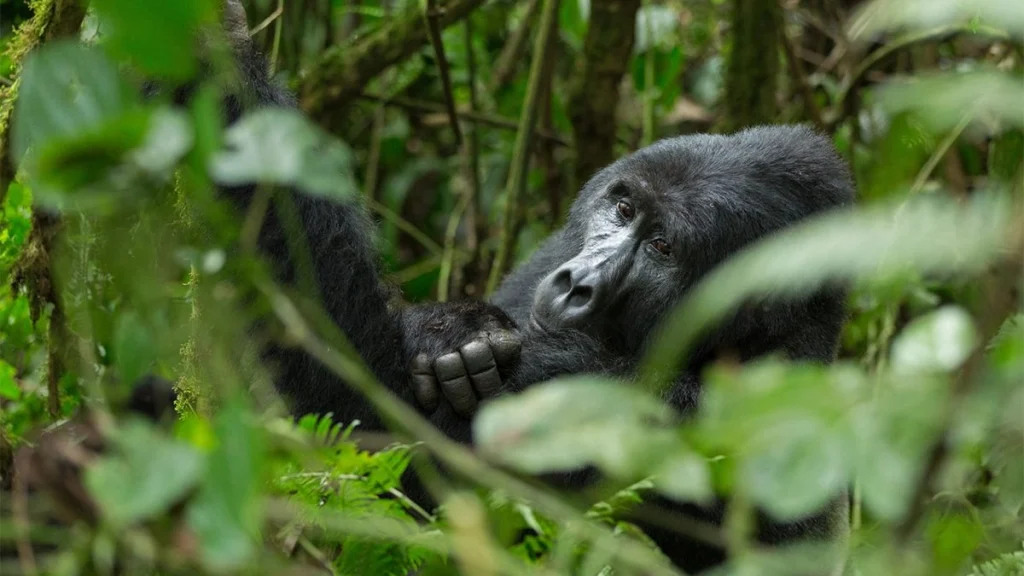
The forests here are dense, misty, and alive with birdsong. As you hike through bamboo thickets and up volcanic slopes, the anticipation builds steadily. Then, suddenly, through a gap in the vegetation, you see them — a massive silverback reclined against a tree trunk, infants tumbling playfully nearby, females grooming one another with quiet focus.
The one-hour encounter is unlike anything else in wildlife travel. Mountain gorillas are so close to us genetically — sharing approximately 98% of our DNA — that the experience carries an almost uncanny emotional weight. Many visitors describe it as one of the most profound moments of their lives.
For a deeper look at what to expect from start to finish, read our article on What It’s Like to Trek Gorillas in Uganda and Rwanda.
Is One Day Enough for Gorilla Trekking in Rwanda?
Technically, yes. Practically, it depends on your travel style.
A 1-day gorilla trek from Rwanda works very well if:
- You’re already based in Kigali and want to maximize a short stopover
- You’re a transit traveler with limited time
- You’re combining Rwanda with a Uganda itinerary and want to add an experience in Volcanoes before crossing the border
- You’ve done a previous gorilla trek elsewhere and want to compare the Rwanda experience
However, if this is your first gorilla trekking experience and you want to make the most of it without rushing, a 2 or 3-day trip to the area is far more rewarding. Our popular 3-Day Gorilla Trekking Safari in Volcanoes National Park includes time to explore the surrounding landscape, visit the Dian Fossey Tomb Trail, and enjoy golden monkey tracking — giving you a much richer overall experience of this remarkable part of Rwanda.
If you have more time and want to explore both countries comprehensively, check out our guide on How Many Days Do I Need to Visit Uganda and Rwanda for full itinerary recommendations.
What to Pack for a 1-Day Trek
Even on a day trip, what you bring can make or break the experience. The forest trails are often muddy, steep, and unpredictable in weather. Here’s the quick essentials list:
- Sturdy waterproof hiking boots (no sneakers)
- Long-sleeved shirt and long trousers (protection from nettles and insects)
- Light rain jacket or poncho
- Garden or work gloves for grabbing vegetation on steep slopes
- Insect repellent
- 1.5 to 2 litres of water and energy snacks
- Your gorilla permit and passport (required at the park gate)
- A camera without flash
For a comprehensive packing guide, visit What to Pack for Gorilla Trekking in Uganda, Rwanda & Congo.
It’s also a good idea to hire a porter at the trailhead. Porters charge around $15 and not only carry your bag but provide invaluable support on difficult terrain — and your fee goes directly toward supporting local communities around the park.
What About Behaviour During the Trek?
Gorillas are gentle animals, but they are wild. Park rangers conduct a thorough briefing before every trek, covering dos and don’ts that protect both you and the gorillas. Some key rules include keeping a minimum 7-metre distance at all times, avoiding direct eye contact with the silverback, not using flash photography, and staying quiet during the encounter.
If a gorilla charges — which is rare but possible — remaining still and looking away is the correct response. Our post on What to Do When a Gorilla Charges at You covers this scenario in full detail, helping you feel confident and prepared.
Best Time of Year for a 1-Day Trek from Rwanda
You can trek gorillas year-round in Rwanda, but the experience is most comfortable during the dry seasons — June to September, and December to February. Trails are firmer, weather is more predictable, and the forest opens up slightly for better sightings and photography.
The wet seasons (March to May and October to November) bring lush, emerald-green forests and fewer tourists, but trails can be very muddy and physically demanding. Read our full breakdown at What is the Best Time to See Gorillas in Uganda and Rwanda to help you choose your ideal travel window.
Want to Go Deeper? Consider Uganda’s Gorilla Habituation Experience
If you find the one-hour encounter leaves you wanting more, Uganda offers an extraordinary alternative: the Gorilla Habituation Experience in Bwindi Impenetrable Forest, where you spend a full four hours with a semi-habituated gorilla family. The permit for this costs USD $1,500 per person, matching Rwanda’s standard trek price but offering four times the time with the gorillas. Learn more about it in our article Is There Gorilla Habituation in Rwanda?
For those wanting to combine gorilla trekking with other wildlife and cultural experiences across both countries, explore our guide on Combining Rwanda and Uganda Gorilla Trekking and Culture.
Book Your 1-Day Gorilla Trek with Kenlink Tours
At Kenlink Tours, we handle every detail of your gorilla trekking safari — from securing your permit well in advance to arranging comfortable transport, experienced guides, and flexible itineraries. Whether you want a fast, exhilarating 1-day trek from Kigali or a multi-day adventure combining Uganda and Rwanda, we craft the experience around your timeline and budget.
Visit the official Rwanda Development Board website at rdb.rw for information on gorilla permit regulations and conservation updates, or the Uganda Wildlife Authority for Uganda-specific permit information.
Ready to meet the mountain gorillas? Start planning your Uganda safari bookings with our team today, or get in touch with us directly to design your perfect itinerary. The gorillas are waiting.
Kenlink Tours — Gorilla Trekking Specialists in Uganda and Rwanda. WhatsApp: +256 789 210 067 | Email: info@kenlinktours.com