- EXPERT'S HELP
- +256789210067
- +256200955001
- info@kenlinktours.com


Tipping guide for Uganda and Rwanda safaris
May 19, 2026
Tree-climbing lions of Ishasha: where and how to see them
May 20, 2026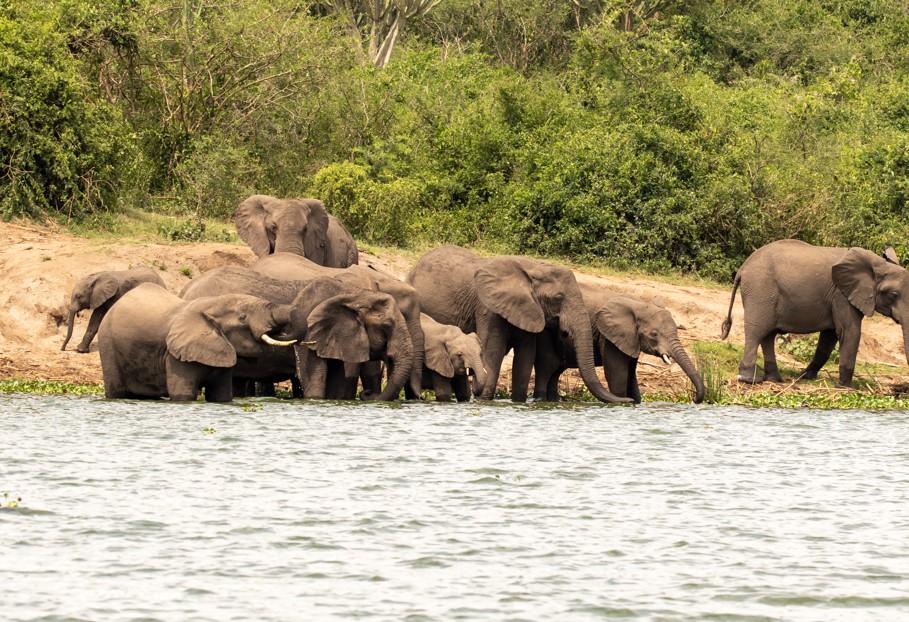
Complete guide to Queen Elizabeth National Park. Queen Elizabeth National Park is one of Africa’s most spectacular and biologically diverse wildlife sanctuaries. Sprawling across approximately 1,978 square kilometres in southwestern Uganda, it sits at the heart of the Great Rift Valley, flanked by the Rwenzori Mountains to the north and the volcanic Virunga ranges to the south. Whether you are a first-time safari-goer or a seasoned wildlife enthusiast, this park delivers experiences that are truly impossible to replicate anywhere else on the continent. This complete guide covers everything you need to know before you visit — from the best wildlife activities and ideal travel seasons to practical tips that will help you get the most out of your adventure.
Why Queen Elizabeth National Park Stands Apart
Named after Queen Elizabeth II following her visit in 1954, the park was gazetted in the same year and has since earned recognition as a UNESCO Biosphere Reserve. It sits across four districts — Kasese, Kamwenge, Rubirizi, and Rukungiri — and is part of a larger protected area network that includes Kyambura Game Reserve and Kigezi Wildlife Reserve.
What makes Queen Elizabeth National Park truly extraordinary is its astonishing biodiversity. It is home to over 95 mammal species and more than 600 bird species, making it one of the most important birding destinations in the world. The park’s diverse landscapes — ranging from open savannah and crater lakes to dense tropical forests and wetlands — create the perfect habitat for an enormous range of wildlife.
If you are planning a complete Uganda safari experience that combines big-game viewing, primate trekking, and boat cruises all in one destination, our Uganda safari packages are tailored exactly for that.
Top Wildlife Experiences You Cannot Miss
1. Game Drives on the Kasenyi and Ishasha Plains
The Kasenyi Plains in the northern sector of the park are renowned for large lion prides, herds of Uganda kob, topi, buffalo, and elephants. Morning and evening game drives here offer some of the most dramatic predator-prey interactions in East Africa. Expect to spot spotted hyenas, warthogs, olive baboons, and the occasional leopard resting in the acacia trees.
The Ishasha sector in the southern part of the park is world-famous for its tree-climbing lions — a rare behaviour seen in very few places globally. These lions have adapted to climbing fig trees, and watching them lounge on the branches against a sweeping savannah backdrop is one of Uganda’s most iconic wildlife moments. Our Ishasha tree-climbing lion safaris depart regularly and can be combined with a gorilla trekking extension.
2. Boat Cruise on the Kazinga Channel
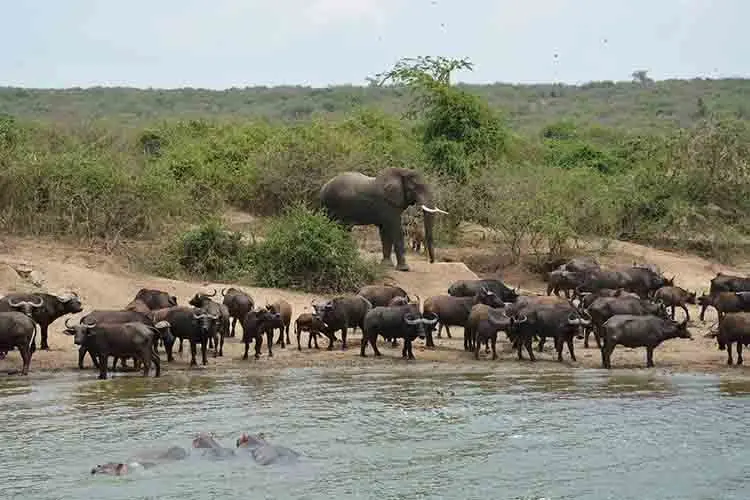
The Kazinga Channel is a natural waterway stretching 40 kilometres between Lake Edward and Lake George, and a boat cruise along it is arguably the single best wildlife experience in the entire park. The channel banks host the highest concentration of hippos in Africa — an estimated 2,000 to 5,000 individuals — alongside enormous herds of Cape buffalo, Nile crocodiles, and dozens of waterbird species including African fish eagles, marabou storks, and pink-backed pelicans.
The standard boat cruise lasts about two hours and is operated under the management of the Uganda Wildlife Authority, which oversees all activity within the park to ensure sustainable tourism and wildlife conservation. Sunset cruises are particularly magical, with golden light reflecting off the water as hippos grunt and splash around your vessel.
3. Chimpanzee Trekking in Kyambura Gorge
Known locally as the “Valley of Apes,” Kyambura Gorge is a dramatic forested ravine carved into the floor of the Rift Valley, bordering the eastern edge of the park. It is home to a habituated chimpanzee community that can be visited on guided trekking excursions. Watching chimpanzees swing through the forest canopy, forage for food, and interact socially is a deeply moving experience that connects visitors with our closest primate relatives.
Chimpanzee trekking requires advance permits which must be secured well ahead of your travel date. Explore our chimpanzee trekking experiences for more details and permit booking support.
4. Birdwatching: A Paradise for Birders
With over 600 bird species recorded, Queen Elizabeth National Park ranks among the top birding destinations on the African continent. The diverse habitats attract an extraordinary mix of species — from the elusive African skimmer and the papyrus gonolek found in the wetlands, to the shoebill stork, martial eagle, and Verreaux’s eagle owl. The Mweya Peninsula and the shores of the Kazinga Channel are particularly productive birding spots. According to BirdLife International, Queen Elizabeth National Park is one of Uganda’s most important Important Bird Areas (IBAs), a classification reflecting the park’s global significance for avian conservation.
Best Time to Visit Queen Elizabeth National Park
Queen Elizabeth National Park can be visited year-round, but timing your trip well makes a significant difference to your experience.
The dry seasons — June to August and December to February — are the most popular and rewarding periods for game viewing. Wildlife concentrates around water sources, making animals easier to spot, and the tracks are passable even in a standard 4×4 vehicle. These months also see the clearest skies, which is ideal for photography.
The wet seasons — March to May and September to November — bring lush green landscapes and are excellent for birdwatching as migratory species arrive. The park sees fewer visitors during these months, which means better deals on accommodation and a more intimate wilderness experience. However, some roads can become muddy and challenging to navigate, so a high-clearance 4WD vehicle is essential.
For tailored advice on when to plan your visit based on your specific interests, feel free to get in touch with our team at Kenlink Tours.
Accommodation Options: Where to Stay
Queen Elizabeth National Park offers a wide range of accommodation to suit different budgets and preferences.
Mweya Safari Lodge — Perched on a peninsula overlooking the confluence of the Kazinga Channel, Lake Edward, and Lake George, Mweya is the most iconic lodge in the park, offering luxury bandas, a swimming pool, and stunning panoramic views.
Ishasha Wilderness Camp — For those visiting the southern sector to see tree-climbing lions, Ishasha Wilderness Camp provides a remote and intimate bush experience on the banks of the Ntungwe River.
Budget and Mid-Range Options — Several campsites and guesthouses exist within and around the park, making the destination accessible even for travellers on tighter budgets. Browse our budget-friendly Uganda safari options for packages that include accommodation, transport, and activities without compromising on the experience.
For comprehensive accommodation listings and visitor planning resources, the Uganda Tourism Board’s official destination guide is an excellent reference point.
Park Fees and Entry Requirements
All visitors to Queen Elizabeth National Park are required to pay an entry fee, which is set and managed by the Uganda Wildlife Authority. As of the latest update, foreign non-resident adults pay USD 40 per day per person, while foreign residents and East African Community citizens pay reduced rates. These fees contribute directly to conservation efforts and community development programs surrounding the park.
Chimpanzee trekking and other special activity permits carry additional costs and must be booked in advance. It is strongly advisable to plan your permits at least three to six months ahead, particularly if you are travelling during peak season.
How to Get to Queen Elizabeth National Park
The park is located approximately 420 kilometers from Kampala, Uganda’s capital, and the drive takes around five to six hours via Fort Portal or Mbarara depending on which sector you are heading to.
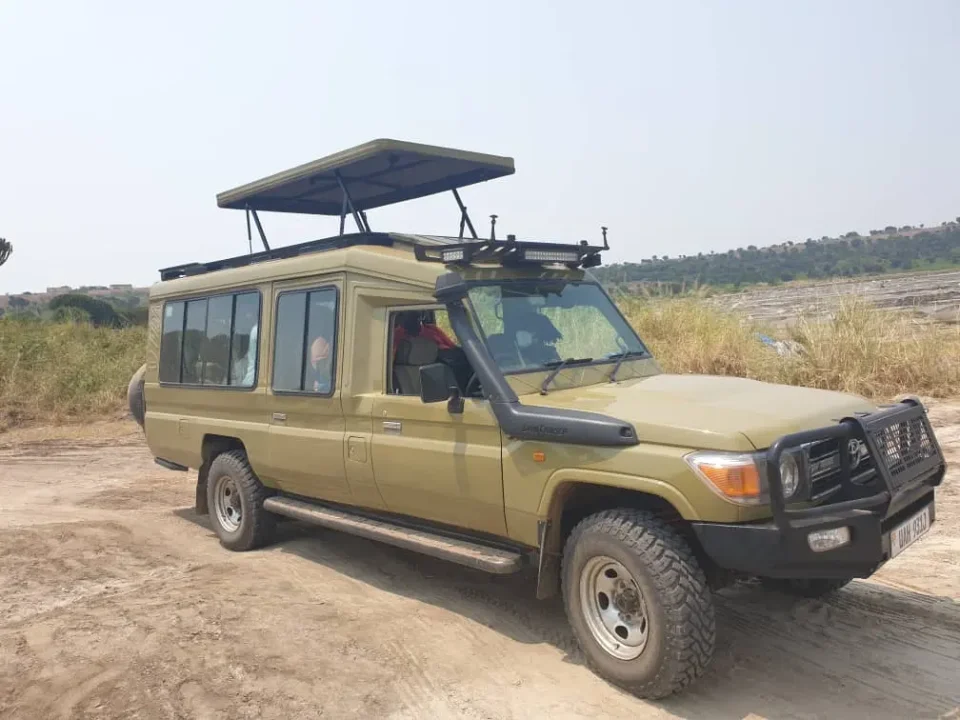
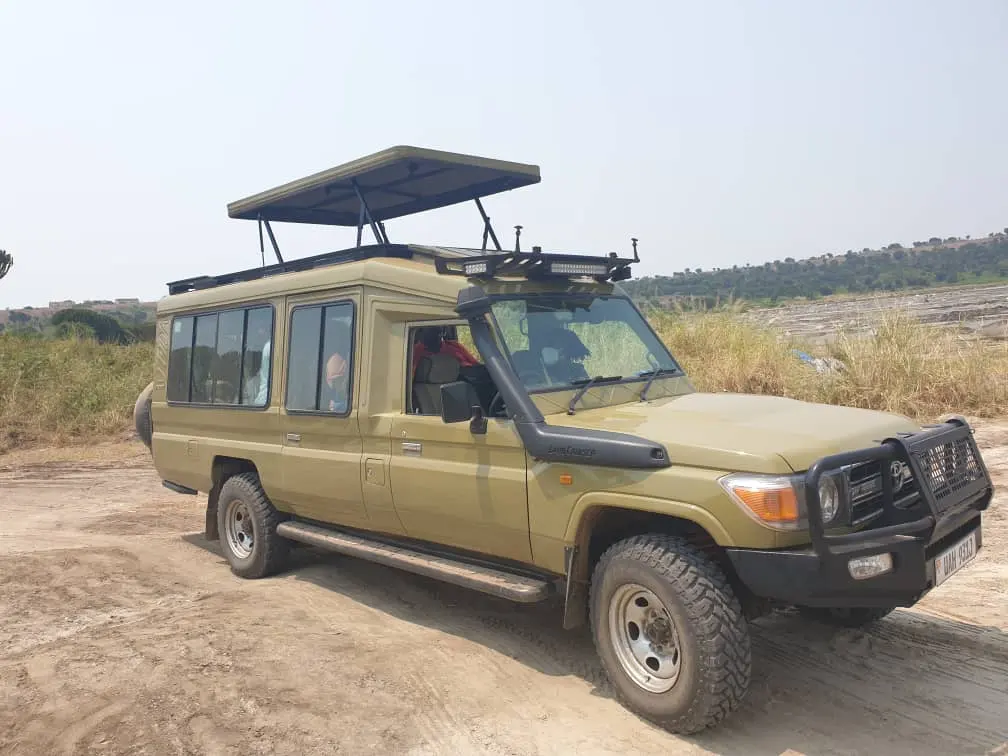
Most visitors travel overland in a private 4WD safari vehicle — the most common arrangement on organized tours. Alternatively, scheduled and chartered flights operate between Entebbe International Airport and the Mweya airstrip, cutting travel time considerably.
At Kenlink Tours, we handle all logistics — from airport pickup and park entry permits to accommodation bookings and experienced English-speaking driver-guides. Browse our Queen Elizabeth safari tours to find the right itinerary for your trip.
Why Queen Elizabeth National Park Belongs on Your Safari List
Queen Elizabeth National Park is not just another wildlife reserve — it is a complete safari ecosystem where the savannah, the forest, the wetlands, and the crater lakes all come together to deliver an experience of unparalleled richness. From tree-climbing lions and chimpanzees to boat cruises teeming with hippos and crocodiles, and skies filled with hundreds of bird species, every hour spent in this park rewards the curious traveller.
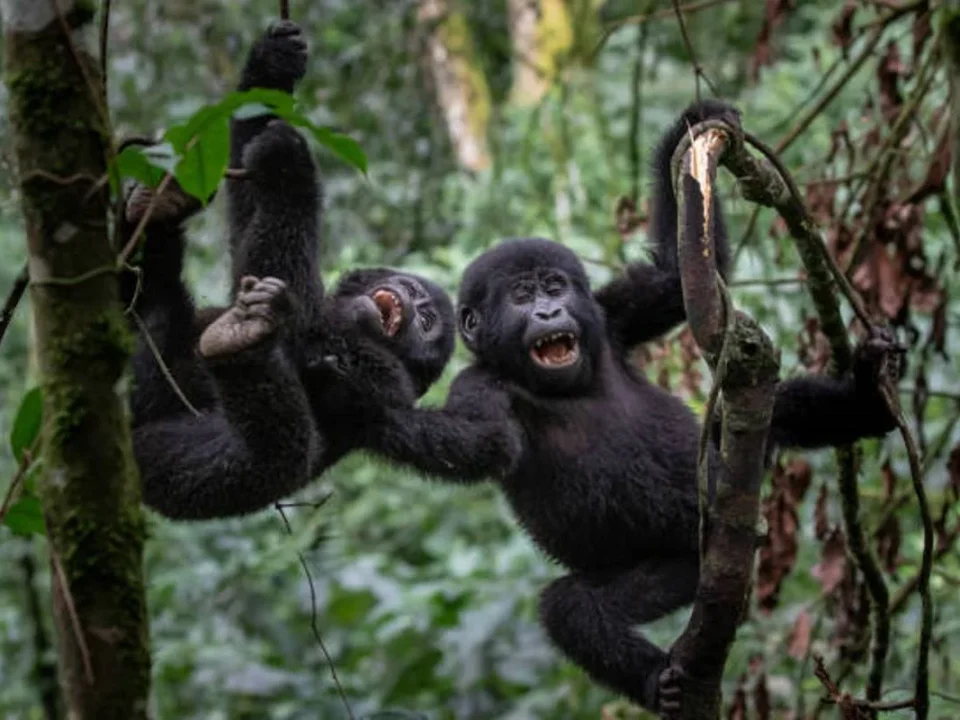
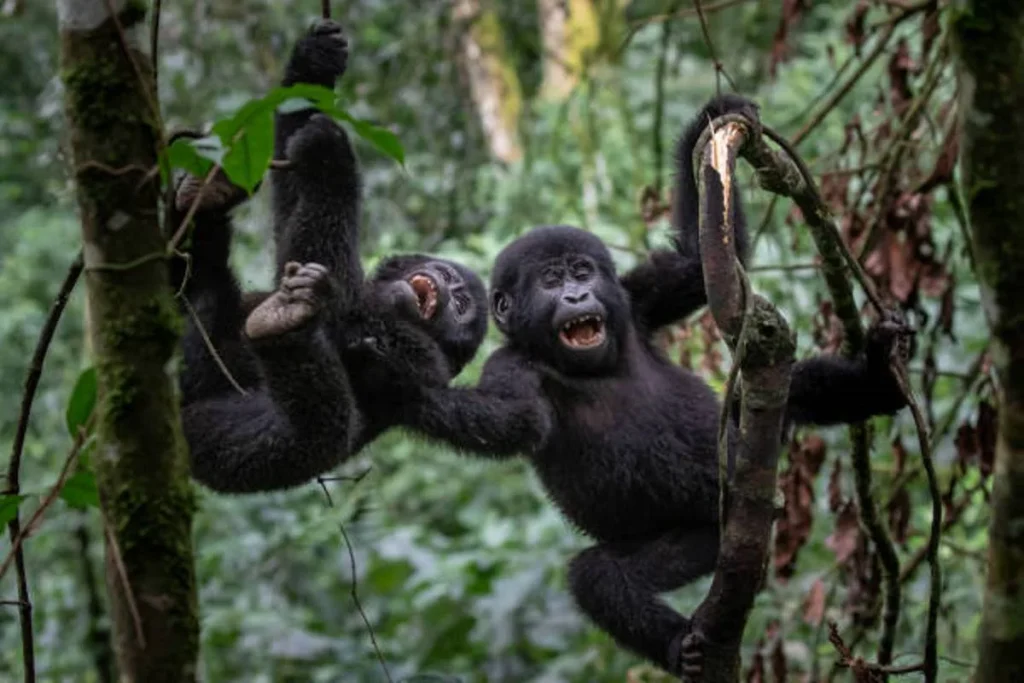
Whether you are extending a gorilla trekking trip from Bwindi Impenetrable Forest or making Queen Elizabeth the centerpiece of your Ugandan adventure, the park never disappoints. Uganda is rightly earning its reputation as the Pearl of Africa — and Queen Elizabeth National Park is one of its most brilliant gems.
Travelers also search about:
Explore Bwindi Volcanoes & Queen Elizabeth National Park Safaris
From Kigali to Queen Elizabeth National Park
Safaris to Queen Elizabeth National Park
Chimp Tracking and Wildlife in Queen Elizabeth National Park