- EXPERT'S HELP
- +256789210067
- +256200955001
- info@kenlinktours.com


7 Days Tour to Murchison Kibale Queen and Bwindi National Parks
September 11, 2026
Are there Uganda Safaris Starting from Kigali?
September 15, 2026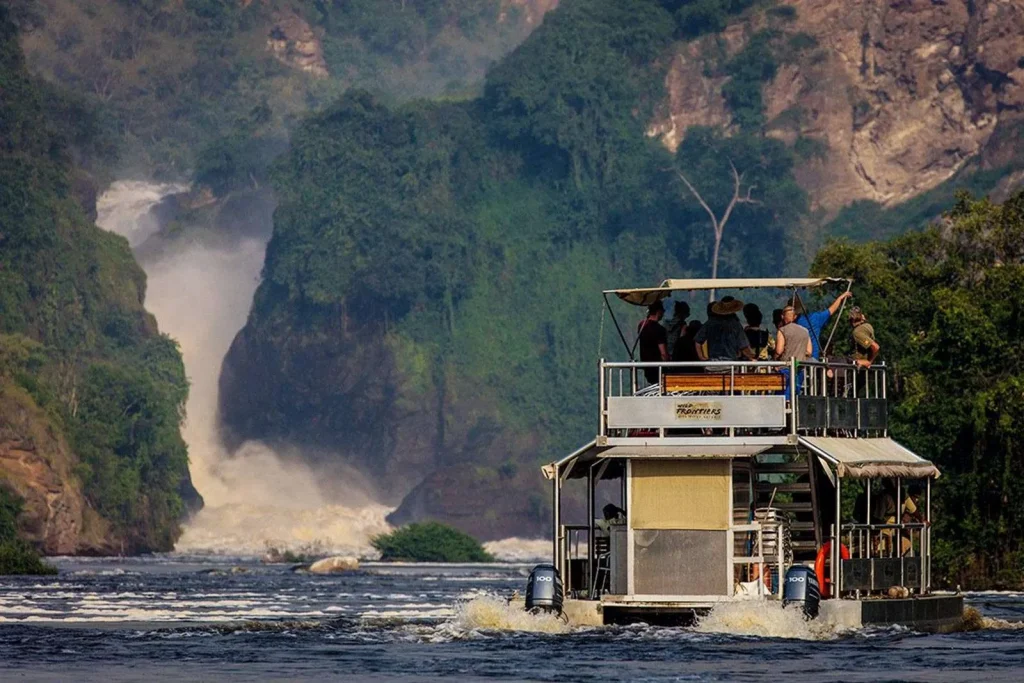
From Kigali to Murchison Falls Tour in Uganda. Few overland journeys in East Africa reward the traveler quite like the road from Kigali to Murchison Falls National Park. In under two days you leave the manicured hills of Rwanda’s capital, cross into Uganda, and arrive at the point where the entire Nile River is squeezed through a gorge barely seven meters wide before thundering 43 meters down into the Albert Nile below. For safari lovers who have already ticked off gorilla trekking in Volcanoes National Park or Bwindi, a Kigali to Murchison Falls tour is the natural next chapter — bigger game, wide savannah horizons, and one of the most dramatic waterfalls on the continent. This guide walks through everything you need: the route, the border crossing, the visa rules, what there is to see and do inside the park, where to sleep, and exactly how many days to budget, with real itineraries you can adapt for your own trip.
Why a Kigali to Murchison Falls Tour Belongs on Your Uganda Bucket List
Murchison Falls National Park is Uganda’s largest protected area, and a Kigali to Murchison Falls tour is one of the most complete safari experiences in the region because it combines three ecosystems in a single trip: savannah grassland teeming with lions, elephants, and Rothschild’s giraffes; the Nile River itself, cruised by boat past pods of hippos and some of the largest crocodiles in Africa; and tropical forest at Budongo, home to habituated chimpanzee communities. Travelers who start their journey in Kigali also get the bonus of Rwanda’s famously clean, hilly capital as a launch pad, plus the option to combine the trip with gorilla trekking before or after. Unlike parks that require long charter flights, Murchison Falls is reachable by road, which keeps costs down and turns the journey itself into part of the adventure. If you are weighing where to go after Rwanda’s primates, this is the park that consistently tops the list, and it pairs naturally with a broader look at Uganda safaris as a whole.
Getting to Know Murchison Falls National Park
Murchison Falls National Park sits in northwestern Uganda, straddling the Victoria Nile as it flows toward Lake Albert. It is Uganda’s oldest and largest conservation area, and its centerpiece is the waterfall for which it is named, where the entire volume of the Nile forces itself through a narrow rock cleft with a roar that can be heard well before it comes into view. The park is broadly divided into a northern sector (better for game drives, with open savannah and the classic African skyline) and a southern sector (denser woodland, closer to the river and the main lodges). For a detailed breakdown of the terrain and boundaries, our page on the size of Murchison Falls National Park is a useful primer, and if you are curious how it stacks up against the country’s other reserves, we’ve also covered Uganda’s biggest national park in detail. The park protects over 76 mammal species and roughly 450 bird species, making it one of the most biodiverse single destinations on any Uganda itinerary.
Planning the Route: Kigali to Kampala via Katuna or Cyanika
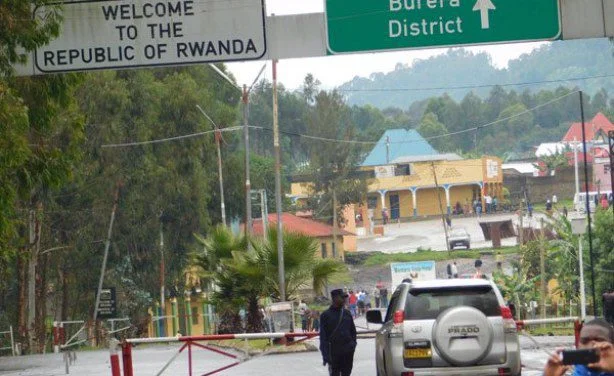
A Kigali to Murchison Falls tour begins with the drive out of Rwanda and into Uganda, and there are two commonly used border posts. Most self-drive and guided trips use the Katuna border (also called Gatuna), roughly a 6 to 7 hour drive from Kigali to Kampala covering around 377 kilometers, passing through Kabale — often nicknamed the “Switzerland of Uganda” for its terraced hills — and the trading town of Mbarara roughly at the halfway mark. An alternative is the Cyanika border near Kisoro, which is preferred by travelers who are combining the trip with gorilla trekking in Bwindi or Mgahinga first. Both routes are well-tarmacked for most of the way, though patience is needed for the final stretch into Kampala, where traffic can add an hour or more during peak periods. If you’d rather start this leg from the Ugandan side, our guide on starting a trip from Rwanda to Uganda breaks down logistics from both directions, and travelers deciding between airports should read landing in Kigali or Entebbe for a gorilla safari before booking flights.
Crossing the Rwanda–Uganda Border: What Actually Happens
Border formalities at Katuna or Cyanika are generally straightforward for travelers on an organized tour, since your driver-guide handles the paperwork and vehicle documentation while you complete immigration on foot. Expect to walk across a short no-man’s-land between the Rwandan and Ugandan posts, present your passport and any pre-approved visa or East Africa Tourist Visa, and have your temperature and documents checked before your vehicle is cleared on the other side. Processing typically takes 30 minutes to just over an hour depending on how busy the crossing is that day, and mornings tend to move faster than midday. It’s worth keeping a printed or downloaded copy of your visa approval letter, your yellow fever vaccination card, and a few passport photos on hand, since these are occasionally requested even when you’ve applied online in advance. For those researching options along the border region, Pick and Transfer Safaris runs several short gorilla safaris that begin from Kigali and cross this exact border, and their page on a one-day Uganda gorilla safari starting from Kigali is a good reference for how a same-day crossing typically flows.
Visa Requirements for Your Kigali–Uganda Journey
Most nationalities traveling from Rwanda into Uganda for a Murchison Falls tour will need either a standard Uganda tourist visa or, more efficiently, the East Africa Tourist Visa, which covers Uganda, Kenya, and Rwanda under a single application valid for 90 days with multiple entries among the three countries. The East Africa Tourist Visa costs around 100 USD, requires a passport valid for at least six months, a passport photo, a yellow fever certificate, and proof of return travel, and must be applied for through the issuing country you enter first. It cannot be extended once inside the bloc and cannot be renewed after it expires, so timing your application to match your actual travel dates matters. Travelers who only plan to visit Uganda can instead apply for Uganda’s single-entry e-visa, which is usually processed within a few business days. Whichever route you choose, apply at least two to three weeks before departure to leave room for any additional document requests, and always travel with both digital and printed copies of your approval letter.
From Kampala to Murchison Falls: Completing the Journey North
Once you’ve reached Kampala, the second leg of a Kigali to Murchison Falls tour covers roughly 305 kilometers and takes between 5 and 7 hours depending on the route and road conditions. Most itineraries head north on the Kampala–Gulu highway before branching off through Masindi town, a convenient stop for fuel, lunch, and last-minute supplies, before entering the park through gates such as Kichumbanyobo or Tangi. An alternative route via Karuma is slightly longer but passes closer to the Karuma Falls area and offers its own scenic rewards. For the full breakdown of distances, road conditions, and gate options, see our dedicated page on the distance from Kampala to Murchison Falls, and for specifics on where exactly you’ll enter the park, our guide to the Murchison Falls entry gates is worth bookmarking before you travel. Because this stretch is long, most well-planned itineraries break the Kigali–Murchison journey into two travel days rather than attempting it in one push.
Best Time to Visit Murchison Falls National Park
Murchison Falls National Park is a year-round destination, but timing your Kigali to Murchison Falls tour around Uganda’s two dry seasons — December to February and June to September — makes game viewing noticeably easier, since thinner vegetation and animals clustering around permanent water sources improve sightings on both game drives and the Nile boat cruise. The dry months also mean firmer murram roads within the park, which matters on the stretch between the southern lodges and the ferry crossing. The wetter months, roughly March to May and October to November, bring lush green scenery, fewer vehicles on the tracks, and often discounted lodge rates, along with excellent birding as migratory species arrive. Chimpanzee trekking in Budongo Forest is rewarding in any season, since the forest canopy provides shade regardless of rainfall. Whichever window you choose, book accommodation early, particularly for July, August, and the Christmas–New Year period, when the park’s limited lodges fill up quickly.
The Top of the Falls: Where the Nile Explodes Through Solid Rock
The single most photographed spot in the park is the Top of the Falls, where the Victoria Nile — a river that elsewhere spans hundreds of meters — is forced through a gap roughly seven meters wide before dropping around 43 meters with tremendous force. Standing on the viewing platforms close to the spray, with the sound of the water almost drowning out conversation, is an experience that photographs never quite capture. Most itineraries reach this viewpoint either by vehicle via a short hike from the car park, or as the turnaround point of the Nile boat cruise described below, giving visitors the option to see the falls from both the water and the clifftop in a single day. Early morning visits tend to have softer light for photography and fewer other vehicles at the viewpoints, so guides typically schedule this stop before the midday heat sets in.
The Nile Boat Cruise: Uganda’s Best Wildlife Safari on Water
No Kigali to Murchison Falls tour is complete without the launch cruise along the Victoria Nile, typically a three-hour trip departing from Paraa toward the base of the falls. The river here is thick with hippos, some of the largest Nile crocodiles left in Africa basking on the banks, and a steady procession of elephants, buffalo, and waterbuck coming down to drink. Fish eagles, kingfishers, and the elusive shoebill stork are regularly spotted from the boat, making this cruise as much a birding excursion as a big-game one. The cruise typically concludes near the base of the falls, where the sheer force of the water becomes visible up close, and travelers who want to see the top as well can pair it with the clifftop viewpoint on the same or following day. Because boats operate on a schedule and capacity is limited in peak season, this activity is one worth confirming and booking well ahead through your operator.
Game Drives in the Northern and Southern Sectors
The northern sector of Murchison Falls, on the far side of the Nile from most lodges, is where the open savannah game drives happen, and it is where you are most likely to encounter lions, herds of Rothschild’s giraffes found almost nowhere else in Uganda in such numbers, elephants, buffalo, Jackson’s hartebeest, and Uganda kob in large concentrations. A vehicle-and-ferry crossing is required to reach this side, so most itineraries schedule an early-morning departure to catch the first ferry and maximize daylight on the tracks. The southern sector, closer to the main lodges, offers shorter game drives through denser woodland and riverine habitat, better suited to travelers with limited time. For a side-by-side comparison of what to expect here versus Uganda’s other flagship savannah park, our article comparing game drives in Murchison Falls and Queen Elizabeth National Park is a helpful planning resource, and travelers considering both parks on one trip can also review Pick and Transfer Safaris’ Queen Elizabeth National Park page for a regional comparison.
Chimpanzee Trekking in Budongo Forest Reserve
South of the main park, Budongo Forest Reserve is one of Uganda’s most significant chimpanzee habitats, with several habituated communities available for guided treks that typically last one to four hours depending on how quickly the chimps are located. Beyond chimpanzees, Budongo hosts several other primate species, striking butterflies, and mahogany trees that tower over the canopy. Adding a half-day here to a Kigali to Murchison Falls tour is a popular way to diversify the wildlife on offer beyond savannah game, and it works well as an activity on the day you arrive or depart from the park, since it sits directly along the main access road from Masindi. Trekking permits are limited and should be booked in advance through your tour operator, particularly during the July–September and December–February peak travel windows when demand for Uganda’s primate experiences is highest.
A Stopover at Ziwa Rhino Sanctuary
Uganda lost its wild rhino population decades ago, and Ziwa Rhino Sanctuary — roughly on the route between Kampala and Murchison Falls — is the country’s ongoing effort to reintroduce the species, currently home to a growing population of southern white rhinos under close protection. A guided rhino tracking walk here, usually lasting one to two hours, is an easy and worthwhile addition to a Kigali to Murchison Falls tour since it breaks up the long drive north and gives travelers a close, on-foot encounter that isn’t possible with the more skittish wildlife inside the main park. Our combined guide to Ziwa rhino tracking and a Murchison Falls safari covers how to slot this stop into your itinerary without adding an extra travel day, and it is one of the more popular add-ons requested by travelers booking through our contact page.
Birdwatching in Murchison Falls: A Paradise for Birders
With close to 450 recorded bird species, Murchison Falls National Park ranks among Uganda’s premier birding destinations, rivaling even the country’s dedicated forest reserves. The Nile boat cruise is particularly productive, with sightings of the prehistoric-looking shoebill stork, African fish eagles, pied kingfishers, and goliath herons all realistic possibilities on a single outing. The delta area where the Victoria Nile meets Lake Albert is considered one of the best shoebill-viewing sites in the country, and dedicated birding trips often extend the boat cruise specifically to reach this stretch. Savannah drives add species like the Abyssinian ground hornbill and various raptors, while Budongo Forest contributes forest specialists to round out a truly diverse checklist. Travelers with a serious interest in birding should mention this when booking so your guide can prioritize routes and timing around species activity rather than a standard game-drive schedule.
How Much Does a Kigali to Murchison Falls Tour Cost?
Pricing for a Kigali to Murchison Falls tour varies widely depending on accommodation tier, group size, and how many activities you add, but understanding the main cost drivers helps you budget realistically. Park entry fees, the Nile boat cruise, and any chimpanzee trekking permits are charged separately from your accommodation and transport, so a quote should always itemize these rather than bundling them vaguely. Budget travelers sharing a group vehicle and staying in simple tented camps can complete the trip for considerably less than travelers booking private 4×4 transport and lodges like Pakuba Safari Lodge, and the gap widens further for fully private, custom-paced itineraries. For a useful point of comparison, regional operators such as Pick and Transfer Safaris publish similar multi-day wildlife packages, including their 4-day wildlife and primate safari, which gives a helpful sense of typical price brackets for comparable itineraries departing from the Kigali–Kampala corridor. As with most East African safaris, booking further in advance and traveling in a small group rather than solo generally brings the per-person cost down significantly, and our team can put together an itemized quote once we know your preferred dates, group size, and accommodation tier through our group tours options.
Where to Stay: Lodges and Camps for Every Budget
Accommodation inside and around Murchison Falls ranges from budget campsites to high-end lodges, and choosing the right base affects both your game-viewing access and your overall comfort. On the northern bank, properties positioned inside the park itself put you closer to the early-morning game drives without a ferry crossing to contend with; our detailed look at Pakuba Safari Lodge, set on the Albert Nile with views across the riverine forest, is a good example of the mid-to-upper range options available there. Southern-bank lodges near Paraa tend to be more established, with a wider spread of price points, while budget travelers can find simpler tented camps closer to Masindi for those prioritizing cost over proximity. Whichever tier you choose, book lodges well in advance for the dry-season peak months, since Murchison Falls has fewer beds overall than more heavily developed parks, and popular properties sell out months ahead of July, August, and the December holidays.
How Many Days Do You Need? Suggested Itineraries
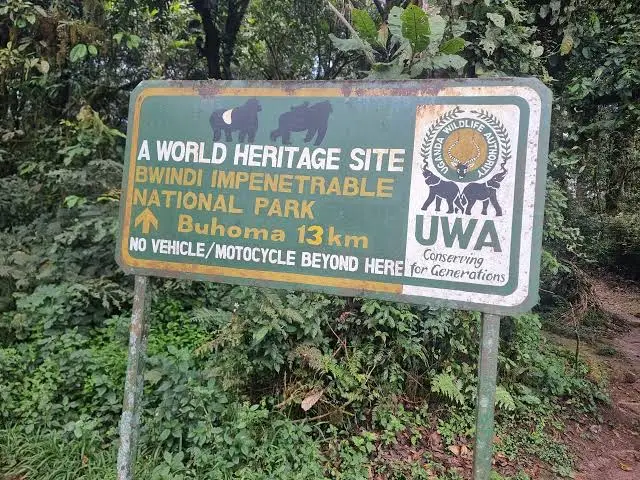
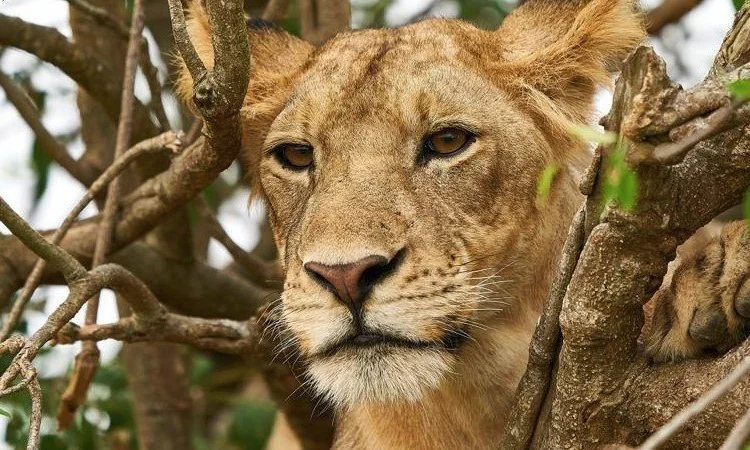
The right length for a Kigali to Murchison Falls tour depends on how much time you have and what else you want to combine it with. A minimum of 4 days from Kigali allows for the two travel days plus one full day inside the park covering the boat cruise and a game drive, though this is a fairly brisk pace. Five to six days allows a more relaxed rhythm, room for chimpanzee trekking at Budongo, and a stop at Ziwa Rhino Sanctuary without feeling rushed. Travelers wanting to see more of Uganda in one trip often extend to 7 days or longer, combining Murchison Falls with Kibale Forest for chimpanzees, Queen Elizabeth National Park for tree-climbing lions, and Bwindi for gorilla trekking; our 7-day tour covering Murchison, Kibale, Queen Elizabeth, and Bwindi and our breakdown of how many days you actually need for Murchison Falls, Kibale, and Bwindi both go deeper into pacing these multi-park combinations. For travelers who’d rather see a full sample day-by-day, the section below outlines one popular option.
Sample 4-Day Kigali to Murchison Falls Itinerary
A practical, well-tested structure for first-time visitors looks like this:
- Day 1 — Kigali to Kampala: Depart Kigali early, cross the border at Katuna or Cyanika, and drive to Kampala or Masindi, overnighting en route.
- Day 2 — Kampala/Masindi to Murchison Falls: Continue north, optionally stopping at Ziwa Rhino Sanctuary for a rhino tracking walk, and enter the park in the afternoon in time for a sunset game drive.
- Day 3 — Full day in the park: Morning game drive in the northern sector followed by the afternoon Nile boat cruise to the base of the falls, with an optional clifftop visit to the Top of the Falls.
- Day 4 — Return journey or extension: Either begin the drive back toward Kampala and Kigali, or extend the trip with chimpanzee trekking in Budongo Forest before departing.
This structure can be compressed to 3 days for travelers on a tighter schedule or expanded to 5 or 6 days to add Budongo trekking and a second game drive without feeling rushed. Our team can tailor the exact pacing once we know your travel dates and interests through our group tours or private booking options.
Combining Murchison Falls with Gorilla Trekking and Other Parks
Many travelers use Kigali as a springboard for a longer Uganda-Rwanda combination that includes both gorilla trekking and Murchison Falls’ big game and river scenery. A popular structure pairs a few days trekking gorillas in Bwindi or Volcanoes National Park with the drive north to Murchison Falls, letting you experience mountain forest and savannah on a single trip. Our 5-day gorilla trekking safari from Kigali to Uganda and the shorter 2-day Rwanda to Uganda gorilla trekking safari are both built around this exact crossing point and can be extended north to Murchison Falls on request. For travelers comparing regional operators, Pick and Transfer Safaris also offers a 3-day safari to Murchison Falls and maintains a dedicated Murchison Falls National Park destination page worth reviewing if you’d like a second perspective on itinerary pacing, alongside their 3-day Uganda gorilla safari from Rwanda and 2-day Uganda gorilla tour starting from Kigali for the primate side of a combined trip. Travelers weighing Bwindi against Uganda’s other forest parks can also cross-check their Bwindi Impenetrable Forest National Park and Kibale Forest National Park destination guides, which pair well with the wildlife-and-primate combination described above; on our own site, the 3-day wildlife encounter to Queen Elizabeth National Park is a natural add-on for the savannah side of that same route.
Extend Your Stay: A Kigali City Tour Before or After Your Safari
Since your Kigali to Murchison Falls tour already begins and ends in Rwanda’s capital, it’s worth building in an extra day to see Kigali itself rather than treating it purely as a transit point. The city is consistently ranked among Africa’s cleanest and safest capitals, with highlights that include the Kigali Genocide Memorial, the bustling Kimironko Market, and a growing arts and coffee-shop scene in neighborhoods like Kiyovu. Our 1-day Kigali city tour is designed to slot neatly before your border crossing north or after your return from Murchison Falls, and Pick and Transfer Safaris covers the same city in their own destination guide if you’d like additional sightseeing suggestions. Travelers with extra time on either end sometimes extend even further into the region; our page on tours to Burundi starting from Kigali is worth a look if you’re curious how far a Kigali-based itinerary can realistically stretch.
Health, Safety, and Travel Insurance for Your Trip
A Kigali to Murchison Falls tour is a well-trodden, generally safe route, but a few precautions make the trip smoother. Malaria risk exists throughout both Rwanda and Uganda’s lower-altitude regions, so speak with a travel clinic about prophylaxis before departure, and pack a strong insect repellent for evenings at your lodge. Tap water should be avoided in favor of bottled or filtered water, which is provided at all lodges and camps along the route. Comprehensive travel insurance that covers medical evacuation is strongly recommended given the remoteness of parts of the park, and most reputable operators will ask to see proof of cover before departure. Road safety is generally good on the main Kigali–Kampala–Masindi corridor, though rural sections can have potholes and slower-moving traffic, which is another reason experienced local drivers make a meaningful difference over self-driving unless you are already comfortable with East African road conditions. Keep photocopies of your passport, visa approval, and insurance documents separate from the originals in case anything is misplaced along the way.
What to Pack for Your Kigali to Murchison Falls Safari
Pack light, breathable clothing in neutral colors for game drives, plus a warm layer for early morning departures when temperatures near the river can be cooler than expected. Sturdy, closed walking shoes are essential for the Budongo chimp trek and any of the shorter walking trails, while a light rain jacket earns its place regardless of season given the boat cruise’s spray zone. Bring binoculars if birding interests you at all, since the Nile cruise rewards a good pair far more than a zoom lens alone. Sun protection is non-negotiable this close to the equator — a wide-brimmed hat, sunglasses, and high-SPF sunscreen should all be in your bag, along with insect repellent for dusk and dawn activities. Finally, carry your visa approval letter, yellow fever certificate, passport, and a printed copy of your itinerary in a single accessible folder, since these get checked at the border, at park gates, and occasionally at internal checkpoints along the route.
Travel Tips for a Smooth Kigali to Murchison Falls Trip
Book your border-crossing transport and park permits well in advance, particularly for the boat cruise and any chimpanzee trekking, since both operate on limited daily capacity. Carry a mix of US dollars and local currency, as border posts and rural fuel stations don’t always accept cards, and bring smaller-denomination, newer US bills since older or torn notes are frequently rejected in East Africa. Confirm with your operator whether your vehicle needs a temporary import permit or additional insurance for crossing into Uganda, since this varies depending on whether you’re self-driving or traveling with a guided operator who handles the paperwork. If you’re combining this trip with a flight, review our comparison of landing in Kigali or Entebbe for a gorilla safari to decide which entry point better suits your full itinerary, and if a rental vehicle for part of the journey interests you, our car hire page outlines the options available.
Photography Tips for Your Murchison Falls Safari
Murchison Falls rewards photographers at almost every turn, but a little planning goes a long way toward better results. The Top of the Falls viewpoint is at its most dramatic in early morning light, when mist rising off the gorge catches the sun before the midday heat flattens the contrast; arriving before the first tour buses also means clearer shots without other visitors in frame. On the Nile boat cruise, a mid-range zoom lens in the 100–400mm range covers most wildlife scenarios, from basking crocodiles at close range to elephants on distant banks, and a polarizing filter helps cut glare off the water. Game drives in the northern sector are best photographed in the first and last two hours of daylight, when the low sun brings out the color of the savannah grass and animals are more active. Dust is a constant companion on the park’s murram tracks, so keep camera bags sealed between stops and bring a simple lens-cleaning kit. Finally, always photograph wildlife from within the vehicle or designated viewing points, both for your own safety and to avoid disturbing animals that are otherwise remarkably relaxed around approved safari traffic.
Responsible and Sustainable Tourism in Murchison Falls
Murchison Falls National Park sits within a broader conservation landscape that includes active oil development nearby, which has made responsible tourism choices more important than ever for travelers who want their visit to support rather than strain the ecosystem. Choosing operators and lodges that employ local staff, source food regionally, and contribute to conservation fees directly supports the Uganda Wildlife Authority’s ranger patrols and anti-poaching efforts that keep the park’s rhino, elephant, and lion populations recovering. Staying on marked tracks during game drives, keeping a respectful distance from wildlife, and following your guide’s instructions during the Budongo chimp trek all reduce stress on habituated animals. Community-based initiatives around the park, including cultural visits and craft cooperatives near the main gates, offer a way to put tourism revenue directly into the hands of the communities bordering the park, and our guides can build a stop at one of these into your itinerary on request.
Why Book Your Kigali to Murchison Falls Tour with Kenlink Tours
Planning a cross-border trip from Kigali involves coordinating visas, border logistics, park permits, accommodation, and a route that changes depending on the season and your onward plans — details that are far easier to get right with a local team that handles this exact journey regularly. Our full range of Uganda safaris and Rwanda safaris can be tailored into a single seamless Kigali to Murchison Falls itinerary, with transport, park fees, permits, and accommodation arranged before you leave home. Read more about Uganda and about us to see how our teams on both sides of the border coordinate your trip, browse recent traveler stories and trip reports on our travel news page, or reach out directly through our contact page to start building your itinerary with a specialist who knows the route firsthand.
Frequently Asked Questions
How far is Murchison Falls from Kigali? The total road distance is roughly 680 kilometers, broken into a 377-kilometer leg from Kigali to Kampala and a further 305 kilometers from Kampala to the park, typically covered over two travel days.
Do I need a visa to travel from Rwanda to Uganda? Most travelers need either a Uganda tourist visa or the East Africa Tourist Visa, which covers Uganda, Kenya, and Rwanda under one application and is valid for 90 days with multiple entries among the three countries.
What is the best time of year for a Kigali to Murchison Falls tour? The dry seasons, December to February and June to September, offer the easiest game viewing and firmer roads, though the wetter months bring lush scenery, fewer crowds, and strong birding.
Can I combine Murchison Falls with gorilla trekking? Yes, many travelers pair a few days of gorilla trekking in Bwindi or Volcanoes National Park with the drive north to Murchison Falls for a combined primates-and-savannah itinerary.
How many days should I budget for the trip? A minimum of 4 days from Kigali covers the essentials, while 5 to 7 days allows a more relaxed pace with room for chimpanzee trekking and a Ziwa Rhino Sanctuary stop.
Is it safe to travel by road from Kigali to Uganda? Yes, the main Kigali–Kampala–Masindi corridor is well used by tour operators and generally safe, though experienced local drivers are recommended given rural road conditions and long driving hours.
What currency should I bring for Uganda and the border crossing? US dollars (newer, undamaged bills) and Ugandan shillings both come in useful; cards are rarely accepted at border posts, rural fuel stations, or small roadside stops along the route.
From Kigali to Murchison Falls Tour in Uganda
A Kigali to Murchison Falls tour delivers one of East Africa’s most complete overland safari experiences: two capital-adjacent landscapes, a dramatic border crossing, and a national park that offers savannah game, primate trekking, world-class birding, and a river cruise past the most powerful stretch of the Nile you’ll ever see. Whether you have four days or two weeks, the route rewards careful planning around the border crossing, visa timing, and park permit availability, all of which are far simpler with a local operator who runs this exact journey year-round. Get in touch through our contact page to start mapping out your own Kigali to Murchison Falls itinerary today.