- EXPERT'S HELP
- +256789210067
- +256200955001
- info@kenlinktours.com


Short Gorilla Tour from Entebbe
August 14, 2026
Quick Gorilla Safari in Uganda
August 14, 2026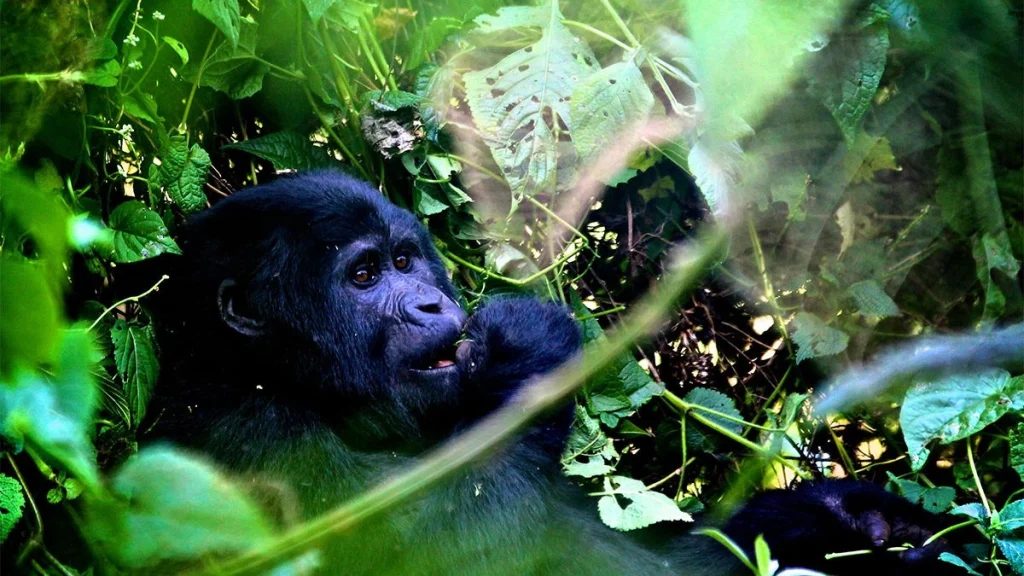
Gorilla Trek in Uganda in Three Days. Ask any Uganda tour operator what their most-booked gorilla package looks like, and the answer is almost always the same length: three days. It’s long enough to include a genuine buffer day, short enough to fit into a standard vacation window, and it lines up naturally with how gorilla permits actually work — one trekking day, bracketed by travel. If you’ve been searching for a straightforward answer to “how does a 3-day gorilla trek in Uganda actually work,” this guide is built to answer that directly: what each day looks like, what it costs, what’s included, and what you need to prepare before you go. For readers weighing shorter or gateway-specific options, we’ve also covered the tighter short gorilla tour from Kigali and the flight-enabled short gorilla tour from Entebbe separately — this post focuses on the standard three-day format itself, regardless of which gateway you’re flying into.
Why Three Days Is the Default Length
A single gorilla trek only requires one day at the park, but almost no itinerary is built around just that one day. You need at least one day to travel to Bwindi Impenetrable National Park or the Mgahinga sector, since both sit several hours from Uganda’s main airports, and you generally want a travel day back out afterward too. Three days is the minimum length that comfortably absorbs both without feeling rushed, and it’s why the vast majority of published gorilla safari packages, from budget to luxury, default to this length. Compressing it to two days is possible in some cases — our guide to a short gorilla tour from Kigali covers how — but three days is the format built for comfort rather than for squeezing every hour out of a tight schedule.
Day 1: Travel to the Park
The first day is almost entirely about transit, whether you’re arriving from Entebbe, Kigali, or connecting from elsewhere in Uganda after a wildlife safari. If you’re driving from Entebbe, expect 8 to 10 hours on the road depending on your destination sector; from Kigali, the drive to Bwindi is typically 4 to 6 hours depending on the border crossing used. Many operators build in a stop at the equator crossing or a scenic viewpoint to break up the drive. You’ll arrive at your lodge in the late afternoon or early evening, with just enough time to settle in, have dinner, and get an early night before the trek.
If your schedule can’t accommodate a full driving day, it’s worth knowing that domestic flights exist as an alternative on the Entebbe side — Aerolink Uganda flies into airstrips near Bwindi in about an hour, which we cover in detail in our piece on flying into Kihihi Airstrip. Most standard 3-day itineraries still use the road option by default, since it’s considerably cheaper, but the flight is worth knowing about if day one is proving hard to fit.
Day 2: The Gorilla Trek Itself
This is the day the whole trip is built around. You’ll wake early — most lodges serve breakfast around 5:30 to 6:00 AM — and head to your sector’s park headquarters for a briefing that starts around 7:00 to 7:30 AM. The briefing itself takes about 30 to 45 minutes and covers trekking etiquette, minimum distance from the gorillas, what to do if a silverback charges (stand still, don’t run), and basic forest safety. It’s also when rangers assign trekking groups of up to eight people to a specific habituated gorilla family, generally based on fitness level and stated preference — travelers who mention a desire for an easier walk are often, though not guaranteed, placed with a family known to stay closer to the trailhead that day.
From the briefing point, you’ll set off with an armed ranger guide (a standard safety precaution against forest buffalo and elephants, not the gorillas themselves), a trail-cutting guide with a machete where needed, and optionally a porter. Radio contact with trackers who leave before dawn to relocate the previous day’s gorilla nesting site means your guide usually has a reasonable sense of direction and distance before you even start walking, though the terrain itself can still turn a short-sounding distance into hours of climbing.
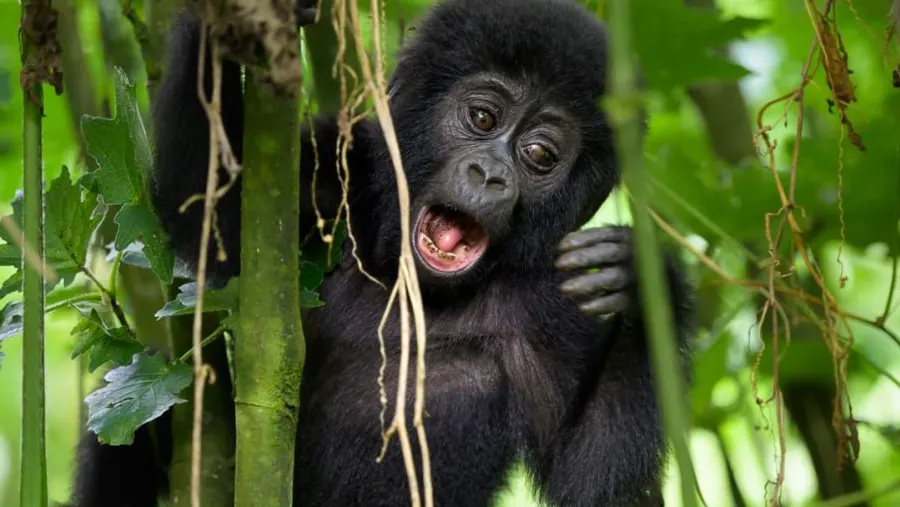
How long the trek takes is genuinely unpredictable, since it depends entirely on where that particular gorilla family happens to be that morning. Some groups find gorillas within 45 minutes; others hike for four or five hours through dense, often steep forest terrain before making contact. Once you find the family, you get exactly one hour with them, tracked closely by rangers, before hiking back out. Whichever sector you’re assigned — Buhoma, Ruhija, Rushaga, or Nkuringo — the format is the same, though the terrain difficulty varies; our breakdown of which part of Bwindi is easiest for gorilla trekking is worth reading before you request a sector, since some are noticeably steeper than others. Travelers who want a longer, more immersive encounter than the standard hour can instead book the Gorilla Habituation Experience in Rushaga sector, which allows up to four hours with a semi-habituated family, though it requires its own separate permit and higher fee.
Back at the lodge that evening, most travelers describe day two as physically demanding but the clear highlight of the entire trip — it’s worth structuring the rest of the itinerary around protecting this day, rather than packing it between two other activities.
Day 3: Departure or a Slower Morning
The third day is typically a return travel day, though depending on your trek’s start time and your onward flight, there’s often a relaxed morning first — a lodge breakfast, a short nature walk, or simply recovery time before the drive or flight back. If you’re departing internationally from Entebbe the same day, build in enough buffer given the road time involved, and check our note on how long immigration and customs take at Entebbe so you don’t cut your connection too close.
Choosing Your Sector Before You Book
Bwindi is divided into four trekking sectors — Buhoma, Ruhija, Rushaga, and Nkuringo — plus the separate Mgahinga Gorilla National Park to the south, which has its own single habituated family. Each sector has a different access road, a different range of lodges, and a different trekking difficulty. Buhoma, reached most easily from the north, is the park’s original and most developed sector, with the broadest lodge selection from budget to high-end. Rushaga and Nkuringo, in the south, are closer to the Kigali-Kisoro road and generally involve steeper terrain. Choosing a sector isn’t just a logistics decision — it affects your drive time, your lodge options, and how physically demanding the trek is likely to be, so it’s worth deciding this before locking in dates.
Booking Your Permit: Timing and Process
Gorilla permits in Uganda are issued by the Uganda Wildlife Authority and are strictly limited — eight trekkers per habituated family per day, across a finite number of families per sector. For popular travel windows — July through September and December through January — permits can sell out three to six months in advance, so booking early matters more than almost anything else in planning a 3-day trip. Permits must be paid in full at the time of booking, and once secured, they’re tied to a specific date and sector, which is why the sector decision above needs to happen early in the process rather than being left until you arrive. For the full rules that apply once you’re on the trek — minimum age, group size, and health restrictions — see our guide to gorilla trekking rules and regulations in Uganda.
What a 3-Day Package Typically Costs
Pricing varies significantly by lodge tier, but the core costs are consistent: the gorilla permit itself (several hundred dollars per person, non-negotiable and set by UWA), ground transport for the two travel days, two nights of accommodation, and park entrance fees. Budget packages using no-frills lodges and shared transport can come in well below luxury options built around premium lodges and private 4×4 vehicles. Our full breakdown of gorilla trekking safari costs in Uganda walks through each line item in detail, and if budget is your primary constraint, our guide on how to do a cheap gorilla safari in Uganda covers where the realistic savings are without cutting corners on the trek itself. For accommodation specifically, our roundup of the most budget-friendly lodges in Bwindi is a good starting point if you want to put your money toward the permit rather than the room.
What’s Usually Included — and What Isn’t
Most 3-day packages include the gorilla permit, ground transport in a 4×4 vehicle, accommodation on a full-board or half-board basis, and a park ranger guide for the trek. What’s typically excluded is international flights, visas, travel insurance, tips for guides and porters, and alcoholic drinks. Porters are worth budgeting for separately even though they’re optional — hiring one for the trek day, generally a small tip-based fee, both supports the local community and makes the steep, sometimes muddy terrain considerably easier to manage, particularly on the Rushaga and Nkuringo sides.
It’s worth asking any operator you’re comparing exactly what’s bundled into their quoted price before booking, since “gorilla safari package” pricing varies enormously depending on what’s actually included. A quote that looks cheaper on the surface sometimes excludes the permit entirely, or assumes shared transport with other travelers rather than a private vehicle — details that matter a great deal once you’re actually comparing two numbers side by side.
Physical Fitness: What You Actually Need
Gorilla trekking doesn’t require technical climbing skill, but it does require reasonable fitness. Trails can involve steep, uneven, and occasionally muddy terrain at altitude, and treks of three to five hours each way aren’t unusual. Anyone with moderate hiking experience can generally manage it, but it’s not a trip to attempt with zero physical preparation. If you know you’re not a regular hiker, a few weeks of brisk walking or stair climbing before your trip makes a genuine difference on trekking day, particularly at Bwindi’s elevation, which ranges from around 1,160 to 2,600 meters above sea level.
Older travelers and those with mobility concerns aren’t automatically excluded — UWA allows the use of porters and, in some cases, a sedan chair carried by a team of porters for travelers who can’t complete the full hike unassisted, and our piece on gorilla trekking for seniors, elderly travelers, and persons with disabilities covers exactly how that works in practice. It’s worth flagging any mobility concerns to your tour operator when booking rather than on arrival, since sector and family assignment can sometimes be adjusted in advance to favor an easier route.
What to Pack for the Trek
Layered clothing for cool mornings, a waterproof rain jacket regardless of season since Bwindi is genuine rainforest, sturdy broken-in waterproof hiking boots, gardening gloves for pushing through vegetation, and a daypack with water and snacks are the essentials. Long trousers tucked into boots or gaiters help against biting ants and nettles on the trail. Binoculars are a nice-to-have rather than essential, since gorilla encounters happen at close range, but they’re useful for the birdlife along the way.
Comparing Uganda to Rwanda for the Same Trip Length
Some travelers researching a 3-day gorilla trek are also weighing Rwanda’s Volcanoes National Park as an alternative, since it’s often marketed as a more convenient, shorter-drive option from Kigali. Both countries offer genuinely excellent gorilla trekking, but the trade-offs — permit price, park accessibility, and overall trip cost — differ meaningfully. Our comparison of Rwanda versus Uganda for a gorilla safari breaks this down in full, and our note on landing in Kigali or Entebbe for a gorilla safari is a useful companion if you haven’t yet settled on which country, and which airport, to build your three days around.
Extending Beyond Three Days
While three days is the standard format, it’s worth knowing what your options are if you have a little more time. A fourth day is often used to add golden monkey trekking in Mgahinga, a Batwa cultural encounter near Buhoma, or a short extension into Uganda’s other national parks such as Queen Elizabeth National Park for a game drive and boat cruise. If you’re deciding between committing extra days to Uganda alone or splitting the trip across both countries, our overview of combined Uganda and Rwanda gorilla safaris is a useful next read once your core three days are locked in.
Self-Drive vs. Guided: Which Fits a 3-Day Trip Better
It’s technically possible to self-drive a 3-day gorilla trip, and some experienced travelers do, but it’s worth weighing carefully given the time constraints involved. A guided package removes the need to navigate unfamiliar roads, some of them unpaved and steep, on a schedule with almost no slack for wrong turns or vehicle trouble. Our guide to doing a Uganda gorilla safari on self-drive lays out honestly what that option involves, but for a tightly-timed three-day format specifically, a guided vehicle and driver is generally the safer choice for staying on schedule.
Booking on Short Notice
If you’re planning this trip with only a few weeks’ lead time rather than months, availability — not itinerary length — becomes the binding constraint. Permits do occasionally open up from cancellations even in peak months, and off-peak season (April, May, and November) generally has far more flexibility on short notice. Off-peak travel also comes with a genuine upside beyond availability: lower lodge rates and quieter trails, since fewer trekking groups are on the mountain at once. The trade-off is more rainfall, which is worth weighing if you’re particularly weather-sensitive. Our guide to last-minute safaris in Uganda covers realistic strategies for booking close to your travel dates, including which sectors tend to have permits open up first.
Common Mistakes First-Time Trekkers Make
A few planning mistakes come up repeatedly with first-time gorilla trekkers, and most are avoidable with a little foresight. Underestimating the drive time on day one is probably the most common, leading to a rushed, exhausting start to the trip before the trek has even happened — build in a realistic buffer rather than the fastest theoretical driving time. Skipping travel insurance that specifically covers trekking and emergency evacuation is another, since Bwindi’s remoteness means medical evacuation, if ever needed, isn’t cheap. Packing cotton clothing instead of moisture-wicking layers is a smaller but genuinely uncomfortable mistake, since cotton stays wet for hours in a rainforest climate. And booking permits too close to travel dates during peak season remains the single biggest planning risk of all — it’s worth locking in your date months ahead if your travel window is fixed around July, August, or the December holidays.
What Trekking Day Actually Feels Like
Numbers and logistics only tell part of the story. The forest itself is thick, humid, and loud with birdsong and the occasional crash of branches from a troop of monkeys moving overhead. Trails aren’t marked or maintained the way a national park trail elsewhere might be — your guide is genuinely cutting a path in places, and it’s normal to be scrambling over roots, ducking under vines, or climbing muddy inclines with a walking stick provided at the trailhead. None of this is meant to be discouraging; it’s simply an honest description of what “trekking” means here, as distinct from the polished boardwalk experience some travelers half-expect from photos alone. The moment you actually reach the gorilla family, all of that effort tends to recede immediately — travelers consistently describe the hour that follows as passing far too quickly.
Frequently Asked Questions
Is three days enough time for a gorilla trek in Uganda? Yes — it’s the standard, most-booked format, giving you one full travel day each direction and one dedicated trekking day, without the tight margins of a compressed two-day trip.
Can I do the trek and travel back the same day? It’s technically possible on some itineraries with an early trek and a short drive back to a nearby town, but it’s tiring and not the format most operators recommend building a package around.
How much walking is actually involved? It varies entirely by where the gorilla family is that day — anywhere from under an hour to five hours of hiking round trip, on uneven forest terrain.
Do I need to book the permit separately from the rest of the trip? Most tour operators, including Kenlink Tours, handle permit booking as part of the full package, which is generally easier than trying to secure one independently through UWA.
What if it rains on trekking day? Bwindi is a rainforest and rain is common year-round; treks proceed regardless of light rain, which is why waterproof gear is essential rather than optional.
Final Thoughts
A 3-day gorilla trek in Uganda is the format built for travelers who want the full experience without either rushing it or committing a week to it: one day to arrive, one unforgettable day with the gorillas, and one day to head home. The details that actually matter — sector choice, permit timing, and realistic fitness prep — are the same regardless of which lodge tier or gateway airport you choose. If you’d like help turning this into a confirmed itinerary matched to your travel dates and budget, get in touch with our team at Kenlink Tours and we’ll build the three days around what matters most to you.
For travelers also arranging ground transport and safaris on the Rwanda side of the region, our colleagues at Pick and Transfer Safaris offer their own gorilla safari packages, including a one-day gorilla safari from Kigali and a two-day gorilla tour from Kigali for travelers comparing trip lengths, alongside a detailed look at Bwindi Impenetrable Forest National Park itself. Travelers extending their trip can also browse their broader wildlife safari options, including a 3-day safari to Murchison Falls and a 3-day safari to Queen Elizabeth National Park. Learn more about their team on their about us page, browse their Kigali city guide, or reach out through their contact page.