- EXPERT'S HELP
- +256789210067
- +256200955001
- info@kenlinktours.com


6 Days Kibale Queen Elizabeth and Bwindi
September 17, 2026
Kalinzu or Kibale Which is better for Chimps Tracking
September 21, 2026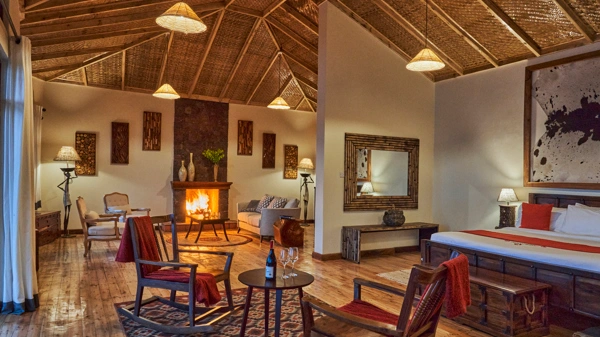
Gorilla Trekking Safari in Uganda with nice lodges. There are moments in travel that rearrange your sense of scale, and standing a few meters from a two-hundred-kilogram silverback is one of them. He looks at you with calm, intelligent eyes, a juvenile tumbles out of the undergrowth behind him, and for one unforgettable hour the rest of the world falls silent. That is what a gorilla trekking safari in Uganda delivers, and it is why travellers from every continent plan whole holidays around it.
Uganda is home to roughly half of the world’s remaining mountain gorillas, protected inside two mist-covered national parks in the south-west of the country. Add comfortable forest lodges, warm local hospitality and permits that cost noticeably less than in neighboring Rwanda, and it is easy to see why so many first-time safari guests choose the “Pearl of Africa”. This guide walks you through everything you need to plan the trip well: how the parks differ, what a permit costs in 2026, the best time to go, where to sleep, how to get there and what to pack. If you would rather have an expert build the whole journey for you, the team at Kenlink Tours offers fully arranged gorilla trekking in Uganda with licensed guides and permits handled on your behalf.
Why Uganda Is One of the Best Places on Earth for Gorilla Trekking
Uganda protects just over half of all mountain gorillas alive today, and the population has been climbing slowly for two decades. The species was reclassified from Critically Endangered to Endangered in 2018, a rare conservation success story that tourism directly supports. Every permit you buy funds ranger patrols, community projects and veterinary care, which means your holiday helps keep the forest standing.
Beyond the animals, the setting itself is spectacular. Bwindi Impenetrable National Park is a UNESCO World Heritage Site cloaked in ancient rainforest that is thought to be more than twenty thousand years old, while Mgahinga sits on the slopes of the Virunga volcanoes. Trails climb through bamboo, tree ferns and hanging moss, and the air smells of wet earth and wild ginger. Few wildlife experiences come with scenery this dramatic.
Value is the other reason Uganda ranks so highly. A permit is cheaper than in Rwanda, the lodge market spans everything from simple guesthouses to sumptuous forest retreats, and the country’s warm, English-speaking hosts make travel easy for first-timers. You can trek gorillas, track chimpanzees, watch tree-climbing lions and cruise the Kazinga Channel all in a single trip, something that is hard to match anywhere else on the continent. Browse the full range of Uganda safari packages from Kenlink Tours to see how these highlights combine.
Bwindi Impenetrable vs Mgahinga: Which Park Should You Choose?
Uganda has two gorilla trekking destinations, and choosing between them shapes your whole itinerary.
Bwindi Impenetrable National Park is the main event. It shelters about 450 to 500 gorillas across around twenty habituated families, and it offers well over a hundred trekking permits every day. Because so many groups are available, permits are easier to secure here, and you can choose a sector that suits your fitness level. Almost all first-time visitors, and the majority of travellers overall, trek in Bwindi.
Mgahinga Gorilla National Park is smaller, steeper and quieter. It has a single habituated group and only eight permits per day, so availability is limited and you should book early. What it lacks in numbers it makes up for in atmosphere: the park sits in the Virunga Massif alongside Rwanda and the Democratic Republic of Congo, and it also offers golden monkey tracking, volcano hikes and a cultural walk with the Batwa community. Because the gorilla group there occasionally crosses into neighbouring countries, sightings are excellent but never guaranteed for every day of the year.
Which is better? If you want the highest chance of a permit on your preferred date and a wide choice of lodges, Bwindi is the natural pick. If you enjoy volcano scenery and want to combine gorillas with golden monkeys, add a night or two near Mgahinga. Many guests do both, and the road link is easy: read this guide on driving from Bwindi to Mgahinga Gorilla National Park to see how the two fit together.
Understanding the Four Bwindi Sectors: Buhoma, Ruhija, Rushaga and Nkuringo
Bwindi is divided into four trekking sectors, each with its own gorilla families, terrain and lodge choices. Picking the right one is the single most useful planning decision after the date itself.
Buhoma in the north is the original gateway and the most popular sector for first-timers. The trails are among the gentlest in the park, the village has the widest range of lodges, and a cultural walk through the local community is easy to add. It is also easy to reach by road or by a short flight into the nearby Kihihi airstrip.
Ruhija in the east sits at the highest altitude, so mornings can be cool and misty. It is a favourite with birdwatchers because several Albertine Rift endemics live nearby, including the African green broadbill. The terrain is moderate, and the scenic drive from Kabale is a highlight in itself.
Rushaga in the south-east has the largest number of gorilla families and therefore the best permit availability. It is also the only sector where the gorilla habituation experience is offered, an extended four-hour encounter with a group that is still becoming used to humans. Trails vary from easy to demanding depending on where the family is feeding that morning.
Nkuringo in the south-west is the most remote and dramatic. The trek often begins with a steep descent into a valley and finishes with a climb back out, but the views across the forest to the Virunga volcanoes are unforgettable. It suits fit, adventurous travellers. If you prefer a fixed plan, this three-day Uganda gorillas safari is a good introduction, and a longer stay such as the Uganda and Rwanda gorilla safaris lets you experience more than one sector.
Gorilla Permit Cost and How to Book in 2026
The gorilla permit is the largest single cost of the trip and the one item you must secure first. The Uganda Wildlife Authority (UWA) sets the price, and in 2026 the published rate for foreign non-residents is USD 800 per person in the high season. A reduced rate of USD 600 applies during the low-season months of April, May and November, although discounted permits are normally non-transferable and cannot be rescheduled, so read the terms before you commit. Foreign residents of East Africa pay a lower rate, and East African citizens pay a fraction of the international price in Uganda shillings.
Permits are date-specific and limited. Each gorilla family may be visited by a maximum of eight people per day, which is why the best dates in July, August, September and December often sell out months in advance. Most visitors book through a licensed Ugandan operator, who checks availability across all four sectors, pays UWA on your behalf and matches the permit to your lodge and transfers. Payment terms, rescheduling rules and refund tiers change from time to time, so ask your operator for the current policy in writing.
Whatever you do, secure the permit before paying for flights or non-refundable accommodation. You can see current options on available gorilla tours for booking in Uganda, or send your preferred dates through the Kenlink Tours contact page and receive a written quote. Remember that the permit does not include the rest of the safari: budget separately for lodging, transport, a driver-guide, meals, porters and tips.
Best Time for Gorilla Trekking in Uganda
Gorillas live in the forest all year, and trekking runs every day, so there is no bad month in the strict sense. The real question is how much mud, rain and crowd you are willing to accept in exchange for lower prices.
The two dry seasons, from June to September and from December to February, are the most popular windows. Trails are firmer, views are clearer and the hike is generally easier on the knees. These are also the months when permits and the best lodges book out first, so plan early. The wetter periods, March to May and October to November, bring heavier rain and slippery paths, but the forest is lush, photography light can be beautiful, and lodge rates and permit prices in April, May and November are lower. Rain rarely stops a trek; it simply means you need good boots, waterproofs and a positive attitude.
As a rule of thumb, choose June to September if you prioritise comfort and predictable conditions, or choose the shoulder months if you want savings and a quieter forest. You can compare seasonal itineraries on our Uganda destination guide before you lock in a date.
What a Gorilla Trek Is Really Like, From Briefing to Farewell
Most treks begin around 7:30 in the morning at the park headquarters of your sector. Rangers brief the group on the rules, assign each person to a habituated gorilla family and match walking ability to a route, so let your guide know honestly whether you are a strong hiker or prefer a gentler pace. Porters are available at the start point and are well worth hiring: they carry your daypack, steady you on steep sections and earn income that stays in the community.
Trackers head out earlier in the morning to locate the family, and the group follows by radio. The walk can take anywhere between thirty minutes and six or more hours, depending on where the gorillas spent the night. Expect to move through dense undergrowth, sometimes along a path cut fresh by a ranger’s machete. Nothing about this is a stroll, but nothing about it is unmanageable either, and the rangers set a pace that suits the group.
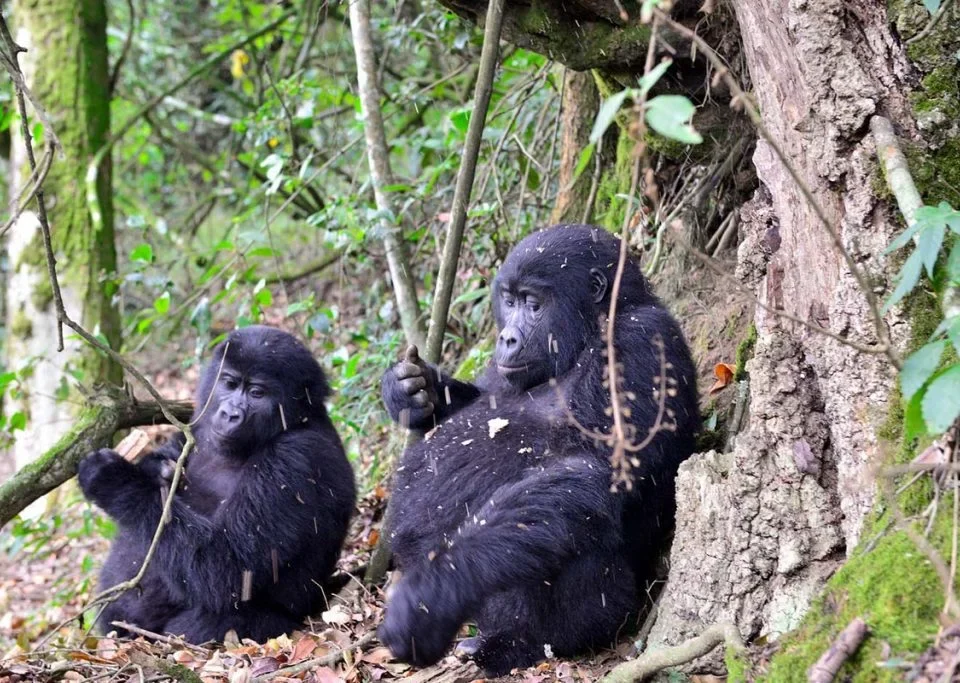
Once you reach the family, everyone puts down walking sticks, keeps voices low and stays at a respectful distance. You then have one hour with the gorillas. Infants wrestle, mothers groom, and the silverback sits with the calm authority of an animal that has nothing to prove. Photography is allowed without flash, and the hour goes by faster than any other hour of your life. Afterwards you walk back, often to a small certificate ceremony, and most guests head straight to the lodge for a late lunch and a well-earned rest. If you want ideas for the remaining hours, these essential tips on what to do after a gorilla tour in Bwindi are a useful read.
Best Gorilla Trekking Lodges in Uganda: How to Choose
Accommodation is where a good gorilla safari becomes a great one. After a demanding morning in the forest, a hot shower, a warm fire and a view over the canopy feel like proper luxury even at a mid-range property. Uganda’s gorilla country offers a wide spectrum of stays, and the right one depends on three things: the sector you will trek, your budget and the mood you want for the evening.
Location matters more than most guests realise. Lodges are clustered around each sector, and driving between them can take several hours on winding roads. Staying inside or beside your trekking sector means a shorter drive at dawn, a later wake-up and more time to enjoy the property. Nightly rates usually include full board, and the best-run lodges also offer laundry, packed lunches for the trail and a hot-water bottle in the bed on cold nights. It also helps to line up reliable ground transport early, and local teams such as Pick and Transfer Safaris can help with transfers between airports, border posts and lodges.
The lodges below are established names in each tier. Availability changes with the season and rates are updated regularly, so treat them as a starting point and confirm details with your operator. If you want a property matched to a particular gorilla family, tell us early, because permits and rooms should be booked together. You can see how lodges are paired with routes in this Uganda luxury safaris and gorilla tours guide.
Luxury Gorilla Lodges in Bwindi and Nkuringo
At the top of the market, Bwindi’s luxury lodges compete on views, service and quiet. Clouds Mountain Gorilla Lodge near Nkuringo is one of the most photographed properties in Uganda. Perched high on a ridge, its stone-and-thatch cottages look out to the Virunga volcanoes, and each room has a private fireplace and a personal attendant. It is the natural choice for a celebration or honeymoon, and it sits at the start of the Nkuringo trail so you begin your trek without a long drive.
Sanctuary Gorilla Forest Camp in Buhoma is built deep inside the forest edge, and its raised tented suites sit among enormous trees. Wildlife sometimes wanders past the property, and dinners are served with a soundtrack of forest birds and insects. Buhoma Lodge is another polished option a few minutes’ walk from the Buhoma trekking briefing point, and it includes a complimentary post-trek massage that many guests describe as the best part of their day.
Nkuringo Bwindi Gorilla Lodge offers panoramic terraces, roomy suites and family-friendly cottages, and it suits guests who want space and views without the very highest rates. Expect proper bathrooms, delicious three-course meals prepared with local produce and staff who remember your name by the second breakfast. If you plan a luxury itinerary, combine your forest nights with a comfortable stay in Queen Elizabeth National Park on the seven-day gorilla and wildlife safari in Uganda.
Mid-Range Lodges That Deliver Comfort and Value
You do not need a large budget to enjoy a beautiful lodge in gorilla country. Mid-range properties are where many guests find the best balance of comfort, location and price, and several of them rival luxury lodges for atmosphere.
Gorilla Safari Lodge in Rushaga is known for its clear, published rates and its convenient position for the south-eastern trekking groups. Ichumbi Gorilla Lodge, also in Rushaga, is a comfortable, well-regarded base for the southern trekking groups. Mahogany Springs in Buhoma offers cottage-style rooms and good facilities, and it works well for guests who want a polished stay without the price of a top-end camp.
Ruhija Gorilla Safari Lodge serves the eastern sector and is a smart pick for birders and guests who enjoy cooler mountain air. Expect en-suite rooms, hot water, reliable food and local guides who know the forest. For most travellers, a mid-range lodge is the sweet spot, and it leaves room in the budget for extras such as a second trek, a chimpanzee tracking day or a cultural walk. The eight-day Uganda gorilla, chimpanzee and wildlife safari shows how comfortable mid-range stays can be combined across several parks.
Budget Lodges and Guesthouses for Smart Travellers
Gorilla trekking is not only for the wealthy, and clean, friendly budget stays are easy to find. Simple bandas, small guesthouses and community-run lodges in Buhoma, Rushaga and around Kisoro offer twin rooms, hot showers and hearty local food at a fraction of upscale rates. Trekkers Tavern Lodge in Buhoma is a long-standing favourite for its hillside setting and friendly service, while smaller guesthouses in Kisoro town keep costs down and make the early drive to Mgahinga or Nkuringo easy.
Kisoro is an especially handy base for southern trekking. One option worth a look is Ikoro Hotel in Kisoro, a sensible overnight for travellers arriving from Rwanda or setting out for Mgahinga at first light. Staying in town also gives you a chance to see the local market, shop for souvenirs and enjoy Kisoro’s relaxed atmosphere before or after your trek.
Budget does not have to mean basic on the trail itself. Your permit, ranger team and gorilla family are identical to those of a guest at the most expensive lodge, so the main difference is the comfort of your bed and the view from your window. Save money on accommodation and spend it on a porter, a second trek or a good pair of hiking boots.
Lodges Near Mgahinga and Lake Mutanda
If you are trekking in Mgahinga or the Nkuringo and Rushaga sectors, consider a few nights in the Kisoro highlands. Mount Gahinga Lodge sits at the foot of the volcanoes beside Mgahinga National Park, with round thatched cottages, log fires and a strong community ethos. Chameleon Hill Lodge and Lake Mutanda Resort overlook Lake Mutanda, a serene, island-dotted lake framed by volcanic peaks, and they make a lovely place to rest after trekking, swim, canoe or simply watch birds from a terrace.
These lakeside stays add variety to a trip that would otherwise be entirely forest, and they are within easy reach of both Mgahinga and southern Bwindi. Sunsets over the lake are memorable, and a slow evening with a cold drink is exactly what tired legs need. If you plan to stay near the border, the flexible five-day Uganda and Rwanda double gorilla safari lets you trek on both sides of the frontier.
How to Get to Bwindi: By Road, by Air or From Kigali
Reaching gorilla country is part of the adventure, and you have three sensible options.
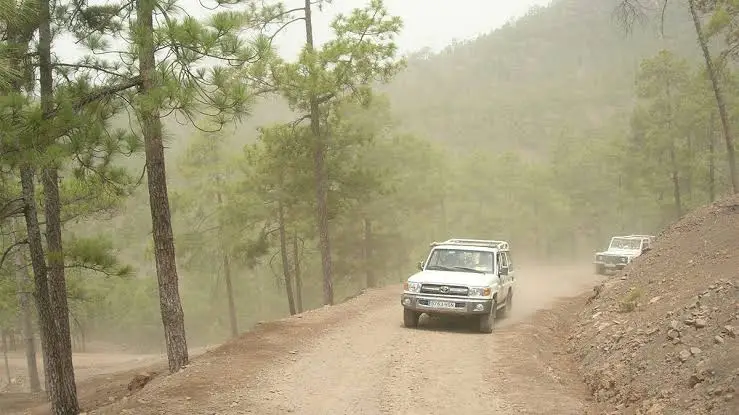
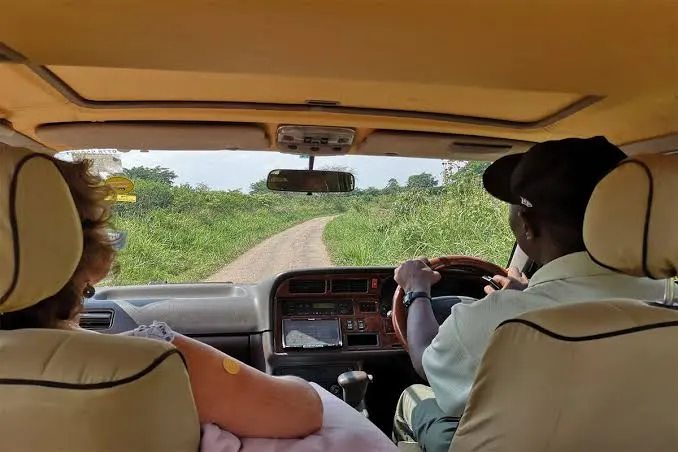
By road from Entebbe or Kampala. The drive to Bwindi is long, usually eight to ten hours depending on the sector and the traffic, but it passes through some of the loveliest scenery in Uganda: rolling tea plantations, terraced hills and the equator crossing near Kayabwe. Most itineraries break the journey with a night near Lake Mburo or Mbarara, or spread the drive over two days with a stop at Lake Bunyonyi near Kabale. A private 4×4 with a driver-guide is the most comfortable way to do it, and dedicated transfer teams such as Pick and Transfer Safaris can meet you at the airport and handle the road legs. You can also browse the Kenlink Tours car hire options if you prefer a vehicle of your own. Adventurous travellers may also enjoy a Uganda gorilla safari on self-drive.
By air. Scheduled and charter flights connect Entebbe and Kajjansi with airstrips at Kihihi, near Buhoma, and Kisoro, near Nkuringo and Mgahinga. The flight takes around ninety minutes, saves a full day of driving and gives spectacular views of lakes and mountains. It is the ideal choice for short trips and for travellers who prefer to spend energy on the trek, not the road.
From Kigali, Rwanda. Kigali is often the smartest arrival point for the southern sectors, because the drive to Kisoro or Rushaga takes about three to four hours via the Cyanika border. Many guests fly into Kigali, cross by road and finish in Entebbe, or the reverse. If you are considering it, this practical article on whether you can begin your tour from Kigali Airport and end in Entebbe Airport answers the main questions, and Kenlink Tours can arrange the same with a three-day Bwindi gorilla safari starting from Kigali or a quick two-day gorilla trip from Kigali.
Sample Gorilla Safari Itineraries to Inspire Your Trip
How long should you stay? The answer depends on your time, energy and interests, and the following examples cover the most common trip lengths.
Short and focused: three days. A fly-in itinerary takes you from Entebbe to Bwindi, trekking on day two and returning on day three. It is efficient and rewarding, though it leaves little time for anything else. Check out the three-day best of Uganda gorilla safari for a well-paced version.
Balanced: five days. Adding two days lets you combine gorillas with chimpanzee tracking in Kibale Forest or a game drive in Queen Elizabeth National Park. The five-day gorilla and chimpanzee tour in Uganda is one of the most popular packages because it delivers two great ape experiences in a single week.
Complete: seven to ten days. A week or more lets you add Murchison Falls, Lake Bunyonyi and a cultural stop, with buffer days to travel at a comfortable pace. This is the sweet spot for travellers who want to see the “big picture” of Uganda without rushing, and it leaves room for two treks in different sectors if you want a second gorilla encounter.
Group departures. If you are travelling as friends or joining others, ask about Kenlink Tours group tours, which spread the cost of vehicles and guides. Whichever length you choose, build in at least one rest day in the middle of a longer itinerary, because travel days in Uganda are long and the forest hikes are tiring.
What to Pack for a Gorilla Trekking Safari
Packing well makes trekking easier and your day drier. The forest is cool, damp and unpredictable, so the goal is layers that dry quickly and protect against thorns, insects and stinging nettles.
Bring sturdy waterproof hiking boots that are already broken in, thick socks, long trousers and a long-sleeved shirt in neutral colours, and lightweight gardening gloves for gripping vines. A waterproof jacket is essential, and so are a hat, sunscreen and insect repellent. Carry a small daypack with a refillable water bottle, energy snacks and a rain cover for your camera. A hiking stick is often provided at the park office, but you can bring your own. Leave bright colours and strong perfumes at home, since they distract wildlife.
Pack a fleece or warm layer for the evening, especially at high-altitude lodges such as those in Nkuringo and Ruhija, and bring a power bank because electricity may run on solar or a generator. Finally, bring cash in small denominations for tips and crafts. Your driver-guide can share a full checklist when you book, and it helps to review the Kenlink Tours team and their travel experience so you know who is looking after you.
Gorilla Trekking Rules, Health and Fitness
The rules exist to protect the gorillas as much as you, because mountain gorillas share about ninety-eight percent of their DNA with humans and can catch our illnesses. Visitors must be at least fifteen years old, and anyone with a cough, cold, flu or other contagious illness will be asked to stay behind, in which case rules on refunds vary, so travel insurance is strongly recommended. Rangers ask everyone to wear a face mask near the gorillas and to keep a safe distance, usually at least seven metres. Do not use flash, eat or drink in front of the animals, or point at them.
If a gorilla approaches you, stay calm, avoid direct eye contact and follow the ranger’s instructions. Do not run. Your group stays a maximum of one hour once you reach the family, and every trek is escorted by armed rangers who protect against the rare encounter with forest elephants or buffalo.
Fitness needs are moderate. You do not need to be an athlete, but you should be able to walk uphill for a few hours in humid conditions. Sedan chairs are available for visitors with limited mobility, and porters can carry you or your gear when the going gets hard. Check with your doctor about vaccinations such as yellow fever and antimalarials well before you travel.
Beyond the Gorillas: Add-Ons That Make Your Uganda Safari Complete
One of Uganda’s greatest strengths is variety, and gorilla trekking pairs perfectly with other experiences within a day’s drive.
Chimpanzee tracking in Kibale Forest. Kibale holds one of the highest primate densities in Africa, including our closest living relatives. A morning walk brings you face to face with noisy, fast-moving chimps, which makes a wonderful contrast to the quiet gorillas. Consider the three-day chimpanzee tracking safari as a standalone trip or an extension.
Queen Elizabeth National Park. Boat safaris on the Kazinga Channel, game drives across the savannah and the famous tree-climbing lions of Ishasha make this park a natural stop on the way to or from Bwindi. For a compact option, try the three-day wildlife encounter in Queen Elizabeth National Park, which suits anyone with limited time.
Birdwatching and culture. Uganda is one of Africa’s top birding destinations, with more than a thousand species recorded, and keen birders will enjoy the seven-day birdwatching safari in Uganda. Cultural highlights include Batwa storytelling, village walks and craft markets, and this is easy to blend with gorillas in a four-day Uganda cultural and gorilla tour. If you also want to see Rwanda, learn how to blend the two countries with gorilla trekking with culture on a Uganda and Rwanda safari.
After the Trek: How to Spend the Rest of Your Day in Bwindi
Most treks finish by early afternoon, which leaves time for gentle activities that round out the experience. Community walks, coffee and tea tastings, Batwa cultural encounters, forest nature walks and a visit to a local craft cooperative are all easy to arrange. Many lodges offer massages, bonfires and stargazing in the evenings. For inspiration, this article shares seven essential tips on what to do after a gorilla tour in Bwindi, and it is a helpful companion when you are deciding how to use your free hours.
Resist the temptation to schedule anything ambitious after your trek. The combination of altitude, humidity and early starts leaves most visitors pleasantly exhausted, and the best plan is often a long lunch, a warm shower and an early night before the next day’s drive.
Travelling Responsibly and Supporting Conservation
Gorilla tourism works because it puts real value on live animals and healthy forests. Your permit fee supports park management, and a share of revenue goes to nearby communities for schools, clinics and water projects. You can amplify this impact by choosing lodges that employ and buy from local people, hiring porters, buying crafts directly from cooperatives, and refusing single-use plastic on the trail.
Follow the rules carefully and tell your guide if you feel unwell. Travelling in small groups, avoiding litter and respecting the forest are simple habits that protect a fragile ecosystem. When you book with an operator, ask how they support conservation and community programmes, and use the Uganda safari bookings page to start planning responsibly from the very first step.
Frequently Asked Questions About Gorilla Trekking in Uganda
How difficult is gorilla trekking in Uganda?
Difficulty depends on where your assigned family is feeding that day. Some treks take under an hour on fairly flat ground, while others last most of the day across steep, muddy slopes. Rangers try to match fitter guests to longer hikes and slower walkers to nearer groups, and porters are always available. If you can walk for several hours in warm, humid weather, you can trek.
How far in advance should I book a gorilla permit?
For June to September, December and January, aim to book four to six months ahead, and even earlier for Mgahinga or for groups larger than four. Low-season dates are more flexible, but the best rooms at popular lodges still sell out. Once permits are confirmed, book lodges and transfers immediately so everything lines up.
Can I trek gorillas with children?
The minimum age is fifteen, with no exceptions. Younger family members can enjoy other activities such as Lake Bunyonyi canoe trips, community visits and game drives, so plan a family itinerary that gives everyone something to look forward to.
Are gorillas guaranteed to be seen?
Sightings are extremely reliable, because habituated families are tracked daily by experienced trackers, and success rates are very high. Nature cannot be scheduled, though, so a small chance of a difficult day always exists. Good guides and rangers work hard to make every hour count.
Do I need help with airport pick-ups and transfers?
Yes, and it is worth arranging in advance. Roads in the south-west are long and winding, and a reliable driver who knows the route saves stress. Local specialists such as Pick and Transfer Safaris focus on this kind of ground logistics, and combining a dependable transfer partner with an experienced tour operator makes for a smoother start and finish to your trip.
Where should I stay the night before my trek?
Choose a lodge in or close to your trekking sector so that you can begin at the briefing point without a long early drive. If you are arriving from Rwanda or trekking in the far south, an overnight in Kisoro is practical, and you can read about Ikoro Hotel in Kisoro as one possible base before you decide.
Is it worth combining Uganda with Rwanda?
For many travellers, yes. Rwanda offers a different landscape and a very high permit price, whereas Uganda offers more choice and value. Crossing between the two via the Cyanika border is straightforward, and combining them lets you compare volcano trekking with forest trekking. Planning a cross-border route is easier when you speak to a specialist who understands both, so start with a ten-day Uganda and Rwanda combined safari and adjust to suit your pace.
What is the best way to end a trip that starts in Kigali?
Many travellers fly into Kigali and out of Entebbe, or the reverse, to avoid backtracking. The practical details of one-way routes, border timing and vehicle changeovers are covered in this guide to starting in Kigali and finishing in Entebbe, which is worth reading before you finalise your flights.
Plan Your Gorilla Trekking Safari in Uganda With Confidence
A gorilla trek is one of those rare journeys that lives up to every expectation. The forest is beautiful, the walk is a real adventure, and the moment you meet a gorilla family is something you will describe for the rest of your life. With careful planning, a well-chosen lodge and a licensed guide who knows the terrain, the experience is also comfortable, safe and surprisingly affordable.
Start by choosing your dates, because permits are the limiting factor. Then decide on your sector, pick a lodge that fits your budget and add a chimpanzee, wildlife or birdwatching extension to make the trip complete. If you would like help at any step, the friendly team behind Kenlink Tours’ Uganda safaris can put together a tailored itinerary, from permits and lodges to transfers and guides, and independent ground specialists such as Pick and Transfer Safaris are a helpful resource when you are comparing transport options. Ready to begin? Reach out through the Kenlink Tours contact page, tell us your travel dates and group size, and we will take care of the rest so that all you need to do is pack your boots and come meet the gorillas.