- EXPERT'S HELP
- +256789210067
- +256200955001
- info@kenlinktours.com


Internet and mobile data Connection in on Uganda Safari
May 15, 2026
Uganda Gorilla Trekking Safaris
May 17, 2026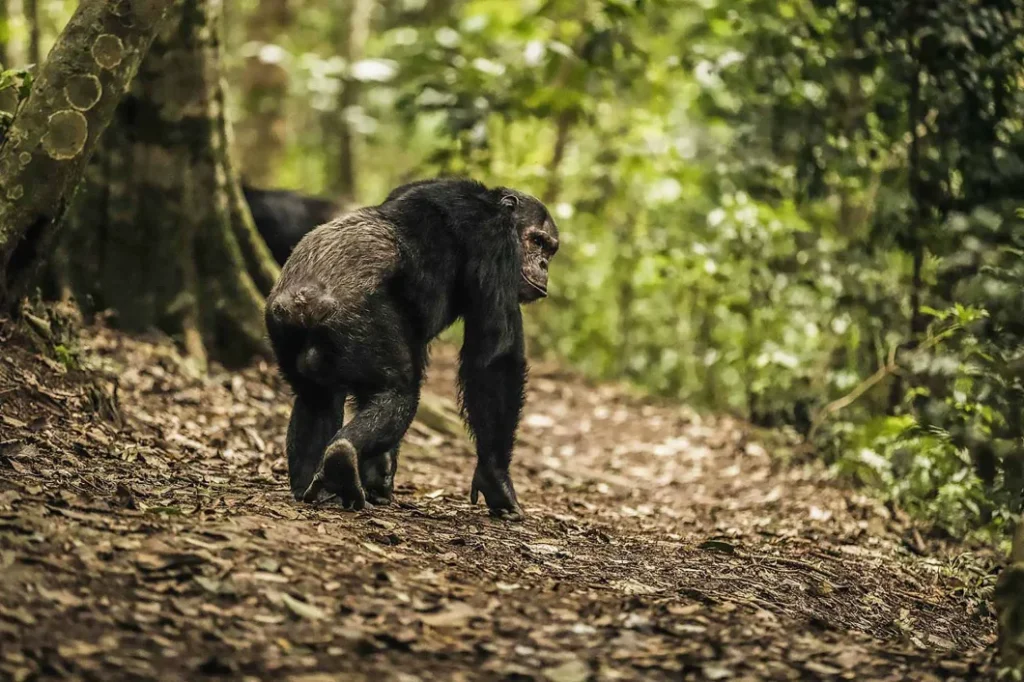
Gorillas vs chimpanzees: which primate trek is worth it? If you are planning a safari to East Africa and cannot decide between a gorilla trek and a chimpanzee trek, you are not alone. Both experiences are extraordinary, life-changing, and deeply personal — yet they are very different adventures. Whether you are drawn to the sheer power of a mountain gorilla or the playful intelligence of a chimpanzee, this guide breaks down everything you need to know so you can choose the primate encounter that is right for you.
At Kenlink Tours, we have been helping travellers design meaningful primate trekking experiences across Uganda and Rwanda for years. Here is our honest, expert breakdown.
What Is Primate Trekking?
Primate trekking is a guided wilderness experience where you follow trained rangers and trackers into the forest to locate and observe wild primates in their natural habitat. Both gorilla and chimpanzee treks take place inside protected national parks managed by official government wildlife authorities, including the Uganda Wildlife Authority (UWA) and the Rwanda Development Board (RDB).
Each trek is strictly regulated to protect the animals and ensure the experience is sustainable for future generations. Understanding the rules, the terrain, and the differences between the two animals will help you get the most out of your visit.
Gorilla Trekking: The Undisputed King of African Wildlife Encounters
Where Can You Trek Gorillas?
Mountain gorillas are found in only two places in the world: the Virunga Massif (shared by Uganda, Rwanda, and the Democratic Republic of Congo) and Bwindi Impenetrable National Park in Uganda. The most popular destinations for gorilla trekking are:
- Bwindi Impenetrable National Park, Uganda — home to nearly half of the world’s remaining mountain gorilla population, listed as a UNESCO World Heritage Site. Bwindi offers treks from four sectors: Buhoma, Ruhija, Rushaga, and Nkuringo.
- Volcanoes National Park, Rwanda — a more accessible option with a shorter drive from Kigali, often preferred for its well-maintained infrastructure.
Both parks are managed under strict conservation frameworks approved by the Uganda Wildlife Authority and the Rwanda Development Board, respectively.
What to Expect on a Gorilla Trek
Gorilla trekking can take anywhere from one to eight hours, depending on where the gorilla family has moved. You hike through dense rainforest on uneven, sometimes steep terrain. Once you locate the habituated gorilla group, you are allowed exactly one hour in their presence — a rule strictly enforced to minimise human impact on the animals.
That one hour will likely be the most extraordinary sixty minutes of your life. Mountain gorillas are enormous — an adult male silverback can weigh over 200 kg — yet they move with a quiet, almost meditative calm. You will see mothers nursing infants, juveniles playing in the trees, and a silverback maintaining order with effortless authority. The sheer proximity (the minimum safe distance is 7 metres) makes this a profoundly moving encounter.
Explore our full range of gorilla trekking safaris in Uganda and gorilla tours in Rwanda to find the right itinerary for you.
Cost of Gorilla Trekking
Gorilla permits are among the most expensive wildlife permits in Africa:
- Uganda: USD 800 per person per trek (issued by the Uganda Wildlife Authority)
- Rwanda: USD 1,500 per person per trek (issued by the Rwanda Development Board)
The higher price reflects the extraordinary conservation effort required to protect one of the world’s most endangered great apes. Every permit purchased directly funds habitat protection and community livelihoods.
Chimpanzee Trekking: Wild, Loud, and Unforgettable
Where Can You Trek Chimpanzees?
Uganda is the best country in East Africa for chimpanzee trekking, with several outstanding options:
- Kibale National Park, Uganda — widely regarded as the world’s best destination for chimpanzee trekking, with over 1,500 chimpanzees. The Uganda Wildlife Authority manages a highly successful habituation programme here.
- Budongo Forest, Murchison Falls National Park — a more off-the-beaten-path option for those already visiting the falls.
- Kyambura Gorge, Queen Elizabeth National Park — sometimes called the “Valley of Apes,” this dramatic gorge offers a unique chimp tracking experience.
You can discover all our chimpanzee trekking experiences across Uganda’s finest forests.
What to Expect on a Chimpanzee Trek
Chimpanzees are anything but quiet. Where gorillas exude calm authority, chimps are energetic, chaotic, and fascinating. They screech, chase each other through the canopy, groom one another, and use tools — behaviours that are remarkably human. Like gorillas, trekking groups are kept small (usually eight people maximum), and there is a one-hour rule once you locate the group.
The physical demands of chimp trekking are generally lower than gorilla trekking. Kibale Forest, for instance, is relatively flat, making it accessible for older travellers and those with moderate fitness levels. Treks can take one to four hours, depending on chimp movement.
One special option worth noting is the Chimpanzee Habituation Experience (CHEX) in Kibale, where you spend up to four hours with a chimp community during the habituation process. This is one of the most immersive wildlife encounters available anywhere in Africa. Learn more about this on the Uganda Wildlife Authority’s official website.
Cost of Chimpanzee Trekking
Chimp permits are significantly more affordable than gorilla permits:
- Kibale Forest standard trek: USD 250 per person (Uganda Wildlife Authority)
- Chimpanzee Habituation Experience (CHEX): USD 300 per person
This makes chimpanzee trekking an excellent option for budget-conscious travellers or those looking to combine two primate experiences on a single safari.
Head-to-Head Comparison: Gorillas vs Chimpanzees
| Factor | Gorilla Trek | Chimpanzee Trek |
|---|---|---|
| Location | Bwindi (Uganda) / Volcanoes (Rwanda) | Kibale, Budongo, Kyambura (Uganda) |
| Permit Cost | USD 800–1,500 | USD 150–300 |
| Time with Primates | 1 hour | 1 hour (4 hrs for CHEX) |
| Physical Difficulty | Moderate to Strenuous | Moderate |
| Group Size | 8 people max | 8 people max |
| Atmosphere | Quiet, awe-inspiring | Loud, energetic, chaotic |
| Best For | Bucket-list seekers | Budget-conscious adventurers |
| Season | Year-round (Jun–Sep & Dec–Feb best) | Year-round (Jun–Sep & Dec–Feb best) |
Which Trek Is Worth It for You?
The honest answer is: both are worth it, and the best primate safari combines the two. However, if you must choose one, here is our recommendation:
Choose gorilla trekking if:
- This is a once-in-a-lifetime trip and you want the most iconic African wildlife experience available.
- You are comfortable with a higher budget.
- You want a profound, almost meditative encounter with one of our closest relatives.
Choose chimpanzee trekking if:
- You want a more action-packed, dynamic experience.
- You are travelling on a moderate budget.
- You are already visiting Kibale, Queen Elizabeth, or Murchison Falls and want to add a primate experience to your itinerary.
Do both if:
- You want the most complete East Africa primate experience. A classic combination is gorilla trekking in Bwindi followed by chimp trekking in Kibale — a circuit our team at Kenlink Tours has perfected over years of crafting itineraries.
Browse our combined gorilla and chimpanzee safari packages or explore our full range of Uganda safari tours for inspiration.
Practical Tips for Your Primate Trek
Book permits early. Gorilla permits sell out months in advance, especially for peak season (June–September and December–February). Contact us at Kenlink Tours and we will secure your permits as part of your package.
Dress appropriately. Wear long-sleeved shirts, long trousers, and sturdy waterproof hiking boots. Bring a rain jacket regardless of the season — both Bwindi and Kibale are equatorial rainforests.
Health precautions. Gorilla and chimpanzee trekking requires that visitors be free from illness. If you have a cold or infectious disease on the day of your trek, you will not be permitted to proceed, as great apes are highly susceptible to human respiratory infections. Always consult your travel health clinic before visiting. The Uganda Ministry of Health publishes up-to-date entry health requirements for travellers to Uganda.
Altitude considerations. Gorilla trekking in Bwindi and Volcanoes National Park takes place at altitudes between 1,500 and 2,500 meters. Allow a day of acclimatization if you are travelling from sea level.
Hire a porter. At most trekking sites, local community members work as porters. Hiring one (typically USD 10–15) supports the local economy, which is central to the conservation model that protects these parks.
Why Book With Kenlink Tours?
At Kenlink Tours, we specialize in crafting tailor-made primate trekking safaris across Uganda and Rwanda. We handle permit bookings, airport transfers, accommodation, and ranger coordination — so all you have to do is show up and be amazed.
Whether you are a solo adventurer, a couple celebrating a milestone, or a small group of wildlife enthusiasts, we have the expertise and the local connections to deliver an extraordinary experience. Get in touch with our team today and let us start planning your primate safari.
All permit prices referenced in this article are current as of 2025 and subject to change. Please verify current fees with the Uganda Wildlife Authority and the Rwanda Development Board before booking.
Read also: