- EXPERT'S HELP
- +256789210067
- +256200955001
- info@kenlinktours.com


Adventure Safaris in Uganda
May 6, 2026
Cheapest Way to See Gorillas in Africa
May 6, 2026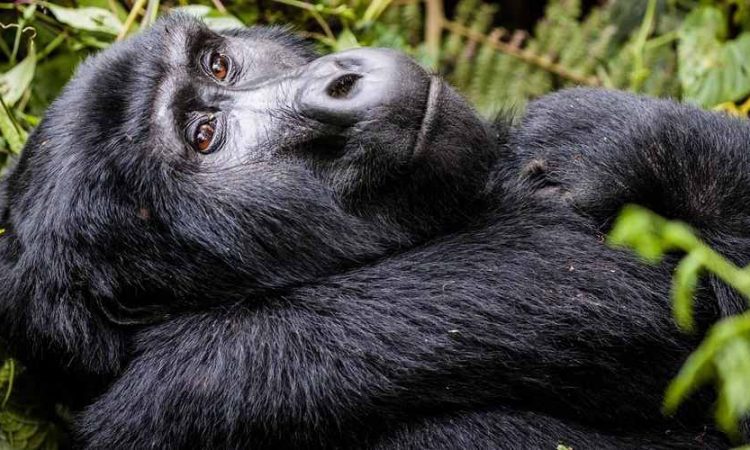
Is Uganda Better Than Kenya for Safari? East Africa is home to some of the most breathtaking safari destinations on the planet, and no two countries spark more debate among wildlife lovers than Uganda and Kenya. Both nations offer extraordinary landscapes, abundant wildlife, and world-class experiences — but they cater to very different types of travelers. Whether you’re a first-time safari-goer drawn to wide-open savannah or a seasoned adventurer chasing primates through misty rainforests, understanding what each country uniquely offers is the key to planning your perfect trip. So, is Uganda better than Kenya for safari? The honest answer is: it depends on what you’re looking for. Let’s break it down.
The Wildlife Experience: Primates vs. the Big Five
Kenya has long been synonymous with the classic African safari. Its iconic Maasai Mara National Reserve hosts the legendary Great Wildebeest Migration — one of the greatest wildlife spectacles on Earth — where over 1.5 million wildebeest thunder across the Mara River between July and October. Kenya’s wide savannahs are also ideal for spotting the Big Five: lion, elephant, buffalo, leopard, and rhino. According to the Kenya Wildlife Service, the country manages over 60 wildlife sanctuaries and national parks, making it one of the most wildlife-diverse nations in the world.
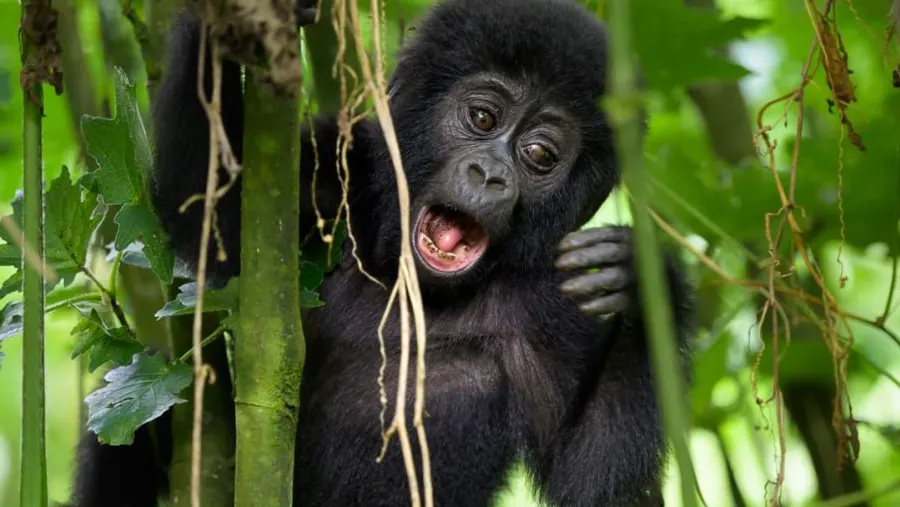
Uganda, on the other hand, offers something Kenya simply cannot match — mountain gorillas. As the Uganda Wildlife Authority confirms, Uganda is home to over half of the world’s remaining mountain gorilla population, concentrated in Bwindi Impenetrable Forest and Mgahinga Gorilla National Park. This alone places Uganda in a category of its own. If encountering our closest genetic relatives in their natural habitat is your dream, Uganda wins without question. Beyond gorillas, Uganda also hosts chimpanzees, golden monkeys, and over 1,000 bird species — making it the primate capital of the world. You can explore more about what awaits on a Uganda safari with Kenlink Tours.
Landscapes and National Parks: Drama in Every Direction
Kenya’s landscapes are defined by its sweeping savannahs, arid plains, and the Great Rift Valley. Parks like Amboseli offer stunning views of Mount Kilimanjaro, while Lake Nakuru is a flamingo paradise. The diversity of ecosystems across Kenya’s parks creates varied safari experiences throughout the year.
Uganda’s landscape is arguably even more diverse, despite being a much smaller country. From the mist-covered rainforests of Bwindi and Kibale to the wide savannahs of Murchison Falls and Queen Elizabeth National Parks, Uganda packs an astonishing variety of scenery into a compact geography. The country sits astride the equator, blanketed in extraordinary biodiversity. Murchison Falls — where the Nile forces itself through a narrow gorge — is one of Africa’s most dramatic natural landmarks. For those who want to combine gorilla trekking with classic game drives and boat safaris, booking a Uganda safari offers a depth of experience that few destinations can rival.
Budget and Value: Where Does Your Money Go Further?
When it comes to overall value, Uganda generally offers a more affordable safari experience than Kenya, particularly for accommodations and park fees. However, the one major cost to consider is the gorilla trekking permit. As detailed by the Uganda Wildlife Authority, a standard gorilla permit costs $800 per person for foreign non-residents — a significant but absolutely worthwhile investment for a once-in-a-lifetime, one-hour encounter with a gorilla family. You can learn more about the full cost breakdown on the gorilla trekking price guide by Kenlink Tours.
Kenya’s safari costs vary widely, but staying in high-end tented camps in the Maasai Mara during peak migration season can be extremely expensive. Uganda, by contrast, offers everything from luxury lodges to budget-friendly guesthouses near national parks, giving travelers more flexibility across different price points. For travelers seeking premium experiences, Uganda luxury safaris and gorilla tours combine world-class lodges with intimate wildlife encounters in a way that represents exceptional value.
Crowds and Authenticity: Solitude or Spectacle?
Kenya’s popularity is both its greatest strength and its occasional weakness. During peak migration season, the Maasai Mara can become crowded, with dozens of vehicles converging around lion kills or river crossings. The experience remains breathtaking, but the intimacy of the encounter can sometimes be diminished.
Uganda, in contrast, feels genuinely off the beaten path. With far fewer tourists than Kenya or Tanzania, Uganda’s parks offer a more immersive and unhurried experience. Gorilla trekking groups are strictly limited to eight people per gorilla family per day — a rule enforced by the Uganda Wildlife Authority — ensuring your encounter remains intimate and deeply personal. Uganda’s trekking safaris are perfect for travelers who want to feel like true explorers rather than part of a tourist conveyor belt. The Uganda Tourism Board actively promotes responsible, low-impact tourism that helps preserve these extraordinary ecosystems for generations to come.
Best Time to Visit: Planning Your Trip Around Wildlife
Both countries offer year-round safari opportunities, but timing your visit around specific events can make a huge difference. In Kenya, the peak season for the Great Migration runs from July to October, when wildebeest crossings are most dramatic. The dry season from June to October is also the best time for overall wildlife viewing across the country’s parks, as confirmed by Magical Kenya, the official tourism portal.
For Uganda, the best windows for gorilla trekking are the dry seasons: December to February and June to September, when forest trails are drier and hiking conditions are more comfortable. That said, gorilla trekking is genuinely possible year-round in Uganda — permits can be secured at almost any time, though advance booking is essential. If you’re planning a combined East Africa adventure, a 20-day East Africa safari itinerary from Kenlink Tours allows you to experience both Uganda’s primates and Kenya’s great migration in a single unforgettable trip.
Why Not Both? Combining Uganda and Kenya
The truth is, Uganda and Kenya are not rivals — they are perfect complements. Many savvy travelers choose to experience both countries on a single East Africa safari, getting the best of the savannah in Kenya and the best of the rainforest in Uganda. The combination of seeing the Big Five on the Maasai Mara plains and then trekking through Bwindi Impenetrable Forest to sit with mountain gorillas creates a safari experience that is impossible to replicate anywhere else on Earth. You can browse options for tours covering Kenya, Tanzania, and Uganda that blend these iconic experiences seamlessly.
For travelers still weighing their options, our team at Kenlink Tours has put together a comprehensive guide on how to choose the best safari package in Uganda and Rwanda to help you narrow down what suits your interests, timeline, and budget.