- EXPERT'S HELP
- +256789210067
- +256200955001
- info@kenlinktours.com


2 Days Short Gorilla Safari in Uganda
April 29, 2026
Uganda Chimpanzee and Gorilla Safaris and Tours
April 29, 2026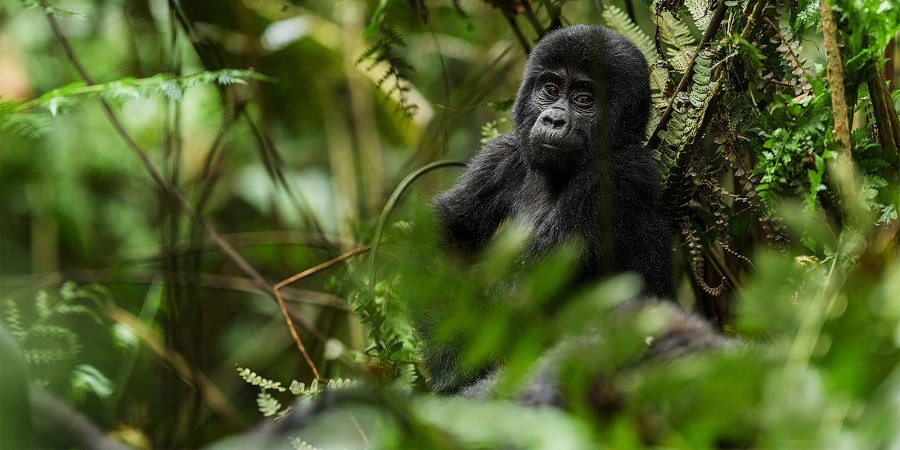
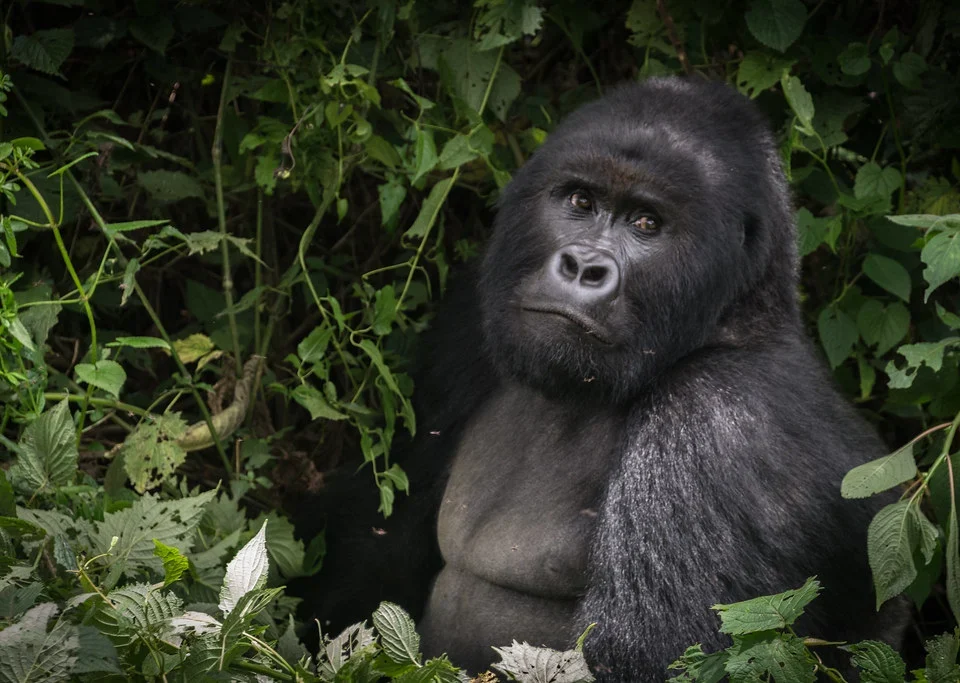
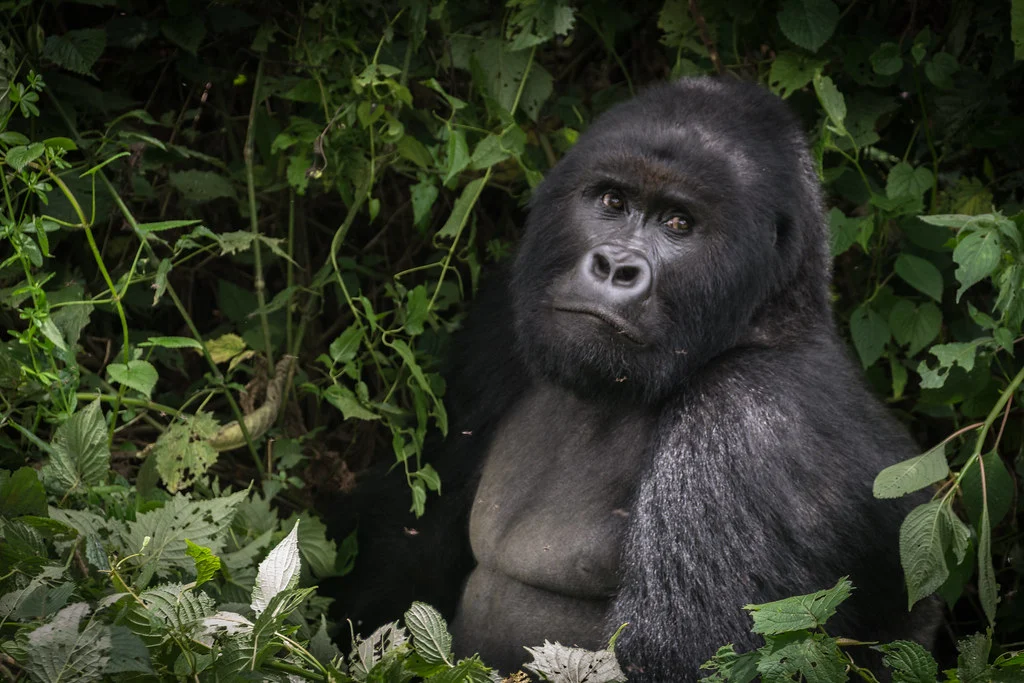
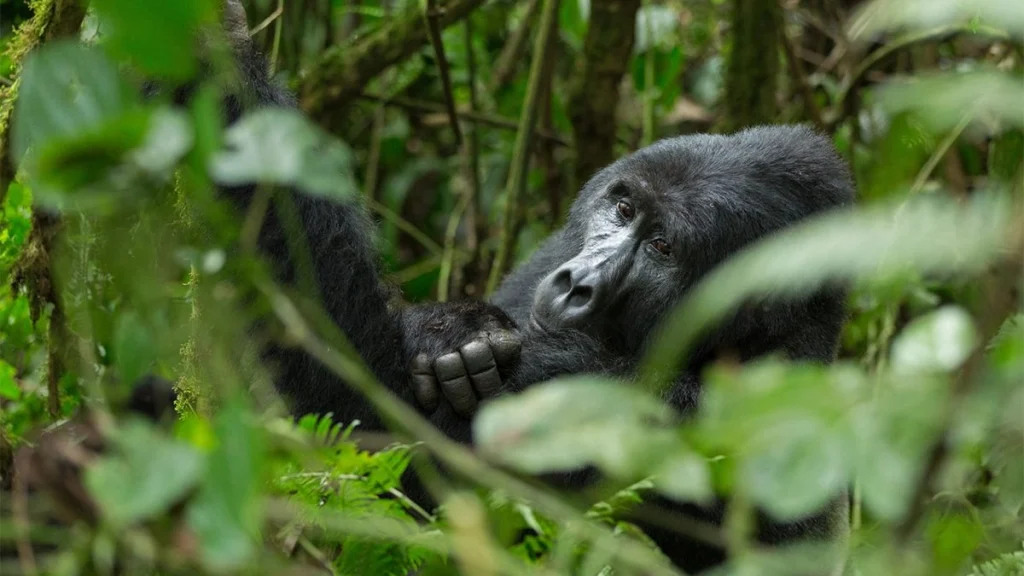
Short Gorilla Trekking Tours in Uganda. Mountain gorillas are one of the rarest and most emotionally stirring wildlife encounters on Earth. Fewer than 1,100 individuals survive in the wild, divided between the Virunga volcanic massif on the Rwanda-Uganda-DRC border and the ancient forests of Bwindi Impenetrable National Park in southwestern Uganda. For many travellers, the idea of seeing gorillas feels like a once-in-a-lifetime dream reserved for those who can take a long African holiday. The reality is far more accessible than that.
A short gorilla safari in Uganda can be done in as few as two days — and done properly, with everything it deserves. Whether you are squeezing a gorilla trek into a business trip, adding a few days to a regional East Africa itinerary, or simply prefer a focused wildlife experience over a sweeping multi-week circuit, Uganda has short gorilla safari options built precisely for you. This guide covers every format, from the fastest fly-in to a compact 5-day primate programme, so you can choose the one that fits your time, budget, and priorities.
Why Uganda for a Short Safari?
Uganda is home to roughly half the world’s remaining mountain gorillas and holds the most accessible gorilla trekking experience in East Africa. Bwindi Impenetrable National Park has four trekking sectors — Buhoma, Rushaga, Ruhija, and Nkuringo — each with habituated gorilla families available year-round. Domestic flights cut the road transfer to under an hour, making a 2-day itinerary from Entebbe entirely realistic. And Uganda’s permit price of USD 800 is lower than Rwanda’s USD 1,500, delivering the same one-hour observation with a wild gorilla family.
The 2-Day Fly-In Gorilla Safari
The 2-day Bwindi gorilla fly-in safari is the fastest complete gorilla trekking itinerary available in Uganda, designed for travellers who want the full experience without the long overland journey. Instead of the 8 to 9 hour road transfer from Kampala or Entebbe to Bwindi, you fly — taking a scheduled or chartered domestic flight from Entebbe International Airport to Kihihi Airstrip (for the Buhoma or Ruhija sectors) or Kisoro Airstrip (for Nkuringo or Rushaga). Flight time is approximately 45 minutes to one hour, cutting the total travel overhead of the safari dramatically.
Day one begins with an early morning flight from Entebbe. A Kenlink Tours vehicle and guide meet you at the airstrip for a short transfer to your lodge near the park. You spend the afternoon settling in, receiving your pre-trek briefing, and acclimatising to the altitude — Bwindi sits between 1,160 and 2,607 metres above sea level, and the cool, mist-laden air is a world away from the Ugandan lowlands. Evenings at lodges bordering Bwindi carry a distinctive atmosphere: the sounds of the forest at dusk, the distant call of birds, and the knowledge that tomorrow you will step into one of the most ancient rainforests in Africa.
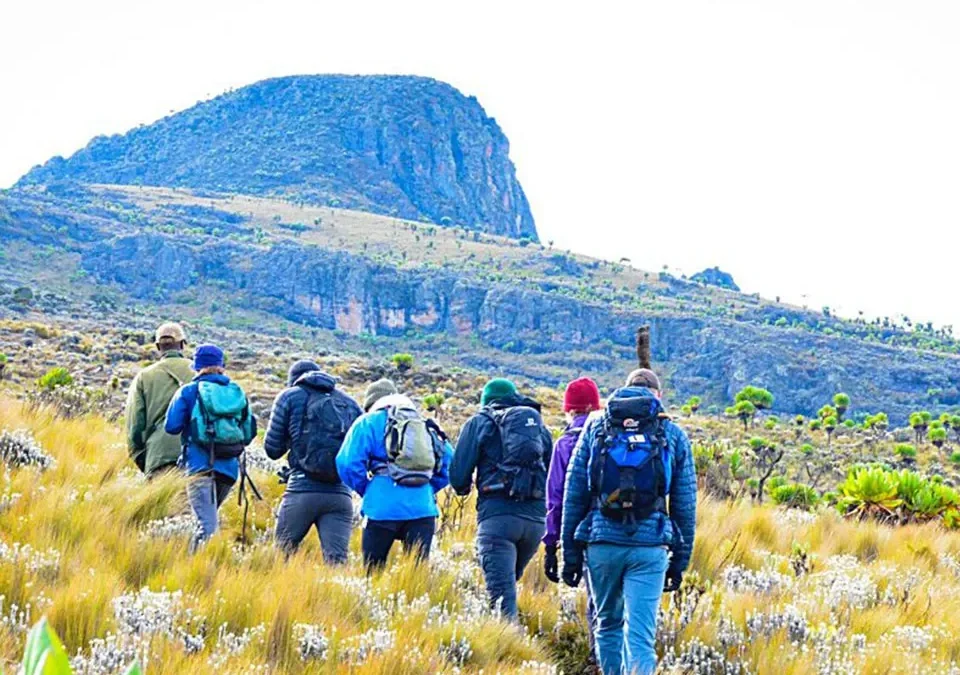
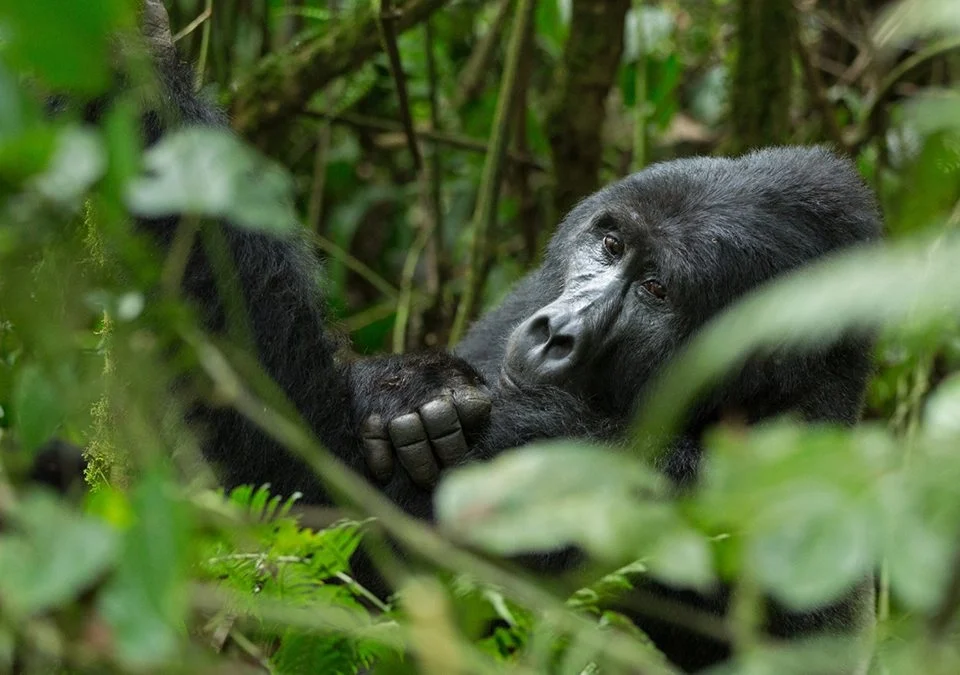
Day two is the trek. You report to the park headquarters at 8:00 AM, meet your Uganda Wildlife Authority ranger guide, and are assigned to a specific habituated gorilla family. Groups are limited to eight people per family — one of the details that makes gorilla trekking feel intimate rather than touristic. Professional trackers have been in the forest since before dawn, locating the family from where it slept the previous night. The trek to reach them ranges from 30 minutes to as long as six hours, depending on how far the gorillas have moved. Once you find the family, you have exactly one hour — unhurried, wordless, standing in deep forest while the gorillas go about their lives around you. After the trek you return to the airstrip and fly back to Entebbe, arriving in the evening. Two days. One of the most powerful wildlife experiences in the world.
The 3-Day Gorilla Safari — The Classic Short Trip
The 3-day best of Uganda gorilla safari is the most popular short gorilla package offered by Kenlink Tours, and for good reason. It provides the full gorilla trekking experience with two nights in the park area — giving you a genuine sense of place around Bwindi rather than the in-and-out quality of a single overnight. The extra day compared to the fly-in option opens up the possibility of a morning forest walk, a visit to a local Batwa pygmy community, or simply a slower, more relaxed experience that allows the landscape to sink in.
The route from Kampala or Entebbe to Bwindi passes through the Ugandan countryside with a scheduled stop at the equator in Kayabwe — a small but satisfying landmark that many travellers enjoy. The drive takes 8 to 9 hours and winds through tea estates, crater lake viewpoints, and the fertile southwestern highlands before descending into the forest valleys surrounding Bwindi. It is a long day of driving, and most operators schedule it without apology: the scenery is part of the experience, and by the time you arrive at the lodge, you feel the distance and remoteness of the place in a way that a flight cannot deliver.
The gorilla trek falls on day two, following the same structure as the fly-in itinerary: early morning briefing, ranger assignment, and a trek of variable duration into Bwindi’s dense interior. Day three begins the road return to Kampala or Entebbe, with a stop for lunch and the chance to pick up fresh produce at markets along the route. A 3-day Uganda gorilla safari departing from Kigali is also available, with the shorter 4 to 5 hour Rwanda-Uganda border crossing making the drive more comfortable and leaving more time in the park on day two. Kenlink Tours handles both the Entebbe and Kigali departure options.
“The one-hour observation rule is not a limitation — it is one of the most focused, undistracted wildlife moments you will ever experience. No vehicles. No noise. Just you, your group, and a wild gorilla family in their forest.”
— Kenlink Tours Guide
4 Days: Gorillas and the Bwindi Forest Experience
With four days, a short gorilla safari gains meaningful breathing room. This is the format that consistently receives the most enthusiastic feedback from travellers who have done both the 3-day and 4-day versions — not because the gorilla trek itself is better, but because you have the time to experience Bwindi as a place rather than simply as the location of a wildlife encounter. The extra day in the park opens up the full range of activities that Bwindi’s exceptional biodiversity supports.
Bwindi is one of the most biologically diverse forests in Africa. It shelters more than 120 mammal species, over 350 bird species — including 23 Albertine Rift endemics — and an extraordinary array of butterflies, primates, and insects found nowhere else. An afternoon guided nature walk through the forest edge, a morning birdwatching session with a specialist guide, or a guided visit to a Batwa cultural site transforms the trip from a single-activity safari into a richer immersion in this part of southwestern Uganda.
A 4-day itinerary also gives you the option of visiting a second gorilla family if permits are available — a “double trek” that allows you to compare the character and dynamics of two different habituated families on consecutive days. Some families are more active and spread through open clearings; others stay in dense understorey. Some silverbacks are territorial and watchful; others barely acknowledge the presence of the human group. Every family, every trek, is different. Kenlink Tours’ gorilla trekking adventures page provides detail on the specific families and sectors available for booking.
5 Days: Gorillas and Chimpanzees — The Premier Short Safari
The 5-day gorilla and chimpanzee tour in Uganda is widely regarded as the finest short safari itinerary the country offers. Within five days, you combine two of the most extraordinary primate experiences available anywhere in the world: gorilla trekking in Bwindi and chimpanzee tracking in Kibale Forest National Park — the primate capital of the world. No other country in East Africa can offer this combination in a single short trip.
Kibale Forest, located in western Uganda near Fort Portal, is home to more than 1,500 chimpanzees — the largest population of East Africa’s common chimpanzee. The forest is also shared by 12 other primate species including red-tailed monkeys, L’Hoest’s monkeys, grey-cheeked mangabeys, and olive baboons, meaning a single morning in Kibale can produce more primate species than many travellers see in a lifetime. The chimpanzee tracking experience follows a similar structure to gorilla trekking: ranger assignment, early morning forest entry, variable tracking time, and a one-hour observation with a habituated chimpanzee community. Unlike gorillas, chimpanzees are fast-moving and vocal — the encounter is louder, more chaotic, and in its own way just as extraordinary.
A standard 5-day itinerary moves from Kampala to Kibale on day one for chimpanzee tracking on day two, then drives south through the Queen Elizabeth National Park corridor — where a game drive or the Kazinga Channel boat cruise can be added — before arriving at Bwindi for gorilla trekking on day four and returning to Kampala on day five. This route allows you to tick off three of Uganda’s most celebrated wildlife experiences in a single five-day window. For the traveller who has limited time but wants the deepest possible experience of Uganda, this itinerary delivers exactly that. Gorilla and chimpanzee habituation experiences are also available for travellers who want extended time with either species.
Choosing the Right Bwindi Sector
Bwindi Impenetrable National Park is divided into four trekking sectors, each with its own trailhead, lodges, habituated gorilla families, and character. For a short gorilla safari, the sector choice matters: it affects the drive time from your starting point, the lodge options at your budget, and the number of gorilla families available on your chosen dates.
Buhoma sector in the north is the oldest and best-established trekking area in Bwindi. It was the first sector to be opened to tourists, and it has the widest range of lodge options from budget guesthouses to luxury forest lodges. Buhoma is the closest sector to the main road from Kampala, making it the natural choice for travellers doing a 3-day road safari from Entebbe or Kampala. The trails here climb through some of Bwindi’s most dramatic terrain.
Rushaga sector in the south has the largest number of habituated gorilla families in Bwindi — currently more than any other sector — making it the best choice when permit availability is a concern during peak season. It sits closest to the Rwanda border, making it the preferred entry point for travellers coming from Kigali. The 5-day gorilla trekking safari from Kigali to Uganda typically uses the Rushaga or Nkuringo sector for this reason.
Ruhija sector in the east is the highest and most remote of the four sectors, and generally the quietest. It is favoured by birdwatchers — its altitude and forest type attract some of Bwindi’s most sought-after Albertine Rift endemic species. Gorilla trekking here tends to involve longer walks through dense, steep terrain. Nkuringo sector, also in the south, offers spectacular views over the Virunga volcanoes into the DRC and Rwanda. The Nkuringo family is one of the most well-known and frequently sought in Bwindi. Kenlink Tours will recommend the sector best matched to your starting point and available permit dates when you book.
What Is Included in a Short Gorilla Safari?
All Kenlink Tours short gorilla safari packages include: gorilla trekking permit (USD 800), ground transport in a 4×4 safari vehicle, English-speaking driver/guide, accommodation (budget, mid-range, or luxury), meals per itinerary, park entry fees, ranger guidance, and a gorilla trekking certificate on completion.
Not included: international flights, Uganda visa, travel insurance, tips, and personal expenses. Contact Kenlink Tours for a full detailed quotation at your preferred budget level.
Gorilla Permits: Cost, Availability, and How to Book
The Uganda gorilla trekking permit costs USD 800 per person, issued by the Uganda Wildlife Authority. This fee is fixed regardless of the operator and covers the ranger escort and the one-hour gorilla observation. It is the single largest cost in any gorilla safari, but compared to Rwanda’s USD 1,500 permit, Uganda represents significantly better value for the identical experience — the same habituated families, the same one-hour rule, the same ancient forest.
Permits must be booked in advance. The number of daily permits per gorilla family is strictly limited to eight — meaning that on any given day, only 64 people trek in all of Bwindi (eight families, eight people each). During Uganda’s peak safari seasons from June through September and December through February, the most popular sectors and families sell out months ahead. For a short gorilla safari where the permit date is the anchor of the entire itinerary, this is the first thing to confirm. Kenlink Tours secures the permit before confirming any other element of your trip. This is the correct sequence.
The good news for short safari travellers is that Uganda’s quieter periods — March through May and October through November — offer easier permit availability, lower lodge rates, and verdant, lush forest conditions that produce spectacular photography. The wet season forest is alive in a way that the dry season cannot match, and the gorillas themselves tend to move more slowly, feeding on abundant vegetation and resting in open clearings. If your schedule is flexible and your travel dates fall in a low season, a short gorilla safari during Uganda’s green season can be one of the best decisions you make.
What to Bring and How to Prepare
A short gorilla safari succeeds or fails on preparation. Because you have fewer days and less margin for logistical issues, arriving fully equipped and physically ready matters more than on a longer itinerary where an overlooked item can be replaced or a difficult trek on day one recovered from over subsequent days.
The single most important item is footwear. Waterproof, ankle-supporting hiking boots with good grip are non-negotiable. Bwindi’s trails are steep, slippery, and frequently wet regardless of season. Trainers, sandals, or casual shoes will leave you struggling on every slope and significantly reduce your enjoyment of the trek. After boots, the priorities are long-sleeved shirts and trousers for protection against stinging nettles — which line much of the lower forest — and gardening or work gloves for gripping vegetation during steep sections. These small details make an outsized difference to the comfort and confidence of the trek.
Bring a daypack with one to two litres of water, energy snacks, a waterproof rain jacket, sunscreen, and insect repellent. A camera with a zoom or telephoto lens is the most useful photography tool; flash photography is prohibited inside the park. A walking stick is strongly recommended, particularly for the descent, and is available from the park headquarters or your lodge. The key physical requirement for gorilla trekking is general fitness rather than any particular athletic ability — the trek is demanding but not technical, and rangers pace the group to the slowest member. People of all ages and fitness levels complete gorilla treks successfully every day.
Why Book Your Short Gorilla Safari with Kenlink Tours
Kenlink Tours is a Uganda-based safari operator licensed by the Uganda Tourism Board and accredited by the Uganda Wildlife Authority — the body that issues all gorilla permits. The company is also a member of TUGATA, the national tour operators association. This accreditation matters on a short safari because you are entrusting a significant portion of a limited travel window to a single operator. When a permit is secured incorrectly, a vehicle breaks down, or a lodge is not what it appeared online, there is no margin for error on a 2 or 3-day trip. Working with a licensed, experienced local operator eliminates these risks.
Kenlink Tours is your choice
Beyond accreditation, Kenlink Tours has built its reputation on designing gorilla safaris that match the traveller’s actual needs rather than defaulting to standard packages. Budget travellers are matched with comfortable guesthouses near the park gates. Mid-range travellers stay in well-equipped lodges with forest views and warm-water showers. Those who want a premium experience can access the luxury lodges perched on Bwindi’s ridgelines with private terraces and uninterrupted forest views. The gorilla trek is identical regardless of where you sleep — but the surrounding experience reflects the budget and preferences you bring to the booking conversation.
To explore the full range of short gorilla safari packages, browse the Uganda safaris overview, or get in touch with the team directly to build a custom itinerary around your exact dates, starting point, and budget. The gorillas are available year-round. The only question is when you can go.