- EXPERT'S HELP
- +256789210067
- +256200955001
- info@kenlinktours.com


Ugandan Tour to all National Parks
October 5, 2026
Uganda Tourism Internships
October 5, 2026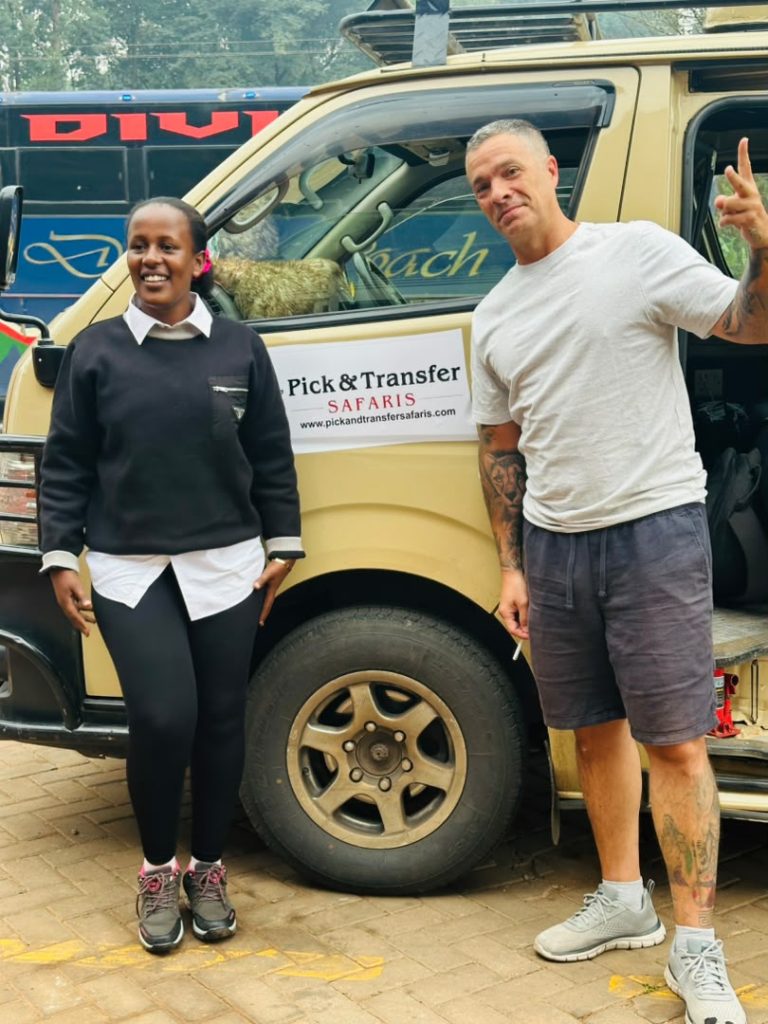
Tourism Internship Opportunities in Uganda. Tourism internship opportunities in Uganda offer students and young professionals a rare chance to learn the travel industry in one of Africa’s most exciting destinations. Uganda’s tourism sector spans gorilla trekking, wildlife safaris, hospitality, cultural tourism, conservation and adventure travel, and it relies on skilled people at every level, from tour planners and guides to lodge managers and marketers. An internship lets you build real-world experience, understand how safaris are designed and delivered, and make connections that can launch a career. This guide explains the types of tourism internships available in Uganda, who they suit, the skills you will gain, how to find and apply for placements, what international interns need to know, and how to make the most of the experience.
At Kenlink Tours, we believe that the future of Ugandan tourism depends on training the next generation of tourism professionals. This guide draws on our experience of how safari operations work behind the scenes.
Why Choose Uganda for a Tourism Internship?
Uganda, known as the “Pearl of Africa,” offers an exceptional learning environment for anyone interested in tourism.
Remarkable diversity of products. In one country, the industry sells mountain gorilla trekking, chimpanzee tracking, Big Five safaris, Nile adventures, mountain climbing, birding and cultural tourism. Interns see how very different experiences are planned, priced and delivered. Our guide to choosing the best Uganda safari shows just how varied these products are.
A growing industry. Tourism is one of Uganda’s leading sources of foreign exchange, and the sector continues to expand with new lodges, routes and services. That growth creates demand for trained, experienced staff.
Hands-on experience. Many Ugandan tourism businesses are small to medium-sized, so interns often get involved in a wide range of tasks rather than doing one narrow job.
Conservation in action. Uganda’s tourism is closely linked to conservation. Gorilla permit revenue, for example, supports park protection and local communities, giving interns a first-hand view of how tourism and conservation work together.
A welcoming culture. Ugandans are known for their friendliness, and English is an official language, which makes the country accessible for both local and international interns.
Who Are Tourism Internships in Uganda For?
Tourism internships in Uganda can suit a wide range of people:
- University and college students studying tourism, hospitality, travel management, leisure, wildlife management, environmental science, business or marketing, who need industrial training or a placement as part of their course.
- Recent graduates looking for practical experience before entering the job market.
- Career changers who want to move into the travel industry and need hands-on knowledge.
- International students seeking overseas placements in an African tourism context.
- Aspiring guides and conservationists who want field experience in national parks and protected areas.
Many Ugandan universities and institutions that offer tourism and hospitality programmes require students to complete an internship or industrial training. Students should check their institution’s requirements, such as duration, supervision and reporting, before choosing a placement.
Types of Tourism Internship Opportunities in Uganda
The tourism industry is broad, and internships are available in many types of organization. Here is an overview of the main options.
| Type of organization | Typical internship roles | Skills you gain |
|---|---|---|
| Tour operators and safari companies | Itinerary planning, reservations, client communication, permit booking, marketing | Product knowledge, sales, customer service, planning |
| Lodges, hotels and camps | Front office, food and beverage, housekeeping, guest relations, activities | Hospitality operations, guest experience, teamwork |
| Transport and ground handling companies | Transfer coordination, fleet scheduling, airport meet-and-greet | Logistics, coordination, problem-solving |
| Wildlife and conservation organizations | Research support, community projects, education programmes | Conservation, data collection, community engagement |
| Government and industry bodies | Destination marketing, policy, events, statistics | Tourism planning, marketing, administration |
| Travel agencies and airlines | Ticketing, travel consulting, customer service | Booking systems, sales, client management |
| Digital marketing and media | Content writing, social media, photography, website management | Digital skills, storytelling, analytics |
The sections below look at each in more detail.
Internships with Tour Operators and Safari Companies
Tour operators are at the heart of Uganda’s tourism industry. They design and sell safaris, book gorilla and chimpanzee permits, reserve lodges, arrange transport and guides, and look after clients from their first email to their departure.
An internship with a safari company can include:
- Researching destinations and helping design itineraries
- Preparing quotations and responding to client inquiries
- Learning how gorilla permits are booked and allocated; our guide to gorilla trekking in Uganda explains the permit system interns quickly need to understand
- Coordinating lodge reservations and transport
- Supporting marketing, social media and website content
- Accompanying guides on familiarization trips, where possible
This kind of placement gives a complete view of how the safari business works. Interns learn the booking process in detail, as described in our guide to booking Uganda safaris, and gain product knowledge that is valuable throughout a tourism career.
Internships in Lodges, Hotels and Camps
Uganda’s lodges and hotels, from city hotels in Kampala and Entebbe to safari lodges in national parks, offer internships in all areas of hospitality. Interns may rotate through departments such as front office, reservations, food and beverage, housekeeping, kitchen and guest activities.
Working in a safari lodge near a national park is a particularly rich experience. Interns learn how remote lodges manage supplies, staff and guest expectations, and they meet travelers from all over the world. Our guide to accommodations in Bwindi Impenetrable National Park gives a sense of the range of properties, from community-run eco-lodges such as Bakiga Lodge to luxury retreats.
Internships in Transport and Ground Handling
Every safari depends on reliable transport. Ground handling companies arrange airport pick-ups, cross-border transfers, safari vehicles and driver-guides. Internships in this area teach logistics, scheduling and problem-solving, as interns help coordinate vehicles, drivers and timings across long distances.
Companies such as Pick and Transfer Safaris, which specializes in transfers between Kigali and Uganda’s national parks, show how complex cross-border logistics can be. Their guide on whether travelers can begin a tour at Kigali Airport and end at Entebbe Airport is a good example of the routing knowledge interns develop in this field.
Internships in Wildlife and Conservation
For students interested in wildlife and the environment, conservation internships offer the chance to work on projects linked to Uganda’s protected areas. These might involve supporting research, community conservation projects, environmental education, or visitor programmes at wildlife centers.
Interns learn how conservation and tourism support each other, and how strict rules protect wildlife such as mountain gorillas; our guide to gorilla trekking rules and regulations in Uganda shows the kind of regulations conservation interns encounter. The legacy of organizations such as the one described in our article on the Dian Fossey Gorilla Fund also shows how research and conservation have shaped gorilla tourism in the region.
Internships with Government and Industry Bodies
Uganda’s tourism sector is supported by public institutions and industry associations. These include the Ministry of Tourism, Wildlife and Antiquities, the Uganda Tourism Board, which markets Uganda as a destination, and the Uganda Wildlife Authority, which manages the country’s national parks and wildlife reserves. Industry associations represent tour operators, guides, hotels and other businesses.
Internships in these organizations focus on destination marketing, tourism statistics, policy, events, park operations and stakeholder engagement. They suit students interested in tourism planning and management. Opportunities and application procedures vary, so contact each organization directly or check their official websites for announcements.
Internships with Travel Agencies and Airlines
Travel agencies and airlines in Kampala and Entebbe offer internships in ticketing, travel consulting, reservations and customer service. Interns learn global distribution systems, fare rules and how to handle travel documents and bookings for both outbound and inbound travelers. These skills are useful for careers in travel management and corporate travel.
Internships in Tourism Marketing and Digital Media
Modern tourism runs on digital marketing. Safari companies, lodges and destination bodies need people who can write engaging content, manage websites and social media, take photos and videos, and analyze online performance.
A digital marketing internship might involve writing blog articles about destinations, such as guides to which part of Bwindi is easy for gorilla trekking or Uganda primate tracking safaris; creating social media posts; editing photos and videos from safaris; and helping with search engine optimization. These skills are in high demand and transfer well to other industries.
Where in Uganda Can You Do a Tourism Internship?
Tourism internships in Uganda are available in many locations, each offering a different experience.
- Kampala and Entebbe: Most tour operators, travel agencies, government offices and industry associations are based here. Entebbe is also home to Uganda’s main international airport.
- Jinja: The adventure capital of East Africa, at the source of the Nile, with rafting, kayaking and lodges.
- Southwestern Uganda: Lodges and community projects around Bwindi Impenetrable and Mgahinga Gorilla National Parks, Lake Bunyonyi and Kisoro. Interns in this area see gorilla tourism up close; Pick and Transfer Safaris’ guides to Ikoro Hotel in Kisoro and what to do after a gorilla tour in Bwindi give a sense of the region’s hospitality and activities.
- Western Uganda: Fort Portal, Kibale Forest and Queen Elizabeth National Park, with lodges and primate tourism.
- Northern and eastern Uganda: Murchison Falls, Kidepo Valley, Mount Elgon and Sipi Falls, offering experience in more remote destinations.
Some interns also gain regional experience in neighboring Rwanda, where destinations such as Nyungwe Forest National Park are often combined with Ugandan safaris.
Skills You Will Gain from a Tourism Internship
A tourism internship in Uganda builds a wide range of practical and personal skills:
- Customer service: handling inquiries, solving problems and creating memorable guest experiences.
- Product knowledge: understanding destinations, parks, activities, lodges and permits in depth.
- Planning and organization: building itineraries, coordinating bookings and managing timings.
- Communication: writing professional emails, presenting options to clients and working with colleagues.
- Sales and marketing: pricing safaris, writing content and promoting tourism products.
- Teamwork and adaptability: working in busy offices, lodges or field settings, often with changing plans.
- Cultural awareness: working with guests and colleagues from many backgrounds.
Interns with safari companies often learn to plan trips for very different travelers, from luxury guests to backpackers. Our guides to a Uganda safari with a lady guide and budget trips in Uganda show how one company can serve many types of client.
How to Find Tourism Internship Opportunities in Uganda
There are several ways to find a tourism internship in Uganda.
- Through your university or college. Many institutions have industrial training offices with lists of partner organizations.
- Contacting companies directly. Many tour operators, lodges and transport companies accept internship applications even if they don’t advertise. A polite, well-prepared email can open doors.
- Industry associations. Associations of tour operators, guides and hotels can point you to member companies that take interns.
- Government and wildlife institutions. Check official websites and notice boards for internship calls.
- Online job boards and professional networks. Platforms such as LinkedIn and local job sites sometimes list tourism internships.
- Personal networks. Lecturers, former interns and tourism professionals can recommend you to employers.
- International placement programmes. Some organizations arrange placements for international students, usually for a fee. Research them carefully and check reviews.
How to Apply: Writing a Strong Internship Application
A strong application makes a big difference, especially with popular organizations.
Prepare a clear CV. List your education, relevant courses, any work or volunteer experience, languages and practical skills, such as computer literacy, writing or photography.
Write a tailored cover letter. Explain why you are interested in that specific company or lodge, what you hope to learn and what you can contribute. Mention relevant knowledge, for example if you understand how travelers move between countries, as explained in guides about landing in Kigali or Entebbe for a gorilla safari.
Include your institution’s requirements. If your university requires a letter, logbook or supervisor details, include them or mention them in your email.
Show genuine interest in Uganda’s tourism. Research the company’s products and Uganda’s destinations before applying. Employers appreciate applicants who already know the difference between Bwindi and Queen Elizabeth, or between a gorilla permit and a park entry fee.
Follow up politely. If you don’t hear back within a week or two, send a short, courteous follow-up message.
Preparing for Your Internship Interview
Some organizations will interview you before offering a placement. Prepare by reviewing the company’s website and products, thinking about why you want to work in tourism, and preparing examples of times you have worked in a team, solved a problem or helped a customer. Be ready to talk about Uganda’s main attractions, and show enthusiasm, reliability and willingness to learn, qualities that tourism employers value highly.
Advice for International Interns
Uganda welcomes international students, and an overseas tourism internship can be a life-changing experience. However, international interns need to plan carefully.
Visas and permits. A standard tourist visa is generally not intended for internships or work placements. Requirements depend on your nationality, the length of your stay and the nature of the placement. Contact Uganda’s Directorate of Citizenship and Immigration Control or the nearest Ugandan embassy well in advance, and ask your host organization what documents they can provide, such as an invitation or placement letter.
Health and insurance. A yellow fever vaccination certificate is required for entry. Speak to a travel health clinic about other recommended vaccinations and malaria prevention, and arrange comprehensive health and travel insurance for your whole stay.
Accommodation. Some lodges provide staff accommodation for interns working on site. In Kampala and Entebbe, interns often rent rooms in shared houses or stay with host families. Ask your host organization for recommendations.
Cultural awareness. Learn about local customs, dress modestly in professional settings, and be open to different ways of working. Learning a few words of Luganda or another local language is always appreciated.
Getting to know the country. Use your free time to explore. Many interns visit national parks during or after their placement; our guide to a Uganda gorilla safari on self-drive and our overview of the best time to see gorillas in Uganda and Rwanda are helpful starting points. Interns based near the Rwandan border can also explore short trips such as a 2 Days Uganda Gorilla Tour Starting from Kigali.
How Long Is a Tourism Internship in Uganda?
Internship length varies by organization and by your study requirements. Many university industrial training placements last around two to three months. International internships often range from one to six months. Longer placements give you time to learn more and take on greater responsibility, while shorter ones offer a taste of the industry.
Tourism in Uganda has busy and quiet seasons. Peak seasons, around June to September and December to February, are busier and offer more hands-on experience with guests, while quieter months may allow more time for training and projects.
Are Tourism Internships in Uganda Paid?
Payment varies widely. Many internships in Uganda are unpaid, especially short academic placements, though some organizations offer a small allowance, meals, transport support or accommodation, particularly in lodges. Paid internships are more common in larger companies and some international organizations. International placement programmes usually charge a fee that covers arrangements and support.
Always clarify terms before you start: working hours, responsibilities, any allowance, accommodation and meals, supervision and how your performance will be assessed.
What You Will Learn About Uganda’s Tourism Products
One of the most valuable parts of a tourism internship is the product knowledge you gain. Interns at safari companies quickly learn about:
- Gorilla trekking in Bwindi and Mgahinga, including permits, sectors and lodges; see our list of the most budget lodges in Bwindi National Park for the kind of accommodation research interns do.
- Long safaris across the country, such as our 25-Day Wildlife, Gorilla, Chimps and Uganda Adventure.
- Short gorilla packages sold by partners and competitors, such as Pick and Transfer Safaris’ short gorilla safaris starting from Kigali and their 3 Days Uganda Gorilla Safari.
- Primate experiences like chimpanzee tracking, for example a 3 Days Chimpanzee Tour in Uganda.
- Cross-border itineraries combining Uganda and Rwanda, such as a 10 Days Uganda Rwanda Safari.
Understanding these products helps interns answer client questions confidently and prepares them for roles in sales, operations and guiding.
How to Make the Most of Your Internship
- Be curious. Ask questions about every part of the business, from pricing to logistics.
- Take initiative. Offer to help with new tasks, suggest ideas and volunteer for projects.
- Keep a learning journal. Record what you learn each day; it helps with university reports and job interviews.
- Build relationships. Get to know colleagues, guides, drivers and lodge staff. They are your future professional network.
- Learn the destinations. Read about parks, activities and lodges, and visit them if you can.
- Be professional. Arrive on time, dress appropriately and communicate clearly.
- Ask for feedback and a reference. At the end of your placement, request a reference letter or recommendation.
Career Paths After a Tourism Internship in Uganda
A tourism internship can open the door to many careers, including:
- Tour consultant or safari planner with a tour operator
- Reservations or operations officer, managing bookings and logistics
- Safari guide or driver-guide, after further training
- Lodge or hotel manager, starting in front office or guest relations
- Tourism marketer or content creator, specializing in digital media
- Conservation or community tourism officer, working on projects that link tourism and conservation
- Tourism entrepreneur, starting your own travel or hospitality business
Many successful Ugandan tourism professionals began their careers as interns, learning the business from the inside before moving up or starting companies of their own.
Frequently Asked Questions About Tourism Internships in Uganda
Who can apply for a tourism internship in Uganda? Students, recent graduates and career changers interested in tourism, hospitality, travel, wildlife or marketing can apply. Requirements vary by organization.
Where can I find tourism internships in Uganda? Through your university, by contacting tour operators, lodges and transport companies directly, via industry associations and government bodies, and on job boards.
How long do internships last? Typically two to three months for university placements, and one to six months for international interns.
Are tourism internships in Uganda paid? Many are unpaid, though some offer allowances, meals or accommodation. Clarify terms before you start.
Do international interns need a special visa? Usually yes. A tourist visa is generally not for internships. Check with Uganda’s immigration authorities and your host organization.
What skills do I need? Good communication, customer service, computer skills and a genuine interest in tourism. Knowledge of Uganda’s destinations is a strong advantage.
Can I do an internship with a safari company? Yes. Safari companies offer some of the most varied tourism internships, covering planning, bookings, marketing and operations.
Start Your Tourism Career with Kenlink Tours
Tourism internship opportunities in Uganda give you the chance to learn an exciting industry in one of Africa’s most beautiful countries. Whether you choose a safari company, a lodge, a conservation project or a marketing role, you will gain skills, knowledge and contacts that can shape your future career.
At Kenlink Tours, we are passionate about developing talent in Uganda’s tourism industry. If you are interested in learning about safari planning and operations, visit Kenlink Tours or email info@kenlinktours.com to ask about current internship opportunities.