- EXPERT'S HELP
- +256789210067
- +256200955001
- info@kenlinktours.com


Double Gorilla Trekking Tour in Uganda
October 5, 2026
Tourism Internship Opportunities in Uganda
October 5, 2026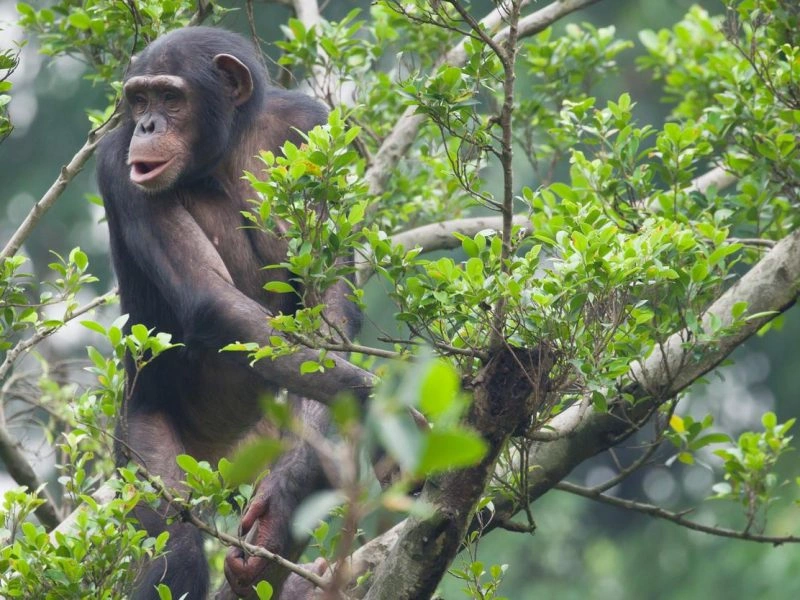
Ugandan Tour to all National Parks. A Uganda tour to all national parks is the ultimate way to experience the “Pearl of Africa.” Uganda has ten national parks, and together they cover almost every landscape the continent has to offer: misty rainforests full of mountain gorillas and chimpanzees, open savannahs with lions and elephants, the thundering Murchison Falls on the Nile, the snow-capped Rwenzori Mountains, the remote wilderness of Kidepo Valley and steaming hot springs in the Semuliki Valley. Visiting them all in one journey takes time, but it rewards you with a complete picture of one of Africa’s most diverse countries. This guide explains what each park offers, how to plan the route, how long you need, what it costs and how to make the most of a grand tour of Uganda’s national parks.
At Kenlink Tours, we design long Uganda safaris that cover the whole country. The advice here comes from guiding travelers across every one of these parks.
Uganda’s Ten National Parks at a Glance
Uganda’s national parks are managed by the Uganda Wildlife Authority (UWA). Each one protects a different ecosystem, so a tour to all of them feels like visiting several countries in one.
| National park | Region | Main highlights |
|---|---|---|
| Bwindi Impenetrable | Southwest | Mountain gorillas, birding, Batwa culture |
| Mgahinga Gorilla | Southwest | Gorillas, golden monkeys, Virunga volcano hikes |
| Queen Elizabeth | West | Kazinga Channel cruise, tree-climbing lions, crater lakes |
| Kibale | West | Chimpanzees and 13 primate species |
| Rwenzori Mountains | West | Glaciers, multi-day treks, “Mountains of the Moon” |
| Semuliki | West | Sempaya hot springs, Central African birds and forest |
| Lake Mburo | Southwest | Zebras, impalas, walking and horseback safaris |
| Murchison Falls | Northwest | Murchison Falls, Nile boat cruise, big game |
| Kidepo Valley | Northeast | Remote wilderness, cheetahs, ostriches, Karamojong culture |
| Mount Elgon | East | Huge volcanic caldera, caves, Sipi Falls nearby |
No other country in East Africa packs so much variety into such a compact area. Our guide to choosing the best Uganda safari explains how these destinations fit together.
Why Choose a Tour to All of Uganda’s National Parks?
Most visitors to Uganda see two or three parks, usually Bwindi for gorillas and Queen Elizabeth or Murchison Falls for game drives. A tour to all the national parks goes much further, and there are good reasons to do it.
Unmatched variety. In a single trip, you can track gorillas and chimpanzees, see the Big Five, cruise the Nile, hike volcanoes and walk among zebras.
Off-the-beaten-track parks. Kidepo Valley, Semuliki and Mount Elgon receive far fewer visitors than the famous parks, offering wild, uncrowded experiences.
A deeper understanding of Uganda. Traveling the whole country lets you experience its many cultures, from the Karamojong in the northeast to the Batwa and Bakiga in the southwest.
Exceptional birding. Uganda has over 1,000 recorded bird species, and visiting every park gives you access to forest, savannah, wetland and mountain birds, including the shoebill.
Once-in-a-lifetime value. For many travelers, an all-parks tour is a bucket-list journey, with each park adding something completely different.
How Many Days Do You Need?
Visiting all ten national parks requires a long safari. Distances in Uganda are not huge, but many roads to the parks are gravel, and each park deserves at least a full day of activities.
As a guide, a tour covering all ten parks typically takes around 22 to 28 days. If you want to include a multi-day trek in the Rwenzori Mountains, add another five to eight days. If time is shorter, you can visit eight or nine parks in about three weeks by skipping one of the more remote areas or flying to Kidepo.
Our 25-Day Wildlife, Gorilla, Chimps and Uganda Adventure is designed to cover almost the whole country, including Jinja, Sipi Falls, Kidepo, Murchison Falls, Kibale, Semuliki, Queen Elizabeth, Bwindi and Lake Mburo. For a slightly shorter trip, our 18-Day Adventure to Africa and 20 Days Ultimate Uganda Safari include most of the major parks.
Planning the Route Around Uganda
The most efficient way to see all the national parks is to travel in a loop that starts and ends in Entebbe or Kampala. A popular route runs counterclockwise:
- East: Jinja and the source of the Nile, then Mount Elgon and Sipi Falls.
- Northeast: Kidepo Valley National Park, via the Karamoja region.
- Northwest: Murchison Falls National Park.
- West: Kibale Forest, Semuliki, Rwenzori Mountains and Queen Elizabeth National Park.
- Southwest: Bwindi Impenetrable and Mgahinga Gorilla National Parks.
- Return: Lake Mburo National Park on the way back to Entebbe.
This route avoids backtracking and spreads long drives across the trip. Some travelers prefer to fly between Entebbe and Kidepo, which saves two long driving days. Another option is to start or end in Kigali, Rwanda, which is closer to the southwestern parks; Pick and Transfer Safaris explains this routing in its guide on whether you can begin your tour from Kigali Airport and end in Entebbe Airport.
Kenlink Tours compares the two main gateways in its guide to landing in Kigali or Entebbe for a gorilla safari.
Getting Around: Road, Air or Both?
Most all-parks tours travel by road in a 4×4 safari vehicle with a pop-up roof, driven by an experienced driver-guide. Road travel lets you see village life, markets, tea plantations and changing landscapes, and it is the most affordable option. Many roads into the parks are gravel, so a sturdy 4×4 is essential.
Domestic flights from Entebbe serve airstrips near Kidepo, Murchison Falls, Queen Elizabeth and Bwindi. Flying saves time, especially for Kidepo, but costs more and has luggage limits. Many travelers combine road and air: driving most of the route and flying to and from Kidepo.
If you prefer to drive yourself, our guide to a Uganda gorilla safari on self-drive covers route planning and permits. For ground transfers and vehicle hire, Pick and Transfer Safaris also offers a fleet of safari vehicles across Uganda and Rwanda.
1. Bwindi Impenetrable National Park
Bwindi is the crown jewel of any Uganda safari. This UNESCO World Heritage Site in the southwest protects an ancient rainforest that is home to nearly half of the world’s remaining mountain gorillas. Gorilla trekking takes place in four sectors: Buhoma, Ruhija, Rushaga and Nkuringo. Each offers a different experience, which we compare in our guide to which part of Bwindi is easy for gorilla trekking.
Beyond gorillas, Bwindi offers superb birding, forest walks, waterfall trails and Batwa cultural experiences. In Rushaga, you can also join the four-hour Gorilla Habituation Experience. Our full guide to gorilla trekking in Uganda explains permits and what to expect, and Pick and Transfer Safaris’ guide on what to do after a gorilla tour in Bwindi has ideas for your free time.
2. Mgahinga Gorilla National Park
Mgahinga is Uganda’s smallest national park, perched in the far southwest on the slopes of three Virunga volcanoes: Muhabura, Gahinga and Sabyinyo. It shares a border with Rwanda’s Volcanoes National Park and Congo’s Virunga National Park.
Mgahinga offers gorilla trekking with the Nyakagezi family, golden monkey tracking in the bamboo forest, volcano hikes with panoramic views, and the Batwa Trail, which shares the culture of the forest’s original inhabitants. It is close to Kisoro town, where travelers often stay at hotels such as Ikoro Hotel in Kisoro.
3. Queen Elizabeth National Park
Queen Elizabeth is Uganda’s most visited savannah park, stretching from the crater lakes near Fort Portal to the Ishasha sector near Bwindi. Its highlights include the boat cruise on the Kazinga Channel, where hippos, buffaloes, elephants and countless birds gather along the shore, and the famous tree-climbing lions of Ishasha.
The park also has crater lakes, salt mining at Lake Katwe, chimpanzee tracking in the Kyambura Gorge and excellent game drives on the Kasenyi plains. It is the natural link between Kibale and Bwindi; our guide to the best route to Bwindi from Queen Elizabeth National Park explains the roads.
4. Kibale National Park
Kibale, near Fort Portal, is often called the primate capital of the world. Its tropical forest is home to a large population of chimpanzees and about 13 primate species, including red colobus, black-and-white colobus and L’Hoest’s monkeys.
Chimpanzee tracking is the main attraction, and Kibale also offers the Chimpanzee Habituation Experience for a longer day with the apes. Just outside the park, the Bigodi Wetland Sanctuary is a great place for birding and community walks. Our overview of Uganda primate tracking safaris shows how Kibale combines with gorilla trekking. For a short trip focused on chimps, Pick and Transfer Safaris offers a 3 Days Chimpanzee Tour in Uganda.
5. Rwenzori Mountains National Park
The Rwenzori Mountains, on the border with the Democratic Republic of Congo, are the legendary “Mountains of the Moon.” This UNESCO World Heritage Site rises to Margherita Peak, at about 5,109 meters, one of the highest points in Africa, with glaciers, alpine lakes and strange giant plants such as lobelias and groundsels.
Climbing to the summit takes around seven to nine days, but shorter hikes of one to three days let you explore the lower slopes, forests and villages. On a tour to all national parks, most travelers do a day hike or short trek rather than a full summit climb.
6. Semuliki National Park
Semuliki, in the far west near the Congo border, protects a lowland forest that is an extension of the vast Ituri Forest of the Congo Basin. It is one of the best places in East Africa to see Central African wildlife and birds that occur nowhere else in Uganda.
The highlight for most visitors is the Sempaya hot springs, where boiling water bursts from the ground in a cloud of steam. Semuliki also offers forest walks, birding, and cultural visits to the Batwa communities of the area. It is often visited from Fort Portal.
7. Lake Mburo National Park
Lake Mburo is Uganda’s smallest savannah park and the closest to Kampala, making it a perfect stop at the start or end of a safari. It is home to zebras, impalas, elands, buffaloes, warthogs and leopards, along with hippos and crocodiles in its lakes.
Unlike most parks, Lake Mburo allows walking safaris, horseback safaris and cycling among the wildlife, offering a very different way to experience the bush. A boat trip on the lake reveals hippos and a wide variety of waterbirds.
8. Murchison Falls National Park
Murchison Falls is Uganda’s oldest and largest national park. Its centerpiece is the dramatic waterfall where the Nile forces its way through a narrow gorge before plunging into a pool below. A boat cruise from Paraa to the base of the falls is one of the highlights of any Uganda safari.
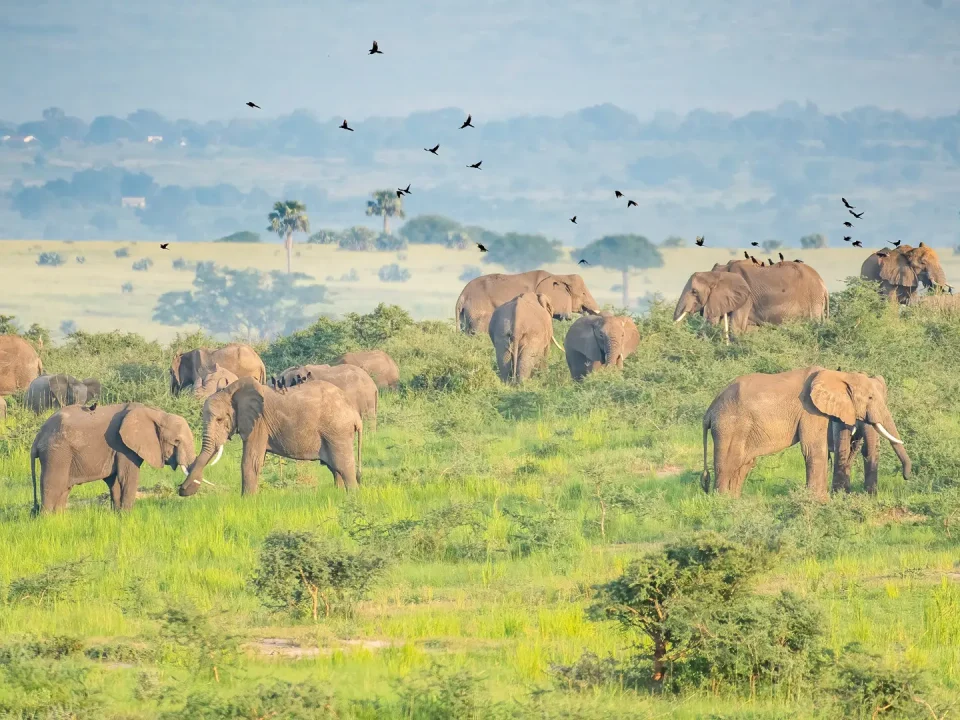
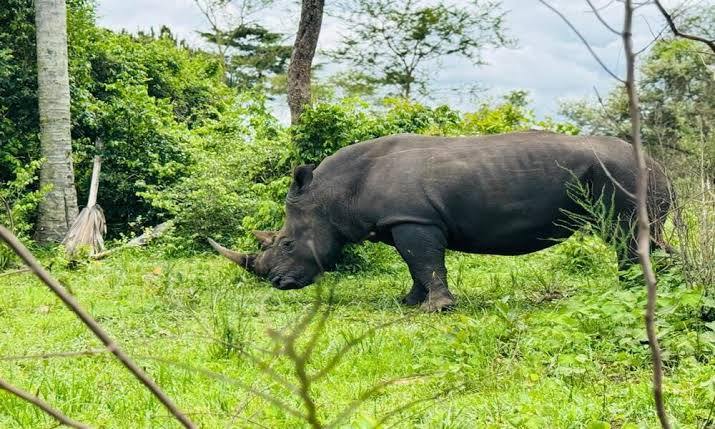
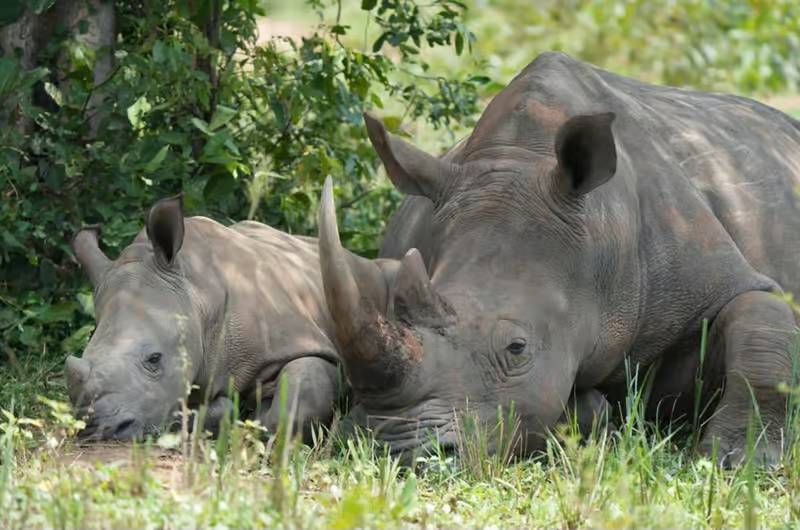
North of the Nile, the savannah is home to elephants, giraffes, lions, buffaloes, antelopes and, with luck, leopards. The Nile delta is a good place to search for the rare shoebill. Nearby Budongo Forest offers chimpanzee tracking, and many tours stop at the Ziwa Rhino Sanctuary on the way. Pick and Transfer Safaris offers a 3 Days Safari to Murchison Falls for travelers short on time, and our guide to a Uganda safari with a lady guide describes the park’s highlights in more detail.
9. Kidepo Valley National Park
Kidepo Valley, in Uganda’s far northeast near the borders with South Sudan and Kenya, is often described as Uganda’s most beautiful and most remote park. Its wide valleys, ringed by mountains, feel like a true African wilderness.
Kidepo is home to species rarely seen elsewhere in Uganda, including cheetahs, ostriches, bat-eared foxes and striped hyenas, as well as large herds of buffaloes, elephants, zebras and lions. Visits to the Karamojong and Ik communities add a fascinating cultural dimension. Because it is so remote, many travelers fly to Kidepo from Entebbe.
10. Mount Elgon National Park
Mount Elgon, on the border with Kenya in eastern Uganda, is an extinct volcano with one of the largest calderas in the world. Its slopes are covered in forest, bamboo and moorland, with caves, cliffs and waterfalls.
Hikers can climb to Wagagai Peak over several days, or take shorter walks on the lower slopes. Just outside the park, the beautiful Sipi Falls cascade over cliffs in three stages, with views across the plains and coffee farms to visit nearby.
Where to Stay Across Uganda’s National Parks
Uganda’s parks offer accommodation for every budget, from campsites and community bandas to luxury lodges. Some well-known options include Paraa Safari Lodge in Murchison Falls, Apoka Safari Lodge in Kidepo, Mweya Safari Lodge in Queen Elizabeth and a wide range of lodges in each Bwindi sector. Our guide to accommodations in Bwindi Impenetrable National Park reviews lodges in the gorilla sectors. For travelers starting from Entebbe who want to focus on gorillas, Pick and Transfer Safaris offers a 3 Days Uganda Gorilla Safari.
Sample Itinerary: Uganda Tour to All National Parks
Here is an outline of a tour covering all ten national parks in about 25 days, traveling counterclockwise from Entebbe. It can be shortened by flying to Kidepo or lengthened with a Rwenzori trek.
| Days | Destination | Highlights |
|---|---|---|
| 1 | Entebbe | Arrival and rest |
| 2–3 | Jinja, Mount Elgon and Sipi Falls | Source of the Nile, Sipi Falls hike, Mount Elgon forest walk |
| 4–6 | Kidepo Valley | Game drives, Karamojong cultural visit |
| 7–9 | Murchison Falls | Rhino tracking at Ziwa en route, Nile boat cruise, top of the falls, game drives |
| 10–11 | Kibale | Chimpanzee tracking, Bigodi Wetland walk |
| 12 | Semuliki | Sempaya hot springs, forest walk |
| 13 | Rwenzori Mountains | Day hike on the lower slopes |
| 14–16 | Queen Elizabeth | Kazinga Channel cruise, game drives, Ishasha tree-climbing lions |
| 17–19 | Bwindi Impenetrable | Gorilla trekking, Batwa experience, forest walk |
| 20–21 | Mgahinga Gorilla | Golden monkey tracking or volcano hike |
| 22 | Lake Bunyonyi | Canoe trip and relaxation |
| 23–24 | Lake Mburo | Walking or horseback safari, boat trip |
| 25 | Entebbe | Departure |
This is very close to the route of our 25-Day Wildlife, Gorilla, Chimps and Uganda Adventure. Shorter alternatives include Pick and Transfer Safaris’ 10 Days Uganda Primates and Wildlife, which covers the western and southwestern highlights.
How Much Does a Tour to All of Uganda’s National Parks Cost?
The cost of a grand Uganda safari depends on its length, lodge level, group size and activities. The main components are:
| Cost item | What to expect |
|---|---|
| Gorilla trekking permit | US$800 per person (foreign non-resident) |
| Chimpanzee tracking permit | Charged separately per trek in Kibale or Budongo |
| Park entrance fees | Charged per park per day by the Uganda Wildlife Authority |
| Activities | Boat cruises, golden monkey tracking, hikes, cultural visits |
| Transport | 4×4 safari vehicle with driver-guide for the whole trip, plus optional domestic flights |
| Accommodation | 22–28 nights, budget to luxury, usually full board |
| Extras | Tips, drinks, porters and souvenirs |
Traveling as a group lowers the cost per person, as the vehicle and guide are shared. Budget travelers can use campsites and simple lodges; our guide to budget trips in Uganda shows how to keep costs down without missing the highlights.
Permits You Will Need
Several activities require permits that should be booked in advance:
- Gorilla trekking in Bwindi or Mgahinga: US$800 per person, limited to eight people per family per day.
- Gorilla habituation in Rushaga: US$1,500 per person, limited to four people.
- Chimpanzee tracking in Kibale or Budongo, and the optional chimpanzee habituation experience.
- Golden monkey tracking in Mgahinga.
- Rwenzori or Mount Elgon treks, which include park fees and guides.
Gorilla permits are the most important to secure early, ideally three to six months ahead. Our guide to booking Uganda safaris explains how we handle permits and reservations.
Best Time for a Uganda Tour to All National Parks
Uganda can be visited all year, but the dry seasons, from June to September and from December to February, are the best time for a long safari covering all the national parks. Roads are in better condition, forest trails are drier, and savannah wildlife gathers near water, making game viewing easier in Murchison Falls, Queen Elizabeth and Kidepo.
The rainy seasons, roughly March to May and October to November, bring green landscapes, fewer visitors and excellent birding, but some gravel roads become slow, especially to Kidepo and the Rwenzori. Our guide to the best time to see gorillas in Uganda and Rwanda explains the seasons in more detail.
What to Pack for a Long Uganda Safari
A tour to all of Uganda’s national parks covers hot savannahs, humid forests and cold mountains, so pack layers:
- Waterproof hiking boots and comfortable everyday shoes
- Lightweight, neutral-colored clothes for game drives
- Long trousers and long-sleeved shirts for forest treks
- A warm fleece and rain jacket for mornings at altitude
- Gardening gloves for gorilla and chimpanzee treks
- Binoculars, a good camera and spare batteries
- Sunscreen, insect repellent, a hat and sunglasses
- A reusable water bottle and a small daypack
- Passport, visa, yellow fever certificate and copies of permits
A small laundry bag is also useful, as many lodges offer laundry services on long trips.
Rules in Uganda’s National Parks
Each park has its own guidelines, but a few rules apply everywhere: stay in your vehicle on game drives unless told otherwise, keep a safe distance from animals, don’t feed wildlife, and follow your ranger’s instructions. Gorilla and chimpanzee treks have additional rules to protect the primates from disturbance and disease. Our guide to gorilla trekking rules and regulations in Uganda explains them in detail.
Expert Tips for a Grand Uganda Safari
- Plan your route as a loop. Avoid backtracking by circling the country.
- Fly to Kidepo if time is short. It saves two long drives.
- Book gorilla permits first. Build the rest of the itinerary around your trekking dates.
- Include rest days. Lake Bunyonyi and Lake Mburo are perfect places to slow down.
- Choose an experienced driver-guide. Their knowledge of wildlife, culture and roads makes a long trip far more rewarding.
- Balance treks and drives. Alternate demanding primate treks with relaxed game drives and boat cruises.
- Bring binoculars for everyone. With over 1,000 bird species, you will use them every day.
Combining Uganda’s Parks with Rwanda
Many travelers extend a Uganda safari into Rwanda, which is only a few hours from Bwindi and Mgahinga. In Rwanda, you can trek gorillas in Volcanoes National Park, track chimpanzees in Nyungwe Forest National Park and explore Kigali. Pick and Transfer Safaris offers a 10 Days Uganda Rwanda Safari combining both countries.
Frequently Asked Questions About Touring All of Uganda’s National Parks
How many national parks does Uganda have? Ten: Bwindi Impenetrable, Mgahinga Gorilla, Queen Elizabeth, Kibale, Rwenzori Mountains, Semuliki, Lake Mburo, Murchison Falls, Kidepo Valley and Mount Elgon.
How long does it take to visit all of them? Around 22 to 28 days, or longer if you include a full Rwenzori climb.
Which park is best for gorillas? Bwindi Impenetrable National Park, home to nearly half of the world’s mountain gorillas. Mgahinga also offers gorilla trekking.
Which park is best for chimpanzees? Kibale National Park, often called the primate capital of the world.
Can I see the Big Five in Uganda? Yes, across several parks, with rhinos at the Ziwa Rhino Sanctuary.
Is it better to drive or fly? Most travelers drive and fly only to Kidepo, the most remote park.
Is Uganda safe for tourists? Uganda is generally welcoming and safe for visitors on organized safaris. Check current travel advice before you go.
Book Your Uganda Tour to All National Parks with Kenlink Tours
A Uganda tour to all national parks is one of the great journeys of Africa. From gorillas in Bwindi and chimpanzees in Kibale to the falls of the Nile, the wilderness of Kidepo and the glaciers of the Rwenzori, it reveals the full beauty and diversity of the Pearl of Africa.
Kenlink Tours plans tailor-made grand safaris across all of Uganda’s national parks, with permits, lodges, transport and expert driver-guides included. Visit Kenlink Tours or email info@kenlinktours.com with your dates, interests and group size, and we will design your ultimate Uganda adventure.