- EXPERT'S HELP
- +256789210067
- +256200955001
- info@kenlinktours.com


Gorilla and Chimpanzee Holiday Uganda
August 14, 2026
Ishasha Tree Climbing Lions Tour
August 14, 2026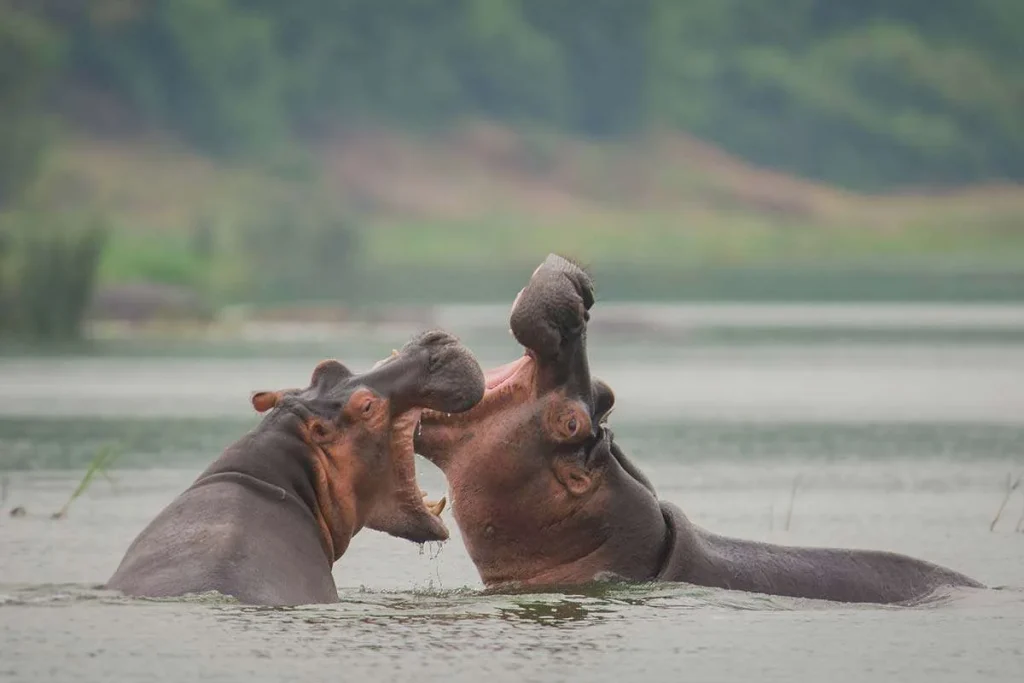
Lake Mburo Safari Guide. Lake Mburo National Park doesn’t get the same attention as Murchison Falls or Queen Elizabeth, and that’s exactly why it’s worth a closer look. It’s Uganda’s smallest savannah park, sitting closer to Kampala and Entebbe than any other, and its low predator density opens up activities — walking safaris, horseback safaris, guided game viewing on foot — that simply aren’t permitted in Uganda’s bigger, lion-dense parks. This guide is a full deep-dive into the park itself: what wildlife you’ll actually see, which activities set it apart, how to get there, where to stay, and who it suits best. For a broader comparison of Lake Mburo against Uganda’s other short-trip parks, our short Uganda wildlife safari guide covers it alongside Murchison Falls and Queen Elizabeth — this post goes considerably deeper on Mburo specifically.
Getting There: Distance From Kampala and Entebbe
Lake Mburo’s biggest practical advantage is proximity. It sits roughly 3.5 to 4 hours by road from both Kampala and Entebbe, making it comfortably the closest of Uganda’s savannah parks to the country’s main airport and capital. Our full reference on distances to national parks in Uganda puts this in context against the rest of the country’s parks, most of which require five hours or more of driving. That shorter distance is what makes Lake Mburo realistic as a genuine day trip or overnight add-on in a way that Murchison Falls or Queen Elizabeth rarely are, and it’s also a natural stopover for travelers driving between Kampala and destinations further southwest, including Bwindi.
Why Lake Mburo Is Different: A Predator-Light Park
Most of Uganda’s savannah parks restrict visitors to vehicles for safety reasons, since lion and other large predator populations make walking among the wildlife genuinely dangerous. Lake Mburo is the exception. Lions are absent here, and leopards, while technically present, are rarely seen and pose minimal practical risk to a guided walking group. That single ecological fact is what unlocks Lake Mburo’s most distinctive activities — you can walk and even ride horseback among zebra, impala, and buffalo here in a way that simply isn’t possible at Uganda’s larger parks. Our comparison of the best national park in Uganda for a game drive is worth reading if you’re weighing Mburo’s more intimate, low-density wildlife experience against the bigger-game density of parks further north.
Wildlife You’ll Actually See
Lake Mburo is the only place in Uganda to reliably see plains zebra, along with healthy populations of impala, eland, topi, buffalo, and both bushbuck and defassa waterbuck. Our piece on interesting facts about elands is worth a read if you haven’t encountered Africa’s largest antelope species before, since Mburo is one of the more reliable places in Uganda to see them at close range. Hippos are common in and around the lake itself, and the park hosts excellent birdlife, including the rare shoebill stork in the wetland areas bordering the lake — a species many birders specifically travel to Uganda to see. What Lake Mburo lacks, by contrast, is the sheer predator density of Uganda’s bigger parks: lions are absent entirely, and while giraffes were introduced here in past decades and can occasionally be spotted, elephants are not present in the park at all.
The park’s five lakes, of which Lake Mburo itself is the largest, create a genuinely varied landscape within a small overall footprint — open acacia savannah in some areas, dense papyrus swamp along the shorelines, and rocky outcrops elsewhere. This compact variety is part of why the park rewards a slower pace despite its small size; a single morning can move through several distinct habitats, each with a slightly different mix of species, in a way that would take considerably longer to replicate across a larger park.
The Boat Cruise on Lake Mburo
Beyond the game drives and walking activities, a boat cruise on the lake itself is one of Lake Mburo’s signature experiences, offering close views of hippos, crocodiles, and the dense birdlife along the shoreline, including African fish eagles and, with luck, the shoebill stork. Compared to the larger, more famous boat cruises on the Kazinga Channel in Queen Elizabeth or the Nile in Murchison Falls, Mburo’s cruise is smaller in scale but often quieter and more intimate, with fewer other boats sharing the water. It’s a relaxed, low-effort activity well suited to travelers who’ve just come off a longer game drive and want something more restful for the afternoon.
Walking Safaris
A guided walking safari is arguably Lake Mburo’s signature activity, and it’s simply not an option at most of Uganda’s other savannah parks given their predator density. Accompanied by an armed ranger for safety, walking safaris here bring you far closer to zebra, impala, warthog, and buffalo than a vehicle ever could, with the added benefit of a slower, more attentive pace that picks up on smaller details — tracks, dung, insect life, and birdsong — that a game drive tends to move past too quickly to notice. Our broader guide to the best places to do nature walks in Uganda highlights Lake Mburo as one of the standout options specifically because of this predator-light landscape.
Horseback Safaris
Lake Mburo is also one of the only places in East Africa where you can genuinely ride horseback among free-roaming plains wildlife, an experience available through a private operator based near the park rather than through the Uganda Wildlife Authority directly. Riding among zebra and antelope from horseback offers a completely different vantage point than either a vehicle or a walking safari, since animals that would flee from an approaching human on foot often tolerate a horse’s approach far more calmly. This activity requires no prior riding experience for shorter routes, though longer rides are available for more experienced riders, and it’s worth booking in advance since availability can be limited during busy periods.
Ride lengths generally range from a one-hour introductory outing suitable for complete beginners up to a half-day or even full-day ride for more confident riders, sometimes venturing into areas of the park that vehicle-based game drives rarely reach. Because the horses themselves are accustomed to the wildlife and vice versa, encounters tend to feel calmer and less rushed than a vehicle pulling up to a sighting, and it’s not unusual to find yourself riding within a relatively close, unhurried distance of a grazing herd of zebra or impala.
Game Drives at Lake Mburo
Standard vehicle-based game drives remain available at Lake Mburo alongside its more distinctive activities, and they’re the most reliable way to cover more ground and see a wider range of terrain within the park in a limited time. Our general primer on what to expect on a game drive in Africa and our broader overview of game drive safaris in Uganda both apply here, and if safety on a game drive is a concern given how close some of Mburo’s wildlife encounters can feel, our note on whether Uganda’s game drive safaris are safe is worth a read for reassurance and practical context.
Sample Itinerary: Day Trip vs. Overnight Stay
Because of its short driving distance, Lake Mburo can genuinely be done as a long day trip from Kampala or Entebbe — an early departure, a few hours of game viewing by mid-morning, lunch at a lodge, and a return drive by evening. It’s a rushed day, but a workable one for travelers with only a single free day to spare. A more comfortable version adds one overnight, allowing for an evening game drive or boat cruise on arrival, a full morning activity the next day — whether a walking safari, horseback ride, or vehicle game drive — and a relaxed return trip. For travelers combining Mburo with a longer trip further southwest, it also works well as a one-night stopover between Kampala and Bwindi, breaking up what would otherwise be a long single day of driving.
Where to Stay
Lake Mburo offers accommodation across a genuine range of budgets, from simple campsites and budget bandas to more comfortable mid-range and upmarket lodges overlooking the park’s rolling hills and wetlands. Kigarama Wilderness Lodge is one of the more established properties in the area, offering views over the park and easy access to the main game-viewing circuits. Because Mburo’s appeal often includes a slower, more relaxed pace than the bigger parks further afield, it’s worth choosing a lodge with genuine views and a comfortable common area, rather than purely optimizing for proximity to the park gate the way you might on a tighter, more logistics-driven itinerary elsewhere.
Best Time of Year to Visit
Lake Mburo is a good year-round destination, and unlike gorilla trekking or even some of Uganda’s larger parks, there’s no permit-driven reason to time your visit around a specific season. The dry months, roughly June to September and December to February, offer easier walking and horseback conditions and slightly more concentrated wildlife around remaining water sources. The wetter months bring lush scenery and excellent birdwatching, since migratory species are often present alongside the park’s resident birdlife, though trails can be muddier for walking and horseback activities during this period.
A Brief History of the Park
Lake Mburo was originally gazetted as a game reserve in the 1930s before being upgraded to national park status in 1983, one of the more turbulent periods in the park’s history, since it was briefly degazetted and resettled by local communities before being restored to protected status a few years later. That history is part of why the park today still borders a mix of community land and cattle ranches, giving it a slightly different feel from Uganda’s more remote parks — you’re more likely to see a herd of long-horned Ankole cattle grazing near the park boundary here than at Murchison Falls or Queen Elizabeth, a small but distinctive reminder of the working landscape surrounding the protected area.
Is Lake Mburo Safe?
Given how close some of Mburo’s activities bring you to wildlife — walking and horseback safaris in particular — safety is a reasonable question to ask before booking. All walking activities are accompanied by an armed, trained ranger, and horseback rides are led by experienced local guides familiar with the park’s wildlife behavior patterns. The absence of lions and the low leopard encounter rate is precisely what makes these closer activities possible here in the first place; they wouldn’t be offered at a park with a denser predator population. As with any wildlife encounter, following your guide’s instructions closely is what keeps these activities safe, and operators take this seriously given how central it is to what makes Mburo distinctive.
Combining Lake Mburo With Other Parks
Because of its position roughly along the route between Kampala and Uganda’s southwestern parks, Lake Mburo is a natural stopover on a longer itinerary rather than only a standalone destination. Many travelers combine it with a longer trip toward Bwindi for gorilla trekking, using Mburo as a first- or last-night stop to break up the drive, or pair it with a broader wildlife-focused itinerary covering Queen Elizabeth and Murchison Falls. Our overview of Uganda’s national parks and our roundup of the 10 beautiful Uganda national parks both help place Mburo within the country’s wider park system if you’re mapping out a longer multi-park route.
Who Lake Mburo Suits Best
Lake Mburo is an especially strong fit for a handful of specific traveler types: anyone with only a single free day near Kampala or Entebbe who still wants a genuine wildlife experience, families with younger children given the relatively gentle, predator-light activities on offer, and travelers who specifically want walking or horseback experiences that aren’t available at Uganda’s bigger parks. Our guides to family safaris in Uganda with kids, the top kid-friendly safari parks in Uganda, and the best Uganda family safaris all point toward Mburo as one of the easiest parks to bring children to, given both the shorter drive and the lower-intensity activities available once there. Travelers chasing the highest possible density of big game, by contrast, are usually better served by Murchison Falls or Queen Elizabeth instead, and our guide to choosing the best Uganda safari is a useful next step if you’re still deciding which park fits your priorities.
Accessing the Park: Entry Gates and Getting Around
Lake Mburo has several entry gates positioned around the park boundary, and which one you use depends largely on which direction you’re approaching from and where your lodge is located. Most visitors coming from Kampala or Entebbe enter via the main gate closest to the Masaka-Mbarara highway, which is also the most straightforward route if you’re driving yourself rather than being guided. Once inside, the park’s road network is compact enough that a full circuit covering most of the main game-viewing tracks can be completed in a single morning, which is part of what makes Mburo such a practical choice for a short visit compared to Uganda’s larger, more spread-out parks.
What Lake Mburo Doesn’t Offer
It’s worth being upfront about the trade-offs. Lake Mburo doesn’t have the predator density of Uganda’s bigger parks, no lions and only occasional leopard sightings, and it lacks the scale and drama of Murchison Falls’ waterfall or Queen Elizabeth’s varied habitats and tree-climbing lions. Travelers expecting a classic big-cat-heavy safari experience should look elsewhere; Mburo’s appeal is fundamentally different, built around proximity, intimacy, and activities you can’t do anywhere else in the country rather than sheer wildlife volume.
Birdwatching at Lake Mburo
Birders often single out Lake Mburo as one of Uganda’s most rewarding smaller parks, thanks to its mix of savannah, wetland, and lakeshore habitats concentrated in a relatively compact area. Beyond the rare shoebill stork, the park hosts African fish eagles, papyrus gonolek, brown-chested lapwing, and a wide range of water birds along the lake’s papyrus-fringed shoreline, best seen from the boat cruise or from one of the lakeside lodges. A dedicated early-morning birding walk, distinct from the general wildlife walking safari, is worth arranging in advance if birdlife is a specific priority rather than an incidental part of the trip.
A Quieter Alternative to Uganda’s Busier Parks
Because Lake Mburo receives noticeably fewer visitors than Murchison Falls or Queen Elizabeth, it also offers a quieter overall experience — fewer vehicles at any given sighting, fewer other guests sharing a lodge’s common areas, and a more unhurried feel throughout. For travelers who’ve found larger, more popular parks elsewhere in Africa can feel crowded around particularly good sightings, Mburo’s lower visitor numbers are a genuine point in its favor, even though it comes with the trade-off of a smaller overall species list than Uganda’s bigger parks.
Frequently Asked Questions
How far is Lake Mburo from Kampala or Entebbe? Roughly 3.5 to 4 hours by road, making it the closest of Uganda’s savannah parks to both.
Can I really walk among wildlife at Lake Mburo? Yes — the absence of lions and low leopard density make guided walking and horseback safaris possible here, unlike at most of Uganda’s other parks.
Is Lake Mburo worth visiting if I’m also doing Queen Elizabeth or Murchison Falls? Yes, particularly as a stopover en route to or from Bwindi, since it offers a genuinely different, more intimate experience than either of the larger parks.
Are there lions or elephants at Lake Mburo? No — lions are absent from the park, and elephants aren’t present either, which is part of what makes the walking and horseback activities safe.
Is one day enough to visit Lake Mburo? A day trip is workable given the short drive, but an overnight stay allows time for both a game drive and a walking or horseback safari without feeling rushed.
Packing and Practical Tips
Packing for Lake Mburo is straightforward: neutral-toned clothing for game drives and walking safaris, closed shoes suitable for both walking and, if you’re riding, stirrups, sun protection given the open savannah terrain, and binoculars for both wildlife and birding. If you’re planning a horseback safari specifically, check with your lodge or the riding operator in advance about weight limits and any prior experience requirements for longer rides, since these can vary and it’s worth confirming before you arrive rather than discovering a restriction on the day. A reusable water bottle is worth bringing on any of the park’s walking-based activities, since these tend to run longer and more actively than a seated vehicle game drive.
Final Thoughts
Lake Mburo won’t give you the sweeping scale of Murchison Falls or the habitat variety of Queen Elizabeth, but it offers something neither of those parks can: genuine walking and horseback access to wildlife, all within a few hours of Kampala and Entebbe. For a short trip, a stopover on a longer route, or a family looking for a gentler introduction to Uganda’s wildlife, it’s one of the country’s most underrated parks. If you’d like help building a Lake Mburo visit into your Uganda itinerary, get in touch with our team at Kenlink Tours and we’ll fit it around your route and travel dates.
For travelers also arranging transport and safaris on the Rwanda side of the region, our colleagues at Pick and Transfer Safaris offer a full range of wildlife safari options, including a 3-day safari to Murchison Falls and a 3-day safari to Queen Elizabeth National Park, alongside their own gorilla safari packages for travelers combining a wildlife trip with trekking, such as a one-day gorilla safari from Kigali. See their detailed look at Bwindi Impenetrable Forest National Park, learn about their team on their about us page, browse their Kigali city guide, check out their two-day gorilla tour from Kigali if you’re extending into trekking, or reach out through their contact page.