- EXPERT'S HELP
- +256789210067
- +256200955001
- info@kenlinktours.com


Gorilla Trek and Murchison Falls Tour
September 17, 2026
6 Days Kibale Queen Elizabeth and Bwindi
September 17, 2026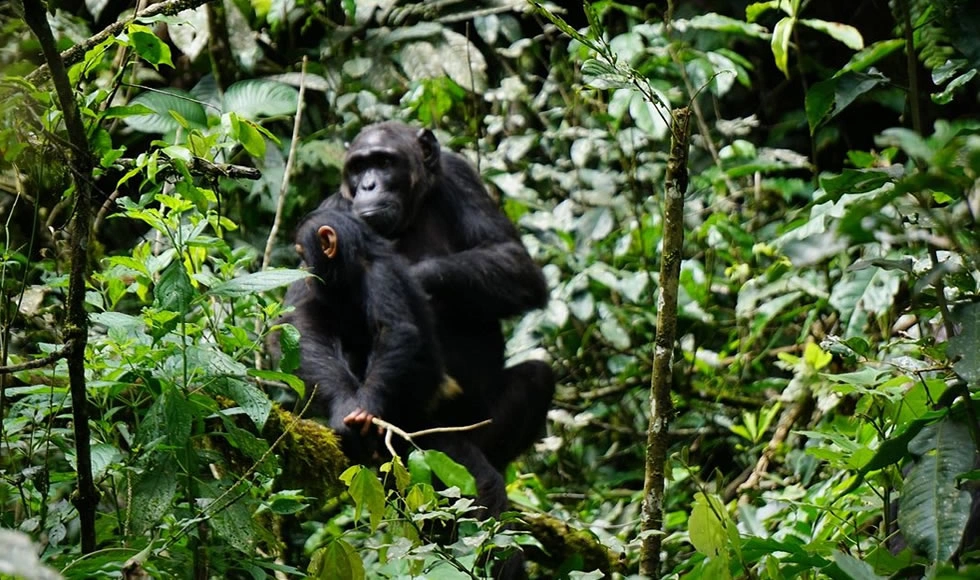
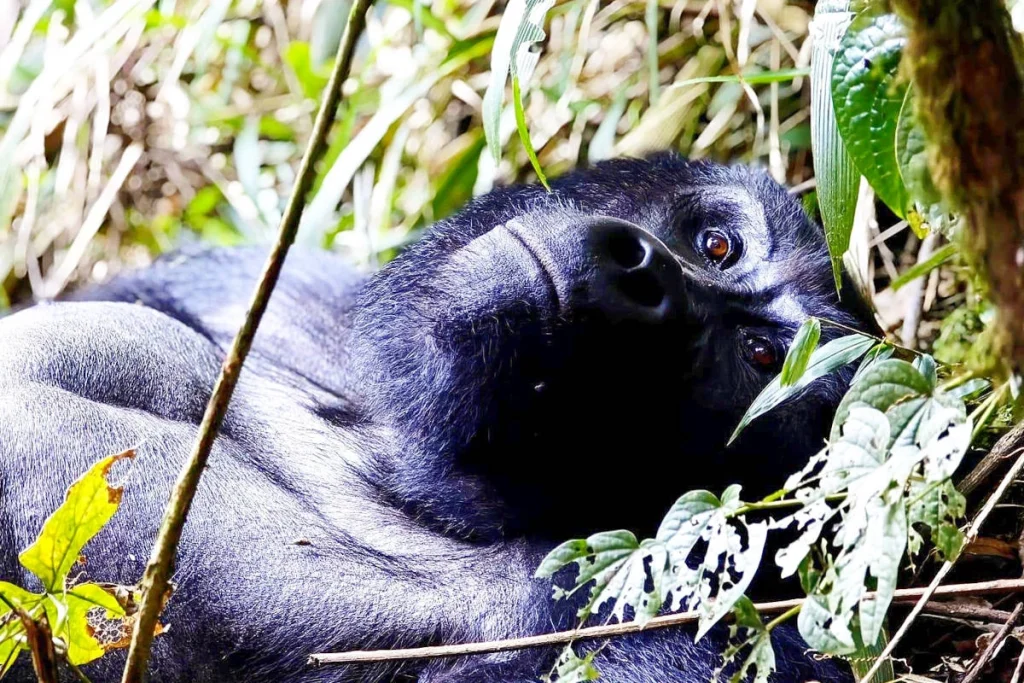
Kibale And Bwindi National Park Tour. If mountain gorillas are the reason most travelers first look at Uganda, chimpanzees are usually the reason they extend the trip. Kibale Forest National Park, tucked into the western rift valley near Fort Portal, holds the highest primate density in East Africa and some of the continent’s most reliable chimpanzee tracking. A few hours south, Bwindi Impenetrable Forest shelters roughly half the world’s remaining mountain gorillas across four trekking sectors. Combined into a single Uganda gorilla trekking itinerary, these two parks deliver the most complete primate experience found anywhere on the continent — two of humanity’s closest living relatives, tracked on foot, in two of Africa’s most biodiverse forests.
This guide covers what each park actually offers, how the permits and pricing differ between chimp tracking and gorilla trekking, how to route the drive between them, and how to structure a trip that does both justice rather than rushing through either.
Why Kibale and Bwindi Are Uganda’s Ultimate Primate Combination
Chimpanzees and gorillas are different enough — in behavior, habitat, and the physical demands of tracking them — that seeing both on one trip never feels repetitive. Kibale’s chimp tracking moves at a faster, noisier pace through relatively gentler terrain, often accompanied by the sound of a chimp community calling across the canopy before you even see them. Bwindi’s gorilla trekking is slower and more physically demanding, rewarded with an hour of quiet, close-range observation of a family that barely reacts to your presence. Pairing the two gives a far richer sense of Central Africa’s great ape diversity than either park delivers alone, which is why this combination sits alongside gorilla-and-Murchison-Falls as one of Uganda’s most-booked multi-park itineraries.
Kibale Forest National Park: Uganda’s Chimpanzee Capital
Kibale protects one of the last remaining stands of pristine tropical rainforest in Uganda and holds the country’s highest concentration and diversity of primates, with thirteen species recorded within its boundaries. It’s best known for chimpanzee tracking, but the forest is also home to red colobus monkeys, L’Hoest’s monkeys, grey-cheeked mangabeys, and — just outside the park boundary — the excellent Bigodi Wetland Sanctuary, a community-run reserve known for birdlife and additional primate sightings on a gentler half-day walk. Pick and Transfer Safaris’ Kibale Forest National Park guide is a useful second reference on the park’s layout and access routes.
Chimpanzee Tracking vs the Habituation Experience
Kibale offers two distinct ways to spend time with its chimpanzees. Standard chimpanzee tracking departs at set times through the day, follows trackers to a habituated community, and allows a strict one hour of observation once the group is located, with treks lasting anywhere from two to five hours round trip depending on where the chimps are feeding. The chimpanzee habituation experience is a longer, more immersive alternative, placing visitors alongside researchers and trackers for most of a full day as they work with a community still being acclimatized to human presence, offering far more time — though less certainty of picture-perfect close encounters — than the standard trek. Both activities cap groups at six people, keeping the experience intimate regardless of which option you choose.
Kibale Chimpanzee Permit Costs
A standard chimpanzee tracking permit currently costs around $250 per person for foreign non-residents, with foreign residents paying roughly $200 and East African citizens a heavily subsidized local rate. The chimpanzee habituation experience is priced higher, at approximately $300 per person, reflecting the extended time in the forest and smaller group sizes involved. Both permits are considerably cheaper than a gorilla permit, which makes Kibale an efficient primate add-on for travelers working with a tighter overall trip budget.
Other Wildlife Around Kibale
Beyond primates, Kibale’s surrounding landscape offers a gentler pace of activity that pairs well with a physically demanding gorilla trek elsewhere on the trip. The Bigodi Wetland Sanctuary walk, run by the local community, is a relaxed half-day option for birdwatchers and anyone wanting primate sightings without the early start and strict permit system of a formal chimp trek. Nearby crater lakes dotting the region around Fort Portal add a scenic, low-effort day for travelers who want a break between the two forest treks that anchor this itinerary.
Bwindi Impenetrable Forest: Half the World’s Mountain Gorillas
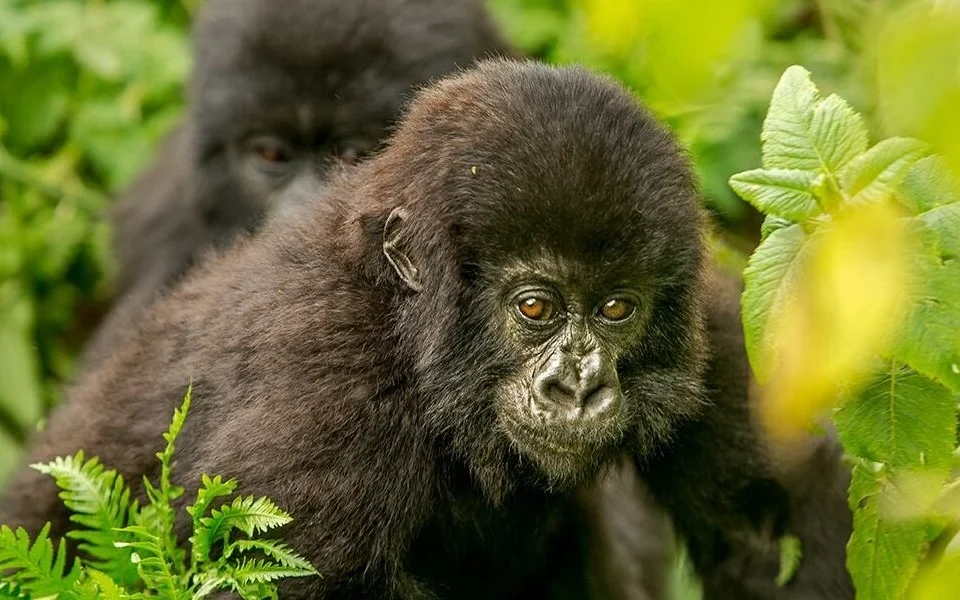
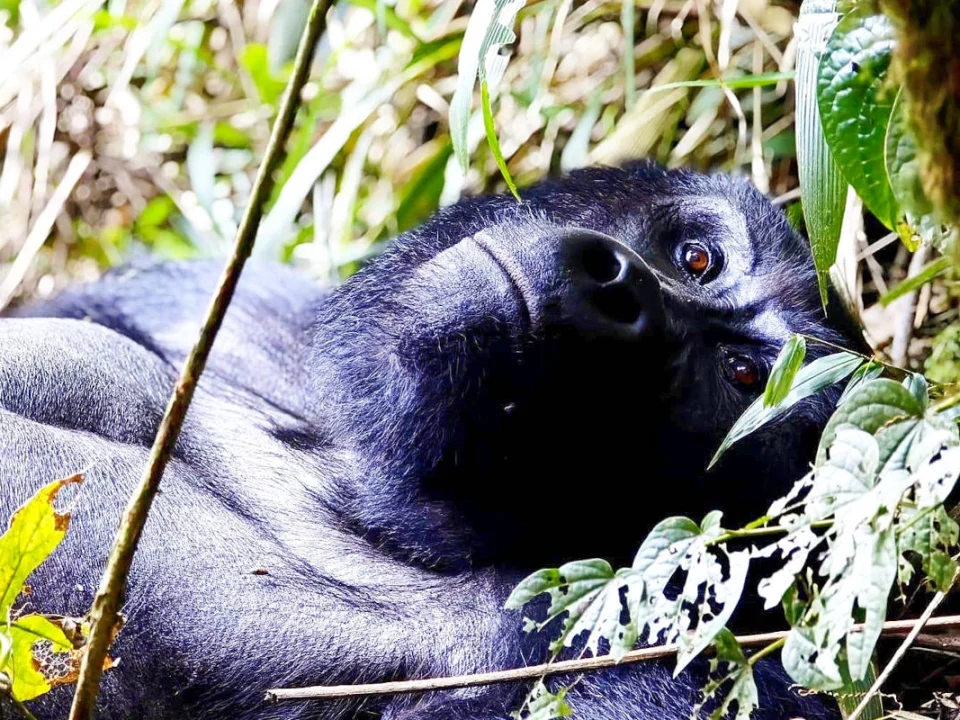
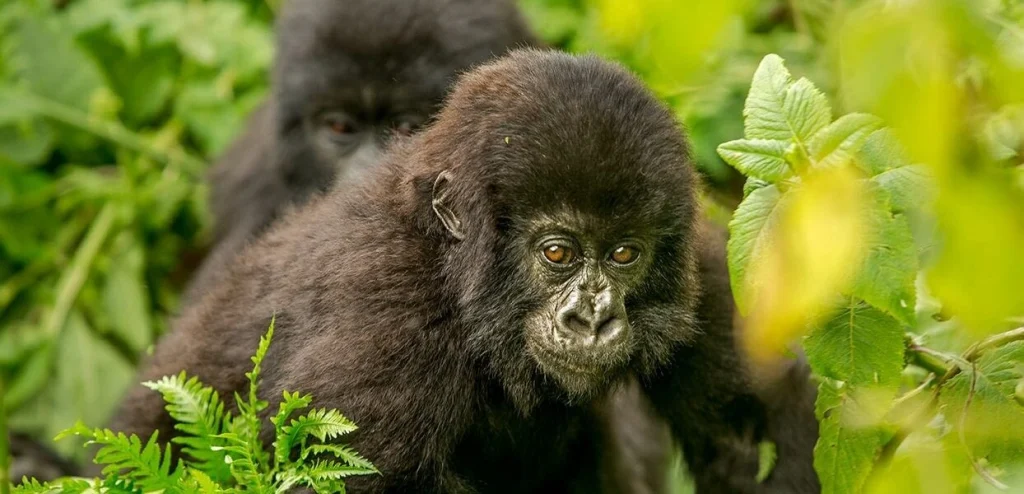
Bwindi Impenetrable Forest, a UNESCO World Heritage Site in Uganda’s far southwest, holds roughly half of the world’s remaining mountain gorilla population within a dense, ancient rainforest draped over steep volcanic hills. It’s divided into four trekking sectors — Buhoma, Ruhija, Rushaga, and Nkuringo — each hosting its own habituated gorilla families and offering a noticeably different trail difficulty and lodge landscape. Our full guide to which part of Bwindi is easiest for gorilla trekking breaks down the sectors individually, which is worth reading before deciding where to base yourself, and Pick and Transfer Safaris’ Bwindi Impenetrable Forest guide adds a further perspective on the park as a whole.
Gorilla Trekking Permit Costs and Rules
A standard Uganda gorilla trekking permit costs $800 per person in high season, dropping to $600 during the discounted low-season months of April, May, and November. Groups are capped at eight visitors per gorilla family per day, treks are matched to fitness level during the morning briefing, and the same one-hour observation limit that applies to chimp tracking also applies here, for the same conservation reasons. Our detailed breakdown of how much a gorilla trekking safari costs in Uganda and our summary of gorilla trekking rules and regulations both cover this in more depth ahead of booking.
Chimpanzees vs Gorillas: Understanding the Difference Before You Trek
First-time trekkers often assume chimp and gorilla encounters will feel similar, but the two experiences differ substantially in pace, terrain, and even the animals’ behavior around visitors. Our article on the difference between gorillas and chimpanzees is a useful primer before you travel, covering everything from social structure to why chimps tend to move — and therefore get tracked — very differently from gorillas. It’s also worth understanding why Bwindi’s own chimpanzee population, while present, is not offered as a tourism activity the way Kibale’s is; our piece on why chimpanzees in Bwindi are not habituated explains the reasoning, and why Kibale remains the go-to chimp-tracking destination on this itinerary rather than Bwindi itself.
How Far Is Kibale From Bwindi? Route and Driving Time
The drive between Kibale and Bwindi covers roughly 350 to 430 kilometres depending on which Bwindi sector you’re starting or ending at, and typically takes eight to ten hours on the road. The route runs south from Fort Portal through Kasese and Ishaka, cutting through or near Queen Elizabeth National Park’s Ishasha sector, before continuing on to Kihihi, Kanungu, or Rukungiri toward Bwindi. Road conditions are mixed — well-paved from Fort Portal to Ishaka, less consistent on the final stretch into Bwindi itself — which is why most itineraries split this drive across a full day rather than treating it as a quick transfer.
Stopping at Queen Elizabeth National Park Along the Way
Because the direct road between Kibale and Bwindi passes close to Queen Elizabeth National Park, most well-built itineraries treat the transfer day as a game drive rather than pure driving time. A stop in the Ishasha sector, famous for its tree-climbing lions, or a Kazinga Channel boat cruise near Mweya, turns an otherwise long travel day into one of the trip’s more memorable stops. Our tour covering Bwindi, Queen Elizabeth, Kibale and Bunyonyi is built specifically around this routing logic, and Pick and Transfer Safaris’ Queen Elizabeth National Park guide is useful further reading on what the stopover adds.
Fitness and Preparation for Two Different Forest Treks
Chimpanzee tracking in Kibale is generally less physically demanding than gorilla trekking in Bwindi, following relatively established forest paths on gentler terrain, though a trek can still stretch to several hours if the community has moved deep into the park overnight. Bwindi’s gorilla trekking is the more serious physical undertaking of the two, with steep, often muddy trails that can involve genuine scrambling depending on which sector and family you’re assigned. Travelers preparing for this combination are well served by building general hiking fitness beforehand rather than training for either activity specifically, since both ultimately reward steady stamina over speed, and a realistic sense of your own pace helps guides plan a comfortable route on the day.
Sample Itinerary: 5-Day Kibale and Bwindi Primate Safari
For travelers with five days, a focused primate-only itinerary works well: day one covers the flight or drive into Kibale for arrival and a briefing; day two is chimpanzee tracking, with the Bigodi Wetland walk as an optional afternoon add-on; day three is the transfer to Bwindi via Queen Elizabeth, ideally timed around a short game drive; day four is the gorilla trek itself; and day five wraps with departure or an onward connection. Our 5-day Uganda primate safari experience follows this exact structure, and Pick and Transfer Safaris’ 3-day chimpanzee tour in Uganda is a useful reference if you want to compare a shorter, chimp-focused version before adding gorillas.
Sample Itinerary: 7 to 10 Day Extended Primate and Wildlife Safari
Travelers with a week or more can slow the pace considerably, adding a full game-viewing day in Queen Elizabeth, a second primate activity such as the chimpanzee habituation experience in Kibale, or Lake Bunyonyi relaxation time before or after the gorilla trek. Our 7-day wildlife, gorillas and chimpanzee tracking safari and longer 20-day wildlife and nature experience in Uganda both build in this extra breathing room, while our 25-day wildlife, gorilla and chimps adventure extends the same core route across nearly the whole country. Pick and Transfer Safaris’ 4-day wildlife and primate safari and 10-day Uganda primates and wildlife safari are useful benchmarks for pacing and pricing at both ends of that range.
Best Time of Year for Kibale and Bwindi
Uganda’s two dry seasons, December to February and June to August, offer the firmest trekking trails in both parks and the clearest overall conditions, making them the busiest and most heavily booked months for both chimp and gorilla permits. The wetter months, particularly March to May and September to November, bring muddier, more strenuous trekking conditions in both forests, but also the discounted gorilla permit pricing available in April, May, and November, along with noticeably thinner crowds throughout. Chimpanzee tracking runs year-round in Kibale regardless of season, since permits aren’t tied to migration patterns the way some savannah wildlife viewing is.
Getting There: Kigali or Entebbe as Your Entry Point
Most international travelers fly into Entebbe and drive or fly on to Kibale first, then continue south to Bwindi before either flying home from a regional airstrip or looping back to Entebbe. Others enter through Kigali, Rwanda, particularly if a Rwanda extension is part of the trip, crossing overland into Bwindi first and then working north to Kibale before finishing back at Entebbe. Our guide on landing in Kigali or Entebbe for a gorilla safari walks through which entry point suits which routing.
Where to Stay Near Kibale and Bwindi
Accommodation near Kibale clusters around Fort Portal and the park’s eastern boundary, ranging from simple guesthouses to comfortable forest-edge lodges well positioned for an early chimp-tracking start. In Bwindi, lodges are grouped by trekking sector, and choosing one close to your assigned sector — Buhoma, Ruhija, Rushaga, or Nkuringo — saves a stressful pre-dawn drive before the gorilla briefing. Booking both legs of accommodation around your confirmed permit dates, rather than the other way around, avoids the common mistake of locking in lodges before permit availability is confirmed.
What to Pack for Rainforest Trekking
Both parks demand similar rainforest-ready packing: waterproof hiking boots, a reliable rain jacket regardless of season, long trousers tucked into socks against biting ants, and gardening-style gloves for gripping vegetation on steep or muddy sections. A daypack with water and energy snacks is essential for both the chimp trek and the potentially longer gorilla hike, and binoculars are worth carrying in Kibale specifically, where birdlife and canopy-level primate sightings reward a closer look than the chimp tracking alone provides.
Visa Requirements for This Trip
Most nationalities require a visa to enter Uganda, best arranged in advance through the country’s e-visa portal rather than relying on border processing. If your itinerary also touches Rwanda, the East Africa Tourist Visa covers Uganda, Rwanda, and Kenya under one 90-day, multiple-entry document. Our step-by-step guide to the Uganda tourist visa application process explains exactly what’s required and how far ahead to apply.
Booking Tips: Why Book Both Permits Together
Because gorilla permits sell out months ahead during peak season and chimp permits have their own daily caps, booking both through a single coordinated process — rather than securing one and hoping the other lines up — is the safest way to lock in a workable itinerary. A local operator who handles both permit systems, the transport between parks, and lodge bookings removes the risk of your Kibale dates and Bwindi dates ending up misaligned once availability is checked. Our car hire service covers the transport side of this route if you’d rather arrange permits separately but still need a reliable vehicle and driver-guide for the transfer days. Pick and Transfer Safaris’ article on what to do after a gorilla tour in Bwindi is also worth a look if you’re deciding what to build into the days immediately following your trek.
Photography Tips for Chimp and Gorilla Trekking
Kibale’s canopy is dim and constantly shifting between shade and dappled light, so a fast lens capable of handling low light without flash — which is banned around both chimps and gorillas — makes a real difference to sharp, usable shots. Chimps move quickly and often stay partly obscured by foliage, rewarding a slightly wider lens and a willingness to shoot fast rather than waiting for a perfectly clean composition. Bwindi’s gorilla encounters happen at closer range and a slower pace, giving more time to compose a shot, though the same low-light forest conditions apply. In both parks, it’s worth deliberately setting the camera down for part of your permitted hour, since some of the most memorable moments — a young chimp displaying, a silverback settling down a few feet away — are ones many visitors say they’re glad they watched directly rather than through a viewfinder.
Extending Your Trip: Other Uganda Primate and Wildlife Options
Kibale and Bwindi work well as the core of a longer Uganda circuit or as a focused primate-only trip on their own, depending on your available time. Pick and Transfer Safaris’ gorilla safari packages and broader wildlife safaris collection are useful for comparing how this combination fits alongside other Uganda options, and their full safari listings page is worth browsing if you’re deciding whether to add Murchison Falls, Queen Elizabeth game drives, or a Rwanda extension onto the same trip. If you’d rather start with a shorter taste of gorilla trekking before committing to the full combined itinerary, their 3-day Uganda gorilla safari is a useful benchmark for pacing.
Frequently Asked Questions About Kibale and Bwindi
Can you do chimpanzee tracking and gorilla trekking on the same trip? Yes — Kibale and Bwindi are commonly combined into a single Uganda itinerary of five days or more, connected by a scenic drive through Queen Elizabeth National Park.
How much does the full combination cost in permits alone? Budget roughly $250 for standard chimp tracking in Kibale plus $800 for a high-season gorilla permit in Bwindi ($600 in the April, May, or November low season), before accounting for park fees, transport, and accommodation.
How long does the drive between Kibale and Bwindi take? Around eight to ten hours covering 350 to 430 kilometres, typically broken up with a stop in Queen Elizabeth National Park rather than driven straight through.
Which should you do first, chimps or gorillas? Most itineraries track chimps in Kibale first, since it’s the more accessible entry point from Entebbe, then continue south to Bwindi, though the reverse order works equally well for travelers entering via Kigali.
Plan Your Kibale and Bwindi Tour with Kenlink Tours
Few trips deliver as complete a primate experience as this one — chimpanzees moving fast through Kibale’s canopy, followed by a quiet hour beside a mountain gorilla family in Bwindi’s misty forest. Getting the permit timing, routing, and lodge bookings aligned across both parks is where a bit of local expertise saves real time and stress. Learn more about how we plan trips like this on our About Us page, or reach out through our contact page to start building a Kibale and Bwindi itinerary around your travel dates.