- EXPERT'S HELP
- +256789210067
- +256200955001
- info@kenlinktours.com


Kibale And Bwindi National Park Tour
September 17, 2026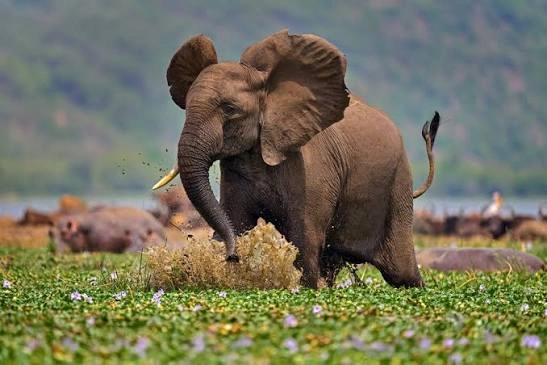
6 Days Kibale Queen Elizabeth and Bwindi. Six days is the sweet spot for travelers who want Uganda’s three signature western experiences — chimpanzee tracking, big-game savannah viewing, and mountain gorilla trekking — without stretching the trip into a two-week expedition. This itinerary links Kibale Forest, Queen Elizabeth National Park, and Bwindi Impenetrable Forest into a single, logically sequenced loop through Uganda’s western rift valley, covering primates, predators, and one of the most sought-after wildlife encounters on the planet. This guide walks through the itinerary day by day, along with the permit costs, routing logic, and practical planning details that make it work as a 6-day Uganda safari rather than a rushed checklist tour.
Why This 6-Day Route Works So Well
Kibale, Queen Elizabeth, and Bwindi sit along a natural west-to-south driving corridor, each roughly a half-day’s drive from the next, which is exactly what makes a six-day version of this loop realistic rather than exhausting. Unlike itineraries that try to cram in a fourth or fifth park, this route keeps the pace focused: one full activity day at each stop, connected by drives that double as informal game viewing rather than dead travel time. It’s a structure that works equally well for first-time Uganda visitors wanting a complete introduction and for repeat travelers who’ve already done a straightforward gorilla trekking trip and want to add primates and savannah wildlife to the picture.
Overview of the 6-Day Itinerary at a Glance
In outline form, the route runs: day one travels from Entebbe to Kibale Forest; day two covers chimpanzee tracking and a transfer toward Queen Elizabeth National Park; day three is dedicated to a Kasenyi plains game drive and the Kazinga Channel boat cruise; day four transfers south to Bwindi via the Ishasha sector’s tree-climbing lions; day five is the gorilla trekking day itself; and day six covers the return transfer and departure. Each leg is built to deliver a full activity rather than just moving you from point A to point B, which is the main thing that separates a well-paced six-day itinerary from a rushed one.
Day 1: Arrival and Transfer to Kibale Forest
The trip begins with a drive west from Entebbe or Kampala toward Kibale Forest National Park, a journey of roughly five to six hours that passes through Uganda’s fertile central region and the scenic foothills near Fort Portal. Most itineraries treat this as a travel day, arriving at a Kibale-area lodge in the late afternoon in time for dinner and an early night ahead of the following morning’s chimp tracking briefing. Travelers short on time can shorten this leg considerably with a domestic flight into one of the region’s airstrips instead.
Day 2: Chimpanzee Tracking and the Bigodi Wetland Sanctuary
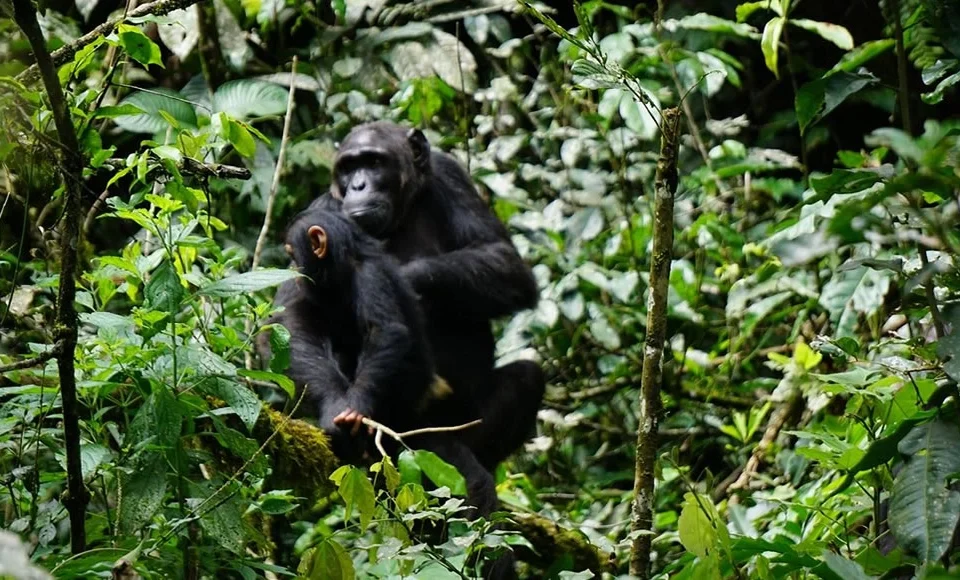
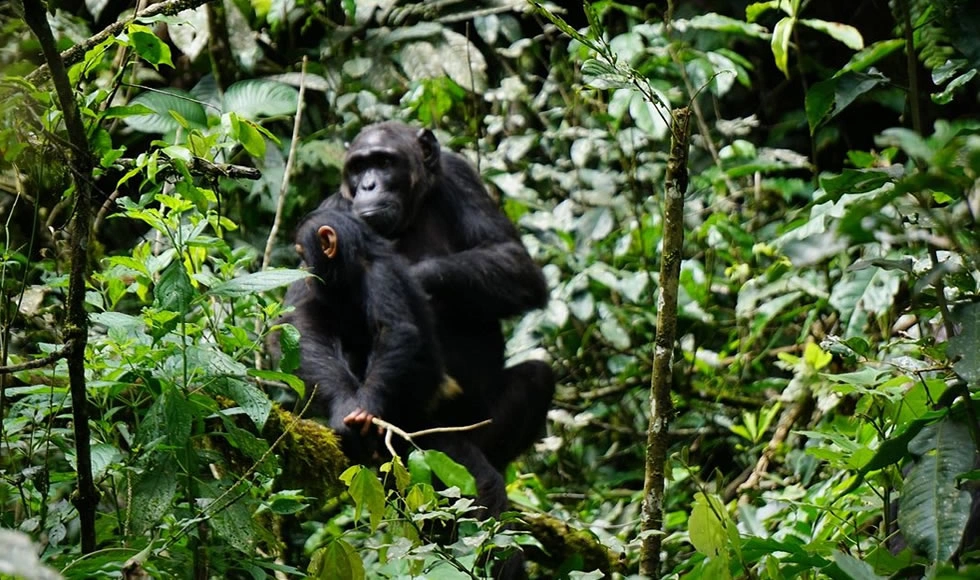
Day two starts early with a briefing at the park office before setting out with rangers to track one of Kibale’s habituated chimpanzee communities, in a forest holding the highest primate density and diversity in East Africa. Treks typically last two to five hours round trip and are followed by an optional afternoon visit to the community-run Bigodi Wetland Sanctuary, a gentler walk known for birdlife and additional primate sightings. By late afternoon, the group transfers toward Queen Elizabeth National Park, arriving in time for dinner at a park-area lodge. Pick and Transfer Safaris’ Kibale Forest National Park guide is a useful second reference on what this leg of the trip covers.
Day 3: Kasenyi Game Drive and the Kazinga Channel Boat Cruise
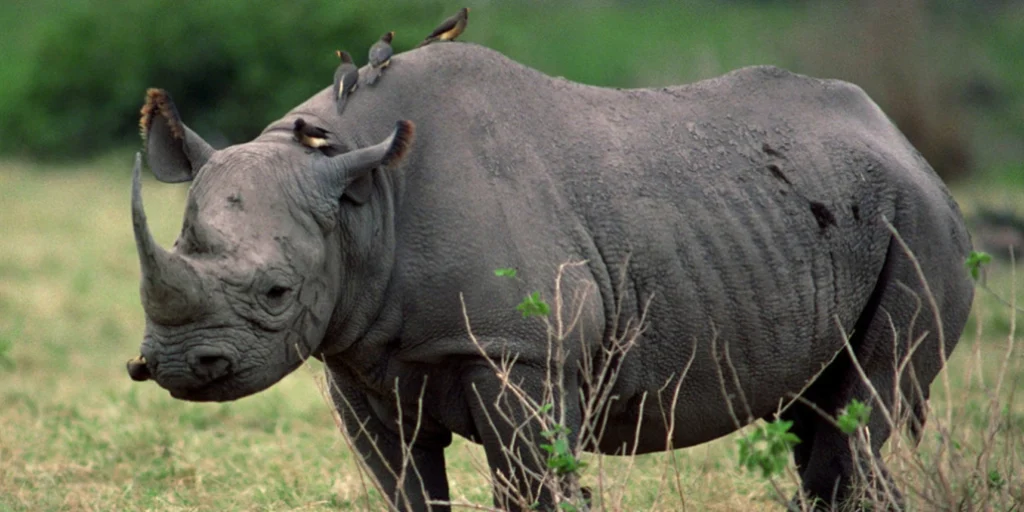
Queen Elizabeth National Park, covering over 1,900 square kilometres, is one of Uganda’s most biodiverse protected areas, home to more than 95 mammal species and over 600 recorded bird species. The day typically opens with an early morning game drive across the Kasenyi plains, where lion, elephant, buffalo, Uganda kob, and hyena are all regularly spotted, before an afternoon boat cruise along the Kazinga Channel, the natural waterway connecting Lake Edward and Lake George. The channel is renowned for one of Africa’s highest concentrations of hippos and Nile crocodiles, along with excellent elephant and buffalo sightings as animals come down to the water’s edge. Our full facts and history guide to Queen Elizabeth National Park covers the park’s background in more depth, and Pick and Transfer Safaris’ Queen Elizabeth National Park guide is a useful second reference on what the park offers.
Day 4: Transfer to Bwindi via the Ishasha Sector’s Tree-Climbing Lions
The drive south from Queen Elizabeth to Bwindi runs through the park’s remote Ishasha sector, famous for its rare tree-climbing lions that spend much of the day draped across the branches of the sector’s fig trees. Building a short game drive through Ishasha into this travel day turns what would otherwise be a five-to-six-hour transfer into one of the trip’s more memorable stops, since sightings here — while never guaranteed — are a genuine highlight for visitors who’ve never seen lions behave this way elsewhere. From Ishasha, the route continues on to Bwindi, arriving at a lodge positioned near your assigned trekking sector in the late afternoon.
Day 5: Gorilla Trekking in Bwindi Impenetrable Forest
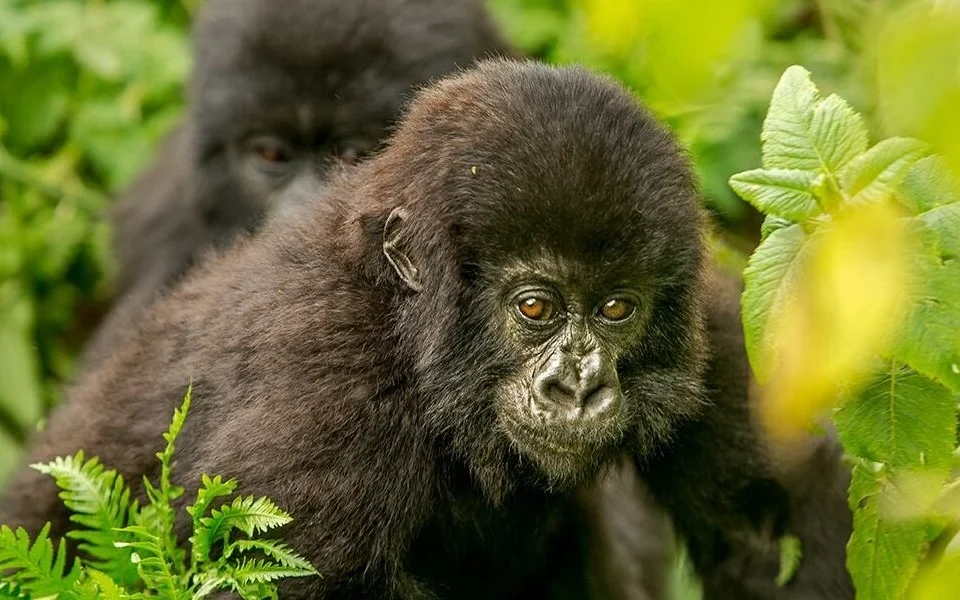
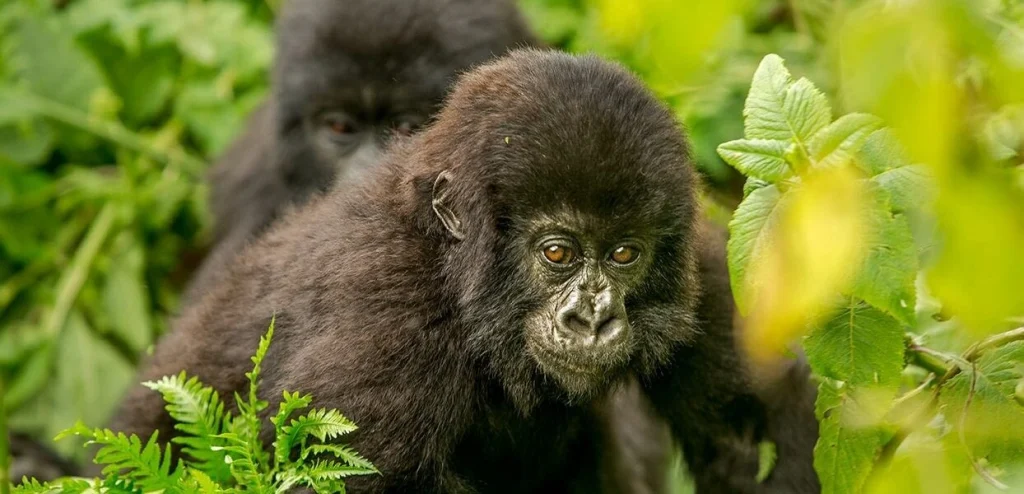
The trip’s centrepiece begins with an early briefing at one of Bwindi’s park offices, where rangers assign trekking groups to specific habituated gorilla families based on fitness level and expected trail difficulty. Treks can run anywhere from thirty minutes to several hours depending on where the family is feeding that morning, and reward trekkers with a strict but unforgettable hour of close-range observation once the group is located. Our guide on which part of Bwindi is easiest for gorilla trekking and our summary of gorilla trekking rules and regulations are both worth reading before this day, and Pick and Transfer Safaris’ Bwindi Impenetrable Forest guide offers a further perspective on the park.
Day 6: Departure and Return Transfer
The final day covers the return journey, either back toward Entebbe for an international departure or, for travelers continuing on to Rwanda, across the border toward Kigali. Because this leg can run several hours depending on your route and flight timing, most itineraries build in a flexible morning at the lodge before setting off, particularly useful if your gorilla trek the previous day ran long or if you’d like a final relaxed breakfast with mountain views before the drive home.
Chimpanzee Tracking Permit Costs at Kibale
A standard chimpanzee tracking permit in Kibale currently costs around $250 per person for foreign non-residents, with foreign residents paying roughly $200. Groups are capped at six people, and the permit covers one guided trek with an experienced tracker and ranger escort. Travelers wanting more time with the chimps can upgrade to the chimpanzee habituation experience, priced at approximately $300 per person, which extends the encounter across most of a full day rather than the standard one-hour observation window.
Gorilla Trekking Permit Costs at Bwindi
The gorilla trekking permit is the single largest cost on this itinerary, priced at $800 per person in standard season or $600 during the discounted low-season months of April, May, and November. Permits are strictly capped at eight visitors per gorilla family per day and routinely sell out months in advance during peak season, so this is the first booking to lock in once your six-day dates are set. Our breakdown of how much a gorilla trekking safari costs in Uganda covers the full budget picture once park fees, accommodation, and transport are added.
Queen Elizabeth National Park Entry Fees and Activities
Beyond the daily park entrance fee, Queen Elizabeth’s two headline activities — the Kasenyi game drive and the Kazinga Channel boat cruise — are typically booked as separate paid activities on top of park entry. Optional extras worth considering if your schedule allows an extra half day include a visit to the park’s crater lakes, where flamingos are sometimes spotted, or a Kyambura Gorge chimpanzee walk in the park’s own forested “Valley of Apes,” a lesser-known alternative primate encounter distinct from Kibale’s tracking. Our guide to the crater lakes in Queen Elizabeth National Park covers this optional add-on in more detail.
Best Time of Year for This Itinerary
Uganda’s two dry seasons, December to February and June to August, offer the firmest gorilla and chimp trekking trails along with the clearest game drive conditions in Queen Elizabeth, making them the busiest and most heavily booked months across all three parks. The wetter months, particularly April, May, September, and November, bring muddier trekking conditions but also the discounted gorilla permit pricing available in April, May, and November, plus noticeably thinner crowds throughout the route. The Kazinga Channel boat cruise runs reliably year-round regardless of season.
Alternative Routing: Starting from Bwindi Instead
While this guide runs the loop from Kibale through Queen Elizabeth to Bwindi, the itinerary works equally well in reverse for travelers entering Uganda via Kigali, Rwanda, rather than Entebbe. Starting in Bwindi, moving north through Queen Elizabeth, and finishing in Kibale before a final transfer back to Entebbe simply flips the day order without changing the total trip length. Our tour from Kigali covering Bwindi, Queen Elizabeth, Kibale and Bunyonyi is built around exactly this reversed routing, and our broader look at landing in Kigali or Entebbe for a gorilla safari can help you decide which direction suits your specific flights.
Shorter and Longer Versions of This Route
Travelers with less time can compress this into a tighter five-day version by shortening the Queen Elizabeth stop to a single combined game drive and cruise day, while those with a week or more can extend it with an extra night in Queen Elizabeth, a second gorilla trek, or a relaxing stop at Lake Bunyonyi before departure. Our standalone 3-day wildlife encounter to Queen Elizabeth National Park and 3-day chimpanzee tracking safari are useful building blocks if you’d rather assemble a custom-length version of this route, and our 7-day amazing gorilla and wildlife safari shows how one extra day is typically allocated. Pick and Transfer Safaris’ 4-day wildlife and primate safari is a useful reference for a more compact version of the same core route.
Where to Stay Along the Route
Accommodation on this itinerary clusters naturally around each of the three parks: lodges near Kibale’s eastern boundary and Fort Portal, a wider range of options inside or bordering Queen Elizabeth near Mweya or Kasese, and Bwindi lodges grouped by trekking sector, with Buhoma offering the broadest range of properties for travelers uncertain which sector they’ll be assigned. Booking each night’s accommodation to match your confirmed activity schedule, rather than the reverse, keeps early-morning transfers to trekking briefings and game drives as short as possible.
What to Pack for This Three-Park Itinerary
This trip demands packing for both forest trekking and open savannah game viewing in the same bag. Waterproof hiking boots, a rain jacket, gardening-style gloves, and long trousers tucked into socks cover the Kibale and Bwindi forest days, while lightweight neutral clothing, a hat, sunscreen, and binoculars are better suited to the Queen Elizabeth game drives and boat cruise. A dry bag for cameras is worth carrying throughout, given how quickly weather can shift across all three parks.
Visa Requirements for This Trip
Most nationalities need a visa to enter Uganda, best arranged in advance through the country’s e-visa portal. If your route enters via Kigali, the East Africa Tourist Visa is worth considering, since it covers Uganda, Rwanda, and Kenya under one 90-day, multiple-entry document. Our step-by-step guide to the Uganda tourist visa application process explains exactly what’s required and how far ahead to apply.
Choosing Your Transport: Guided Vehicle or Self-Drive
Most travelers on this itinerary use a guided 4×4 with a driver-guide who doubles as a spotter on the Ishasha and Kasenyi game drives, since local knowledge of where predators have been active recently makes a real difference to sightings. Our car hire service covers both guided and self-drive options for this route, worth comparing early since vehicle choice also affects comfort on the longer transfer days between parks.
Extending the Trip: Other Options Along the Same Route
Because this route already threads through some of Uganda’s best-connected safari country, it’s easy to extend in either direction. Pick and Transfer Safaris’ gorilla safari packages and broader wildlife safaris collection are useful for comparing how other operators structure similar multi-park routes, and their full safari listings page is worth browsing if you’re deciding whether to add Murchison Falls or a Rwanda extension onto the same trip. If you’d rather sample a shorter taste of gorilla trekking on its own first, their 3-day Uganda gorilla safari is a useful comparison point.
Fitness Preparation for a Mixed Trekking and Game-Drive Trip
This itinerary asks less of your fitness than a pure gorilla-focused trip, since two of the six days — the Kazinga Channel cruise and the Ishasha game drive — involve no walking at all beyond boarding a boat or vehicle. That said, the chimp trek in Kibale and the gorilla trek in Bwindi both demand a reasonable baseline of stamina, particularly the latter, where trail difficulty depends heavily on which family you’re assigned. Building in general hiking fitness beforehand, rather than training for either activity specifically, tends to serve travelers best, since it’s steady pacing rather than raw speed that both parks’ guides are looking for when assessing how to lead each group.
Booking Tips: Locking In Permits Before Everything Else
Because gorilla permits are the tightest-supply item on this itinerary and routinely sell out months ahead in peak season, the standard advice is to confirm your gorilla trekking date first, then build the rest of the six-day schedule — flights, chimp permit, lodges — around that fixed point rather than the other way around. Working with a single operator who coordinates all three parks’ bookings removes much of the risk of dates falling out of sync once availability is actually checked. If you’d like to compare how other operators price a similar route, Pick and Transfer Safaris’ 3-day safari to Queen Elizabeth National Park and 3-day chimpanzee tour in Uganda are useful individual building blocks, or reach out through their contact page for a direct quote comparison.
Frequently Asked Questions About This 6-Day Itinerary
Is six days enough for Kibale, Queen Elizabeth, and Bwindi? Yes — six days is a well-tested minimum for covering one full activity day at each park without feeling rushed, provided travel days are planned around scenic stops like Ishasha rather than pure driving.
How much should I budget for permits alone? Roughly $250 for standard chimp tracking in Kibale plus $800 for a high-season gorilla permit in Bwindi ($600 in the April, May, or November low season), before park entry fees, boat cruise costs, accommodation, and transport.
Can this itinerary be done in reverse, starting from Bwindi? Yes, and it’s the natural choice for travelers entering via Kigali, Rwanda, rather than Entebbe, Uganda.
What’s the most physically demanding part of the trip? Gorilla trekking in Bwindi is generally more strenuous than chimp tracking in Kibale, given Bwindi’s steeper, often muddier terrain, though both are matched to your fitness level on the day.
Plan Your 6-Day Kibale, Queen Elizabeth and Bwindi Safari with Kenlink Tours
Few six-day windows anywhere in Africa deliver this much range: chimpanzees in Kibale’s rainforest canopy, lions and hippos across Queen Elizabeth’s savannah and channel, and a quiet hour beside a mountain gorilla family in Bwindi’s misty forest. Getting the sequencing, permit bookings, and lodge choices aligned across three parks is where local expertise saves real time. Learn more about how we build trips like this on our About Us page, or reach out through our contact page to start planning your own 6-day Kibale, Queen Elizabeth, and Bwindi safari.