- EXPERT'S HELP
- +256789210067
- +256200955001
- info@kenlinktours.com


Gorilla Safaris Starting from Kampala
November 3, 2026
Best things to do near Bwindi
November 6, 2026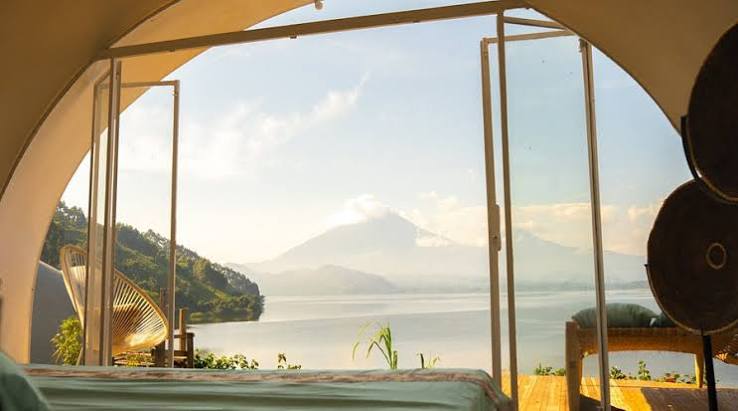
Kisoro Tourism Activities. Tucked into the far south-western corner of Uganda, where the country meets Rwanda and the Democratic Republic of Congo, Kisoro is one of East Africa’s most rewarding travel destinations. This small highland town sits beneath the dramatic cones of the Virunga Volcanoes, surrounded by terraced hills, crater lakes and two of the finest gorilla trekking parks on earth. For travellers searching for authentic Kisoro tourism activities, the region delivers an extraordinary mix: mountain gorillas, golden monkeys, volcano summits, peaceful canoe rides, rich Batwa culture and some of the friendliest local communities in Uganda.
At Kenlink Tours, Kisoro is close to our hearts. We run tours here every week, and we support a community project with orphaned children in Kisoro district, so every booking also makes a difference locally. In this complete guide, we share the best things to do in Kisoro, how to combine them into a smooth itinerary, when to visit, where to stay and how to get there, whether you are starting in Kampala, Entebbe or Kigali.
Why Visit Kisoro? An Introduction to Uganda’s “Land of Gorillas”
Kisoro district is often called the land of gorillas, and for good reason. It is home to Mgahinga Gorilla National Park and the southern sectors of Bwindi Impenetrable National Park – Rushaga and Nkuringo – which together hold a large share of the world’s remaining mountain gorillas. Few places on earth let you trek gorillas in two different parks, hike a 4,000-metre volcano and paddle a dug-out canoe on a crater lake, all from the same town.
Beyond wildlife, Kisoro has a cool, pleasant highland climate, beautiful scenery at every turn and a relaxed town atmosphere. It is also strategically placed: the Cyanika border into Rwanda is only a short drive away, making Kisoro one of the most convenient gorilla destinations for travellers flying into Kigali. If you want an overview of the area before diving into each activity, read our guide to attractions, activities and things to do in Kisoro.
1. Gorilla Trekking in Mgahinga Gorilla National Park
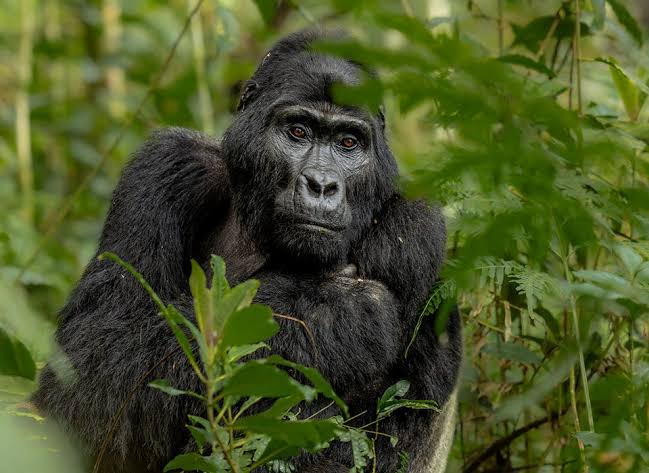
Gorilla trekking is the crown jewel of all Kisoro tourism activities. Mgahinga Gorilla National Park is Uganda’s smallest national park, covering about 33.7 square kilometres, yet it packs in remarkable scenery. It forms part of the larger Virunga Conservation Area, shared with Volcanoes National Park in Rwanda and Virunga National Park in DR Congo. The park’s motto, “where silver meets gold”, refers to its two star primates: the silverback mountain gorilla and the rare golden monkey.
Mgahinga has one habituated gorilla family, the Nyakagezi group, and only a small number of permits are issued each day. That makes trekking here feel exclusive and intimate. Your day begins early with a briefing at the Ntebeko park headquarters, followed by a guided hike through bamboo forest and volcanic slopes. Once you find the family, you spend one unforgettable hour watching the silverback, mothers and playful juveniles in their natural home.
Because permits are limited, booking early is essential. Our complete guide to gorilla trekking in Mgahinga National Park explains the trekking rules, permit process and what to expect on the trail. You can also read a detailed park profile on the Mgahinga Gorilla National Park destination page from our partners at Pick and Transfer Safaris.
Quick tips for Mgahinga gorilla trekking:
- Minimum age is 15 years.
- Uganda gorilla permits are issued by the Uganda Wildlife Authority (UWA); contact us for current rates and availability.
- Wear waterproof hiking boots, long trousers and gardening gloves for gripping vegetation.
- Hire a porter – it helps on steep slopes and supports local families.
2. Gorilla Trekking in Bwindi’s Rushaga and Nkuringo Sectors
While Mgahinga is the park most closely associated with Kisoro, the southern sectors of Bwindi Impenetrable National Park are also within easy reach of town. This gives travellers a big advantage: if Mgahinga permits are sold out, there are several more gorilla families just a short drive away.
Rushaga sector is famous for having the highest number of habituated gorilla families in Bwindi. It is also the main sector for the gorilla habituation experience, where you spend up to four hours with a gorilla family that is still being introduced to humans. Learn more in our article on gorilla trekking in Bwindi’s Rushaga sector from Kigali.
Nkuringo sector is the most dramatic of Bwindi’s four sectors. Lodges sit on the Nteko ridge with sweeping views of the Virunga Volcanoes, while the trails drop steeply into the forest. It is best suited to fit hikers. Our guide to gorilla trekking in Nkuringo sector, Bwindi covers fitness, packing and how to combine Nkuringo with Mgahinga in one trip. For a wider view of the park, see the Bwindi Impenetrable Forest National Park guide.
Many visitors stay in Kisoro or at Lake Mutanda and trek from there. Our post on the one-day gorilla trek from Kisoro town and Lake Mutanda explains how this works in practice.
3. Golden Monkey Tracking in Mgahinga
Golden monkey tracking is one of the most fun and underrated Kisoro tourism activities. These endangered monkeys, with their bright orange-gold backs, live in large, lively troops in the bamboo forests of the Virunga Mountains. Mgahinga is the only place in Uganda where you can track them.
The trek is gentler than gorilla trekking, usually taking a few hours on flatter terrain. Once you find the troop, you spend an hour watching them leap through the bamboo canopy, feed on young shoots and chatter noisily. Golden monkeys move fast, which makes photography a fun challenge – bring a camera with a quick shutter speed.
Golden monkey tracking pairs perfectly with gorilla trekking in the same park. Explore our Uganda gorilla and golden monkey safari for sample 3-day and 5-day itineraries. Travellers starting in Rwanda may prefer the 4-day Rwanda-Uganda golden monkey and gorilla trekking trip, which combines Volcanoes National Park in Rwanda with Bwindi in Uganda.
Golden monkey habituation is also offered in Mgahinga for those who want to spend longer with a troop and learn how researchers prepare primates for visitors. It is ideal for photographers and primate enthusiasts.
4. Hiking Mount Muhabura – Kisoro’s Iconic Volcano
Mount Muhabura dominates the Kisoro skyline. At 4,127 metres, it is Uganda’s third-highest peak and the most easterly of the Virunga Volcanoes. Its name means “the guide” in the local language, because its perfect cone was used by travellers to find their way across the region.
The Muhabura hike is a full-day challenge. Most climbers start at 7:00 a.m. from the Mgahinga park headquarters and take six to eight hours to reach the summit and return. The trail climbs through bamboo forest, heather and alpine moorland before reaching a small, crystal-clear crater lake at the top. On a clear day, you can see Lake Bunyonyi, the twin lakes of Burera and Ruhondo in Rwanda, and the chain of Virunga Volcanoes stretching into Congo.
The hike requires good fitness and warm clothing. Rangers may ask you to turn back if you have not reached the second camp by early afternoon, so an early start is important. If you love adventure, our guide to combining Mount Muhabura with gorilla trekking shows how to fit both experiences into a four-day itinerary.
5. Climbing Mount Gahinga and Mount Sabyinyo
If Muhabura sounds too demanding, Kisoro’s other two volcanoes offer equally memorable day hikes.
Mount Gahinga (about 3,474 metres) is the smallest and gentlest of the three. The climb passes through thick bamboo forest to a swampy crater at the summit. It takes roughly six hours round trip and is a great choice for travellers who want a volcano experience without extreme effort.
Mount Sabyinyo (about 3,669 metres) is the oldest of the Virunga Volcanoes and the most dramatic. Its jagged ridge has three peaks, and the final ascent includes wooden ladders over steep rock. The very top marks the point where Uganda, Rwanda and the DRC meet – meaning you can stand in three countries at once.
For more inspiration, read our roundup of the best hiking adventure safaris in Uganda, which covers the Virunga volcanoes, Bwindi forest trails and other great hikes across the country.
6. Canoeing and Boat Cruises on Lake Mutanda
After an intense gorilla trek or volcano climb, nothing beats a relaxing afternoon on Lake Mutanda. This beautiful freshwater lake lies a short drive north of Kisoro town and is dotted with small islands. Its shores are lined with papyrus, terraced farms and quiet fishing villages, while the three Virunga volcanoes rise on the horizon. It is easily one of the most photographed views in Uganda.
You can explore the lake in a traditional dug-out canoe or on a motorised boat. Most cruises last one to three hours and include stops at islands, small caves and lakeside communities. Birdlife is excellent, with kingfishers, herons, cormorants and weaver birds commonly spotted. Lucky visitors may also see African clawless otters.
See our full guide to things to do at Lake Mutanda for activity ideas, and check out this detailed overview of a boat cruise at Lake Mutanda, including typical costs, duration and how to combine it with gorilla trekking.
7. Visiting Icyangushu Island and Punishment Island
Lake Mutanda’s islands are full of history and legend. Icyangushu Island is a small, isolated island known for ancient burial grounds that offer a rare glimpse into the customs and beliefs of earlier societies in the Kisoro region. Visiting with a local guide brings these stories to life. Read more in our guide to Icyangushu Island at Lake Mutanda.
Many boat tours also stop near Punishment Island, a tiny island where, in the past, unmarried pregnant girls were sometimes abandoned as punishment. Today it is a sobering but important part of local history, and guides explain how attitudes have changed. Island trips can also include visits to inhabited islands, local schools and community craft makers.
8. The Batwa Trail and Garama Cave
No list of Kisoro tourism activities is complete without the Batwa cultural experience. The Batwa are among the oldest inhabitants of the Great Lakes region. For centuries, they lived as hunter-gatherers in the forests of Mgahinga and Bwindi, living in harmony with the gorillas and other wildlife. When the parks were created to protect the gorillas, the Batwa were moved out of the forest, and they now live in communities around the parks.
The Batwa Trail in Mgahinga is led by Batwa guides who share how their ancestors hunted, gathered honey, used medicinal plants and made fire. The highlight is Garama Cave, a long lava tube once used by Batwa kings as a council chamber and refuge. Inside the cave, the Batwa perform traditional songs and dances – a moving and memorable experience.
Taking part in the Batwa Trail is not just cultural tourism; the fees directly support Batwa families. Our post on tour operators in Kisoro explains how we include Batwa encounters in our trips, alongside canoe rides, volcano hikes and gorilla treks.
9. Kisoro Town Walks and Market Visits
Kisoro town is small, safe and fun to explore on foot. A guided town walk takes you past colourful shops, churches and schools, while the busy central market is a great place to see daily life. Market days are especially lively, with farmers selling Irish potatoes, beans, sorghum and fresh vegetables from the volcanic soils around town. You will also find handmade baskets, local fabrics and crafts that make meaningful souvenirs.
Walking with a local guide is the best way to understand the Bafumbira culture, the history of the area and how communities live alongside protected areas. It is a gentle, enjoyable activity for a free afternoon or the day you arrive in Kisoro.
10. Coffee Tours and Kisoro’s Café Culture
Kisoro sits in one of Uganda’s best coffee-growing regions, and its café culture has become an attraction in its own right. On a coffee tour, you visit smallholder farms on the slopes of the Virungas, learn how coffee is picked, washed, dried and roasted, and finish with a fresh cup of locally grown Arabica.
Back in town, several cosy cafés offer great coffee, light meals and views of Mount Muhabura. Many of them work directly with local farmers, so your coffee stop puts money back into the same communities that protect the gorillas. Our guide to coffee shops near Mgahinga National Park lists our favourite spots in Kisoro.
11. Exploring Kisoro’s Crater Lakes: Chahafi, Mulehe and Kayumbu
Lake Mutanda gets most of the attention, but Kisoro has several other beautiful lakes worth exploring. Lake Chahafi lies near the Rwanda border and is a peaceful spot for birdwatching and short canoe trips. Lake Mulehe, a long, narrow lake surrounded by steep hills, is home to lodges with lovely views and calm waters ideal for canoeing. Lake Kayumbu is a quieter lake often visited on longer hiking routes through the highlands.
Hiking or cycling between these lakes reveals some of the most authentic countryside in Uganda – terraced fields, smiling children, roadside markets and constant views of the volcanoes. It is a great choice for travellers who want to slow down and connect with rural life.
12. Birdwatching in Kisoro
Kisoro is a rewarding birding destination, especially for anyone hoping to spot Albertine Rift endemics. Mgahinga’s bamboo and montane forests host species such as the Rwenzori turaco, Rwenzori double-collared sunbird, handsome francolin, dusky turtle dove and Kivu ground thrush. Nearby, Bwindi’s Rushaga and Nkuringo sectors add even more endemics to your list.
The wetlands and lakes around Kisoro are also excellent for water birds. Look out for grey crowned cranes, African fish eagles, pied kingfishers and many species of heron. The best birding is from March to May and September to November, when migratory species are present and many birds are breeding, although birding is good throughout the year.
13. Nature Walks, Village Walks and Community Tourism
For travellers who want a gentle experience, guided nature walks are offered both inside Mgahinga and around Kisoro town. Inside the park, walks lead to viewpoints, the Sabyinyo gorge and the edges of the bamboo forest, with chances to see birds, monkeys and wildflowers. Outside the park, village walks visit farms, traditional healers, blacksmiths and local schools.
Community tourism in Kisoro is growing fast, with women’s craft groups, cooking classes and homestays that let you experience daily life. These experiences ensure tourism money reaches local families – the same families whose support is essential for protecting the gorillas.
14. The Border Walk and Cross-Border Adventures
Kisoro is one of the few places in Africa where you can see three countries from one spot. A border walk around Kisoro and Mgahinga gives you views over Uganda, Rwanda and the DRC, and helps you understand the region’s geography and shared volcanic landscape.
The town’s location also makes it easy to combine Uganda and Rwanda in one trip. Volcanoes National Park in Rwanda, home to gorillas, golden monkeys and the Dian Fossey research site, is only a few hours away via the Cyanika border. Learn more about it on the Volcanoes National Park destination guide. Our article on which companies offer Uganda safaris from Kigali explains why choosing a ground operator who handles both sides of the border makes the trip much smoother.
15. Relaxing at Kisoro’s Lodges and Hotels
One of the simple joys of a Kisoro holiday is relaxing after an adventurous day – sitting by a fireplace with a hot drink while the sun sets behind the volcanoes. Kisoro’s accommodation ranges from friendly budget guesthouses and community camps to comfortable mid-range hotels and luxury lodges with spas and swimming pools.
Popular places to stay in and around Kisoro include:
- Budget: Amajambere Iwacu Community Camp, Kisoro Tourist Hotel, Virunga Campsite and Backpackers, Mutolere Coffee Pot Guest House.
- Mid-range: Ikoro Hotel, Travellers Rest Hotel, Ichumbi Hotel, Lake Mulehe Safari Lodge, Mutanda Lake Resort.
- Luxury: Mount Gahinga Lodge, Gorilla Heights Lodge, Gorilla Leisure Lodge and the high-end lodges near Nkuringo.
Ikoro Hotel is a popular modern option opposite Kisoro Airstrip, about 30 to 40 minutes’ drive from Mgahinga. Read this in-depth review of Ikoro Hotel in Kisoro to see whether it suits your trip.
Best Time to Visit Kisoro
Kisoro can be visited all year round, but the dry seasons from June to September and December to February are the most popular. During these months, trails are firmer and less slippery, which makes gorilla trekking, golden monkey tracking and volcano hiking easier. Views of the Virungas are also clearer, especially in the early morning.
The wet seasons from March to May and October to November bring lush green scenery, fewer visitors and sometimes discounted lodge rates. Rain usually falls in short, heavy showers, so activities still go ahead. This is also the best time for birdwatching. Whatever the season, pack a rain jacket – Kisoro’s mountain weather can change quickly.
How to Get to Kisoro
From Kigali, Rwanda: Kisoro is roughly three to four hours’ drive from Kigali via Musanze and the Cyanika border. This short route has made Kisoro one of the most popular gorilla destinations for travellers flying into Kigali International Airport. Our guide to gorilla tracking in Mgahinga National Park from Kigali covers the journey, border formalities and sample itineraries.
From Kampala or Entebbe: The road journey is about eight to ten hours via Masaka, Mbarara and Kabale. Most travellers break the trip with stops at the Equator and Lake Mburo National Park or Lake Bunyonyi. The final stretch from Kabale to Kisoro is one of the most scenic drives in Uganda.
By air: Scheduled and charter domestic flights operate from Entebbe to Kisoro Airstrip, cutting the journey to around two hours. This is ideal for travellers short on time.
If you are wondering about very short trips, our article Can I trek gorillas in Bwindi and drive to Kigali the same day? explains which sectors make this possible and why Rushaga and Nkuringo near Kisoro work best.
Suggested Kisoro Itineraries
Kisoro rewards travellers who stay a few days rather than rushing in and out. Here are some popular ways to plan your trip.
2 days – Express gorilla trip from Kigali: Drive from Kigali to Kisoro on day one, trek gorillas in Mgahinga on day two and return to Kigali in the afternoon. See our 2-day gorilla trekking safari from Kigali to Mgahinga and the alternative 2 days gorilla trekking in Mgahinga Park via Kigali. Similar short options include the 2 days Uganda gorilla tour starting from Kigali, and, for travellers with very little time, the 1 day Uganda gorilla safari starting from Kigali.
3 days – Gorillas and Lake Mutanda: Day one, travel to Kisoro and enjoy a sunset canoe ride on Lake Mutanda. Day two, trek gorillas in Mgahinga or Rushaga. Day three, track golden monkeys or join the Batwa Trail before departing. Compare this with the 3 days Uganda gorilla safari and the 3 days Uganda gorilla safari from Rwanda.
4 to 5 days – Silver meets gold plus volcanoes: Combine gorilla trekking, golden monkey tracking, a Mount Muhabura or Gahinga hike, the Batwa Trail and a Lake Mutanda boat ride. This is the best way to experience everything Kisoro offers without rushing.
7 days and more – Kisoro as part of a bigger safari: Add Queen Elizabeth National Park for tree-climbing lions and boat cruises on the Kazinga Channel, or Kibale Forest for chimpanzee tracking. The Queen Elizabeth National Park guide is a good starting point, and the 5-day Uganda gorilla and chimpanzee safari shows how gorillas and chimps combine well in one trip.
What to Pack for Kisoro Tourism Activities
Kisoro’s altitude means warm days and chilly nights, while forest trails are often muddy. Pack smart to enjoy every activity in comfort:
- Waterproof hiking boots with good grip.
- Lightweight rain jacket and a warm fleece or down jacket for evenings and volcano summits.
- Long-sleeved shirts and long trousers to protect against nettles and insects.
- Gardening gloves for gripping branches on gorilla treks.
- Gaiters or long socks to tuck trousers into.
- A small daypack with a rain cover, water bottle and energy snacks.
- Camera with spare batteries (no flash around gorillas).
- Insect repellent, sunscreen and a hat.
- Your passport, gorilla permit and yellow fever vaccination certificate.
Responsible Travel in Kisoro
Tourism plays a huge role in protecting Kisoro’s gorillas and supporting its communities. A share of every gorilla permit goes to communities around the parks, funding schools, health centres and clean water projects. You can make your trip even more positive by hiring porters, buying crafts directly from local makers, choosing community-run accommodation and respecting local customs and dress.
On treks, always follow your ranger’s instructions: keep at least seven metres from the gorillas, wear a face mask when asked, never trek if you are sick, and keep your voice low. These simple rules protect the gorillas from human diseases and keep the experience safe for everyone.
At Kenlink Tours, responsible travel is part of who we are. We support more than 290 orphaned children in Kisoro district through a community project, and we work with local guides, drivers and lodges so that tourism benefits the people who live here.
Why Book Your Kisoro Safari with Kenlink Tours
Planning gorilla permits, border crossings, lodges and activities in a remote corner of Uganda can feel overwhelming. That is where we come in. Kenlink Tours is a Uganda-based operator with deep knowledge of Kisoro, Mgahinga and Bwindi’s southern sectors. Here is what you can expect when you travel with us:
- Permit assistance: We secure gorilla, golden monkey and hiking permits on your behalf.
- Experienced driver-guides: Our team knows the Cyanika and Katuna border crossings and the region’s roads well.
- Comfortable 4×4 vehicles: Essential for the steep, unpaved roads towards Rushaga, Nkuringo and Mgahinga.
- Tailor-made itineraries: Every trip is designed around your interests, budget and fitness level.
- Community impact: Your booking supports our orphan project in Kisoro district.
Browse our full range of gorilla and wildlife safaris on the Kenlink Tours homepage, or explore more gorilla trip ideas, including Uganda-Rwanda combinations, on the gorilla safaris page of our partners.
Frequently Asked Questions About Kisoro Tourism Activities
What is Kisoro famous for?
Kisoro is famous for mountain gorilla trekking in Mgahinga Gorilla National Park and Bwindi’s southern sectors, golden monkey tracking, the Virunga Volcanoes, Lake Mutanda and Batwa culture.
How many days do I need in Kisoro?
Two days is enough for a gorilla trek, but three to five days lets you add golden monkeys, a volcano hike, the Batwa Trail and a Lake Mutanda canoe ride.
Can I do gorilla trekking and golden monkey tracking in the same park?
Yes. Mgahinga is the only park in Uganda where you can do both, making it perfect for a “silver meets gold” safari.
Is Kisoro close to Rwanda?
Yes. The Cyanika border is a short drive from Kisoro town, and Kigali is about three to four hours away by road.
Which is better for gorillas: Mgahinga or Bwindi?
Both offer excellent trekking. Mgahinga has volcanic scenery and a more exclusive feel, while Bwindi has more gorilla families and therefore better permit availability. From Kisoro, you can easily reach both.
Is Kisoro safe for tourists?
Yes. Kisoro is a calm, welcoming town, and tourism areas are well managed by the Uganda Wildlife Authority and local authorities. As anywhere, follow your guide’s advice and take normal travel precautions.
Plan Your Kisoro Adventure Today
From the thrill of meeting mountain gorillas face to face, to the quiet magic of a sunset canoe ride on Lake Mutanda, Kisoro offers some of the most memorable travel experiences in Africa. Its mix of wildlife, volcanoes, lakes and living culture makes it far more than a quick stop on a gorilla trip – it is a destination worth savouring.
Ready to explore Kisoro? Contact the Kenlink Tours team today, and we will help you secure permits, choose the right lodges and design a Kisoro itinerary that matches your dreams. For more ideas before you book, revisit our full guide to things to do in Kisoro and our Mgahinga gorilla trekking guide. Kisoro is waiting for you!