- EXPERT'S HELP
- +256789210067
- +256200955001
- info@kenlinktours.com


Uganda Safaris for Chimpanzee and Gorilla Tours
November 8, 2026
Trusted Tour Companies in Uganda for Safaris
November 12, 2026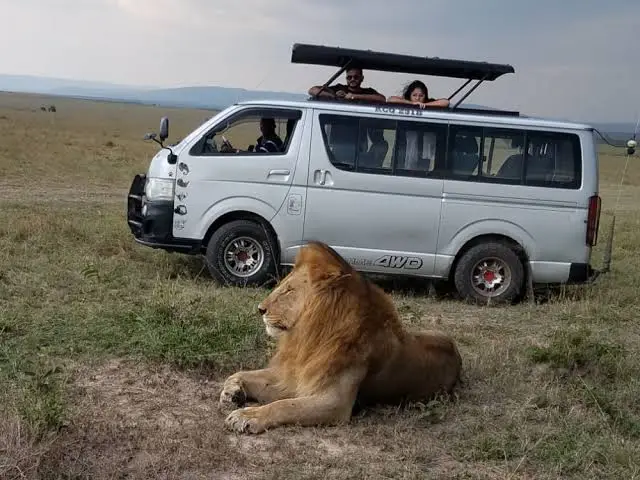
Can i book a tour in Uganda myself and hire a driver. Uganda has a way of pulling travellers in. One minute you are reading about mountain gorillas in a misty forest, and the next you are wondering whether you could plan the whole trip on your own: book the lodges, hire a car with a local driver, and set off across the “Pearl of Africa” on your own terms. It is one of the most common questions our team at Kenlink Tours receives, and it deserves an honest, detailed answer.
The short answer is yes, you can book a tour in Uganda yourself and hire a driver. Thousands of independent travellers do it every year. But there are a few important rules, especially around gorilla permits, plus some practical realities about roads, distances and logistics that will shape how smoothly your trip runs. This guide walks you through everything: what you can arrange yourself, what you legally cannot, how much a driver costs, how to choose a vehicle, sample routes, safety tips, and how to decide between going fully independent, hiring a car with a driver, or booking a tailor-made package.
If you are still at the very beginning of your planning, our Uganda safari travel guide for international tourists is a great companion to this article.
Quick Answer: Can You Plan a Uganda Tour Yourself?
Yes. Uganda is open to independent travellers, and there is no law requiring you to book a full package with a tour company. You can:
- Book your own international flights into Entebbe International Airport (or into Kigali, Rwanda, which is often closer to the gorilla parks).
- Apply for your own visa online.
- Reserve your own hotels and safari lodges directly.
- Hire a car with a professional driver-guide, or rent a 4×4 for self-drive.
- Pay park entry fees and many activities yourself at the gate or through the parks authority.
There is one big exception: gorilla trekking permits. The Uganda Wildlife Authority (UWA) now requires foreign non-resident visitors to book gorilla permits through licensed Ugandan tour operators rather than directly. That means if gorillas are on your list, and for most visitors they are, you will need a licensed operator involved for at least that part of the trip. Many travellers solve this neatly by booking the permit plus a car and driver through one trusted local company, and arranging the rest themselves.
Why So Many Travellers Want to Do It Themselves
There are good reasons people search for “can I book a tour in Uganda myself.” Understanding your own motivation will help you choose the right approach.
Flexibility. Independent travellers want to linger where they love it, skip what does not interest them, and change plans on the fly.
Budget control. Booking direct lets you choose exactly where your money goes, whether that is a budget guesthouse or a splurge night at a forest lodge.
Authenticity. Many travellers want to stop at roadside markets, chat with locals, and experience the country beyond a fixed itinerary. Uganda is wonderful for this, and it is one reason we often explain why Uganda offers an authentic African safari experience unlike more commercialised destinations.
Personal style. Some people simply enjoy the planning process as part of the adventure.
All of these goals can be met with a self-planned trip and a hired driver. The trick is knowing where independence helps you and where local expertise saves you time, money and stress.
What You Can Book Yourself in Uganda
Let’s break the trip into its main components and look at how easy each is to arrange on your own.
1. International flights. Straightforward. Most visitors fly into Entebbe International Airport (EBB), about 40 km from Kampala. If your main goal is gorilla trekking in southwestern Uganda, flying into Kigali, Rwanda, can cut your road time significantly. We explain this route in detail in our guide to a one week Uganda safari from Kigali.
2. Visa. Uganda issues tourist visas through its official online immigration portal. A single-entry tourist visa is typically around USD 50. If you plan to combine Uganda with Rwanda and Kenya, the East Africa Tourist Visa (around USD 100) covers all three countries. Always check the official portal for current fees before applying, and carry your yellow fever vaccination certificate, which is required for entry.
3. Accommodation. Most lodges and hotels in Uganda accept direct bookings by email, phone or their own websites. However, some popular lodges near Bwindi or Murchison Falls fill up months ahead in peak season, and tour operators often hold allocations or get better rates.
4. Car hire with a driver. Very doable. Many local companies, including ours, offer a car with an English-speaking driver-guide by the day.
5. Park entry and activities. Game drives, boat cruises and nature walks can often be paid at park gates or booked through UWA. Chimpanzee tracking permits are also issued by UWA, though popular dates in Kibale sell out, so book early.
6. Gorilla permits. As noted above, foreign non-residents must go through a licensed Ugandan operator. This is the single part you cannot fully DIY.
The Gorilla Permit Rule Explained
Because gorillas are the number-one reason many people visit, the permit question deserves its own section.
Uganda’s mountain gorillas live in two parks: Bwindi Impenetrable National Park and Mgahinga Gorilla National Park. Each trekking group is limited to eight visitors per gorilla family per day, so permits are limited and in high demand.
Key permit facts for planning:
- Standard gorilla trekking permit: USD 800 per foreign non-resident under the current UWA tariff.
- Low-season permits: UWA has introduced discounted rates (around USD 600 for foreign non-residents) for treks in April, May and November.
- Gorilla Habituation Experience: Four hours with a gorilla family being habituated, available only in Bwindi. UWA’s updated tariff has raised this permit, so confirm the current price when you book.
- Minimum age: 15 years.
- Booking channel: Through a licensed Ugandan tour operator for foreign non-residents.
Because tariffs change periodically, always confirm the price on the date you plan to trek. For a full breakdown, read our article on gorilla trekking safari costs for 2026.
Practical tip: Permits are sector-specific. Bwindi has four trekking sectors (Buhoma, Ruhija, Rushaga and Nkuringo), and they can be several hours apart by road. Your lodge and your driver’s route must match your permit sector. This is one of the most common mistakes independent travellers make, and one of the best reasons to have an experienced local driver who knows these roads.
Hiring a Driver in Uganda: How It Works
Hiring a car with a driver is the sweet spot for many independent travellers. You keep control over the itinerary, but you hand over the hardest part, the driving and navigation, to someone who does it every day.
Here is how it typically works:
- You share your rough plan. Dates, parks, number of travellers and any must-do activities.
- The company recommends a vehicle. Usually a 4×4 safari vehicle such as a Toyota Land Cruiser or a safari van with a pop-up roof for game viewing.
- You receive a daily rate. This usually covers the vehicle and the driver. Fuel may or may not be included, so ask.
- The driver picks you up. From Entebbe Airport, your Kampala hotel, or even the Kigali border.
- You travel together for the whole trip. The driver stays in driver’s quarters at or near your lodge. Most lodges provide this, and it is usually included in the arrangement.
- The trip ends wherever you want. Many companies allow you to finish in a different town or country for a repositioning fee.
The difference between a “driver” and a “driver-guide” matters. A plain chauffeur gets you from A to B. A professional driver-guide also spots wildlife, explains animal behaviour, knows park rules, speaks to rangers and lodge staff on your behalf, and handles small mechanical issues on the road. In Uganda’s national parks, a good driver-guide can make or break your game drives.
Benefits of Hiring a Driver-Guide Instead of Self-Driving
Uganda does allow self-drive, and some confident travellers enjoy it. But for most first-time visitors, a driver-guide is the smarter choice. Here is why.
Road conditions. Main highways between Kampala and major towns are mostly tarmac, but the final stretches to parks like Bwindi, Kidepo or parts of Murchison are dirt, often steep and slippery in rain.
Long distances. Kampala to Bwindi can take 8 to 10 hours. A local driver knows where to stop for fuel, lunch and clean restrooms, and how to time the journey safely.
Driving on the left. Uganda drives on the left, with heavy truck traffic, boda-boda motorbikes, cyclists and livestock sharing the road.
Wildlife spotting. Driver-guides know where lions were seen yesterday, where the leopards rest, and which tracks are passable after rain.
Language and logistics. English is widely spoken, but in rural areas a guide who speaks local languages smooths everything from checkpoints to market purchases.
Safety and peace of mind. If the vehicle has a problem, your driver deals with the company and arranges a replacement. You keep enjoying your holiday.
Time efficiency. You will not waste hours getting lost or waiting at the wrong gate. That time goes back into what you came for.
If you would like the comfort of a fully supported trip while still keeping it personal, take a look at how we put together a 7 days adventure Uganda safari with an experienced driver-guide throughout.
How Much Does It Cost to Hire a Driver in Uganda?
Prices vary between companies and seasons, but here are realistic ranges to help you budget. Treat these as guides, and always get a written quote.
| Item | Typical Range (USD) | Notes |
|---|---|---|
| Driver-guide fee only | 30 – 60 per day | Covers the driver’s wage; accommodation and meals are usually arranged through lodges |
| Saloon car with driver | 50 – 90 per day | Fine for Kampala, Entebbe and Jinja; not suitable for most parks |
| 4×4 SUV (e.g. RAV4) with driver | 80 – 130 per day | Good for small groups and decent roads |
| 4×4 Land Cruiser with pop-up roof and driver | 120 – 220 per day | The classic safari vehicle; best for game drives |
| Safari van (minibus) with driver | 100 – 180 per day | Good for larger groups on main routes |
| Fuel | Variable | Ask whether the daily rate includes fuel |
| Tip for driver-guide | 10 – 20 per day | Customary, at your discretion |
Remember to add these costs to your overall budget:
- Gorilla permit: USD 800 (or around USD 600 in low season months).
- Chimpanzee permit in Kibale: about USD 250 under the 2024–2026 tariff, with a rise expected under the updated tariff.
- Park entry fees: commonly USD 40–50 per person per day for foreign non-residents, depending on the park.
- Accommodation: from about USD 30–80 per night for budget lodges up to several hundred dollars for luxury lodges.
- Meals and drinks if not included.
For travellers watching every dollar, our guide to a Uganda gorilla safari on a budget basis shows how to cut costs without cutting the experience.
Self-Drive vs Driver-Guide vs Full Package: Which Should You Choose?
There is no single correct answer. Here is a simple comparison.
Option 1: Fully self-drive. You rent a 4×4, plan everything, and drive yourself.
- Best for: Experienced overland travellers, people who have driven in Africa before.
- Pros: Maximum freedom; lower daily vehicle cost.
- Cons: Navigation, road risk, no wildlife expertise, and you still need an operator for gorilla permits.
- Requirements: Usually aged 25–65 with a valid licence (an International Driving Permit is recommended) held for at least a few years.
Option 2: Self-planned trip with a hired driver-guide. You plan the route and book lodges; a local company supplies the vehicle and driver.
- Best for: Independent-minded travellers who want flexibility plus local know-how.
- Pros: Flexibility, safety, wildlife expertise, no driving stress.
- Cons: You do the lodge bookings and permit coordination yourself, and mistakes in timing can be costly.
Option 3: Tailor-made package with a local operator. You share your wishes; the operator designs and books everything.
- Best for: First-time visitors, honeymooners, families, gorilla-focused trips, anyone short on time.
- Pros: Permits, lodges, vehicle, driver and timing all coordinated; one point of contact; often better lodge rates.
- Cons: Slightly less hands-on planning, although a good operator customises everything to you.
The middle ground is popular for a reason, but in practice many travellers find that the price gap between “car and driver” and “tailor-made package” is smaller than expected once permits, lodge rates and fuel are included. It is worth comparing both. Our page on booking Uganda safari tours explains how the booking process works step by step.
Step-by-Step: How to Book Your Own Uganda Tour and Hire a Driver
If you have decided to plan the trip yourself, follow these steps in order. The order matters, because the scarcest items need to be secured first.
Step 1: Decide your must-do experiences. Gorillas? Chimpanzees? Big game? Murchison Falls? The Nile? Write your top three. This decides your route.
Step 2: Choose your travel dates. The drier months (June to September and December to February) are the most popular for gorilla trekking and game drives. The wetter months (March to May and October to November) bring greener scenery, fewer visitors and low-season gorilla permit prices in April, May and November.
Step 3: Secure gorilla permits first. Contact a licensed Ugandan operator and confirm permit availability for your date and sector. Do not book flights or lodges until the permit is confirmed.
Step 4: Book chimpanzee permits. If Kibale is on your list, book through UWA or your operator, as morning slots fill up.
Step 5: Map the route and driving times. Use realistic driving times, not online map estimates. Uganda’s roads are slower than they look.
Step 6: Book your vehicle and driver. Ask for the exact vehicle type, year, whether it has a pop-up roof, what the daily rate includes (fuel, driver’s accommodation, meals), and the cancellation terms.
Step 7: Book accommodation that matches the route. Your lodge in Bwindi must be in or near your permit sector. Your lodge in Murchison should suit whether you plan the northern-bank game drive or the top of the falls.
Step 8: Apply for your visa and check health requirements. Get your eVisa, yellow fever certificate, malaria prevention advice and travel insurance in order.
Step 9: Confirm everything in writing. Get written confirmations from your driver company, lodges and permit issuer. Share your full itinerary with your driver before arrival.
Step 10: Pack smart. Layers for cool mornings, rain jacket, sturdy hiking boots, gardening gloves for gorilla trekking, binoculars, insect repellent and a power bank.
If that list feels long, that is exactly why many travellers hand the whole thing to a local team. Either way, you now know what needs to happen.
Realistic Driving Times Between Uganda’s Top Destinations
One of the biggest surprises for independent travellers is how long journeys take. These are typical driving times with a safari vehicle, including short stops. Weather and road works can add more.
| Route | Approx. Driving Time |
|---|---|
| Entebbe Airport to Kampala | 1 – 2 hours (traffic dependent) |
| Kampala to Murchison Falls National Park | 5 – 6 hours |
| Kampala to Kibale National Park (Fort Portal) | 5 – 6 hours |
| Kibale to Queen Elizabeth National Park | 2 – 3 hours |
| Queen Elizabeth (Ishasha) to Bwindi | 3 – 5 hours |
| Kampala to Bwindi (Rushaga/Nkuringo) | 8 – 10 hours |
| Kigali (Rwanda) to Bwindi (Rushaga) | 4 – 5 hours, including the border crossing |
| Bwindi to Lake Bunyonyi | 2 – 3 hours |
Because of these distances, many travellers either fly in from Kigali for gorilla trekking or break long road journeys with an overnight stop. A short flight with a domestic carrier is also an option to the parks’ airstrips, though it costs more.
Popular Self-Planned Routes With a Driver
Here are some proven routes you can follow with a hired driver. Each one can also be booked as a ready-made itinerary if you prefer.
Route A: 3-Day Gorilla Trip from Kigali Day 1: Kigali to Bwindi (Rushaga sector). Day 2: Gorilla trek. Day 3: Return to Kigali. This is the fastest way to see gorillas in Uganda. Compare it with this 3 days Uganda gorilla safari from Rwanda, or take it a step further with our Uganda gorilla and golden monkey safari, which adds golden monkey tracking in Mgahinga.
Route B: 5-Day Gorilla Safari by Road from Kampala/Entebbe Day 1: Kampala to Queen Elizabeth or Lake Mburo. Day 2: Continue to Bwindi. Day 3: Gorilla trekking. Day 4: Lake Bunyonyi. Day 5: Return. See how we structure this in our 5-day short Uganda gorilla trekking safari by road.
Route C: Western Uganda Primate and Wildlife Circuit (7–8 days) Kampala → Kibale (chimpanzees) → Queen Elizabeth (game drives, Kazinga Channel boat cruise) → Bwindi (gorillas) → Lake Bunyonyi → Kampala. This classic loop is outlined in our 7 days gorilla, chimps tracking and game safari in Uganda. For extra ideas, compare the 7 days Uganda safari one-week tour itinerary.
Route D: Northern Big Game and Chimps (7–8 days) Kampala → Ziwa Rhino Sanctuary → Murchison Falls (game drives, Nile boat cruise, top of the falls) → Kibale → Queen Elizabeth → Kampala. Our 8 days Uganda wildlife and chimpanzee trekking safari follows this route closely.
Route E: The Grand Tour (10–14 days) Combine all of the above: Murchison Falls, Kibale, Queen Elizabeth, Bwindi and Lake Bunyonyi, possibly extending into Rwanda. For inspiration, see the 10 days Uganda primates and wildlife tour or a cross-border 10 days Uganda Rwanda safari.
Top Destinations to Include When You Plan Your Own Trip
When you design your own route with a driver, these are the destinations most worth your time.
Bwindi Impenetrable National Park. Home to roughly half of the world’s mountain gorillas. Trekking here is the emotional heart of most Uganda trips.
Mgahinga Gorilla National Park. Smaller, part of the Virunga volcanoes, offering gorilla trekking, golden monkey tracking and volcano hikes.
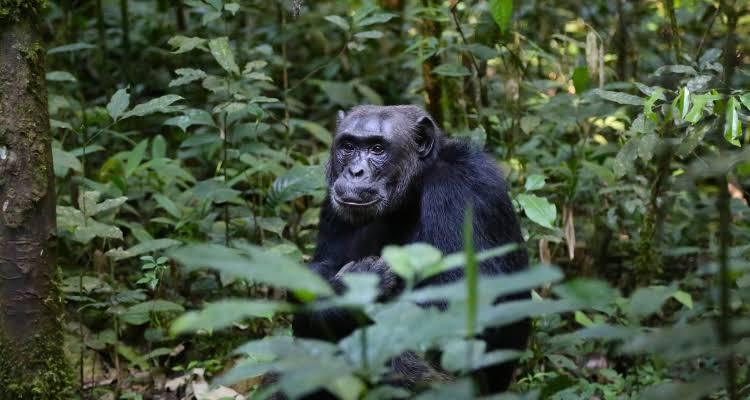
Kibale National Park. Widely known as the primate capital of the world, with one of the highest concentrations of primates in Africa, including habituated chimpanzee communities. Learn more on this Kibale Forest National Park overview or a short 3 days chimpanzee tour in Uganda. Our own gorilla and chimpanzee safari guide explains how to pair Kibale with Bwindi.
Queen Elizabeth National Park. Savannah, crater lakes, the Kazinga Channel boat cruise and the famous tree-climbing lions of Ishasha. Read more about Queen Elizabeth National Park or try a 3 days safari to Queen Elizabeth National Park.
Murchison Falls National Park. Uganda’s largest national park, where the Nile forces its way through a narrow gorge. Expect elephants, giraffes, lions, buffaloes and hippos. See the Murchison Falls National Park profile, a quick 3 days safari to Murchison Falls, or our guide to primate and wildlife safaris in Murchison Falls National Park, which covers chimpanzee tracking in Budongo Forest.
Lake Bunyonyi. A peaceful, terraced lake ideal for relaxing after a gorilla trek.
Kidepo Valley National Park. Remote, wild and spectacular, but far from everything. Best reached by air or as part of a longer trip such as our 8-day ultimate Uganda safari.
Jinja. The adventure capital at the source of the Nile, with rafting, kayaking and boat trips.
How to Choose a Reliable Driver or Car Hire Company in Uganda
Not all car hire services are equal. Here is a checklist to protect yourself when you book a driver.
Check registration and licensing. Ask whether the company is a registered tour operator and a member of recognised associations such as the Association of Uganda Tour Operators (AUTO) or the Uganda Safari Guides Association (USAGA). Licensed operators can also handle gorilla permits.
Read real reviews. Look at independent review platforms such as TripAdvisor or SafariBookings, not just the company’s own testimonials.
Ask about the vehicle. Request the make, model, year and photos. Confirm that it has a pop-up roof for game drives, working air conditioning, charging points, a first aid kit and a spare tyre.
Ask about the driver. How many years of experience? Do they hold a guiding certification? Which languages do they speak? Have they driven your exact route before?
Get the price breakdown in writing. Does the daily rate include fuel, the driver’s meals and accommodation, insurance, and park vehicle entry fees?
Clarify what happens in a breakdown. A good company will promise a replacement vehicle within a reasonable time.
Avoid permit scams. Never pay for a gorilla permit to an individual who cannot show official company details. Ask for a scanned copy of your permit once issued.
Use secure payment methods. Bank transfer to a company account or card payment with a receipt is safest.
At Kenlink Tours, our reservation, technical and guide teams are on hand from your first enquiry right through to your arrival in Africa, and our 4×4 vehicles come with experienced driver-guides. You can see examples of how we operate in our 7 days primate and Big Five safari in Uganda.
Safety Tips for Independent Travellers in Uganda
Uganda is a welcoming country, and most visitors travel without problems. Still, a few sensible precautions help.
- Avoid driving at night. Poor lighting, unmarked hazards and animals on the road make night driving risky. Plan to arrive before dark.
- Respect speed limits. Speed limits are typically 50 km/h in urban areas and 80 km/h on open roads. Police checkpoints are common.
- Keep valuables discreet. As in any busy city, use common sense in Kampala.
- Follow park rules. Stay in the vehicle during game drives unless your guide says otherwise, keep your distance from animals, and follow ranger instructions on treks.
- Stay healthy. Take malaria prevention seriously, drink bottled or treated water, and carry a basic medical kit.
- Get travel insurance. Ensure it covers medical evacuation and the activities you plan, such as trekking or white-water rafting.
- Keep emergency contacts handy. Your driver, your car hire company, your lodge and your embassy.
A professional driver-guide adds a valuable layer of safety, because they understand local conditions and know how to respond to unexpected situations.
Common Mistakes When Booking a Uganda Tour Yourself
We regularly help travellers who tried to plan everything themselves and ran into avoidable issues. Here are the most common ones.
Booking flights before securing gorilla permits. Permits can sell out for peak dates. Always confirm them first.
Choosing the wrong Bwindi sector. Booking a lodge in Buhoma when your permit is for Rushaga can mean an extra 3 to 5 hours of driving at dawn. Some travellers even miss their trek.
Underestimating driving times. Squeezing Murchison, Kibale, Queen Elizabeth and Bwindi into five days leaves you exhausted and spending most of your trip in the car.
Hiring a saloon car for park visits. Saloon cars cannot handle many park tracks, especially in the rainy season.
Not asking what the daily rate includes. Fuel alone can add a significant amount over a long trip.
Forgetting about park vehicle fees. Some parks charge entry fees for vehicles as well as people.
Skipping travel insurance. Medical evacuation from remote parks can be very costly.
Not leaving buffer days. A rest day helps you recover and gives you flexibility if something goes wrong.
Is It Cheaper to Book Everything Yourself?
Sometimes, but not always. Here is a fair comparison.
Where you can save by booking yourself: – Choosing budget guesthouses and community lodges. – Skipping activities you do not care about. – Travelling in the low season. – Sharing a vehicle with friends or other travellers.
Where a local operator often saves you money: – Lodge rates: Operators often get trade or contracted rates that are lower than direct rack rates. – Vehicle and driver: Included in packages at competitive rates. – Time: Efficient routes mean fewer nights on the road and fewer wasted days. – Avoiding costly mistakes: A missed gorilla trek is far more expensive than any operator fee.
For many travellers, the most cost-effective approach is to compare a self-planned budget with a quote for a tailor-made package covering the same route. In our experience, the difference is often modest, and the package includes coordination, support and peace of mind. Our breakdown of gorilla trekking safari costs for 2026 is a useful reference when you compare quotes.
When It Makes Sense to Let a Local Operator Handle It
Planning yourself is rewarding, but some trips really benefit from a local team.
You are visiting Uganda for the first time. A well-designed itinerary helps you see the best of the country without wasting days.
Gorillas are your top priority. Since foreign non-residents must book permits through a licensed operator anyway, it often makes sense to let the same operator coordinate lodges and transport around the permit.
You are short on time. A one-week trip needs precise planning to fit gorillas, chimps and big game together.
You are travelling as a family or group. Coordinating vehicles, room types and activity ages is easier with professional help.
You want luxury. High-end lodges, private guides and fly-in options are best arranged by specialists. See our guide to planning a luxury gorilla safari in Uganda.
You want cultural depth. Community visits, local guides and cultural experiences are easier to arrange through people with local relationships. Our guide to the best safaris in Western Uganda with cultural tours shows what is possible.
The Hybrid Approach: Plan Your Way, Book Local Support
You do not have to choose between total independence and a rigid package. The hybrid approach gives you the best of both:
- You design the trip. Decide which parks, how many nights, and what pace suits you.
- A local operator secures your permits. Gorilla and chimpanzee permits are confirmed for your exact dates and sectors.
- You get a car with a professional driver-guide. Flexible, safe and knowledgeable.
- You choose your lodges. Either book them yourself or ask the operator to book them at contracted rates.
- You keep flexibility on the ground. Want an extra afternoon at Lake Bunyonyi? Just tell your driver.
This is exactly how many of our guests travel. They send us their wish list, we suggest an efficient route and confirm the permits, and they travel with a dedicated driver-guide who adapts to them. If you love wildlife and primates equally, our article on chimpanzees, big cats and more in Uganda is a great place to start shaping your wish list.
What to Expect on the Road With Your Driver-Guide
If you have never travelled with a driver-guide before, here is what a typical day looks like.
Morning. Your driver meets you at breakfast with a plan for the day. On game drive days, you will often leave early, around 6:30 am, when animals are most active.
On the road. Expect stops at the Equator crossing, local markets, viewpoints and roadside fruit stalls. Your driver will explain what you see: tea plantations, banana farms, crater lakes and village life.
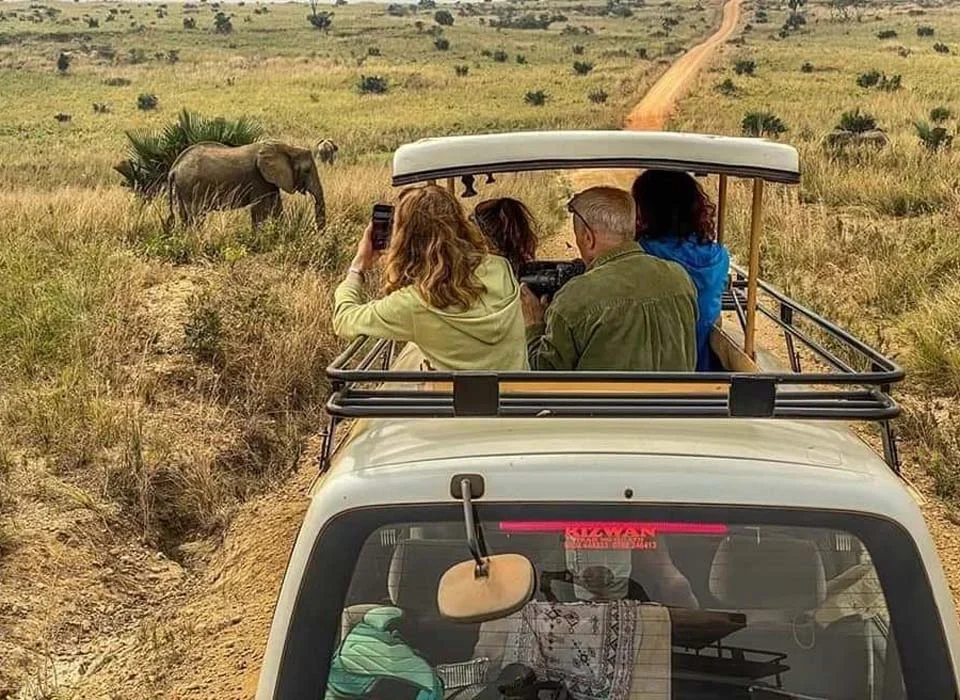
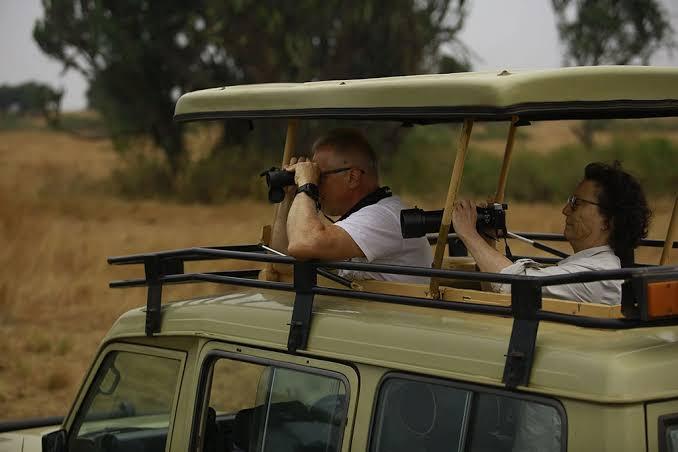
In the parks. Your driver-guide opens the pop-up roof for game viewing, tracks animal movements, and positions the vehicle for photos while following park rules.
At the lodge. Your driver stays in drivers’ quarters, rests, and checks the vehicle for the next day.
Communication. Most drivers carry a local mobile phone and are happy to share their WhatsApp number so you can coordinate times.
Tipping. At the end of the trip, a tip of around USD 10–20 per day for a good driver-guide is customary and appreciated, though always at your discretion.
Many guests tell us their driver-guide became the highlight of their trip, a friend who opened a window into Ugandan life.
Best Time to Book a Self-Planned Uganda Trip
When to travel: – June to September: Dry, popular and excellent for gorilla trekking and game viewing. Book permits well in advance. – December to February: Another dry window, great for wildlife and trekking. – March to May and October to November: Wetter, greener and quieter. Gorilla permits are discounted in April, May and November, and lodges may offer lower rates.
When to book: – Gorilla permits: 3 to 6 months ahead for peak months; even earlier for July, August and the December holidays. – Driver and vehicle: Once your permits and dates are confirmed. – Lodges: Immediately after permits, especially near Bwindi and Murchison. – Flights: After permits are confirmed.
Sample Budget for a 7-Day Self-Planned Trip With a Driver
To make this practical, here is an indicative budget for two people travelling mid-range on a western Uganda circuit (Kibale, Queen Elizabeth, Bwindi, Lake Bunyonyi). Figures are approximate and per trip, not per person, unless stated.
| Cost Item | Approx. Cost (USD) |
|---|---|
| 4×4 Land Cruiser with driver-guide, 7 days | 1,000 – 1,500 |
| Fuel (if not included) | 300 – 500 |
| Gorilla permits (2 × 800) | 1,600 |
| Chimpanzee permits in Kibale (2 people) | 500 – 600 |
| Park entry fees | 300 – 500 |
| Mid-range lodges, full board (6 nights) | 1,800 – 3,000 |
| Boat cruise, nature walks, extras | 150 – 300 |
| Driver tip | 70 – 140 |
| Estimated total for two people | 5,700 – 8,100 |
That works out at roughly USD 2,850 to 4,050 per person, before flights and visas. A tailor-made package for the same route may land in a similar range, which is why getting a quote is always worthwhile. For a ready-made version of this route, see our 7 days gorilla, chimps tracking and game safari.
Responsible Travel: Making Your Trip Count
Whether you plan your own trip or book with a company, you can make a positive impact.
- Hire local. Choosing a Ugandan driver and a Ugandan-owned company keeps tourism income in the country.
- Respect wildlife. Follow gorilla trekking rules, keep your distance and never feed animals.
- Support communities. Buy crafts directly from local artisans and join community-run walks, such as the Bigodi Wetland Sanctuary walk near Kibale.
- Reduce waste. Carry a reusable water bottle and avoid single-use plastics.
- Tip fairly. Porters, rangers and drivers rely on tips as a meaningful part of their income.
At Kenlink Tours, a portion of our profits supports local communities, including orphaned children in Kisoro district, so every trip helps more than just the traveller.
Frequently Asked Questions
Can I book a tour in Uganda myself? Yes. You can book flights, visas, lodges, a car and driver, and many park activities yourself. The main exception is gorilla permits, which foreign non-residents must book through a licensed Ugandan tour operator.
Can I hire a driver in Uganda without booking a full tour? Absolutely. Many companies offer a car with a driver-guide by the day. You decide the route and pace.
How much does a driver cost per day in Uganda? The driver’s fee alone is typically around USD 30–60 per day, while a 4×4 safari vehicle with a driver usually ranges from about USD 120–220 per day, depending on the vehicle and what is included.
Is it safe to self-drive in Uganda? Self-drive is possible for experienced drivers, but long distances, rough park roads, left-hand traffic and night-driving risks mean most first-time visitors are better off with a professional driver-guide.
Can I buy a gorilla permit directly from UWA? Foreign non-residents are currently required to book through licensed Ugandan tour operators, who purchase the permit from UWA on your behalf.
Do drivers in Uganda speak English? Yes. English is an official language and professional driver-guides speak it fluently. Some companies can also arrange French, German or other language-speaking guides on request.
Where does my driver sleep? Most safari lodges have drivers’ quarters. Confirm with your car hire company whether this is included in the daily rate.
Can I start my Uganda tour in Rwanda? Yes. Kigali is only about four to five hours from Bwindi’s southern sectors, making it a popular starting point for gorilla trips.
How many days do I need for a Uganda trip? For gorillas only, 3 days is enough. For gorillas and chimps, plan 5 to 7 days. For a full circuit including Murchison Falls, 10 to 14 days is ideal.
What is the best vehicle for a Uganda safari? A 4×4 Toyota Land Cruiser with a pop-up roof is the gold standard for game drives and rough roads.
You Can Do It Yourself, and You Do Not Have to Do It Alone
So, can you book a tour in Uganda yourself and hire a driver? Absolutely. Uganda welcomes independent travellers, and hiring a car with a professional driver-guide is one of the best ways to explore it. You get freedom, local knowledge, safety and the chance to experience the country at your own pace.
Just remember the golden rules: secure your gorilla permits first through a licensed operator, plan realistic driving times, choose a reliable 4×4 with an experienced driver, and confirm every detail in writing.
If you would like a hand, the team at Kenlink Tours is happy to help in whatever way suits you, whether that is a car with a driver, permits only, or a fully tailor-made journey through the Pearl of Africa. Explore our Uganda gorilla and golden monkey safari, our 8-day ultimate Uganda safari, or simply visit Kenlink Tours to start planning.
Ready to plan your Uganda adventure? Contact Kenlink Tours today by email at info@kenlinktours.com or on WhatsApp at +256 789 210 067, and let our team help you build the trip you have been dreaming of.