- EXPERT'S HELP
- +256789210067
- +256200955001
- info@kenlinktours.com


Uganda Celebrates World Tourism Day in Mbale
September 27, 2026
How many days do i need to Murchison Falls Tour
September 27, 2026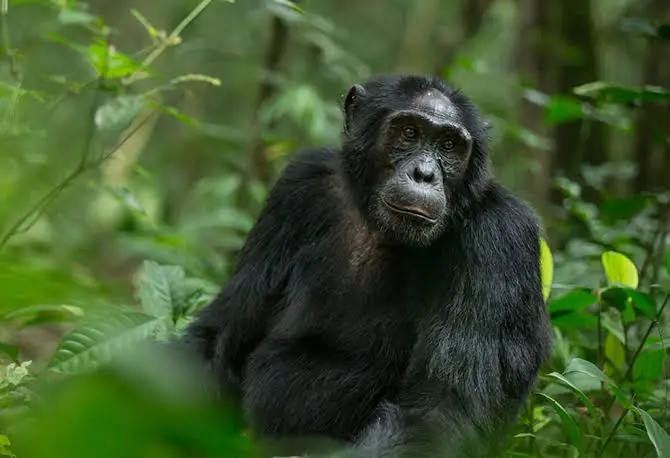
Booking a Chimpanzee Permit in Uganda. Few moments in the African wild are as thrilling as hearing a chimpanzee community erupt into pant-hoots deep in the forest, then watching them swing, feed, groom and squabble just meters away. Chimpanzees share about 98% of our DNA, and spending time with them is one of the most fascinating wildlife encounters in the world. Uganda is one of the best places on Earth to have that experience, and it all begins with a chimpanzee permit.
Chimpanzee permits are limited, prices vary between parks, and the most popular dates sell out months in advance. Knowing where to track, what to pay, how to book and what to expect will save you money and disappointment.
This guide covers everything you need to know about booking a chimpanzee permit in Uganda: the best tracking destinations, current permit prices, the difference between chimpanzee tracking and the Chimpanzee Habituation Experience, the step-by-step booking process, payment and cancellation rules, and practical tips for the day itself. At Kenlink Tours, we book chimpanzee permits for travellers every week, and we have put everything we have learned into this guide.
What Is a Chimpanzee Permit?
A chimpanzee permit is an official pass that allows you to join a guided trek to visit a habituated chimpanzee community on a specific date and at a specific time. In national parks such as Kibale Forest and Queen Elizabeth, permits are issued by the Uganda Wildlife Authority (UWA). In some forest reserves, such as Budongo and Kalinzu, chimpanzee tracking is managed with the National Forestry Authority and local conservation partners.
Your permit pays for the guided walk with an experienced ranger, entry to the tracking area, and around one hour with the chimpanzees once they are found. It does not include transport, accommodation, meals or tips. These are arranged separately or bundled into a safari package.
Group sizes are kept small, usually around six to eight visitors per group, to reduce stress on the chimpanzees and limit the risk of passing on human diseases. That limit is why permits for the most popular sites are in such high demand.
Why Uganda Is Africa’s Top Chimpanzee Destination
Uganda is home to around 5,000 wild chimpanzees spread across its forests, and it offers more chimpanzee tracking options than almost any other country. The crown jewel is Kibale Forest National Park, which protects one of the largest and most studied chimpanzee populations in Africa, with success rates for sightings among the highest anywhere.
Uganda also makes it easy to combine chimpanzees with other highlights. Kibale sits between Queen Elizabeth National Park and Murchison Falls, and it is on the natural route to Bwindi for mountain gorillas. That means a single trip can include chimps, gorillas, tree-climbing lions and boat safaris. Our guide to combining Bwindi for gorillas and Kibale for chimps shows how this works in practice. Pick and Transfer Safaris also has a useful overview of primate tracking safaris in Uganda.
Where Can You Track Chimpanzees in Uganda?
Before you book a permit, you need to decide where you want to track. Each destination has its own character, price and level of difficulty.
Kibale Forest National Park: Known as the primate capital of the world, Kibale is home to around 1,500 chimpanzees and 13 primate species, including red colobus, L’Hoest’s monkeys and grey-cheeked mangabeys. Treks start from the Kanyanchu visitor centre, and sighting success rates are consistently above 90%. Kibale is the only place in Uganda offering the full-day Chimpanzee Habituation Experience. Read our full guide to Kibale Forest National Park, or see Pick and Transfer Safaris’ Kibale Forest National Park destination page.
Budongo Forest (Murchison Falls Conservation Area): Budongo is a huge mahogany forest on the southern edge of Murchison Falls National Park. Its Kaniyo Pabidi and Busingiro sites offer rewarding chimpanzee treks, and it pairs perfectly with a Murchison Falls safari. Learn more in our article on the Budongo Central Forest Reserve.
Kyambura Gorge (Queen Elizabeth National Park): Nicknamed the “Valley of Apes”, Kyambura is a dramatic forested gorge cut into the savannah of Queen Elizabeth National Park. Its small chimpanzee community is harder to find, but the setting is spectacular. See our guide to Kyambura Gorge chimpanzee tracking.
Kalinzu Forest Reserve: Located near Queen Elizabeth National Park on the way to Bwindi, Kalinzu offers affordable chimpanzee tracking with good success rates. It is an excellent budget alternative to Kibale. Read about Kalinzu Forest chimpanzee tracking.
Other options: Chimpanzees can also be tracked or seen in places such as Toro-Semliki Wildlife Reserve and Bugoma Forest, although these are visited far less often.
For a side-by-side comparison, Pick and Transfer Safaris has written about the best places for chimpanzee tracking in Uganda.
Chimpanzee Permit Prices in Uganda for 2026/2027
Permit prices depend on the location and your residency category. The most widely published current rates for foreign non-residents are:
- Kibale Forest National Park, chimpanzee tracking: about USD 250 per person
- Kibale Forest National Park, Chimpanzee Habituation Experience (CHEX): a higher rate, commonly quoted from about USD 300 upwards
- Budongo Forest: about USD 130 per person
- Kyambura Gorge, Queen Elizabeth National Park: commonly quoted from about USD 100 per person
- Kalinzu Forest Reserve: generally one of the most affordable options
Foreign residents living in East Africa pay a reduced rate, and East African citizens pay a local rate in Uganda shillings. In recent years, UWA has also offered discounted low-season rates for some primate permits, typically in April, May and November, and reports suggest further price changes for Kibale from 2027.
Permit tariffs change from time to time, so always ask your operator to confirm the exact current price before paying. At Kenlink Tours, we show permit costs separately in every quote so you know exactly what you are paying for.
Chimpanzee Tracking vs the Chimpanzee Habituation Experience
When booking, you will need to choose between two very different experiences.
Chimpanzee tracking is the classic option. You join a small group led by a ranger, walk through the forest until you find the chimpanzees, and spend about one hour watching them. The whole outing usually takes two to four hours. It is ideal for most travellers and fits easily into a busy itinerary.
The Chimpanzee Habituation Experience (CHEX) is a full-day adventure in Kibale. You join researchers and trackers as they follow a chimpanzee community that is still getting used to humans, often from the moment the chimps leave their nests at dawn until they build new nests in the evening. You see behaviour that short treks rarely capture, such as nest-building, hunting and complex social interactions. It is more demanding, more expensive and available to very few people each day, so it must be booked well in advance.
Our guide to chimpanzee tracking vs the habituation experience in Uganda compares the two in detail, and our page on the Chimpanzee Habituation Experience in Kibale National Park explains what a full day looks like.
Who Issues Chimpanzee Permits in Uganda?
For national parks such as Kibale and Queen Elizabeth, the Uganda Wildlife Authority is the only body that issues chimpanzee permits. For forest reserves such as Budongo and Kalinzu, tracking is managed with the National Forestry Authority and its conservation partners.
This matters because the permit fee is paid to these authorities, and their rules on refunds and rescheduling apply. A genuine permit is always linked to an official booking in your name. Be cautious of unknown websites or individuals offering cheap permits, and book only through licensed operators who give you written confirmation.
Can You Book a Chimpanzee Permit Yourself?
UWA has moved much of its reservation process online and increasingly works through licensed Ugandan tour operators, who can check live availability, pay locally and handle the paperwork. For international travellers, booking through a licensed operator is by far the easiest and safest option.
When you book a full safari, most operators include the permit at no extra fee. If you only want a permit, some operators charge a small service fee. Either way, an operator can match your permit date and time with the right lodge and transport, which is essential because Uganda’s parks are far apart. You can see how we handle this on our Uganda safari bookings page.
Step-by-Step: How to Book a Chimpanzee Permit in Uganda
Here is the booking process we follow with every guest at Kenlink Tours.
Step 1: Choose your destination. Decide between Kibale, Budongo, Kyambura, Kalinzu or another site, based on your budget, route and how important a high sighting success rate is to you.
Step 2: Choose your experience. Standard tracking or the full-day Chimpanzee Habituation Experience.
Step 3: Pick your date and session. In Kibale, tracking usually runs in a morning session and an afternoon session. Morning treks are the most popular because chimps are often more active and vocal early in the day. Our article on morning vs afternoon chimpanzee tracking in Kibale Forest helps you decide.
Step 4: Send your details to a licensed operator. You will need the full name of each trekker exactly as in their passport, nationality, passport number, residency status, date of birth, preferred date and session, and number of permits.
Step 5: Availability check. Your operator checks the booking system and confirms what is available. If your first choice is full, they will suggest another session, date or site.
Step 6: Pay in full. Primate permits now generally need to be paid in full at booking to be secured, and temporary holds are no longer the norm. Your operator will explain the payment options.
Step 7: Receive confirmation. Once payment is processed, you receive written confirmation with your name, date, session and location. Keep a digital and printed copy.
Step 8: Build the rest of your trip. Book lodges near your tracking site, arrange transport and add other activities.
How Far in Advance Should You Book?
- Peak season (June–September and December–February): Book Kibale permits three to six months ahead, and the Chimpanzee Habituation Experience as early as possible.
- Low season (March–May and October–November): One to two months ahead is often enough, and last-minute permits are sometimes available.
- Budongo, Kyambura and Kalinzu: These are usually easier to book at short notice, but it is still wise to reserve early if your dates are fixed.
If you are also trekking gorillas, book the gorilla permit first because it is the scarcer of the two, then schedule your chimpanzee permit around it. Our guide on how to book a gorilla trekking permit in Uganda explains that process, and Pick and Transfer Safaris covers how to buy a gorilla permit in Uganda.
Payment, Cancellation and Rescheduling Rules
Because permit fees are paid to government and conservation authorities, their policies apply rather than the tour company’s. Keep these points in mind:
- Full payment secures your permit. Until it is paid, it is not guaranteed.
- Refunds are limited and tiered. The earlier you cancel, the more you may recover. Cancellations close to the tracking date usually receive little or no refund.
- Discounted low-season permits may have stricter rules, including limits on rescheduling.
- Names must match passports exactly. Double-check spelling before you pay.
- Get everything in writing. Ask your operator to confirm the current cancellation terms before payment.
Travel insurance that covers cancellation is strongly recommended, especially if you are booking several permits.
Minimum Age and Health Rules
- The minimum age for chimpanzee tracking in Uganda’s national parks is generally 12 years. Some sites apply stricter limits for the habituation experience, so check at booking.
- Do not track if you have a cold, flu, cough or any contagious illness. Chimpanzees are highly vulnerable to human diseases.
- Rangers may ask visitors to wear a face mask near the chimpanzees.
- Keep a safe distance, usually at least eight metres, and follow your ranger’s instructions at all times.
- A Yellow Fever vaccination certificate is required to enter Uganda.
Curious about safety? Our article Are chimpanzees dangerous? explains why tracking with trained rangers is safe when you follow the rules.
What to Expect on Chimpanzee Tracking Day
Your day begins with a briefing at the visitor centre, where rangers explain the rules, introduce the chimpanzee community and divide visitors into small groups. You then walk into the forest behind your ranger, who listens for calls and looks for fresh signs such as feeding remains and knuckle prints.
Chimpanzees move quickly and often spend time high in fig trees, so the walk can involve uneven ground, roots, mud and sudden changes of direction. Once the group is found, you spend about one hour watching them feed, groom, play and call. Some treks are short and easy, while others take longer as the community moves through the forest.
Our guide on how difficult chimpanzee tracking is in Uganda explains what fitness level you need. For fun facts to share around the campfire afterwards, read our interesting facts about chimpanzees.
What to Pack for Chimpanzee Tracking
- Sturdy, waterproof walking boots with good grip
- Long trousers and long-sleeved shirts in neutral colours
- A light rain jacket
- Insect repellent
- A small daypack with drinking water and snacks
- A camera with a good zoom lens (flash is not allowed)
- Binoculars for spotting chimps high in the canopy
- Gardening gloves for grabbing branches
- A face mask, if requested by rangers
- Your passport and permit confirmation
For a more detailed checklist, see our article on what to pack for chimpanzee trekking.
Best Time for Chimpanzee Tracking in Uganda
Chimpanzee tracking runs all year round. The dry seasons (June to September and December to February) bring firmer trails and more comfortable walking, but also the highest demand for permits. The wet seasons (March to May and October to November) bring lush forests, fewer visitors and, at times, discounted permits and lodge rates, although trails can be slippery.
Chimpanzees often gather around fruiting trees, and their movements vary through the year. Whatever the season, booking a morning session gives you the best chance of seeing them at their most active.
How Much Does a Chimpanzee Safari Cost in Total?
The permit is only part of the budget. When planning your trip, also allow for:
- Transport: a private 4×4 with a driver-guide, or domestic flights to nearby airstrips
- Accommodation: from budget guesthouses to luxury crater-lake lodges near Kibale
- Meals and drinking water
- Tips for rangers and your driver-guide
- Visas: the East Africa Tourist Visa (USD 100) covers Uganda, Rwanda and Kenya
- Travel insurance
A short chimpanzee safari to Kibale typically costs from a few hundred dollars per person on a budget to several thousand for luxury lodges, depending on the number of days, group size and season. Our 3 Days Chimp Tracking Safari to Kibale National Park is a popular short option. Pick and Transfer Safaris offers a similar 3 Days Chimpanzee Tour in Uganda.
Where to Stay When Tracking Chimpanzees
Because tracking starts early, it is best to stay close to your tracking site.
Near Kibale: Lodges around the Kanyanchu area, Bigodi and the Fort Portal crater lakes offer everything from simple bandas to luxury lodges with stunning lake views.
Near Budongo: Stay in or around Murchison Falls National Park, then track chimps before or after your game drives.
Near Kyambura and Kalinzu: Lodges in Queen Elizabeth National Park put you within easy reach of both sites. Pick and Transfer Safaris’ Queen Elizabeth National Park page covers what else the park offers, and our own guide to Queen Elizabeth National Park explains game drives, the Kazinga Channel and tree-climbing lions.
Combining Your Chimpanzee Permit With Other Experiences
A chimpanzee permit is a great anchor for a wider Uganda adventure:
- Gorilla trekking in Bwindi: Uganda’s two great-ape experiences in one trip
- Game drives and boat cruises in Queen Elizabeth National Park
- The Nile and the falls in Murchison Falls National Park. See our Murchison Falls National Park guide and Pick and Transfer Safaris’ Murchison Falls National Park page.
- The Bigodi Wetland walk near Kibale, excellent for birds and monkeys
- Crater lake hikes around Fort Portal
For combined itineraries, see Pick and Transfer Safaris’ 5 Day Uganda Gorilla and Chimpanzee Safari, their article on gorilla habituation and chimpanzee trekking in Uganda, and our epic 25-Day Wildlife, Gorilla, Chimps & Uganda Adventure. If you only have a few days, Pick and Transfer Safaris also lists short chimp tracking safaris in Uganda.
Booking a Chimpanzee Permit When Starting Your Trip in Kigali
Many travellers now fly into Kigali, Rwanda, to reach Uganda’s gorilla parks, and they often ask whether chimpanzee tracking still fits into the trip. It does. From Kigali, you can cross into Uganda at the Katuna or Cyanika border, trek gorillas in southern Bwindi, then continue north through Queen Elizabeth National Park to Kibale for chimpanzees. Kalinzu Forest and Kyambura Gorge also sit along this route, which makes them convenient options if Kibale permits are fully booked.
When starting in Kigali, plan your chimpanzee permit for the second half of the trip, after the gorilla trek. That order follows the natural road route north and avoids backtracking. You can then either return to Kigali or end your safari at Entebbe International Airport. Pick and Transfer Safaris offers a gorilla and chimp safari from Kigali built around exactly this route.
Uganda or Rwanda for Chimpanzee Tracking?
Rwanda also offers chimpanzee tracking, mainly in Nyungwe Forest National Park, where the setting is beautiful but the chimps are harder to follow on steep terrain. Uganda generally offers higher sighting success rates, more choice of sites and lower prices. Many travellers track chimps in Uganda and gorillas in either country.
If you plan to visit Rwanda too, read our guide to chimpanzee trekking in Nyungwe Forest National Park in Rwanda.
Chimpanzee Behaviour You May See on Your Trek
Part of the magic of chimpanzee tracking is that no two treks are the same. Chimpanzees live in large communities that split into smaller groups during the day, a pattern scientists call fission-fusion. Depending on the day, you might find a few adults feeding quietly in a fig tree, or a noisy crowd of dozens moving through the forest together.
Common behaviours include grooming, which strengthens social bonds, and loud pant-hoot calls that echo through the forest when groups meet or find food. You may see mothers carrying infants on their backs, juveniles wrestling and chasing each other, and adult males drumming on the buttress roots of large trees to show their strength. With luck, you might even witness tool use, such as chimps using sticks or leaves to reach food or water.
Chimpanzees are primarily fruit eaters, but they also eat leaves, seeds, insects and, occasionally, meat. Kibale’s chimpanzees are known to hunt red colobus monkeys, and the Chimpanzee Habituation Experience gives you the best chance to see this dramatic behaviour.
Booking Chimpanzee Permits for Families and Groups
Chimpanzee tracking is a wonderful family activity, provided every trekker meets the minimum age. Because tracking groups are small, larger families and groups may be split into two sessions or two groups on the same day. If you want everyone to trek together, tell your operator early so they can secure enough permits in one session.
For younger children who cannot track, Kibale and the surrounding area offer excellent alternatives. The Bigodi Wetland Sanctuary walk is gentle and full of birds and monkeys, and many lodges offer nature walks, crater lake visits and cultural experiences. This way, the whole family enjoys the day while older members track the chimps.
Groups of friends, students and photography clubs should also book as early as possible, particularly for morning sessions in Kibale, which are the first to fill up in peak season.
Tips for Photographing Chimpanzees
Photographing chimpanzees is rewarding but challenging. The forest is often dark, and the chimps can be high in the canopy or moving quickly on the ground.
- Use a camera with good low-light performance and a fast lens, or raise your ISO rather than using flash, which is not allowed.
- A zoom lens in the 70–300 mm range works well for chimps in trees, while a wider lens captures chimps on the ground in their forest setting.
- Switch off camera sounds, move slowly and stay quiet to avoid disturbing the group.
- Keep a microfibre cloth handy, because the forest is humid and lenses fog easily.
- Take time to put the camera down and simply watch. The hour passes quickly.
Common Mistakes When Booking Chimpanzee Permits
1. Booking too late for Kibale in peak season. Morning sessions and the habituation experience fill up first.
2. Booking a lodge too far away. Kibale treks start early. Staying hours away means a pre-dawn drive and a stressful morning.
3. Choosing a site only on price. Cheaper sites can be excellent, but success rates vary. Balance cost with your priorities.
4. Forgetting age limits. Families with children under 12 should plan alternative activities for younger members.
5. Buying from unlicensed sellers. Always insist on written confirmation of an official booking.
6. Scheduling chimps before securing gorillas. If you want both, secure the gorilla permit first.
How Your Chimpanzee Permit Supports Conservation
Chimpanzees are endangered, threatened by habitat loss, poaching and disease. Your permit fee funds ranger patrols, research, forest protection and community projects around the parks. When local communities benefit from tourism, they have a strong reason to protect the forests and the chimpanzees that live there.
By booking a legitimate permit, respecting the rules, and supporting local guides and businesses, you become part of Uganda’s conservation success story.
Why Book Your Chimpanzee Permit With Kenlink Tours?
- Licensed and experienced: We book chimpanzee and gorilla permits every week.
- Live availability checks across Kibale, Budongo, Kyambura and Kalinzu.
- Transparent pricing: Permit costs are shown separately, with no hidden fees.
- Smart planning: We match your permit session with the right lodge and route.
- Flexible trips: From one-day chimp treks to multi-week primate and wildlife safaris.
- 24/7 support before and during your trip.
Pick and Transfer Safaris also runs chimps tracking safaris in Uganda if you would like to compare itineraries.
Frequently Asked Questions
How much is a chimpanzee permit in Uganda?
Prices vary by location. Kibale chimpanzee tracking is about USD 250 for foreign non-residents, while Budongo, Kyambura and Kalinzu are cheaper. Always confirm the current rate at booking.
Where is the best place to track chimpanzees in Uganda?
Kibale Forest National Park, which has the largest habituated communities and the highest sighting success rates.
How long do you spend with the chimpanzees?
About one hour on a standard trek, or most of the day on the Chimpanzee Habituation Experience.
What is the minimum age for chimpanzee tracking?
Generally 12 years in Uganda’s national parks. Check with your operator for specific sites and the habituation experience.
Can I book a chimpanzee permit at the park?
It is not recommended. Permits are limited and should be booked and paid for in advance through the official system, usually via a licensed operator.
Is chimpanzee tracking difficult?
It requires moderate fitness. Treks can involve uneven, muddy trails and quick movement when chimps are on the move, but most healthy adults manage well.
Can I combine chimpanzee and gorilla trekking?
Yes. Kibale and Bwindi fit naturally into one itinerary. Book the gorilla permit first, then schedule chimps around it.
Book Your Uganda Chimpanzee Permit Today
Booking a chimpanzee permit in Uganda is straightforward when you know the steps. Choose your site and experience, pick your date and session, book through a licensed operator, pay in full, and get written confirmation. Then build the rest of your adventure around that date.
Whether you choose the classic one-hour trek in Kibale, a full day on the Chimpanzee Habituation Experience, or an affordable walk in Kalinzu or Budongo, your chimpanzee permit opens the door to an unforgettable encounter with one of our closest living relatives.
Ready to meet Uganda’s chimpanzees? Contact Kenlink Tours with your preferred dates and number of trekkers. We will check live availability and send you a tailor-made quote within hours.