- EXPERT'S HELP
- +256789210067
- +256200955001
- info@kenlinktours.com


Private Car hire from Kigali to Bwindi
September 28, 2026
Eastern Lowland Gorilla Trekking Safari in Kahuzi Biega NP
September 28, 2026
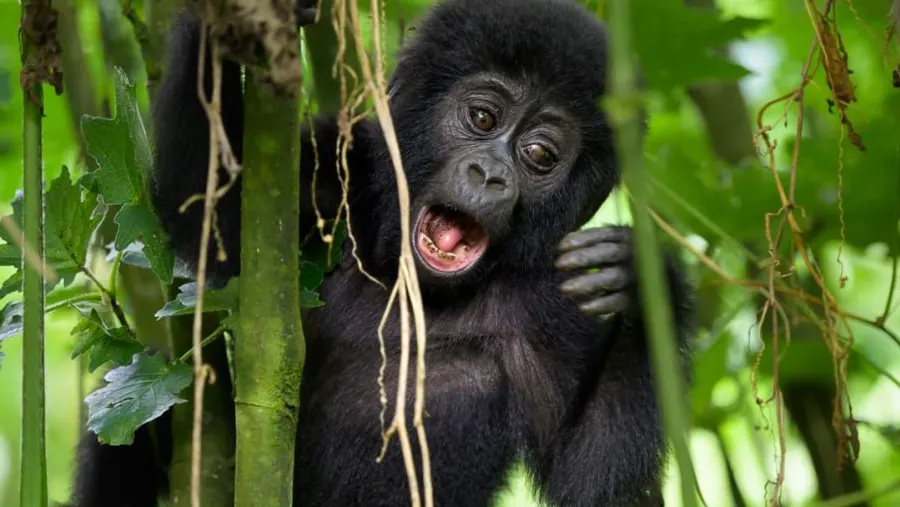
Choosing the Best Sector for Gorilla Trek in Bwindi. Bwindi Impenetrable National Park is home to roughly half of the world’s mountain gorillas, and it is one of the most rewarding places on Earth to see them in the wild. But when you come to book a gorilla permit, you quickly discover that Bwindi is not one single destination. It is divided into four trekking sectors, Buhoma, Ruhija, Rushaga and Nkuringo, each with its own gorilla families, landscapes, lodges, access routes and trekking conditions. Choosing the best sector for your gorilla trek in Bwindi can make a big difference to your travel time, your budget and your overall experience.
This guide compares all four sectors side by side and explains how to choose the right one based on where you are travelling from, your fitness, your interests, your budget and your wider itinerary. At Kenlink Tours, we help travellers choose the right sector every day, and this is the same practical advice we give our own guests.
Why the Sector Matters
Every Bwindi gorilla permit is issued for a specific sector and date. Once your permit is booked, your trek must start from that sector’s headquarters. This means your sector choice affects:
- Travel time: the sectors are several hours apart by road.
- Your gateway: some sectors are best reached from Kigali, others from Entebbe or Kampala.
- Accommodation: you need to stay near your sector’s headquarters.
- Trekking conditions: terrain, altitude and typical trek lengths vary.
- Extra activities: habituation, birdwatching and cultural experiences differ between sectors.
The gorilla encounter itself is equally magical in all four sectors: the same mountain gorillas, the same one-hour viewing time and the same ranger-led experience. The differences lie in everything around the trek. For an overview of the park, see our guide to Bwindi Impenetrable Forest National Park and Pick and Transfer Safaris’ Bwindi destination guide.
The Four Bwindi Sectors at a Glance
- Buhoma (north): the original sector, with the widest choice of lodges and community activities; best reached from Kampala, Entebbe or Queen Elizabeth National Park.
- Ruhija (east): the highest sector, cool and misty, excellent for birdwatching; reached via Kabale.
- Rushaga (south): the most habituated gorilla families and Uganda’s only gorilla habituation experience; closest to Kigali.
- Nkuringo (southwest): dramatic ridge-top views of the Virunga volcanoes; often the steepest treks.
Pick and Transfer Safaris offers a detailed comparison of Buhoma, Nkuringo, Rushaga and Ruhija gorilla trekking.
What Every Sector Has in Common
Before looking at the differences, it helps to know what stays the same across Bwindi:
- The same gorillas: all sectors protect mountain gorillas of the same population, habituated and monitored by the Uganda Wildlife Authority.
- The same rules: a minimum trekking age of 15 years, a maximum of eight visitors per family per day, and one hour with the gorillas.
- The same routine: an early briefing at around 8:00 a.m., a trek with rangers and trackers, and a certificate at the end.
- The same permit price for standard trekking.
- Porters and walking sticks available at every trailhead.
Whichever sector you choose, you will have the same extraordinary opportunity to spend time with a gorilla family in its natural home.
Buhoma Sector: The Classic Choice
Buhoma, in the northern part of Bwindi, is where gorilla tourism in Uganda began in the early 1990s. It remains one of the most popular sectors, with a well-developed tourism village, a wide range of lodges from budget to luxury, and plenty of activities beyond gorilla trekking.
Gorilla families: Buhoma is home to several habituated families, including the historic Mubare group, the first family habituated for tourism in Uganda, as well as groups such as Habinyanja, Rushegura and Katwe. Family composition changes over time, so the exact groups open to tourists may vary.
Terrain: Buhoma lies at a lower altitude than the other sectors, and treks can range from relatively gentle to challenging depending on the family’s location.
Beyond gorillas: the Buhoma community walk, waterfall trails, the Batwa cultural experience and nature walks in the forest.
Access: Buhoma is about 8 to 10 hours by road from Kampala or Entebbe, or a short drive from Kihihi airstrip after a domestic flight. From Kigali, it is about 6 to 7 hours via the Gatuna/Katuna border. It is also the most convenient sector for combining gorillas with the Ishasha sector of Queen Elizabeth National Park.
Best for: first-time visitors, travellers coming from Kampala or Entebbe, fly-in safaris, and those combining Bwindi with Queen Elizabeth.
See our guides to the Buhoma sector, gorilla trekking in Buhoma and Kihihi airstrip, and Pick and Transfer Safaris’ Kigali to Buhoma gorilla trek.
Ruhija Sector: High, Cool and Wild
Ruhija, in the east of Bwindi, is the highest trekking sector, set at around 2,300 metres. The air is cool, the forest is often wrapped in mist, and the atmosphere is quieter and more remote than in Buhoma.
Gorilla families: Ruhija has several habituated families, among them groups such as Bitukura, Oruzogo, Kyaguriro and Rukara.
Terrain: treks can involve steep ascents and descents through dense montane forest. The altitude makes the trek feel more demanding for some visitors.
Beyond gorillas: Ruhija is one of the best places in Uganda for birdwatching, especially the trail to the Mubwindi Swamp, where birders look for Albertine Rift endemics and the elusive African green broadbill.
Access: about 5 to 6 hours from Kigali via the Gatuna/Katuna border and Kabale, and about 8 to 9 hours from Kampala. It is convenient for combining with Lake Bunyonyi.
Best for: birders, travellers who enjoy quiet and cool mountain forests, and those combining gorillas with Lake Bunyonyi.
See our guides to gorilla trekking in Ruhija, the Rukara gorilla family and birdwatching in Bwindi.
Rushaga Sector: The Most Gorilla Families
Rushaga, in southern Bwindi, has the largest number of habituated gorilla families in the park. This makes it the easiest sector in which to find permits, particularly during the busy dry seasons, and gives rangers more flexibility to match visitors with a family suited to their fitness.
Gorilla families: families such as Nshongi, Mishaya, Kahungye, Busingye and Bweza, with additional groups opened as habituation progresses.
Gorilla habituation experience: Rushaga is the only place in Uganda offering the four-hour habituation experience, in which you join researchers and trackers working with a family that is still being habituated. The permit costs USD 1,500 per person, and only a few are available each day.
Terrain: hilly and often steep, with treks ranging from short to long.
Beyond gorillas: Batwa cultural experiences, community walks, and easy access to Lake Mutanda, Kisoro and Mgahinga Gorilla National Park.
Access: about 4 to 5 hours from Kigali via the Cyanika border and Kisoro, or about an hour from Kisoro airstrip.
Best for: travellers starting in Kigali, those booking at short notice or in peak season, and anyone interested in the habituation experience.
See our guides to gorilla trekking in Rushaga, the gorilla habituation experience in Rushaga and our gorilla trek tour in Rushaga, and Pick and Transfer Safaris’ guides on why Rushaga is the only place for gorilla habituation and the Kigali to Rushaga gorilla trek.
Nkuringo Sector: Views and Adventure
Nkuringo, in the southwest of Bwindi, sits on a high ridge with sweeping views over the forest on one side and the Virunga volcanoes on the other. It is one of the most scenic sectors, but also one of the most physically demanding.
Gorilla families: the sector’s namesake Nkuringo family, along with other groups such as Christmas and Bushaho.
Terrain: treks often begin with a steep descent from the ridge into the forest, followed by a steep climb back up at the end of the day. Good fitness is an advantage.
Beyond gorillas: spectacular viewpoints, community walks, and easy access to Lake Mutanda and Kisoro.
Access: about 4 to 5 hours from Kigali via Cyanika and Kisoro, on a winding road that requires a good 4×4.
Best for: fit, adventurous travellers, photographers who love landscapes, and those who want a quieter sector with outstanding views.
See our guides to gorilla trekking in Nkuringo and Rushaga vs Nkuringo, and Pick and Transfer Safaris’ guides on choosing between Nkuringo and Rushaga and the Kigali to Nkuringo gorilla trek.
How to Choose: Where Are You Travelling From?
Your starting point is often the single most important factor in choosing a sector.
Starting in Kigali, Rwanda: choose Rushaga or Nkuringo. Both are about 4 to 5 hours away via the Cyanika border, much closer than from Entebbe. Ruhija is a good alternative via Gatuna/Katuna, especially if you want to visit Lake Bunyonyi. See our guides to the best Bwindi sector near Rwanda and transfers from Kigali to Bwindi.
Starting in Kampala or Entebbe by road: choose Buhoma or Ruhija, which are generally more convenient from the north and east. Rushaga and Nkuringo are also possible via Kabale and Kisoro but involve a longer drive. See our guide on how to get from Kampala to Bwindi.
Flying in from Entebbe: fly to Kihihi for Buhoma, or to Kisoro for Rushaga and Nkuringo. See our guide from Kisoro airport to Bwindi.
Coming from Queen Elizabeth National Park: Buhoma is the most convenient, via the Ishasha sector. See our guide to the best route from Queen Elizabeth to Bwindi.
Pick and Transfer Safaris also compares Kigali vs Entebbe for gorilla trekking.
How to Choose: Your Fitness Level
Gorilla trekking in Bwindi is moderately to very challenging in every sector, because the forest grows on steep hills and valleys. That said, some general patterns apply:
- Nkuringo is often considered the most demanding, with steep descents and climbs.
- Ruhija’s high altitude can make treks feel harder.
- Rushaga has many families, so rangers have more options to allocate an easier trek.
- Buhoma is at a lower altitude, and some families are reached with moderate hikes.
Remember that gorillas move every day, so no trek length can be guaranteed. Tell your guide in advance if you would prefer a shorter trek, hire a porter and take your time. See our guides on gorilla trekking duration and fitness and hiring a porter.
How to Choose: Permit Availability
Each gorilla family can be visited by only eight people per day, so sectors with more families have more permits. Rushaga has the most families and is usually the best option if you are booking late or travelling in the peak dry seasons. Buhoma and Ruhija also have several families, while Nkuringo has fewer. If your preferred sector is fully booked, a neighbouring sector is often a good alternative, for example Nkuringo instead of Rushaga, or Ruhija instead of Buhoma.
See our guide on which Bwindi sector has the most gorillas and our guide on how to book a gorilla permit in Uganda, as well as Pick and Transfer Safaris’ guide to booking a gorilla permit in Uganda.
How to Choose: Your Interests Beyond Gorillas
- Gorilla habituation: Rushaga only.
- Birdwatching: Ruhija, with the Mubwindi Swamp trail, is the top choice; Buhoma is also excellent.
- Scenery and photography: Nkuringo for volcano views; Ruhija for misty forest.
- Community and culture: Buhoma has the most developed community activities; the Batwa experience is available in several sectors. See our guide to the Batwa cultural experience near Bwindi.
- Lakes: Rushaga and Nkuringo are close to Lake Mutanda; Ruhija is closest to Lake Bunyonyi. See our guide to Lake Bunyonyi after a gorilla trek.
- Tree-climbing lions: Buhoma is best for continuing to Ishasha. Pick and Transfer Safaris offers a Queen Elizabeth safari after a gorilla trek.
- Golden monkeys: Rushaga and Nkuringo are closest to Mgahinga Gorilla National Park.
Travelling With Older Travellers or Limited Mobility
If you or someone in your group has limited fitness or mobility, sector choice becomes especially important. Rushaga, with its many families, gives rangers more flexibility to assign a family that is expected to be closer. Buhoma’s lower altitude can also make trekking feel easier. Nkuringo’s steep ridge and Ruhija’s high altitude are usually more demanding.
Bwindi also offers a sedan chair service in some sectors, in which a team of local porters carries visitors who cannot walk long distances. This must be arranged in advance and is paid separately. Tell your tour operator about any mobility needs when you book, so they can recommend the most suitable sector and arrange the right support.
How to Choose: Accommodation
All four sectors have accommodation, but the choice varies:
- Buhoma: the widest range, from budget bandas to some of Uganda’s most luxurious forest lodges.
- Ruhija: fewer but comfortable lodges, many with sweeping forest views.
- Rushaga: a growing range of budget, midrange and upmarket lodges.
- Nkuringo: a handful of lodges on the ridge, several with outstanding volcano views.
Always stay near your permit’s sector, as driving between sectors on trekking morning is not practical. See our guide to the best luxury lodges near Bwindi and Pick and Transfer Safaris’ best lodges near Rushaga.
How to Choose: Your Wider Itinerary
- Short trip from Kigali (2 to 3 days): Rushaga or Nkuringo.
- Gorillas plus Lake Bunyonyi: Ruhija or Rushaga.
- Gorillas plus golden monkeys in Mgahinga: Rushaga or Nkuringo.
- Gorillas plus Queen Elizabeth: Buhoma.
- Classic Uganda circuit from Entebbe: Buhoma or Ruhija, often combined with Kibale and Queen Elizabeth.
- Double gorilla trek: Rushaga and Nkuringo are close neighbours and easy to combine.
If you are still deciding between Bwindi and Mgahinga, see our guide to Mgahinga Gorilla National Park and Pick and Transfer Safaris’ comparison of Mgahinga vs Bwindi.
Combining Two Sectors for a Double Gorilla Trek
Many travellers find that one hour with the gorillas is not enough. A double gorilla trek, visiting two different families on two different days, lets you compare their behaviour and personalities and greatly increases your chance of great photos. The easiest combination is Rushaga and Nkuringo, which are close neighbours in southern Bwindi and can share the same lodge. Buhoma and Ruhija can also be combined, though the drive between them is longer.
Another popular option is to combine a standard trek in one sector with the habituation experience in Rushaga, or to trek in Bwindi and then in Mgahinga Gorilla National Park, just a short drive away.
Common Mistakes When Choosing a Sector
- Booking a sector far from your gateway: for example, Buhoma when flying into Kigali for a short trip, which adds hours of driving.
- Booking your lodge before your permit: you may end up far from your trekking sector.
- Underestimating the terrain: choosing Nkuringo without being prepared for a steep trek.
- Assuming you can switch sectors easily: permits are sector-specific and changes depend on availability.
- Planning to drive between sectors on trekking morning: distances are too great for a reliable early arrival.
- Booking too late in peak season: your preferred sector may be full.
Weather and Seasons Across the Sectors
All four sectors share Bwindi’s tropical rainforest climate, with rain possible at any time of year. The main dry seasons are June to September and December to February, when trails are easier and roads more reliable. The wet seasons, from March to May and October to November, bring lush scenery and fewer visitors, but muddier trails and roads. Ruhija, being the highest sector, is noticeably cooler, and mornings in all sectors can be chilly. See our guide to the climate and weather in Bwindi.
Packing Tips for Each Sector
The basic packing list is the same for every sector: waterproof hiking boots, long trousers, a long-sleeved shirt, a rain jacket, gardening gloves, a daypack, water and snacks. A few extras help in particular sectors:
- Ruhija: bring an extra warm layer, a hat and gloves for cold mornings at altitude, plus binoculars for birdwatching.
- Nkuringo: trekking poles and boots with excellent grip for the steep descent and climb.
- Rushaga: gaiters for muddy trails, and extra water and snacks if you are doing the four-hour habituation experience.
- Buhoma: insect repellent and lighter layers, as it can feel warmer at lower altitude.
Sector Choice for Photographers
Photographers often have specific priorities when choosing a sector. The habituation experience in Rushaga offers up to four hours with a gorilla family, giving far more time to work with changing light and behaviour. Nkuringo offers the most dramatic landscape photography, with the Virunga volcanoes rising above the forest. Ruhija’s mist and moss-draped trees create moody forest scenes, and its birdlife rewards patient wildlife photographers. Buhoma, with its community activities and waterfall trails, offers varied subjects beyond the gorillas.
Wherever you trek, remember that flash photography is not allowed, and the forest can be dark, so bring a camera that performs well in low light.
Permit Prices Are the Same in Every Sector
A standard gorilla trekking permit in Bwindi costs the same in all four sectors: USD 800 per person for foreign non-residents and USD 700 for foreign residents of East Africa, with lower rates for East African citizens. The gorilla habituation experience, available only in Rushaga, costs USD 1,500 per person. Because the permit price does not change, your choice should be based on access, fitness, availability, interests and itinerary. Always confirm current prices before booking.
Quick Decision Guide
- “I’m flying into Kigali and have only a few days.” Choose Rushaga.
- “I’m booking late in peak season.” Choose Rushaga.
- “I want the habituation experience.” Choose Rushaga.
- “I’m fit and want the best views.” Choose Nkuringo.
- “I love birds.” Choose Ruhija.
- “I’m combining gorillas with Queen Elizabeth.” Choose Buhoma.
- “I’m flying in from Entebbe.” Choose Buhoma (via Kihihi) or Rushaga/Nkuringo (via Kisoro).
- “I want Lake Bunyonyi after my trek.” Choose Ruhija or Rushaga.
Why Plan Your Gorilla Trek With Kenlink Tours?
- Expert advice on choosing the right Bwindi sector for your trip
- Gorilla and habituation permits secured through the Uganda Wildlife Authority
- Transfers from Kigali, Entebbe and Kampala to all four sectors
- Lodges for every budget close to your trekking sector
- Experienced driver-guides and comfortable 4×4 vehicles
- Clear, transparent pricing
See how our Uganda safari bookings work.
Frequently Asked Questions
Which is the best sector for gorilla trekking in Bwindi?
There is no single best sector. Rushaga is best for availability, access from Kigali and habituation; Buhoma for first-time visitors and Queen Elizabeth combinations; Ruhija for birding; and Nkuringo for views and adventure.
Which Bwindi sector has the most gorilla families?
Rushaga has the largest number of habituated gorilla families.
Which sector is closest to Kigali?
Rushaga and Nkuringo, both about 4 to 5 hours away via the Cyanika border.
Which sector is easiest for trekking?
No sector is guaranteed to be easy, but Buhoma and Rushaga often offer more moderate options. Nkuringo is usually the most demanding.
Do permit prices differ between sectors?
No. Standard permits cost the same in all four sectors.
Can I change sectors after booking my permit?
Permits are issued for a specific sector, and changes are subject to availability and Uganda Wildlife Authority rules. Choose carefully when you book.
Book Your Bwindi Gorilla Trek
Choosing the best sector for your gorilla trek in Bwindi is all about matching the park to your travel plans. Whether you choose Buhoma’s classic charm, Ruhija’s misty heights, Rushaga’s many gorilla families or Nkuringo’s breathtaking views, you will enjoy an unforgettable hour with one of the world’s most remarkable animals.
Need help deciding? Contact Kenlink Tours with your travel dates, starting point and interests, and we will recommend the ideal sector, secure your permits and plan the perfect gorilla trek for you.