- EXPERT'S HELP
- +256789210067
- +256200955001
- info@kenlinktours.com


How fit do you need to be for gorilla trekking in Bwindi?
May 14, 2026
Mgahinga vs Bwindi for gorilla trekking: which park is better?
May 14, 2026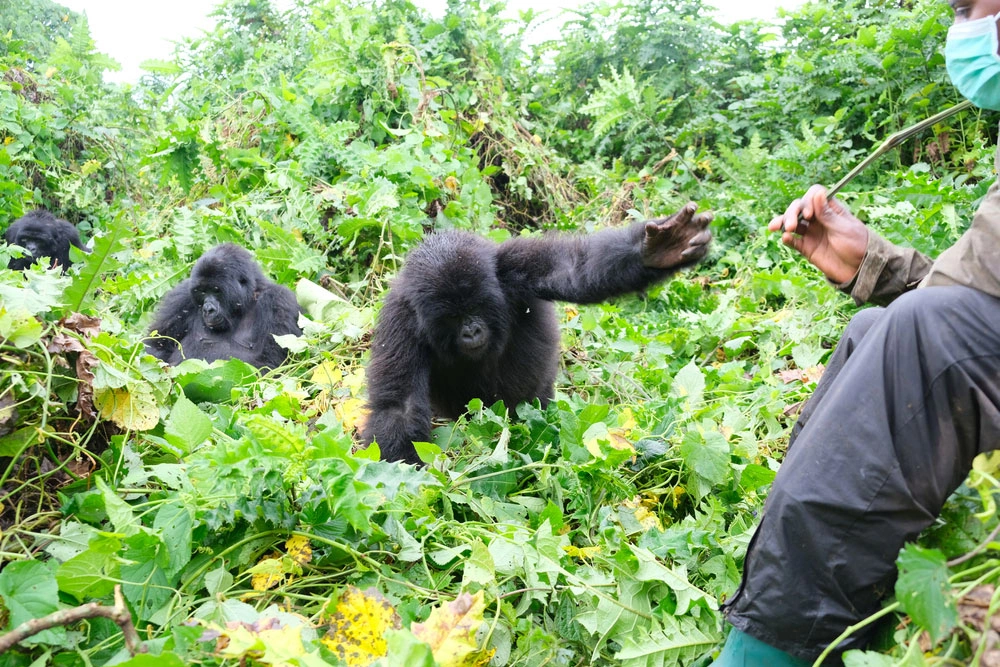
Gorilla habituation experience vs gorilla trekking. If you’re planning a primate safari in East Africa, you’ve likely come across two life-changing options: gorilla trekking and the gorilla habituation experience. While both activities bring you face-to-face with the magnificent mountain gorillas, they differ significantly in duration, cost, intimacy, and overall adventure. Understanding these differences is the key to choosing the experience that best suits your bucket list — and your budget.
At Kenlink Tours, we have been curating unforgettable gorilla safaris across Uganda and Rwanda since 2010, and we’re here to help you make the most informed decision possible.
What Is Gorilla Trekking?
Gorilla trekking is the classic, most widely available way to encounter wild mountain gorillas. Available in both Uganda and Rwanda, this activity involves hiking through dense montane forest with a small group of no more than eight visitors, guided by expert rangers and trackers. Once you locate a habituated gorilla family — one that has already been conditioned to the presence of humans — you are granted exactly one hour in their company.
That single hour is extraordinarily powerful. Watching a silverback move through the undergrowth, observing mothers nurse their young, or locking eyes with a juvenile gorilla are moments that stay with you for a lifetime. Gorilla trekking is available year-round, and the hike itself can take anywhere from 30 minutes to six hours, depending on where the gorillas have roamed that morning.
In Uganda, the prime destination is Bwindi Impenetrable National Park, home to roughly half of the world’s remaining mountain gorilla population, which the International Union for Conservation of Nature (IUCN) classifies as Endangered. Rwanda’s trekking happens in Volcanoes National Park, a dramatic landscape of bamboo and volcanic peaks.
Our 3-Day Uganda Gorillas Safari is one of the most popular ways to experience gorilla trekking with maximum efficiency, while our 7 Days Gorilla and Wildlife Safari pairs the gorilla encounter with game drives across Uganda’s iconic national parks.
What Is the Gorilla Habituation Experience?
The gorilla habituation experience (often called GITE) is a far more exclusive and immersive activity — and it is currently only available in Uganda, specifically in the Rushaga sector of Bwindi Impenetrable National Park. Rather than spending one hour with a fully habituated gorilla family, participants join a team of researchers and rangers working with a semi-habituated group — gorillas that are still being gradually conditioned to human presence over several years.
The defining difference: you spend up to four hours with the gorillas instead of just one.
This extended time means you witness natural gorilla behaviours in extraordinary depth — feeding, playing, nest-building, conflicts, and tender family interactions that a one-hour visit simply cannot capture. Because the gorillas are still being habituated, their reactions to human presence are more spontaneous and raw, making every moment genuinely unpredictable. You may see a silverback charge, then settle down to eat — a display of wild power followed by peaceful calm that leaves most travellers speechless.
The habituation permit is priced at USD 1,500 per person in Uganda, compared to USD 800 for a standard gorilla trekking permit — also in Uganda. Rwanda’s trekking permit stands at USD 1,500, which places it at the same price point as Uganda’s habituation experience, though the activities are very different in nature.
According to the Uganda Wildlife Authority (UWA), gorilla habituation groups are kept extremely small — a maximum of four visitors — making it one of the most exclusive wildlife encounters on earth.
Our 7-Day Wildlife & Primate Safari can be tailored to include the habituation experience, and for those who want to go deeper into Uganda’s primate world, our 25-Day Wildlife, Primate Uganda Adventure covers every major primate encounter the country has to offer.
Key Differences at a Glance
Understanding the contrast between these two experiences helps you match the activity to your travel priorities:
Time with the gorillas: Gorilla trekking gives you one hour; gorilla habituation gives you four. For serious wildlife photographers and researchers, those extra three hours are invaluable.
Group size: Trekking allows up to eight visitors per gorilla family per day. Habituation restricts the group to just four participants — an exceptionally intimate ratio.
Gorilla family type: Trekking takes you to fully habituated families that are calm and accustomed to humans. Habituation exposes you to semi-habituated families whose behaviour is more natural and unpredictable.
Location: Gorilla trekking is available in Uganda and Rwanda. The habituation experience is exclusively in Uganda’s Bwindi Impenetrable National Park.
Permit cost: Trekking costs USD 800 in Uganda and USD 1,500 in Rwanda. Habituation costs USD 1,500 in Uganda.
Physical demand: Both activities involve trekking through forest, but habituation days tend to be longer and more physically demanding given the extended forest time.
Which Experience Is Right for You?
Choose gorilla trekking if you are combining your primate encounter with a broader safari itinerary, have a tighter budget, or are visiting Rwanda and want the world-renowned Volcanoes National Park experience. Our 5-Day Gorillas & Wildlife Rwanda Safari and 4-Day Rwanda-Uganda Golden Monkey and Gorilla Trekking are excellent choices. For a cross-border adventure, our 10-Days Tour in Rwanda & Uganda combines gorilla trekking in both countries seamlessly.
Choose the gorilla habituation experience if you are a dedicated wildlife enthusiast, photographer, or conservationist who wants the deepest possible connection with gorillas. If you’re already investing in a longer Uganda safari — such as our 20-Day Wildlife and Nature Experience in Uganda — adding the habituation activity is a natural upgrade. It is also ideal for anyone inspired by the conservation science documented by organisations like the Dian Fossey Gorilla Fund, which has been instrumental in gorilla research and protection across Rwanda and the Democratic Republic of Congo.
What to Expect on the Day
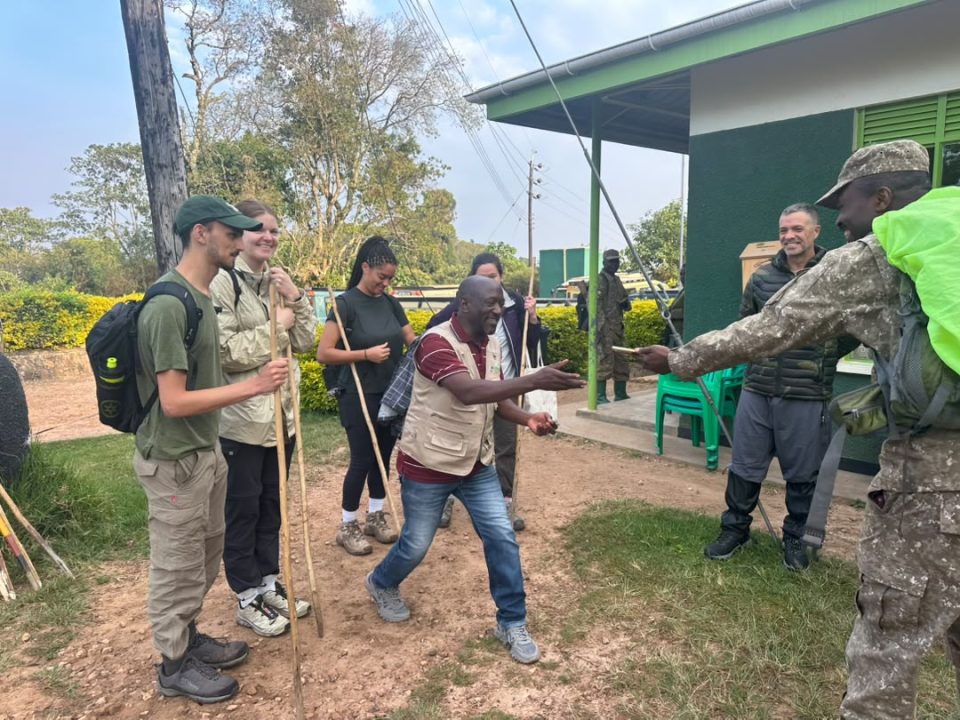
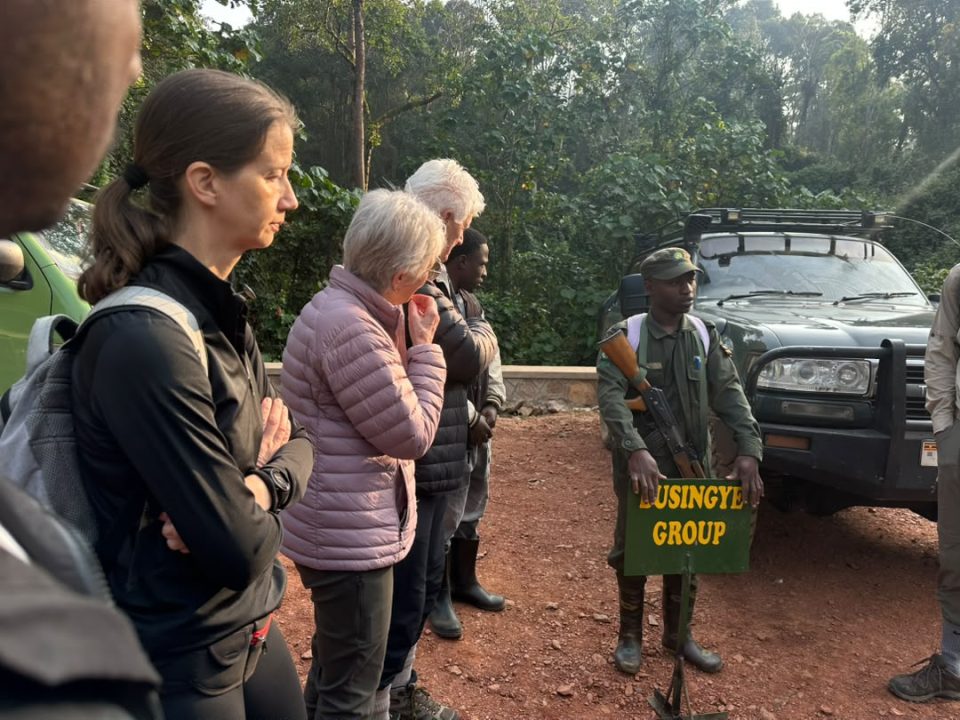
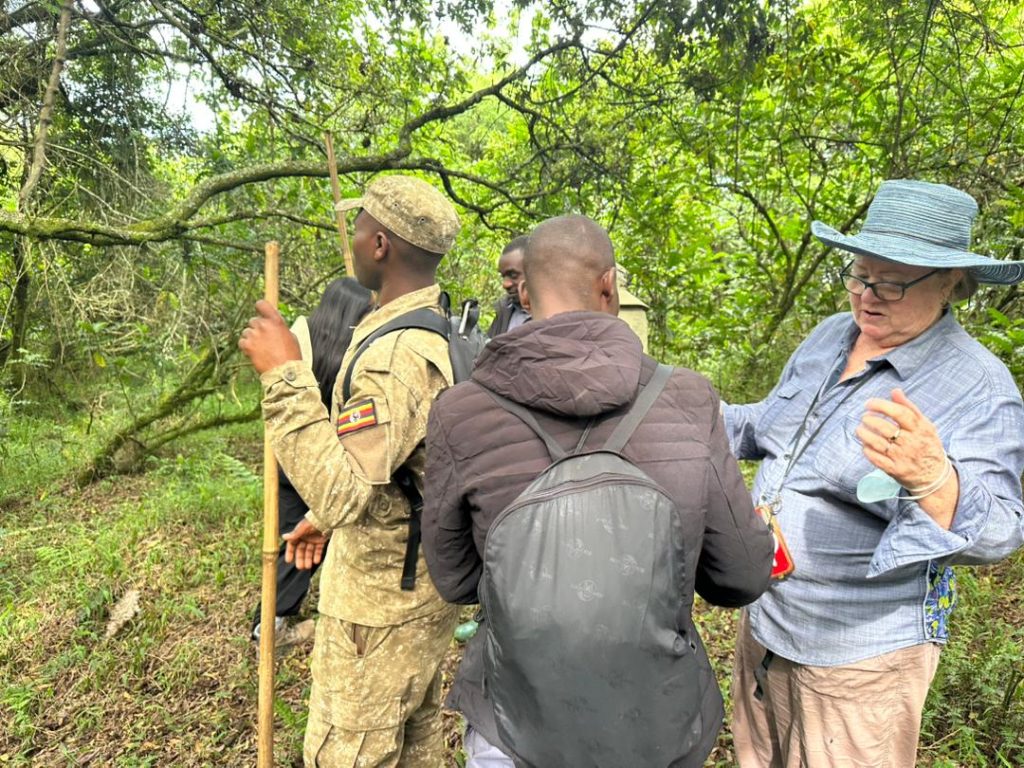
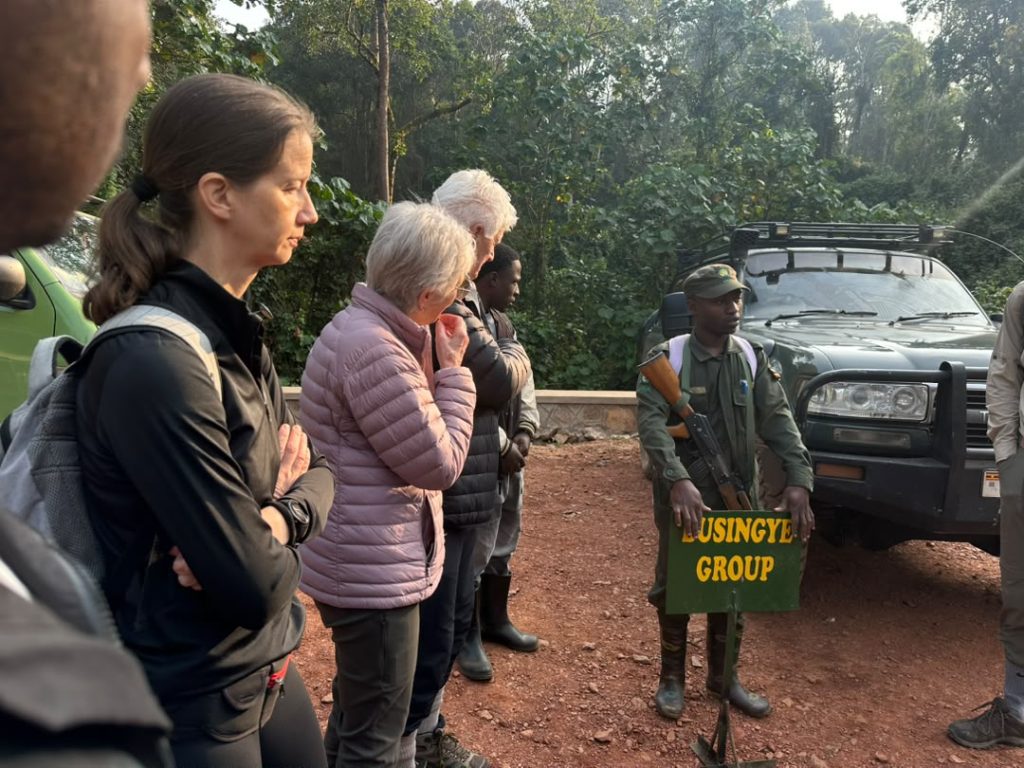
For both experiences, you depart from your lodge very early — typically between 6:00 and 7:00 a.m. — and gather at the park headquarters for a briefing. Rangers cover safety protocols, photography guidelines, and gorilla etiquette. Key rules include: maintain a minimum distance of seven metres, do not use flash photography, and never eat or drink in front of the gorillas.
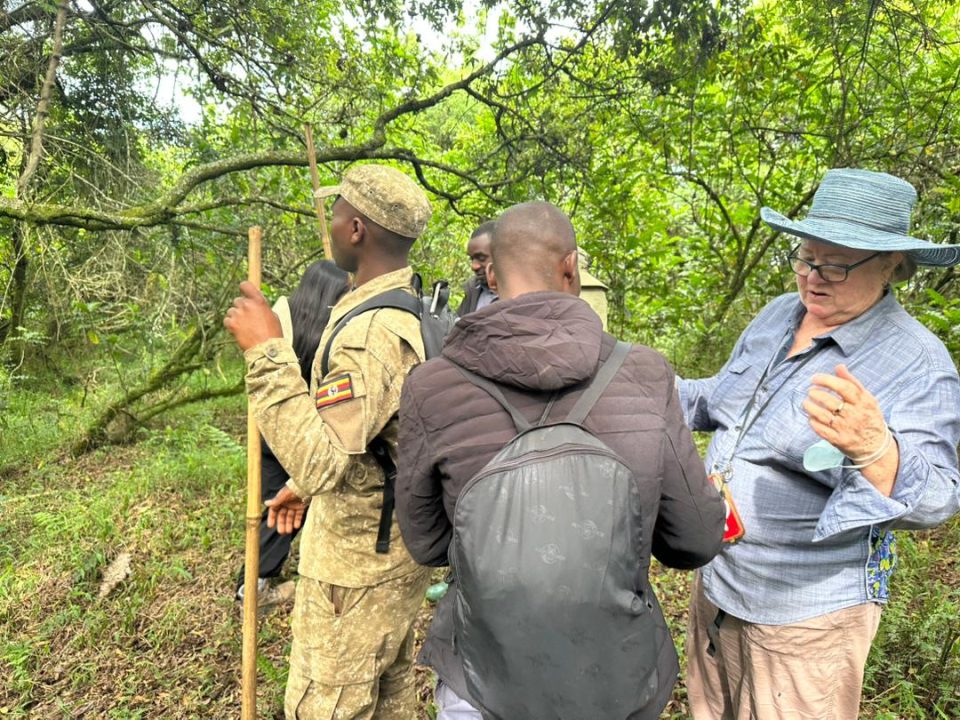
During trekking, once the gorillas are found, your guide signals the start of your one-hour encounter. During habituation, the team stays with the gorilla family as it moves through its natural range for the full four-hour session, stopping, resting, and observing as the family goes about its day.
After the experience, you return to your vehicle feeling something that is difficult to put into words — a deep, humbling sense of connection with our closest wild relatives. Many of our guests describe it as the single greatest moment of their lives.
You can pair either activity with other extraordinary Uganda experiences, from our 3-Day Chimpanzee Tracking Safari in Kibale Forest to a 3-Days Tour to Murchison Falls National Park or a boat cruise to the base of Africa’s most powerful waterfall. Our 3-Day Tree Climbing Lions Tour and Boat Cruise in Queen Elizabeth National Park is another popular complement for wildlife enthusiasts.
Conservation: Why Your Visit Matters
Every gorilla permit purchased — whether for trekking or habituation — directly funds gorilla conservation. A portion of Uganda’s permit revenue is channelled to local communities surrounding Bwindi, reducing human-wildlife conflict and incentivising forest protection. The Rwanda Development Board (RDB) allocates 10% of all permit revenues directly to community development projects around Volcanoes National Park.
At Kenlink Tours, we are proud advocates of responsible tourism. Our community projects through the Kigezi Foundation support local livelihoods in gorilla habitat areas, ensuring that conservation is a shared benefit for wildlife and people alike.
Ready to Book Your Gorilla Experience?
Whether you opt for the classic thrill of gorilla trekking or the unparalleled immersion of the gorilla habituation experience, one thing is certain: you will return home changed. These encounters have a way of resetting your perspective on the natural world — and on our responsibility to protect it.
Browse our full range of Uganda Safaris and Rwanda Safaris to find the perfect itinerary. Our team is also available through our Group Tours and Scheduled Departure Safaris pages for travellers who prefer a shared experience at a reduced cost.
Have a question or want a tailor-made itinerary? Contact us today — our expert safari planners are ready to design the gorilla adventure of a lifetime just for you.