- EXPERT'S HELP
- +256789210067
- +256200955001
- info@kenlinktours.com


How to book a gorilla trekking permit in Uganda
May 14, 2026
Gorilla habituation experience vs gorilla trekking
May 14, 2026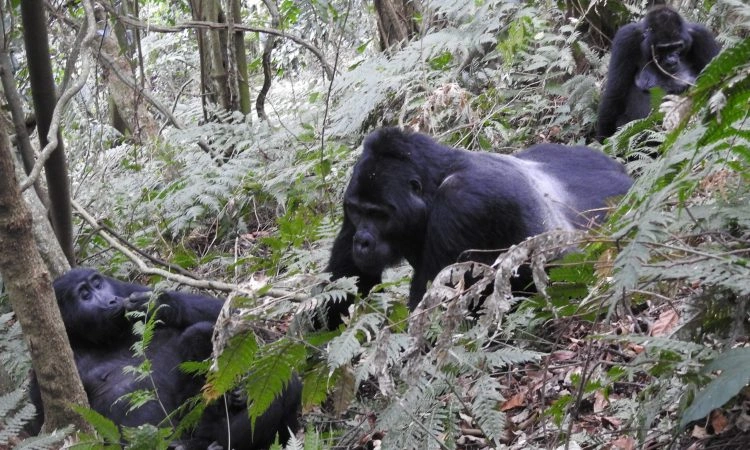
How fit do you need to be for gorilla trekking in Bwindi? One of the most common questions we receive at Kenlink Tours is simple but important: “Am I fit enough to go gorilla trekking?” It is a fair concern. Bwindi Impenetrable Forest is famously dense, hilly, and wild — and the name alone is enough to make even seasoned hikers pause. The good news, however, is that gorilla trekking in Bwindi is not a mountaineering expedition. With the right preparation and realistic expectations, people of many different fitness levels complete this once-in-a-lifetime experience every single day.
This guide breaks down everything you need to know about the physical demands of trekking in Bwindi, how to prepare your body before you travel, and why this adventure is far more accessible than most people assume.
What Does Gorilla Trekking in Bwindi Actually Involve?
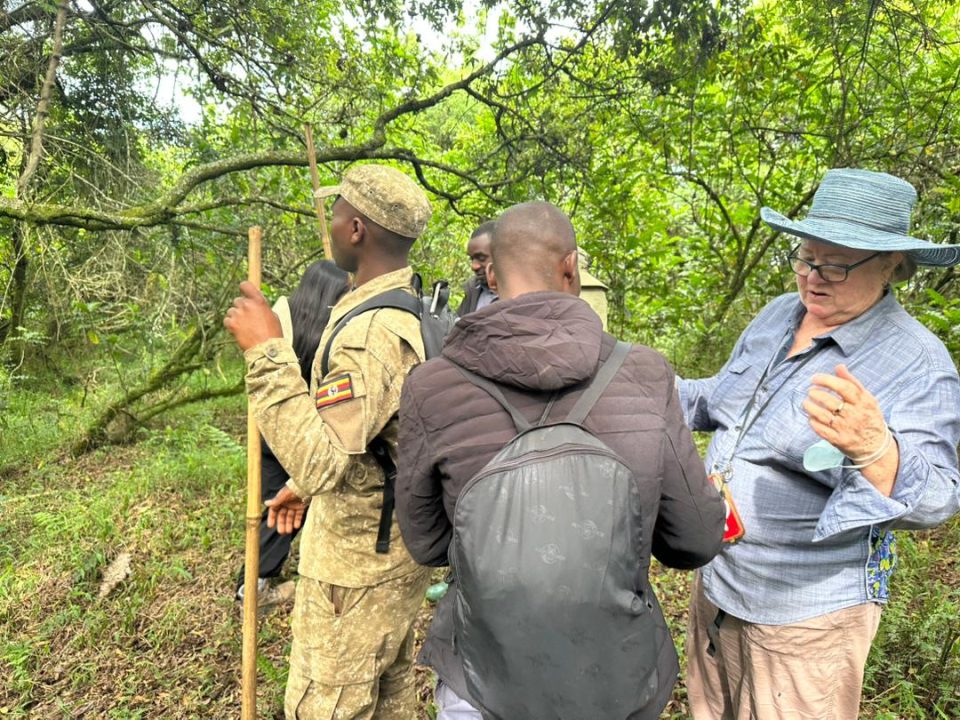
Before you can assess your fitness level, it helps to understand what you are actually signing up for. Gorilla trekking in Bwindi Impenetrable National Park in southwestern Uganda involves hiking through dense rainforest — sometimes on well-worn trails, sometimes through thick vegetation — to locate a habituated gorilla family. The duration of a trek varies enormously. Some groups find gorillas within 30 to 45 minutes of leaving the starting point. Others may hike for 5 to 7 hours through steep, muddy terrain before a sighting.
There is no guaranteed outcome, and that unpredictability is both the challenge and the magic of the experience. The forest elevation ranges from around 1,160 metres to over 2,600 metres above sea level, meaning altitude can be a subtle factor, particularly for visitors coming from sea-level climates. Trails can be slippery after rain, and the forest floor is uneven throughout.
If you are considering our gorilla trekking adventures, understanding this context will help you plan intelligently — and honestly.
The Honest Fitness Assessment
Here is the truth: gorilla trekking does not require athletic fitness, but it does require a basic level of physical health and stamina. Think of it less like running a 10K and more like a long, hilly country walk — one that may involve pushing through undergrowth and using your hands to steady yourself on slopes.
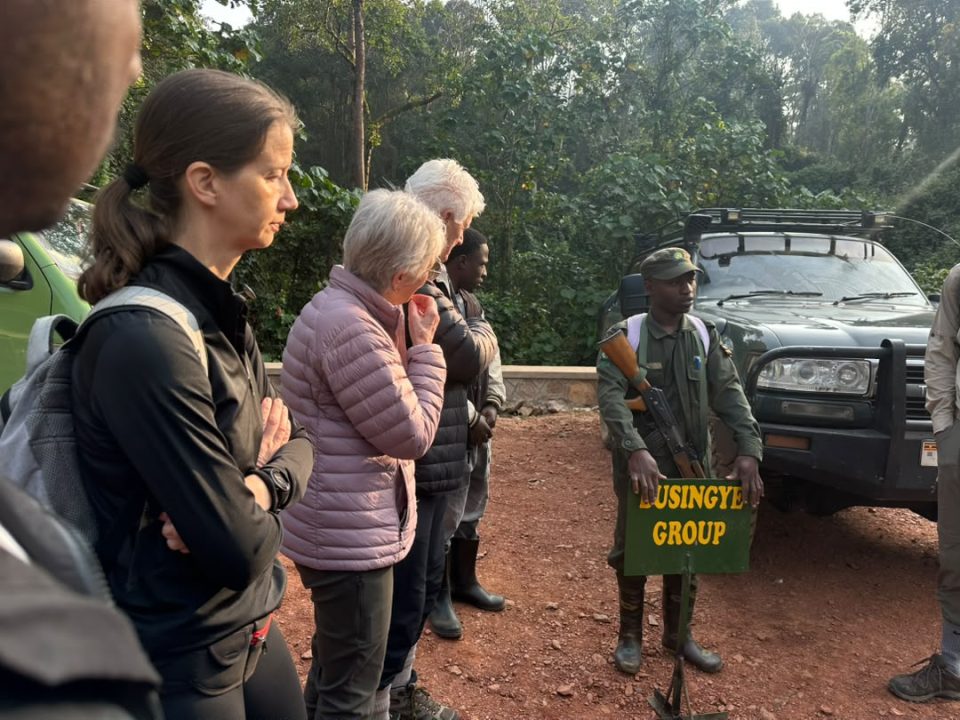
The Uganda Wildlife Authority (UWA), which manages Bwindi National Park, requires that trekkers be at least 15 years old and in reasonable health. If you have serious cardiovascular conditions, recent surgery, or severe mobility limitations, you should consult your doctor before booking. The Uganda Wildlife Authority also recommends that visitors inform their guides of any medical conditions before the trek begins.
For healthy adults — whether sedentary office workers, occasional gym-goers, or seasoned hikers — gorilla trekking is manageable. The key differentiator is not whether you are fit, but how you have prepared.
Fitness Levels: Where Do You Fall?
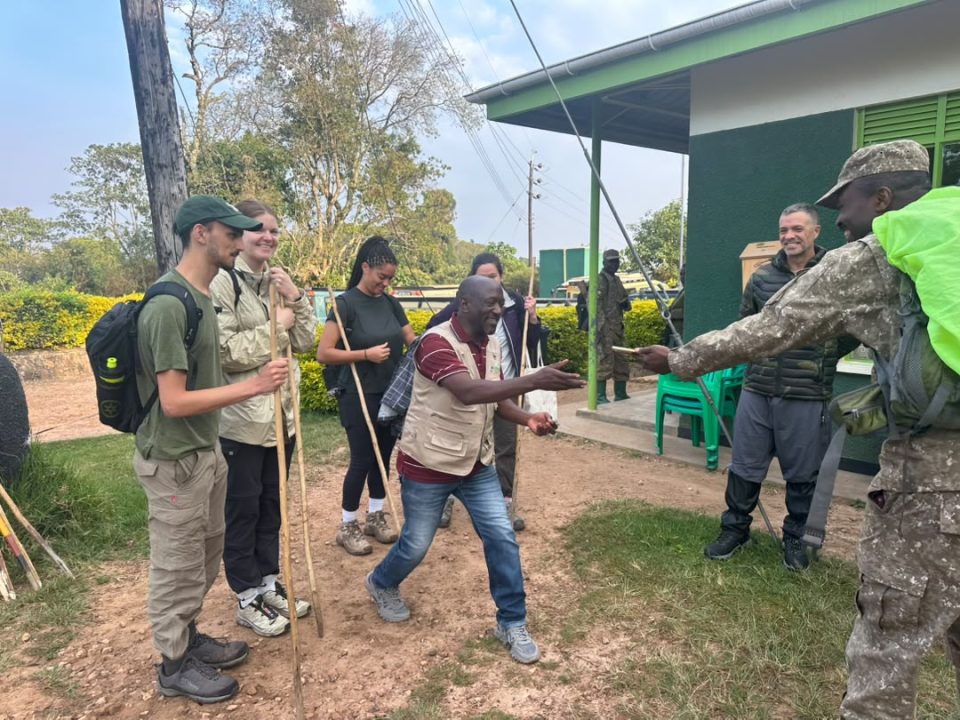
Low Fitness (Occasional Walkers): If your typical week involves desk work and light walking, you can still complete a gorilla trek — but you should prepare. Begin walking for 30 to 60 minutes daily at least six weeks before your departure. Focus on inclines where possible: hills, stairs, and uneven terrain. On the day, pace yourself, accept the support of a walking stick (provided at the trailhead), and do not be ashamed to rest when needed. Rangers and guides are trained to accommodate all paces.
Moderate Fitness (Regular Walkers and Light Hikers): If you walk regularly, cycle, or swim a few times a week, you are in good shape for the average trek. You may find the steep sections challenging, but you will have the stamina to enjoy the experience without significant distress. Our popular 3-Day Uganda Gorillas Safari is a great starting point for travellers at this level who want a focused, immersive experience without an overly packed itinerary.
Good Fitness (Hikers and Active Travellers): If you regularly hike, run, or exercise most days of the week, gorilla trekking will feel natural. You may even find the shorter sectors underwhelming and wish for a longer, more challenging route. In this case, consider pairing your gorilla trek with additional adventures. Our 5-Day Gorilla and Wildlife Safari or the 7-Day Gorillas, Chimps and Golden Monkeys Safari offer physically richer itineraries that keep active travellers engaged throughout.
Sector Selection Matters
Bwindi Impenetrable National Park is divided into four main trekking sectors: Buhoma, Ruhija, Rushaga, and Nkuringo. Each sector offers a different trekking experience in terms of terrain difficulty and duration.
Buhoma is the most established sector and generally considered the most accessible, with shorter average trekking times. Ruhija sits at higher elevation, making it cooler and sometimes harder. Nkuringo is known for its steep descent at the start of the trek — strenuous on the way out, but manageable for most healthy adults. Rushaga hosts the highest number of habituated gorilla families and is the most popular sector, offering a range of trek difficulties.
When you book through Kenlink Tours, our team factors in your fitness level and preferences when advising on sector allocation. This personalized approach is part of what makes our gorilla trekking safaris stand out.
The Option of a Porter: A Game Changer
One of the most underutilized resources at Bwindi is the local porter service. Porters are community members — often young adults from villages around the park — who can carry your day bag and provide physical assistance on the steeper slopes. They steady you on descents, help you over roots and rocks, and offer a steadying hand when the trail narrows to nothing more than a gap in the trees.
Hiring a porter costs around USD 15 to USD 20 per trek and directly benefits the local community. We strongly recommend this service to all our clients, regardless of fitness level. Not only does it remove the burden of a loaded backpack on a long uphill, but it also supports the communities surrounding Bwindi — communities that Kenlink Tours is deeply committed to uplifting through responsible tourism.
What About Older Travellers and Persons with Reduced Mobility?
Gorilla trekking is increasingly popular among travellers over 60, and for good reason. The Uganda Wildlife Authority has made provisions for elderly visitors and those with limited mobility: sedan chairs — locally crafted wooden chairs carried by a team of porters — are available at the Bwindi trailheads. This allows visitors who cannot complete the hike on foot to still participate in the experience and reach the gorillas.
If you are travelling with elderly relatives, or if you yourself have a medical condition or mobility limitation, do not rule out gorilla trekking. Our team at Kenlink Tours can arrange all necessary logistics to make the experience safe, dignified, and unforgettable. Our 2 Days Bwindi Gorilla Fly-In Safari is also an excellent option for those who want to minimise physical fatigue from long road transfers.
How to Prepare in the Weeks Before Your Trek
Preparation makes all the difference. The Uganda Tourism Board and health professionals recommend the following steps in the lead-up to a gorilla trek:
Start walking daily, gradually increasing duration and including hills. If you have access to a gym, stair machines and incline treadmills are excellent preparation tools. Do light stretching to protect your knees and ankles — joints that take the most strain on uneven terrain. Hydrate well in the days before your trek, and consider visiting your doctor for a general health check. The World Health Organization advises travellers to tropical Africa to ensure vaccinations (including yellow fever) are up to date before departure.
On the day of the trek, eat a hearty breakfast, carry at least 1.5 litres of water, wear sturdy hiking boots with ankle support, and bring a light rain jacket. Gloves can be surprisingly useful for gripping vegetation on steep sections.
Combining Your Trek with a Broader Safari
Many travellers use their gorilla trek as the centrepiece of a longer Uganda adventure. Our 5-Day Gorilla Trekking and Wildlife Encounter pairs Bwindi with game drives in Queen Elizabeth National Park, while the 7-Day Gorilla and Wildlife Safari takes in Murchison Falls alongside your gorilla experience. For those wishing to cross the border, the 5-Day Gorilla Trekking Safari from Kigali offers a seamless Uganda-Rwanda adventure beginning in Rwanda’s capital. And if you’re keen on adding another primate encounter, the 5-Day Gorilla and Chimpanzee Tour in Uganda is among our most loved itineraries.
You can also explore our Uganda destination guide to learn more about the country’s remarkable parks and landscapes, or browse our full Uganda safaris page to find a package that matches your travel style and fitness comfort zone. For those who prefer to travel in a group, our scheduled group departure safaris are a cost-effective and sociable way to experience Bwindi alongside like-minded adventurers.
The Bottom Line
You do not need to be an athlete to go gorilla trekking in Bwindi. You need to be reasonably healthy, mentally prepared for some physical effort, and willing to embrace the unpredictability of the wild. The moment you lock eyes with a mountain gorilla in the mist-covered forest, every steep slope and muddy step will have been completely worth it.
If you are ready to start planning — or simply want honest advice about whether this adventure is right for you — get in touch with our team. At Kenlink Tours, we have been guiding travellers through Bwindi since 2010, and we are here to make your gorilla trekking experience as seamless, safe, and spectacular as possible.
Travelers also search about: