- EXPERT'S HELP
- +256789210067
- +256200955001
- info@kenlinktours.com


Short gorilla trips (1–3 days)
August 5, 2026
Gorilla Trek and Golden Monkey Safari
August 5, 2026
Gorilla + chimpanzee safaris. Mountain gorillas and chimpanzees are, without question, East Africa’s two most sought-after primate encounters — and the remarkable thing is that Uganda and Rwanda are among the only places on earth where you can track both on the same trip. A gorilla and chimpanzee safari pairs the slow, powerful presence of a gorilla family with the noisy, high-energy world of a chimp troop, giving you two completely different wildlife experiences within a matter of days. This guide breaks down where to go, how the two treks differ, what it costs in 2026, and how to structure an itinerary that gets you both without wasting travel days.
Why Combine Gorillas and Chimpanzees on One Safari?
Gorillas and chimpanzees are both great apes and share roughly 98% of their DNA with humans, yet trekking them feels entirely different. Gorilla trekking is deliberate and calm — you often watch a family feeding quietly in dense vegetation for a full, unhurried hour. Chimpanzee tracking, by contrast, is fast-paced and vocal; chimps move quickly through the canopy, and their calls can carry over a kilometre through the forest. Doing both on one trip lets you compare the social structures, behavior, and habitats of humanity’s closest living relatives — and because Uganda in particular packs several primate-rich forests close together, it’s far more logistically efficient than most travellers assume. You can browse our full range of Uganda primate tracking safaris to see how these combinations typically work.
Where to Track Gorillas and Chimpanzees Together
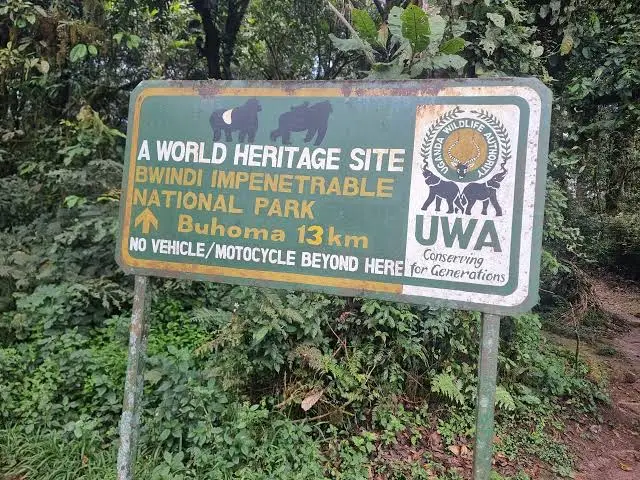
Uganda is the undisputed leader for combined primate safaris because it hosts both mountain gorillas (in Bwindi Impenetrable National Park and Mgahinga) and multiple chimpanzee populations, most notably in Kibale National Park — often called the “primate capital of the world” — as well as Kyambura Gorge and Kalinzu Forest Reserve near Queen Elizabeth National Park. Rwanda offers a similar pairing between Volcanoes National Park for gorillas and Nyungwe Forest National Park for chimpanzees, though the two sites sit further apart, which typically stretches a Rwanda-only primate safari to 5 days or more.
Kibale National Park: Uganda’s Chimpanzee Headquarters
Kibale National Park in western Uganda holds one of the highest chimpanzee densities in Africa, with an estimated 1,500 individuals and around 13 primate species overall, including L’Hoest’s monkeys and red colobus. Because Kibale sits roughly 4–5 hours from Bwindi by road, it’s the most common chimp-trekking add-on for travellers already heading to gorilla country, and treks here have a notably higher sighting success rate than most other chimp destinations in the region. For travellers who prefer a shorter detour, our guide to chimp trekking in Kalinzu Forest Reserve and Kibale National Park compares both options in detail.
Kyambura Gorge: The Convenient Detour Near Queen Elizabeth
If your itinerary already routes through Queen Elizabeth National Park between Bwindi and Kibale, Kyambura Gorge — nicknamed “the valley of apes” — offers a shorter, more accessible chimpanzee trek without a major detour. Sightings here are less reliable than Kibale’s, since the chimp community is smaller, but it’s a practical choice for travellers with a tighter schedule who still want a chimp encounter alongside their gorilla trek and game drives.
Nyungwe Forest: Rwanda’s Chimpanzee Alternative
Nyungwe Forest National Park, in southwestern Rwanda, is one of Africa’s oldest surviving rainforests and home to habituated chimpanzee communities alongside troops of Angolan colobus monkeys travelling in groups of several hundred. It sits roughly 2–3 hours from Volcanoes National Park’s gorilla sector, making a Rwanda-only gorilla-and-chimp combination realistic within a single loop. Our Nyungwe Forest chimpanzee trekking guide covers trail options, permit booking, and what to expect on the forest’s steep, humid terrain.
Gorilla vs Chimpanzee Trekking: What’s the Difference?
Understanding how the two treks differ helps you prepare for each one properly. Gorilla groups are tracked to a known overnight nest site and located by experienced trackers who follow fresh trail signs, with visitors guaranteed one hour once the family is found. Chimpanzees, being far more arboreal and mobile, are harder to keep pace with — guides often track by sound, following distinctive calls through the canopy, and while the visit is also capped at one hour, chimps may move during that time, keeping the encounter more dynamic. Physically, chimp trekking in Kibale is generally considered easier and shorter than a Bwindi gorilla trek, which makes it a good complementary activity for travellers who found the gorilla hike demanding. For readers curious about how the species themselves differ, our article on the difference between gorillas and chimpanzees is a useful primer before you go.
Gorilla and Chimpanzee Permit Prices in 2026
Budgeting for a combined safari means accounting for two separate permits, priced very differently. As of 2026, typical rates are:
| Activity | Foreign Non-Resident | Foreign Resident | East African Citizen |
|---|---|---|---|
| Uganda gorilla trekking (Bwindi) | US$800 | US$700 | UGX 300,000 |
| Uganda chimpanzee trekking (Kibale) | US$250 | US$200 | UGX 250,000 |
| Uganda Chimpanzee Habituation Experience | US$300 | — | — |
| Rwanda gorilla trekking (Volcanoes) | US$1,500 | US$500 | varies |
| Rwanda chimpanzee trekking (Nyungwe) | US$250 | US$75 | US$25 |
Because a chimpanzee permit costs a fraction of a gorilla permit, adding chimp trekking to an existing gorilla itinerary is one of the most cost-effective ways to expand your safari. Both permits should be booked together and well in advance — gorilla permits especially can sell out 3–6 months ahead during peak season — and our team coordinates both bookings as a single package on itineraries like the 5-Day Gorilla and Chimpanzee Tour in Uganda.
How Many Days Do You Need for Both?
Five days is the practical minimum for a proper gorilla-and-chimpanzee combination in Uganda, allowing one trekking day for each species plus travel time between parks. Our 5-Day Gorilla and Chimpanzee Tour and 5-Day Uganda-Rwanda Double Gorilla Safari both fit this window. Travellers who also want game drives typically extend to 7 or 8 days — our 7-Day Amazing Gorilla and Wildlife Safari and 8-Day Uganda Gorilla, Chimpanzee and Wildlife Safari both add Queen Elizabeth National Park’s game-viewing sectors into the loop. For travellers with more time and a bigger budget, the 15-Day Rwanda-Uganda Primate and Big Five Safari combines gorillas, chimps, and the classic big-five wildlife circuit across both countries.
Sample 5-Day Gorilla and Chimpanzee Itinerary
A typical five-day combination looks roughly like this: Day 1 is a transfer from Kigali or Entebbe toward Bwindi; Day 2 is the gorilla trek itself; Day 3 involves the drive north through Queen Elizabeth National Park, often including an afternoon game drive or a short Kyambura Gorge chimp walk; Day 4 continues to Kibale National Park for a full chimpanzee trek, sometimes paired with a nature walk through the surrounding Bigodi Wetland; and Day 5 wraps up with the return transfer. This structure is exactly how our 5-Day Gorilla and Chimpanzee Tour in Uganda is built, and it can be adjusted to start from either Entebbe or Kigali depending on your arrival airport.
Adding the Big Five to a Primate Safari
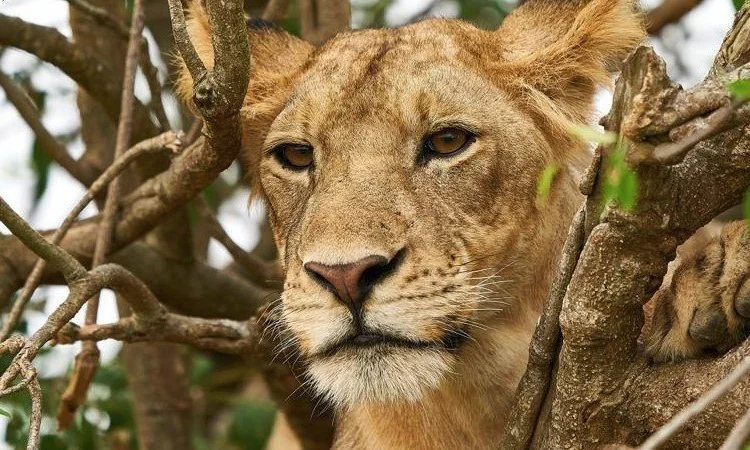
Because Kibale and Kyambura sit so close to Queen Elizabeth National Park’s savannah sectors, most gorilla-and-chimp itineraries can absorb a day or two of classic game driving — lions (including Queen Elizabeth’s famous tree-climbing lions), elephants, buffalo, and hippos along the Kazinga Channel — without major detours. Our Big Five and Primate Safari in Uganda is built specifically around this overlap, and longer options like the 10-Day Gorilla Trekking and Great Migration Safari push further into the Serengeti ecosystem for travellers who want primates and the migration in one trip.
Rules and Preparation for Both Treks
Both gorilla and chimpanzee permits require a minimum age of 15, and neither activity is recommended for travellers with a cold, flu, or other contagious illness, since both great apes are highly susceptible to human respiratory diseases. Groups are capped at 8 people per gorilla family and typically 6 per chimpanzee community. Pack the same core essentials for both treks — waterproof hiking boots, long trousers and sleeves, gardening gloves, and a rain jacket — and our packing list for gorilla trekking in Uganda, Rwanda and Congo covers everything you’ll need for both activities in one list. It’s also worth understanding the broader gorilla trekking rules and regulations in Uganda before you travel, since several apply equally to chimpanzee tracking.
Best Time of Year for a Combined Primate Safari
Both gorilla and chimpanzee families are tracked year-round regardless of season, so timing mostly affects trail conditions rather than sighting odds. The dry seasons — June to September and December to February — offer firmer trails in both Bwindi and Kibale, which matters more on a combined itinerary where a long delay on one trek can push back the next. Our detailed breakdown of the best time to see gorillas in Uganda and Rwanda applies broadly to chimp trekking as well, since both activities share the same rainforest habitats and seasonal patterns.
Why Aren’t Bwindi’s Chimpanzees Habituated for Trekking?
A question we hear often from first-time visitors is why Bwindi Impenetrable Forest — famous for gorillas — isn’t also a chimpanzee trekking destination, despite chimps living there. The short answer involves habituation priorities, terrain, and population density; we’ve written a full explanation on why chimpanzees in Bwindi are not habituated, which helps explain why Kibale, Kyambura, and Nyungwe remain the primary chimp-trekking destinations instead.
Getting There: Planning Your Route
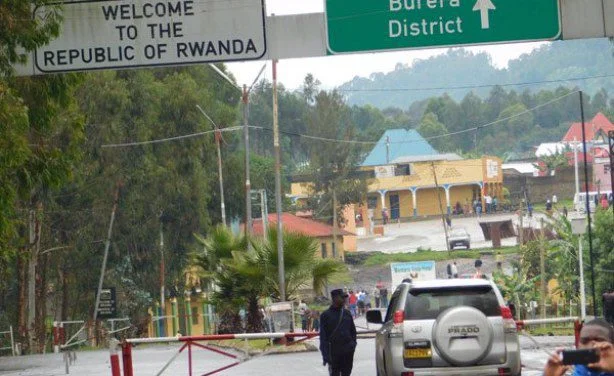
Most combined itineraries in Uganda start from Entebbe International Airport, looping southwest to Bwindi, north through Queen Elizabeth National Park to Kibale, and back to Entebbe or onward to Kigali — a route that naturally threads together both primate destinations without backtracking. Travellers arriving via Kigali can start with a gorilla trek in Rwanda’s Volcanoes National Park before crossing into Uganda for Bwindi and Kibale, as covered in our Rwanda-to-Uganda gorilla trekking route. For those wanting to stay inside Rwanda entirely, pairing Volcanoes National Park with Nyungwe Forest keeps the whole trip within a smaller, well-paved loop. Our car hire service can arrange a private 4×4 with driver-guide for either route.
Tips to Get the Most Out of a Combined Safari
Book both permits together as early as possible, since gorilla permits in particular can be the limiting factor on your travel dates. Schedule the physically tougher gorilla trek earlier in the trip while energy levels are highest, and treat the chimpanzee trek as the slightly lighter, faster-paced activity later on. Bring a longer lens or a fast prime for chimp photography, since low canopy light and constant movement make chimps noticeably harder to photograph well than gorillas — our gorilla and primate photography checklist covers settings for both. Finally, budget a buffer day between the two treks where possible, since weather or gorilla movement can occasionally push a morning trek into the afternoon.
Frequently Asked Questions About Gorilla and Chimpanzee Safaris
Can I do gorilla and chimpanzee trekking on the same day?
It’s technically possible in Rwanda given the shorter distance between Volcanoes and Nyungwe, but it’s physically demanding and not recommended. Most itineraries space the two treks a day apart.
Which is harder — gorilla or chimpanzee trekking?
Bwindi gorilla trekking is generally considered more physically demanding due to steep, dense terrain. Kibale chimpanzee trekking is usually shorter and on gentler ground, though chimps move faster once found.
Do I need two separate permits?
Yes — gorilla and chimpanzee permits are issued and priced separately, even when trekked on the same trip.
Is Uganda or Rwanda better for a combined safari?
Uganda offers more chimp-trekking locations (Kibale, Kyambura, Kalinzu) close to gorilla country, making it the more flexible choice. Rwanda’s Volcanoes-Nyungwe pairing works well for travellers who want to stay in one country.
Ready to Plan Your Gorilla and Chimpanzee Safari?
Pairing gorilla trekking with chimpanzee tracking gives you two of Africa’s most remarkable wildlife encounters in a single, well-paced trip. Our team at Kenlink Tours handles both permits, transport between parks, and lodging, so the logistics stay simple while the experience stays unforgettable. Reach out through our contact page to start planning, or explore our full Uganda safaris and Rwanda safaris collections for more combination options.