- EXPERT'S HELP
- +256789210067
- +256200955001
- info@kenlinktours.com


How is Mount Sabyinyo Hiking in Uganda
September 17, 2026
Gorilla Trek and Murchison Falls Tour
September 17, 2026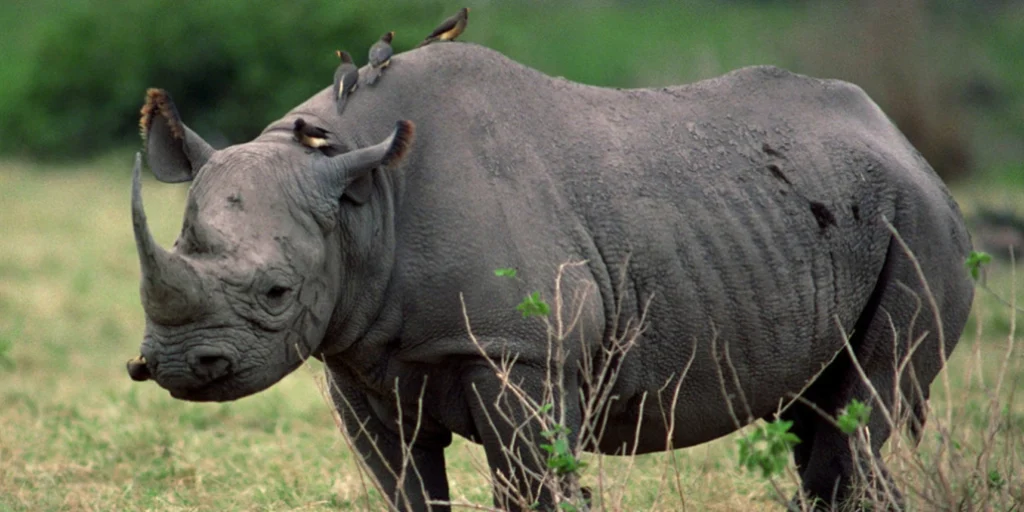
Murchison Falls and Rhino Tracking Tour. If you had to pick one Uganda itinerary that captures everything the country does best in the shortest amount of time, it would be hard to beat Murchison Falls paired with rhino tracking at Ziwa Sanctuary. In the space of two or three days you can watch the world’s longest river force itself through a gorge barely seven metres wide, cruise past pods of hippos and basking crocodiles, track chimpanzees through ancient rainforest, and walk on foot within meters of southern white rhino — an animal that no longer exists in Uganda’s wild parks. This guide covers how to plan the whole thing properly: what Murchison Falls National Park actually offers, how rhino tracking at Ziwa works, what it costs in 2026, and how to fit both into one well-paced Uganda safari.
Why Murchison Falls and Rhino Tracking Belong on the Same Itinerary
Murchison Falls National Park and Ziwa Rhino Sanctuary sit almost directly on the same road north from Kampala, which is the main reason nearly every operator packages them together rather than as separate trips. Ziwa is Uganda’s only sanctuary with rhinos in the wild, since the species was hunted to local extinction decades ago, while Murchison Falls delivers the big-river drama, savannah game drives, and primate tracking that most visitors picture when they think of a classic Uganda safari. Combined, they cover an unusually complete cross-section of what Uganda’s wildlife has to offer without requiring a long domestic flight or a punishing number of driving hours, which is exactly why this pairing has become one of the most requested Uganda safari experiences on our books.
What Makes Murchison Falls Uganda’s Biggest Wildlife Draw
Murchison Falls National Park is Uganda’s largest protected area, covering roughly 3,893 square kilometres across the country’s northwest, bisected for about 115 kilometres by the Victoria Nile as it flows toward Lake Albert. The park’s ecosystem ranges from open savannah grassland on the northern bank to dense riverine forest and the Budongo Forest Reserve to the south, giving it one of the widest habitat ranges of any Ugandan park and, correspondingly, one of the country’s richest species lists. It has been recognized as a Lion Conservation Unit since 2005, and its combination of big cats, elephants, buffalo, giraffe, and over 450 recorded bird species makes it a genuine full-day-after-full-day safari destination rather than a quick stopover. Our overview of national parks in Uganda puts Murchison’s scale in context against the country’s other protected areas, and Pick and Transfer Safaris’ Murchison Falls National Park destination guide offers a useful second perspective on the park’s layout and access points.
The Falls Themselves: Where the Nile Squeezes Through a 7-Metre Gorge
The park’s namesake waterfall is the single most dramatic sight in the entire itinerary. The Victoria Nile, already a substantial river carrying the outflow of Lake Victoria, is forced through a gorge just seven metres wide before plunging 43 metres in a churning wall of white water. The sheer volume of water squeezing through such a narrow gap generates a level of noise and spray that photographs never quite capture, which is why most visitors rank standing at the top of the falls among the highlights of their entire Uganda trip, gorilla trekking included.
Game Drives in Murchison Falls: Big Game on the Northern Bank
The bulk of Murchison Falls’ game viewing happens on the Buligi Peninsula, the wedge of savannah between the Victoria Nile and Lake Albert on the park’s northern side. Morning and late-afternoon game drives here regularly turn up elephant, buffalo, Rothschild’s giraffe (whose population has been steadily rebuilt through conservation transfers to around 1,500 animals), and healthy numbers of lion, along with leopard for hikers with patience and a sharp-eyed guide. There’s no wild rhino population inside Murchison itself, which is precisely the gap that a Ziwa add-on fills, but the density of everything else on the Buligi circuit makes for some of the most reliable game drives anywhere in Uganda. Our guide to game drive safaris in Uganda covers what to expect on a typical Buligi circuit outing.
Boat Cruise to the Bottom of the Falls
No Murchison Falls itinerary is complete without the classic launch cruise upstream along the Victoria Nile toward the base of the falls. The three-hour cruise winds past enormous pods of hippo, basking Nile crocodiles — among the largest crocodile populations anywhere in Africa — and elephants and buffalo coming down to drink at the water’s edge, before ending directly beneath the thundering base of the falls themselves, close enough to feel the spray on your face. It’s a completely different perspective on the same waterfall you’ll later see from above, and most visitors consider both viewpoints essential rather than redundant.
The Nile Delta Cruise: Uganda’s Best Shoebill Stork Sighting
A second, less crowded cruise option heads downstream instead, toward the point where the Victoria Nile fans out into papyrus wetland before emptying into Lake Albert. This Delta cruise is quieter and slower-paced than the falls cruise, and it’s the single best place in Uganda to find the prehistoric-looking shoebill stork, a bird so distinctive it draws dedicated birding trips on its own. Between the shoebill, extensive waterbird colonies, and a real chance of good elephant sightings along the delta’s grassy banks, this cruise is worth the extra time for travelers who aren’t purely chasing the Big Five checklist.
Hiking to the Top of the Falls
For a view that game drives and boat cruises can’t match, a short hike or drive brings you to the top of the falls, where you can stand directly beside the point where the entire Nile forces itself through that seven-metre gap. The contrast between the calm, wide river just upstream and the violent compression at the gorge is genuinely startling in person, and the viewing platforms here put you close enough to feel the ground vibrate with the force of the water. Most itineraries combine this with the boat cruise, doing the river approach from below in the morning and the clifftop view in the afternoon, or vice versa.
Chimpanzee Tracking in Budongo Forest
South of the main park, Budongo Forest Reserve offers one of Uganda’s most underrated chimpanzee tracking experiences, in a forest that’s less visited than Kibale but every bit as rewarding for primate encounters. Treks here typically run a few hours through dense, ancient rainforest, and the reserve’s ongoing habituation programs mean sightings are increasingly reliable. Pairing a Budongo chimp trek with Murchison’s savannah game drives and river cruises rounds out a single park visit with forest, river, and grassland wildlife all in one stop — a combination we build into several of our Big Five and primate safaris in Uganda.
Why Rhino Tracking Is Essential Alongside Murchison Falls
Uganda’s wild rhino population was completely wiped out by the early 1980s through a combination of poaching and civil conflict, meaning no national park in the country — Murchison included — has wild rhinos today. Ziwa Rhino Sanctuary exists specifically to reverse that: a dedicated, intensively protected breeding sanctuary that has slowly rebuilt a southern white rhino population from a handful of founder animals into a genuine breeding herd. It sits directly on the main road between Kampala and Murchison Falls, which is what makes tracking rhino on foot such a natural addition to this itinerary rather than a detour. Our article on where to see Big Five animals in Uganda explains why Ziwa, rather than any national park, is the answer for rhino specifically.
Inside Ziwa Rhino Sanctuary: Uganda’s Only Wild Rhino Population
Ziwa sits roughly halfway between Kampala and Murchison Falls, making it a natural stopover rather than an extra trip. The sanctuary operates as a semi-wild breeding reserve, with rangers monitoring each rhino daily and guiding visitors on foot to wherever the animals happen to be grazing that morning. Because the rhinos are used to tracking visits but still genuinely wild in behavior, sightings are highly reliable — considerably more so than predator tracking in an open national park — while still delivering the thrill of an on-foot wildlife encounter.
What a Rhino Tracking Experience Actually Involves
After a briefing at the sanctuary office, rangers lead small groups on foot, using radio updates from trackers already in the field to head straight toward the rhinos’ current location, so the walk itself is usually far shorter than a gorilla trek — typically one to two hours round trip. Visitors are brought to within roughly seven metres of the animals, close enough to watch them feeding and interacting without disturbing their natural behavior, under strict ranger guidance on distance and noise throughout. It’s a far gentler physical activity than gorilla trekking or the Sabyinyo hike, which makes it an easy add-on even for travelers who aren’t looking for a strenuous day.
Rhino Tracking and Ziwa Entrance Fees
Ziwa charges a sanctuary entrance fee of around $50 for adults and $30 for children up to age twelve, with the on-foot rhino tracking activity itself priced at approximately $45 per person. The sanctuary also offers a shoebill stork trek and guided night walks as optional add-ons for travelers with extra time. Our full breakdown of Ziwa Rhino Sanctuary entrance fees and rates lists current pricing for every activity offered on-site, which is worth checking before you travel since rates are reviewed periodically.
How to Combine Ziwa Rhino Tracking with Murchison Falls
The standard routing works in one direction: drive north from Kampala or Entebbe, stop at Ziwa for a two-to-three-hour rhino tracking visit, then continue on to Murchison Falls National Park to begin game drives and boat cruises the same afternoon or the following morning. This sequencing means the rhino tracking adds only a modest detour rather than a full extra day, since Ziwa sits directly along the standard Kampala-to-Murchison route. Our detailed guide to Murchison Falls entry gates explains which gate to use depending on whether you’re arriving via Ziwa from the south or via Kampala’s alternative northern routes.
Best Time to Visit Murchison Falls and Ziwa
Murchison Falls rewards a visit in any season, since the Nile carries substantial water year-round and boat cruises run regardless of rainfall, but game drives are noticeably better during Uganda’s two dry seasons, December to February and June to August, when thinner vegetation makes spotting lion, leopard, and giraffe considerably easier. Ziwa’s rhino tracking is similarly available year-round, since it relies on radio-tracked animals rather than seasonal migration patterns, making it one of the more schedule-flexible activities in this itinerary if your travel dates are tight.
Sample Itinerary: 3-Day Murchison Falls and Rhino Tracking Safari
A well-paced version of this trip typically runs three days: day one covers the drive north from Kampala with a stop at Ziwa for rhino tracking before continuing to a lodge near Murchison Falls; day two is dedicated to a morning Buligi game drive followed by the afternoon boat cruise to the base of the falls, or the quieter Delta cruise for shoebill spotting; and day three combines the top-of-the-falls viewpoint with either a Budongo chimpanzee trek or the drive back to Kampala, depending on your onward plans. Travelers wanting a slightly longer version with more game-drive time can look at our 10-day Uganda wildlife safari, which builds in additional parks around this same core route. Pick and Transfer Safaris runs a comparable 3-day safari to Murchison Falls that’s worth reviewing for pacing comparisons.
Longer Combinations: Murchison Falls with Kibale, Queen Elizabeth and Bwindi
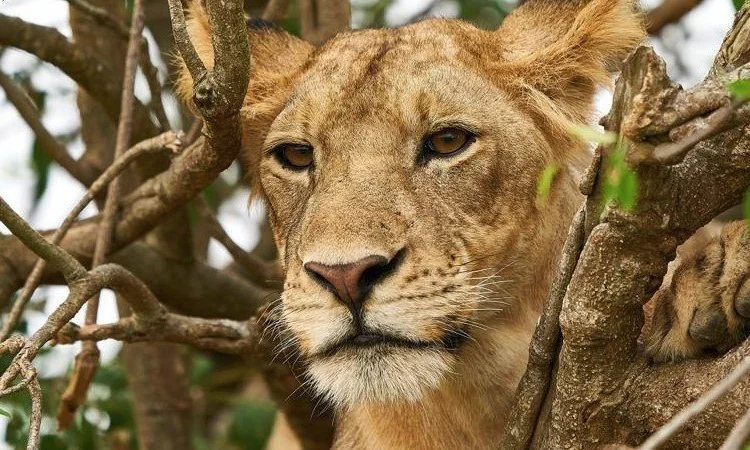
Travelers with more time frequently extend this itinerary west and south to include Kibale Forest’s chimpanzee tracking, Queen Elizabeth National Park’s tree-climbing lions and Kazinga Channel boat cruise, and Bwindi’s gorilla trekking, effectively stringing together most of Uganda’s headline wildlife experiences into one long loop. Our 10-day trip to Murchison Falls, Kibale, Queen Elizabeth and Bwindi is built specifically around this extended route, and for travelers with three weeks or more, our 25-day wildlife, gorilla and chimps Uganda adventure covers nearly every major park in the country. Pick and Transfer Safaris’ Kibale Forest National Park guide and Queen Elizabeth National Park guide are useful references for the western legs of a route like this, and their 10-day Uganda primates and wildlife safari covers similar ground from a different operator’s perspective.
Getting to Murchison Falls: Routes from Kampala and Entebbe
Most travelers reach Murchison Falls by road, either via the Ziwa route through Masindi in the south, or via the alternative northern approach through Karuma, both of which take roughly four to five hours from Kampala or Entebbe. A domestic flight option also exists into the park’s own airstrips for travelers short on time, cutting the journey to under an hour, though it means missing the roadside rhino tracking stop at Ziwa unless it’s arranged as a separate excursion. Whichever way you enter, our guide to Murchison Falls entry gates explains which gate suits each route, and if you need airport pickup or onward transfer arrangements coordinated on the Uganda side, Pick and Transfer Safaris’ contact page is a reliable point of reference for that kind of logistics support.
Where to Stay Near Murchison Falls
Accommodation options cluster mainly along the Nile’s southern bank near Paraa, ranging from simple tented camps to riverside luxury lodges with direct falls or river views, plus a smaller cluster of properties near Budongo Forest for chimpanzee trekkers who prefer to stay closer to that side of the park. Booking a lodge close to the Paraa ferry crossing point is worth prioritizing, since it minimizes early-morning transfer time before game drives and boat cruises.
What to Pack for a Murchison Falls and Rhino Tracking Trip
Neutral-colored, lightweight clothing works well for both the game drives and the Ziwa rhino walk, along with a hat, sunscreen, and insect repellent given the park’s proximity to the Nile and its wetland margins. Binoculars make a real difference on both the Buligi game drives and the Delta boat cruise, where birdlife and distant game are common, and a light rain jacket is worth having on hand even in the dry season given how unpredictable weather can be this close to the equator. Closed walking shoes are sufficient for the relatively gentle rhino tracking walk, a notch less demanding than the footwear you’d want for gorilla trekking or a volcano hike further south.
Visa Requirements for Visiting Uganda
Most international visitors need a visa to enter Uganda, best arranged in advance through the country’s e-visa portal rather than relying on visa-on-arrival processing at the border or airport. Our step-by-step breakdown of the Uganda tourist visa application process walks through exactly what’s required, which is worth completing several weeks before travel to avoid any last-minute complications.
Photography Tips for Murchison Falls and Ziwa
The falls themselves are one of the trickiest subjects on this whole itinerary to photograph well, since the combination of bright equatorial sun, constant spray, and dramatic scale tends to overwhelm a standard exposure. Shooting from the boat cruise in early morning or late afternoon light, when the sun sits low and the spray catches a bit of color, generally produces better results than a midday shot from the top viewing platform. A telephoto lens earns its keep on the Buligi game drives and along the Delta cruise, where elephants, giraffe, and the shoebill stork are often spotted at a genuine distance, while the closer-range rhino tracking at Ziwa works well with a mid-range zoom given how near you’re permitted to approach. As with any wildlife photography in Uganda, a rain sleeve or dry bag for your camera is worth carrying on both cruise options, since spray from the falls and sudden equatorial downpours can appear with very little warning.
Self-Drive or Guided: Choosing How to Explore Murchison Falls
Murchison Falls’ relatively good road network makes it one of Uganda’s more feasible parks for self-drive visitors, though hiring a knowledgeable guide still adds significant value for game drives, given how much local trackers know about where predators have been active recently. Our car hire service covers both options, whether you want a fully guided vehicle and driver or a self-drive rental with route planning support, and it’s a decision worth making early since vehicle type also affects how comfortably you’ll manage the Ziwa detour en route.
Adding Gorilla Trekking to a Murchison Falls Itinerary
Travelers who have more than a week available often extend a Murchison Falls and rhino tracking trip south to include gorilla trekking in Bwindi Impenetrable Forest, effectively combining Uganda’s premier river-and-savannah experience with its most famous wildlife encounter in a single loop. The drive between the two regions takes a full day, so most itineraries treat it as a distinct leg rather than a quick add-on, but the payoff — thundering waterfalls and mountain gorillas on the same trip — is a big part of why Uganda draws repeat visitors. Pick and Transfer Safaris’ gorilla safari packages are a useful reference for pricing and pacing if you’re weighing how much extra time this addition needs.
Extending Your Trip: Uganda’s Other Wildlife Circuits
Murchison Falls and Ziwa work equally well as the opening leg of a longer Uganda circuit or as a standalone long weekend, depending on how much time you have available. Shorter travelers often pair this itinerary with a broader look at Uganda safari experiences elsewhere in the country, while those building a full one- or two-week trip can compare pacing against Pick and Transfer Safaris’ 7-day Uganda safari one-week tour or their shorter 4-day wildlife and primate safari, both of which cover similar northern-and-western Uganda ground. Their full safari packages listing is also worth a browse if you want to see how other operators in the region structure multi-park Uganda trips.
Frequently Asked Questions About Murchison Falls and Rhino Tracking
Are there wild rhinos in Murchison Falls National Park? No — rhinos were wiped out across all of Uganda’s national parks decades ago. Ziwa Rhino Sanctuary, located between Kampala and Murchison Falls, is currently the only place in the country to see rhino in a wild setting.
How much does rhino tracking at Ziwa cost? Sanctuary entrance runs about $50 for adults and $30 for children, with the guided on-foot rhino tracking activity priced at roughly $45 per person.
Can you visit Ziwa and Murchison Falls in the same trip? Yes, and most itineraries are built this way, since Ziwa sits directly along the main road route between Kampala and the park, adding only a modest detour rather than a separate trip.
How many days do you need for Murchison Falls? Two full days lets you cover a game drive, a boat cruise, and the top-of-the-falls viewpoint comfortably; three days allows time to add Budongo chimpanzee tracking or the quieter Delta cruise as well.
Plan Your Murchison Falls and Rhino Tracking Safari with Kenlink Tours
Few single itineraries in Uganda deliver as much variety per day as this one: thundering waterfalls, Nile boat cruises, savannah game drives, forest chimpanzee tracking, and an on-foot rhino encounter that exists nowhere else in the country. Getting the sequencing right — where to stop, how long to spend at each activity, and which lodges make the logistics easiest — is where working with an experienced Uganda safari company pays off. Learn more about how we plan trips like this on our About Us page, or reach out through our contact page to start building a Murchison Falls and rhino tracking itinerary around your travel dates.