- EXPERT'S HELP
- +256789210067
- +256200955001
- info@kenlinktours.com


Tourist Activities in Jinja
April 28, 2026
Kidepo Valley National Park Tour Packages
April 28, 2026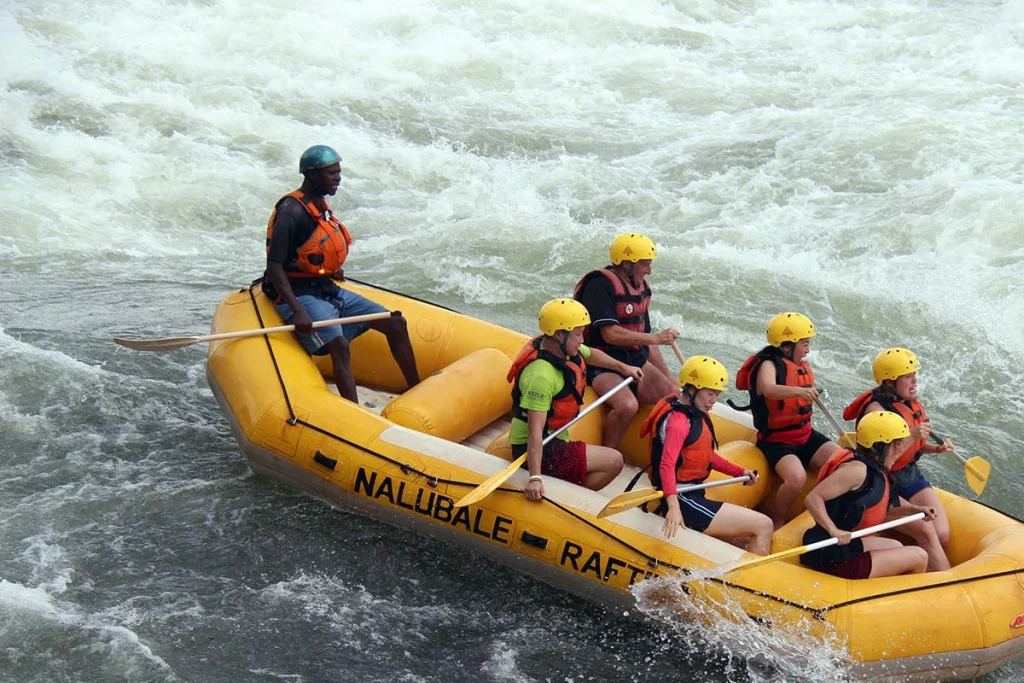
Things to do in Jinja. Jinja is unlike anywhere else in Uganda — and, arguably, unlike anywhere else in East Africa. Sitting at the point where the world’s longest river flows out of the world’s largest tropical lake and begins its 6,650-kilometre journey to the Mediterranean Sea, this former colonial-era city in eastern Uganda has reinvented itself as the continent’s undisputed adventure capital. Whether you have come for the white-water rapids, the history of one of Africa’s most significant geographical landmarks, the birding and forest walks just minutes from the city, or simply for the atmosphere of a Nile riverside town at golden hour — Jinja delivers on every front.
Located just 80 kilometres east of Kampala, roughly one and a half to two hours by road, Jinja is the most accessible major destination in Uganda and a natural first or last stop on any safari itinerary. At Kenlink Tours, we regularly incorporate Jinja into our Uganda safari packages for clients who want to combine the thrill of the Nile with gorilla trekking, primate tracking, or wildlife drives in the western parks. This guide covers the full range of tourist activities Jinja has to offer — from heart-stopping adventure sports to cultural discoveries, scenic nature walks, and one of the most serene sunset experiences in the entire Pearl of Africa.
Why Jinja Is Called the Adventure Capital of East Africa
Jinja earned its title as the Adventure Capital of East Africa not by accident but by geography. The upper Nile at Jinja moves with exceptional power, channelling the enormous volume of Lake Victoria — the world’s largest tropical lake — through a series of granite-carved rapids that create some of the most technically demanding and thrilling whitewater anywhere on the planet. That natural power has attracted adventure operators, professional athletes, and adrenaline-seeking travellers from around the world for decades, building an ecosystem of activities along the riverbanks that now rivals any adventure destination on the continent.
Beyond the rapids, Jinja’s appeal comes from its layered character. It is a city of colonial-era architecture and Indian-style buildings, of traditional Basoga culture and the Kyabazinga kingdom, of waterfront restaurants and craft markets, of Mabira Forest trails and sport fishing boats. The adventure draws you in, but the depth keeps you. Visitors who arrive expecting a one-day adrenaline stop regularly find themselves extending their stay to two or three nights, pulled back to the river each morning and reluctant to leave in the evenings.
Visiting the Source of the Nile — Jinja’s Most Iconic Attraction
No visit to Jinja is complete without standing at the point where the Nile River begins. The Source of the Nile — identified by British explorer John Hanning Speke in 1856 as the outlet of Lake Victoria into the Victoria Nile — is Jinja’s most iconic landmark and one of the most historically significant geographical sites on the African continent. A short boat ride from the western bank of the river takes you to the exact rocky spot where Speke stood as the first European to witness it, now marked by a monument in his honour.
The experience of visiting the Source of the Nile is both quietly moving and visually spectacular. The boat ride passes through papyrus channels and open stretches of water teeming with birdlife — African fish eagles, pelicans, cormorants, and kingfishers are commonly seen along the way. The source site itself is set in a small park filled with palm trees and tropical vegetation, with the constant sound of water finding its way into the current.
Best Time to Visit the Source of the Nile
Early afternoons and late evenings are the best times to visit — you avoid the midday heat and, in the evening, position yourself for one of the most beautiful sunsets in the country, with the light turning the wide Nile the colour of warm copper. The Uganda Tourism Board recognises the Source of the Nile as one of Uganda’s premier attractions, and it receives visitors year-round. For families and first-time visitors to Uganda, it is one of the most memorable and educational stops on any eastern Uganda itinerary, and it pairs naturally with a late afternoon sunset cruise further along the river.
White-Water Rafting on the Nile — The World-Class Experience
If there is one activity that has put Jinja firmly on the global adventure tourism map, it is white-water rafting on the Nile. The upper Nile at Jinja contains some of the most powerful and sustained Grade 4 and Grade 5 rapids anywhere on earth, and the full-day rafting experience here is consistently ranked among the top rafting trips in the world. Named rapids — including Overtime, Hair of the Dog, and the legendary Itanda Falls — deliver drops that send rafts briefly airborne, towering wave trains that test teamwork, and narrow chutes demanding precise steering.
No experience is necessary. Professional, internationally certified guide crews handle both complete beginners and seasoned rafters, and the safety protocols are stringent: life jackets, helmets, multiple rescue kayaks in the water at all times, and comprehensive briefings before every run. Between the rapids, the river calms into wide, beautiful stretches perfect for short swims and cliff jumps into emerald pools.
What to Expect on a Full-Day Nile Rafting Trip
Lunch is served riverside under shade trees — grilled tilapia fresh from the Nile, chapati, fresh fruit, and cold local beer — before the afternoon session of rapids begins. Full-day rafting trips cost approximately USD $135 per person and are operated by several well-established companies including Adrift Uganda, which has won international safety awards for its operation. Half-day trips are available for those with time constraints, and the rafting season runs year-round given the Nile’s consistent volume and power.
Back at base camp after the final rapid, a complimentary photo slideshow lets you relive the day’s highlights, and most groups head to the riverside bar for cold drinks and a well-earned celebration. The word most frequently used in traveller reviews is simply: epic. It is the one Jinja activity that should not be missed by anyone physically fit enough to attempt it.
Bungee Jumping over the River Nile
For those who want a focused, high-intensity adrenaline experience without committing to a full day on the water, bungee jumping over the Nile is Jinja’s second great adventure attraction. Operated at Nile High Bungee on the banks of the river, the jump takes place from a platform standing 44 metres above the surface of the Nile — a height that gives you a genuine, heart-stopping view of the river and its forested banks before you leap.
You can choose between the classic ankle tie — which allows your feet to touch the Nile water at the bottom of your arc — or a full body harness. Certified instructors conduct full equipment checks before every jump, and the platform is open to participants between 35 and 260 kilograms. The minimum age is 13 years, with under-18s requiring a parent or guardian’s consent present at the site.
Bungee Jumping Costs and What Makes It Unique
The cost is approximately UGX 200,000 to 250,000 per person (roughly USD $50 to $65). There is also the option for two people to jump together simultaneously, as the platform can safely handle up to 235 kilograms at once. Watching other jumpers from the viewing area before your own turn is part of the build-up, and the combination of the rushing Nile below, the dense green riverbank vegetation on both sides, and the wide open sky above makes this one of the most visually dramatic bungee locations in Africa.
First-time jumpers are encouraged to go for the ankle tie — the moment your feet make contact with the Nile water is something most people describe as one of the most vivid physical sensations of their lives. For many visitors, bungee jumping over the Nile becomes an unexpected personal milestone, not just a tourist activity.
Nile River Boat Cruises — Perfect for All Travellers
Not every visitor to Jinja wants an adrenaline experience — and for those seeking something calmer and equally memorable, the Nile boat cruise is the perfect choice. Daytime cruises operate along the upper Nile, passing through papyrus swamps, small islands with vervet monkey populations, and stretches of open water where hippos occasionally surface. The birding from the water is outstanding, and a pair of binoculars makes any cruise significantly richer.
Two-storey boats are available for larger groups and families, with a buffet lunch option on full-day cruises. The cruise pairs naturally with a visit to the Source of the Nile, and many operators combine both on a single half-day excursion. It is the ideal activity for couples, families with young children, senior travellers, or anyone who simply wants to absorb the beauty of the Nile at an unhurried pace.
The Nile Sunset Cruise — Jinja’s Most Beautiful Evening Experience
The sunset cruise, however, is in a category of its own. Departing around 5:30 pm, the hour-long evening cruise on the Nile catches the light at its most spectacular — the wide river turning gold and orange as the sun drops towards the tree line, African fish eagles calling from the banks, and the distant sound of the rapids providing a constant, unhurried backdrop. Snacks and cold beverages are served on board throughout the journey.
Most travellers who have done both the daytime and sunset versions consistently rate the latter as one of the most beautiful evenings of their entire Uganda trip. The experience needs no embellishment — the Nile at golden hour, from the water, is simply one of the finest sights in all of East Africa. It is a moment that stays with you long after you have left Jinja behind.
Kayaking on the Nile — For a Personal River Experience
For travellers who want a more personal relationship with the Nile than a group raft allows, kayaking offers exactly that. Jinja’s upper Nile caters to all kayaking levels — complete beginners can take guided flatwater sessions on the calmer stretches just above the main rapids, while experienced paddlers can attempt the technical whitewater runs under the supervision of certified Nile kayaking instructors. Safety equipment and river briefings are provided by all operators.
The feeling of navigating the Nile’s current in a single boat, with the wide river and its forested banks all around you, is a profoundly intimate experience. Unlike group rafting, where the energy is collective and loud, kayaking gives you space to be quiet on the Nile — to notice the kingfishers flashing low over the water, the papyrus swaying at the edges, and the changing colour of the current as the depth shifts beneath you.
River Tubing — The Most Relaxed Way to Enjoy the Nile
River tubing is the most laid-back water activity Jinja offers — floating down a calm section of the Nile on an inflated inner tube, with a cold drink in hand and the slowly passing riverbanks for company. It is perfect for groups of friends or families who want to be in the water together without the technical demands of rafting or kayaking. The pace is entirely your own, conversation is easy, and the views are genuinely beautiful.
On a warm afternoon with the river green and the banks lush, tubing on the Nile is one of those simple, unhurried Jinja experiences that people remember far longer than they expect. It also gives you a chance to crack open a cold Nile Special beer on the actual Nile — something of a Jinja tradition that travellers find both ridiculous and perfect in equal measure.
Horseback Riding along the Nile Banks
One of Jinja’s most distinctive and underrated activities is horseback riding along the western banks of the Nile, operated by Nile Horseback Safaris. The ride takes guests through a traditional Ugandan village, along the riverbank with elevated views over the Nile valley, and through plantations and open farmland — a completely different perspective on the landscape compared to any water-based activity.
The horses are well maintained, and trained guides provide basic instruction to complete beginners before setting off. The route passes through genuinely beautiful terrain — the Nile valley seen from horseback, with the wide river glinting below and the green hills of eastern Uganda stretching in every direction, is a view that stays with visitors long after the ride is over. Horseback riding in Uganda is available in only two locations — Jinja and Lake Mburo National Park — making the Jinja option particularly special.
Horseback Riding Options for Families and Couples
Pony rides are available for younger children, making this one of the most family-friendly adventure activities in Jinja. Sunrise and sunset riding packages are available and are particularly popular with couples seeking a romantic, unhurried experience away from the more crowded Nile activity sites. The guides are patient and deeply familiar with the riverside landscapes they navigate every day, making the experience equally enjoyable for first-time riders and those who ride regularly at home.
Quad Biking Through Jinja’s Countryside
For those who prefer to explore Jinja’s surroundings on land, quad biking offers a thrilling off-road adventure through the villages, farms, and dusty trails along the Nile’s banks. One-hour, two-hour, and three-hour quad biking excursions are available, with the longer packages taking riders through increasingly rural and scenic terrain. The activity is suitable for all ages and fitness levels, with smaller quad bikes and supervised children’s tracks available for younger visitors.
The trails pass through local communities, open farmland, and ridgelines with views down to the river below — an experience of Jinja that most visitors who stick to the main river sites never see. Sunset quad biking along the Nile banks is also available for full-day visitors who want to close their Jinja experience with something perfectly timed to the golden light of the evening. The combination of speed, dust, open landscape, and the smell of the African countryside makes it a surprisingly moving experience.
Cycling in Jinja and Around Mabira Forest
Cycling is particularly popular around Mabira Forest, roughly 20 kilometres from Jinja town, where mountain bike hire is available at the forest eco-site. The trails through Mabira provide a beautiful, shaded ride through one of Uganda’s last remaining large natural forests, with monkeys in the canopy, constant birdsong, and the air noticeably cooler under the forest cover.
For travellers who enjoy active exploration but want something gentler than rafting or bungee jumping, a morning cycle through Mabira followed by an afternoon Nile cruise makes for one of Jinja’s most perfectly balanced and satisfying days. The contrast between the enclosed green world of the forest and the wide open expanse of the Nile just an hour later is one of those travel experiences that feels almost too well-designed to be accidental.
Zip-lining in Mabira Forest — A Canopy Adventure
Mabira Forest Reserve, situated along the Kampala–Jinja highway about 30 minutes from the city, is one of the largest remaining natural forests in central Uganda and a world-class eco-tourism destination in its own right. The forest’s main adventure offering is the Forest Canopy Super Skyway — more than 200 metres of zip-line runs through towering trees up to 40 metres tall, crossing the River Musamya below.
Moving through the forest canopy at speed, with the forest floor far below and the river glinting between the trees, is an extraordinary experience. The sounds of the forest — bird calls, the rustle of primates in the canopy, the wind through the high branches — make zip-lining in Mabira feel very different from artificial adventure parks. This is a living forest, and moving through it at height gives you a rare and exhilarating elevated perspective on one of Uganda’s most important natural ecosystems.
Nature Walks and Wildlife in Mabira Forest
For those who prefer to keep their feet on the ground, guided nature walks through Mabira offer a quieter encounter with the forest’s remarkable biodiversity. Over 300 bird species have been recorded here, along with 218 butterfly species, red-tailed monkeys, and the elusive grey-cheeked mangabeys that have been habituated in parts of the forest for guided observation. Birders visiting Uganda for the first time consistently rank Mabira as an unexpected highlight.
The forest also has camping facilities for those who want an overnight stay inside the reserve, and the Griffin Falls Eco Campsite is a popular choice for weekend travellers from Kampala who combine a Mabira overnight with a Jinja day trip. Spending a morning in Mabira and an afternoon on the Nile is one of the smartest ways to structure a Jinja visit, covering two completely different but equally rewarding environments in a single day.
Sport Fishing on the Victoria Nile
Jinja was a fishing village long before it became an adventure capital, and sport fishing on the Victoria Nile and the upper reaches of Lake Victoria remains one of the most rewarding activities available to visitors. The Nile at Jinja is home to some of the largest freshwater fish in the world, including the legendary Nile perch — which can exceed 100 kilograms — as well as tilapia, catfish, tiger fish, and silverfish.
Guided fishing trips range from two hours to a full day, with all equipment provided and expert guides on hand to advise on technique and positioning. No prior fishing experience is required, and freshly caught fish can sometimes be cooked for lunch at a riverside restaurant — a deeply satisfying conclusion to a morning on the water. For travellers who want a peaceful, contemplative Jinja experience alongside the wilder activities, sport fishing provides the perfect counterbalance.
Why Sport Fishing on the Nile Is Uniquely Special
The Nile at Jinja, at a fishing pace, gives you a side of the river that the adventure sports crowd rarely pauses long enough to appreciate. The birds of the riverbank, the occasional hippo surfacing in the distance, the sound of local fishermen paddling traditional canoes in the early morning light — it is, in many ways, the most authentic Jinja experience available. There is also something genuinely humbling about catching a fish in the world’s longest river, at the very point where it begins its journey.
Jet Boating on the Nile — High Speed on the Water
For those who want speed and spectacle on the water without the full commitment of rafting, jet boating offers one of Jinja’s most exhilarating short experiences. The ride takes place on a powerful speed boat capable of reaching 90 kilometres per hour, spending approximately 30 minutes on the Nile with high-speed spins, 360-degree rotations, jumps over river currents, and water spraying in every direction. It is the most immediately thrilling activity Jinja offers for the time invested.
Jet boating requires no swimming experience and is open to children from five years of age, making it one of the most genuinely family-inclusive thrill activities in Jinja. A twelve-seater jet boat is available for family and group packages. The combination of raw speed on the Nile, the dramatic river scenery rushing past, and the sheer noise and spray of the experience makes for outstanding photographs and an unforgettable short adventure on the world’s most famous river.
Cultural and Historical Attractions in Jinja
Jinja is far more than its adventure activities, and the city’s cultural and historical layers reward travellers who take the time to explore beyond the river. The Uganda Railway Museum at Jinja Railway Station brings alive the history of the famous “Lunatic Express” — the Mombasa-to-Uganda railway built at the turn of the 20th century — through carefully curated exhibits, a restored railway carriage, photographs, and a video presentation that contextualises the railway’s construction and its profound impact on Uganda’s development.
There is also a vintage locomotive on display that children enjoy climbing on, and a section of the museum dedicated to younger visitors that turns history into an accessible and enjoyable experience. The museum is open Tuesday to Sunday, 9:00 am to 6:00 pm. Note that admission is cash only — a small detail worth knowing before you arrive. It is an excellent way to spend an hour, particularly on a morning before heading to the river for afternoon activities.
Jinja’s Colonial Architecture and the Busoga Kingdom
Jinja’s town centre offers a fascinating architectural time capsule — wide, tree-lined streets of Indian-style colonial buildings built during the early 20th century, when the city’s industrial growth was driven largely by South Asian traders and workers brought over to build and service the Uganda railway. Browsing the town’s main road, visiting the local market, and exploring the old Hindu temples give a vivid sense of Jinja’s layered, multicultural identity that few cities in East Africa can match.
The Kyabazinga’s Palace in Bugembe — the official residence of the king of the Busoga Kingdom — is accessible for cultural visits, and the city hosts traditional Lusoga dance and music performances that are well worth seeking out during an extended stay. The Speke Monument on the western bank of the Nile marks the historical spot where John Hanning Speke identified Lake Victoria as the source of the Nile, and the Mahatma Gandhi Monument in Jinja commemorates the site where a portion of Gandhi’s ashes were scattered in the river — a place of deep significance for Indian visitors and a fascinating piece of modern history for all.
Jinja as Part of a Broader Uganda Safari Itinerary
Jinja sits in an ideal position within Uganda’s overall safari geography. It is two hours from Entebbe International Airport and Kampala, making it a natural first or last stop on any Uganda itinerary. Travellers arriving from Kigali, Nairobi, or international hubs can go directly to Jinja for one or two nights of Nile activity before heading west into Uganda’s wildlife parks — or, after a western safari, close the journey in Jinja for a day of celebration on the river before flying home.
At Kenlink Tours, we regularly build Jinja days and overnight stays into Uganda safari packages for clients travelling between Entebbe and the western parks. A well-designed Uganda itinerary can open with a day of white-water rafting and a sunset Nile cruise in Jinja, then move west to Lake Mburo, Kibale Forest, Queen Elizabeth National Park, and Bwindi for gorilla trekking — giving visitors an immediate, unforgettable introduction to Uganda’s personality before the deeper wilderness begins.
How Kenlink Tours Organises Your Jinja Visit
We arrange private transfers from Entebbe International Airport or Kampala to Jinja, can book Nile activity operators on your behalf, recommend accommodation options from budget riverside guesthouses to luxury Nile-view lodges, and build the Jinja component seamlessly into whatever broader Uganda itinerary suits your group and interests. Whether you are combining Jinja with a Uganda gorilla safari, a Big Five and primate safari, or a standalone eastern Uganda exploration, our team handles every booking and logistical detail.
You can read more about Uganda’s seasonal conditions, travel distances, and wildlife highlights on our About Uganda page, and explore our full range of safari options on our Uganda safaris page. For a premium, fully curated Uganda experience that includes Jinja, our Uganda luxury safari packages offer handpicked lodges, private vehicles, and expert guide services from the Nile to Bwindi and beyond.
To begin planning a safari that includes Jinja — whether for a single day or a multi-night stay — reach out to our team directly through our Uganda safari bookings page. Jinja is two hours from Kampala and a world away from anywhere else. The Nile is waiting.
Plan your Uganda safari with Jinja included — contact Kenlink Tours today →