- EXPERT'S HELP
- +256789210067
- +256200955001
- info@kenlinktours.com


Things to do in Jinja
April 28, 2026
Tours in South Sudan
April 28, 2026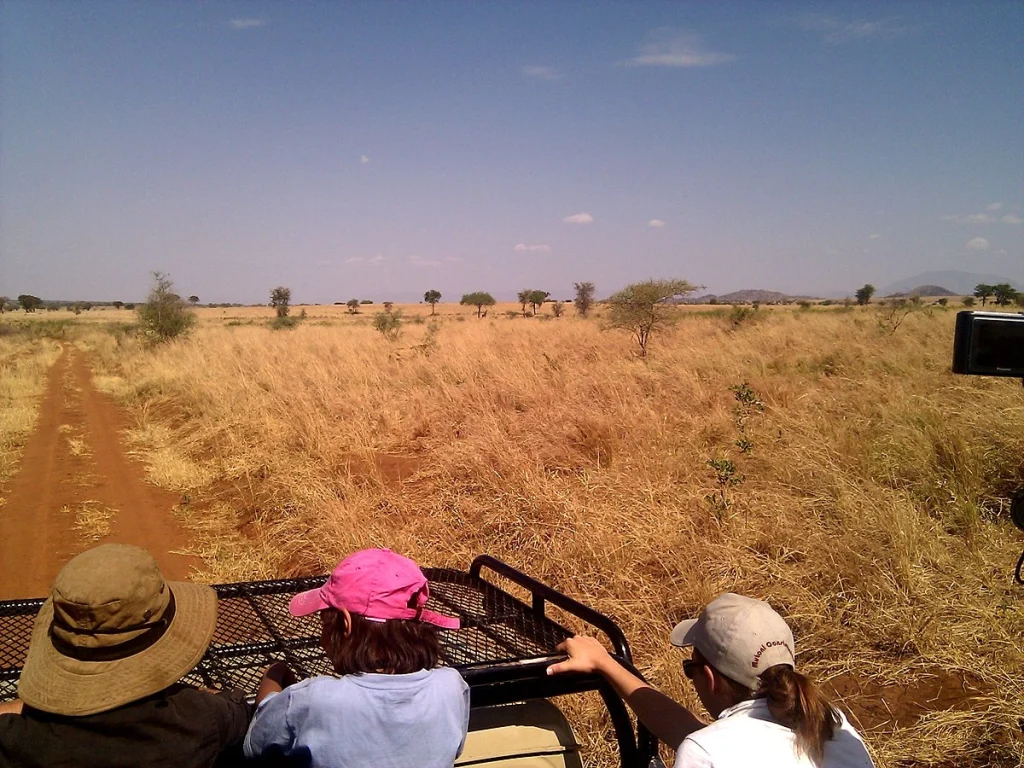
Kidepo Valley National Park Tour Packages. There are national parks that are popular. There are national parks that are beautiful. And then, very rarely, there are national parks that are genuinely transformative — places so remote, so visually overwhelming, and so untouched by the machinery of mass tourism that visiting them does not just satisfy your appetite for wildlife but fundamentally changes your understanding of what a wild place can be. Kidepo Valley National Park is that kind of place.
Located in the extreme northeastern corner of Uganda, tucked between the borders of South Sudan to the north and Kenya to the east, Kidepo sits in the rugged semi-arid valleys of the Karamoja region — a landscape unlike anything else in the country. It is approximately 700 kilometres from Kampala, making it Uganda’s most remote national park and, by a considerable margin, its least visited. Yet CNN International has rated it among the top national parks in Africa, and Lonely Planet has described it as one of the continent’s finest wilderness destinations. At Kenlink Tours, we organise complete Kidepo Valley tour packages for travellers who want to experience the authentic, untouched Africa that this extraordinary park delivers.
What Makes Kidepo Valley National Park Unique in Uganda
Kidepo is unlike any other park in Uganda, and the differences begin with its geography. While Uganda’s southern parks — Queen Elizabeth, Murchison Falls, Bwindi — sit in relatively accessible, well-visited landscapes, Kidepo occupies a world of its own. The park covers 1,442 square kilometres of open savannah plains, rocky outcrops, steep mountain ridges, and ancient riverbeds, framed by the dramatic Morungole mountain range that rises to 2,750 metres along the border with South Sudan.
The two main valleys — the Narus Valley, which holds the park’s permanent water source and greatest concentration of wildlife, and the more remote Kidepo Valley — create two distinct ecosystems within the same park. The Narus Valley is the heart of the game viewing experience: a wide, open grassland plain through which the Narus River runs, drawing wildlife from across the park during the dry season in numbers that rival any savannah in East Africa.
Wildlife You Can Only See in Kidepo
What further sets Kidepo apart from every other park in Uganda is its wildlife roster. The park harbours over 76 species of mammals, and a remarkable number of them are endemic to the Karamoja region — found nowhere else in Uganda. Cheetahs, caracals, aardwolves, bat-eared foxes, black-backed jackals, Beisa oryx, greater and lesser kudus, dik-diks, klipspringers, and the striped hyena are all present in Kidepo but absent from Uganda’s other national parks. It is the only Ugandan park where you can see ostriches — the world’s largest bird — moving across the open plains.
The predator checklist is exceptional. Twenty species of predator have been recorded, including lions in the open valleys, leopards in the rocky hillsides, and cheetahs on the flat grassland plains. Elephants, buffaloes, plains zebras, Rothschild’s giraffes, and Uganda kobs are among the most numerous species. All four of the Big Five except rhino are present — and the Uganda Wildlife Authority, which manages the park, continues to expand its conservation programme across the Karamoja ecosystem.
Kidepo’s Extraordinary Birdlife — Over 475 Species
For birdwatchers, Kidepo Valley National Park is one of the most compelling destinations in all of East Africa. Over 475 bird species have been recorded — the second highest count of any park in Uganda — and the diversity reflects the park’s position at the intersection of Sudanese, Ethiopian, and East African avifaunal zones. More than 100 species found in Kidepo are exclusive to northern Uganda and do not appear elsewhere in the country.
Among the most sought-after species are the Karamoja apalis (endemic to this region), Clapperton’s francolin, the rose-ringed parakeet, the Abyssinian roller, the Abyssinian ground hornbill, the kori bustard, secretary birds, and the common ostrich. The park boasts 58 recorded species of raptors, including Egyptian vultures and Verreaux’s eagles. Birding is conducted along the fringes of the Narus and Namamukweny Valleys, and the best sightings tend to occur during morning walks between 6:00 and 9:00 am when the light is low, the air is cool, and bird activity is at its peak.
Game Drives in Kidepo — The Core Safari Experience
Game drives are the foundation of any Kidepo Valley tour package, and the experience here is unlike game drives anywhere else in Uganda. The combination of vast open plains, low vehicle density, and an exceptionally diverse wildlife population creates an intimate, unhurried encounter with the African bush that few other destinations on the continent can replicate. On a good morning in the Narus Valley during the dry season, a single two-hour game drive can yield sightings of lions, elephants, giraffes, zebras, buffaloes, and multiple antelope species — all without passing another vehicle.
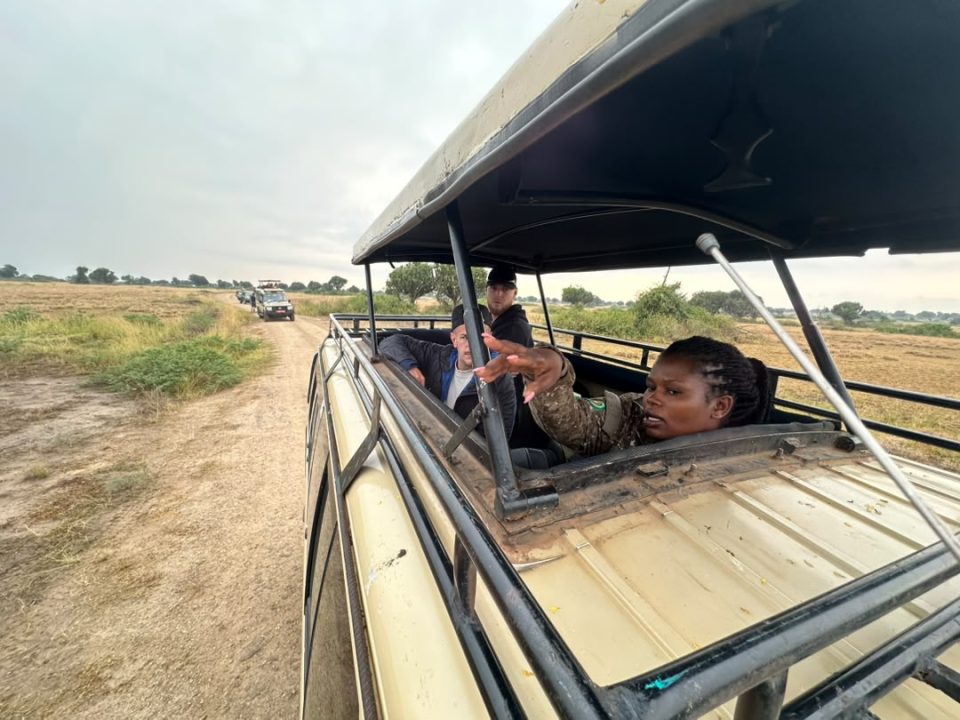
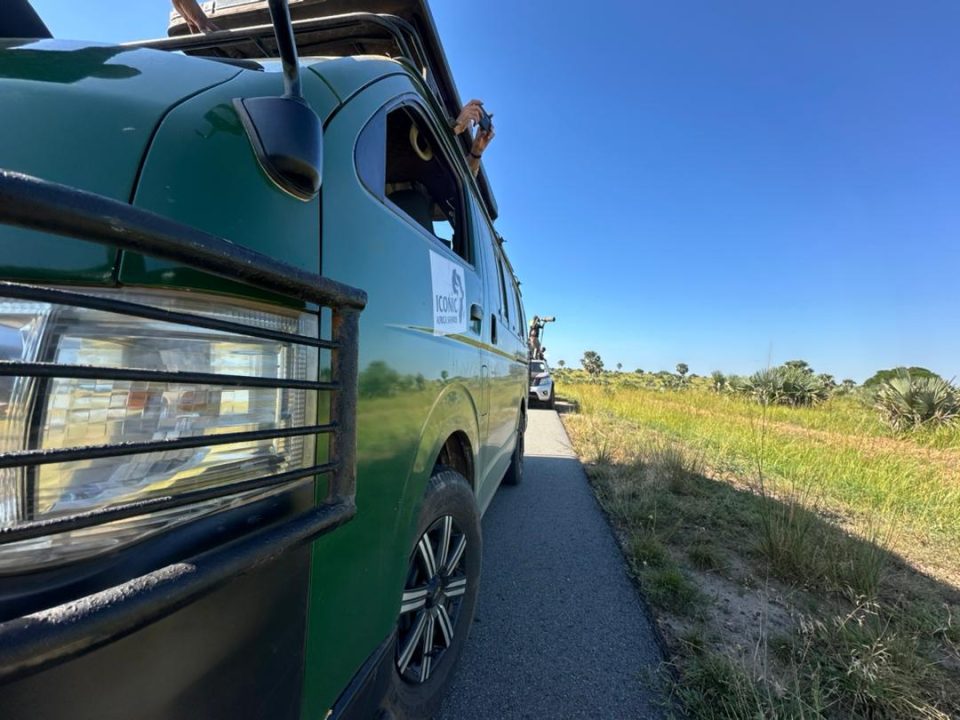
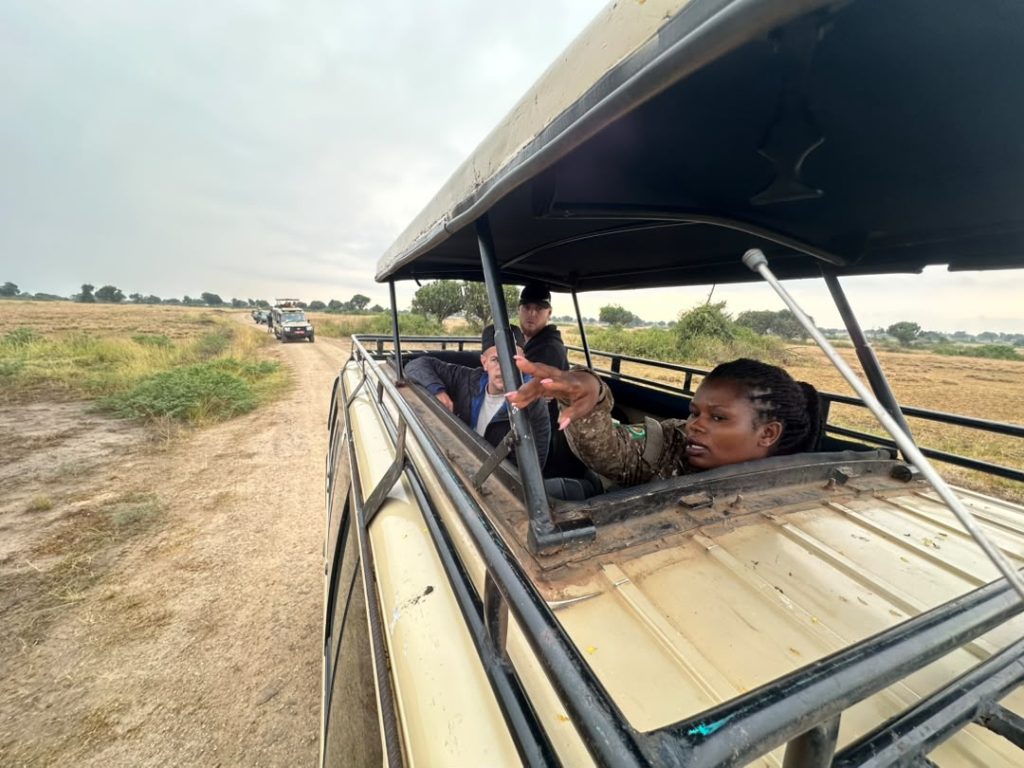
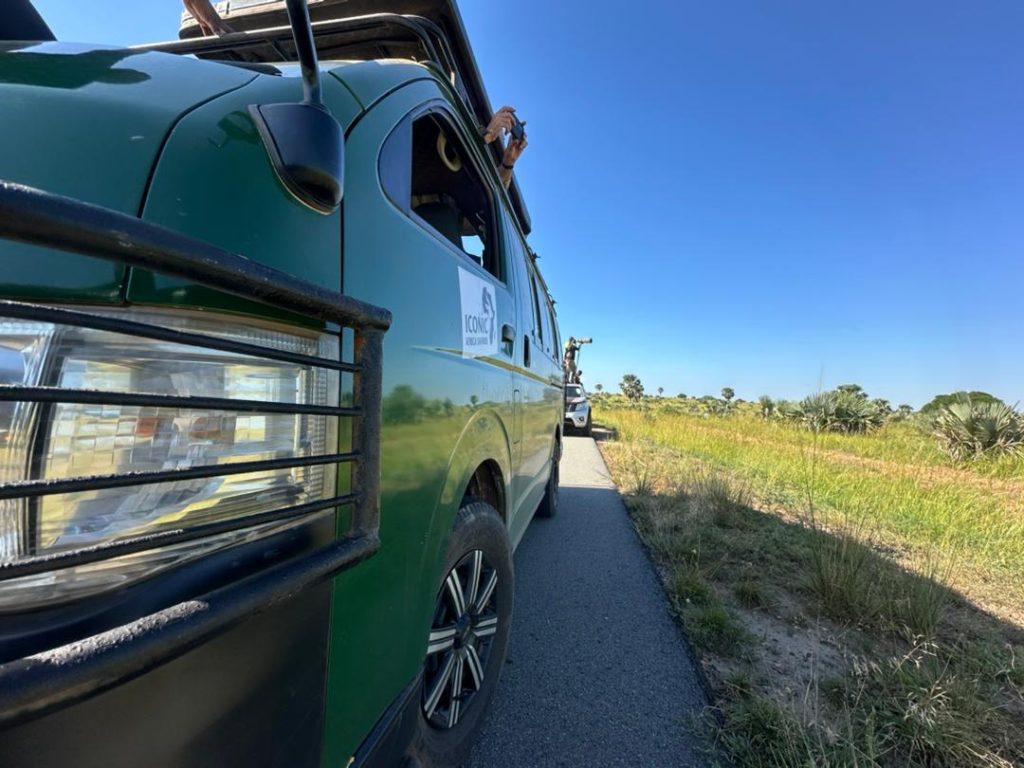
Game drives are conducted in the two main sections of the park — the Narus Valley and the Kidepo Valley — in a well-maintained four-wheel drive safari vehicle with an armed Uganda Wildlife Authority ranger guide. Morning drives beginning at 6:00 am are the most productive for predator sightings and general wildlife activity. Evening drives departing around 4:00 pm are excellent for seeing wildlife concentrated at water sources and give spectacular golden-hour light for photography. Night drives, available on request through the park management at Apoka, offer the rare chance to spot nocturnal species including leopards, aardvarks, and bush babies.
What to Expect on a Morning Game Drive
The quality of a Kidepo game drive is directly connected to the season. During the dry months — December through March and June through August — wildlife concentrates around the permanent water of the Narus River, creating remarkable density and diversity in a relatively compact area. Animals that are normally shy and dispersed during the rains become visible, approachable, and constantly active around the water. Cheetah sightings increase dramatically during the dry season, as the sparse vegetation leaves them with nowhere to hide.
During the wet season from April to November, the park transforms into a green landscape of fresh grass and flowering acacia. Wildlife disperses across the park as water becomes available everywhere, making concentrated sightings less predictable — but the birding improves significantly, and the landscape photography is extraordinary. A good ranger guide makes all the difference in either season, and the guides stationed at Apoka Tourism Centre have accumulated years of specific knowledge about Kidepo’s animal movements and behaviour.
Walking Safaris in Kidepo — Exploring on Foot
One of the most distinctive and rewarding activities available in Kidepo Valley National Park is the walking safari, and few parks in Uganda offer the same quality of on-foot wildlife experience. The walking safari departs from Apoka Tourism Centre and takes visitors through the open grasslands of East Kakine and along the Rioname Trail, winding through the southern stretches of the Narus Valley with an armed ranger guide who manages both your safety and your education.
Walking in Kidepo gives you a ground-level intimacy with the landscape that is impossible from a vehicle. You notice the texture of the soil, the intricate detail of the acacia trees, the fresh tracks left by lions in the early morning — a layer of connection with the environment that rewrites your understanding of the place. The walks can range from gentle two-hour excursions to longer half-day routes along the ridgeline trails that offer sweeping views over the valleys below. These longer routes are physically demanding but consistently described by visitors as the most memorable activity of their entire Kidepo visit.
Cultural Encounters with the Karamojong People
No Kidepo Valley tour package is complete without time spent with the Karamojong — one of Uganda’s most fascinating and culturally distinctive peoples. The Karamojong are Nilotic agro-pastoralists who migrated into northeastern Uganda from Ethiopia over 500 years ago and have, in many respects, maintained a way of life largely unchanged since their arrival. Their deep, almost spiritual relationship with their long-horned cattle — which form the foundation of their economy, social structure, and identity — defines every aspect of their culture.
A visit to a Karamojong manyatta (traditional homestead) is arranged through the park management at Apoka Tourism Centre, and a ranger or community guide accompanies all cultural visits. You can participate in traditional dances, observe daily activities including cattle management and craft-making, purchase handmade beads, stools, and bangles directly from community members, and listen to elders tell the history of the Karamoja region. The authenticity of the encounter is striking — this is not a performance staged for tourists but a genuine glimpse into a living culture.
Visiting the IK People on Mount Morungole
Beyond the Karamojong, Kidepo offers an even more extraordinary cultural encounter — a visit to the IK people on the slopes of Mount Morungole. The IK are one of Uganda’s smallest ethnic groups, a hunter-gatherer tribe who have lived on the forested mountainside at the border with South Sudan for generations. Their population numbers only a few thousand, and their way of life — centred on honey gathering, subsistence farming, and a profound connection with the mountain forest they inhabit — is unlike any other community in Uganda.
Reaching the IK requires a hike up the lower slopes of Mount Morungole, approximately 15 kilometres from Apoka along a ridgeline trail. The hike is demanding but rewards the effort with sweeping panoramic views over both the Kidepo and Narus Valleys, as well as a profoundly moving encounter with a community navigating the intersection between a centuries-old way of life and the pressures of the modern world. This is an experience available in no other park in Uganda, and for travellers with a genuine interest in cultural depth, the IK visit is one of Kidepo’s most powerful offerings.
Kanangorok Hot Springs — A Hidden Natural Attraction
Within the Kidepo Valley itself — the northern section of the park, distinct from the Narus Valley and less frequently visited — lies one of Uganda’s most unusual natural attractions: the Kanangorok Hot Springs. These geothermal springs bubble up from the earth amid the remote valley floor, surrounded by the stark, beautiful semi-arid landscape of the Karamoja borderlands with South Sudan. The hot springs are typically visited as part of a full-day game drive into the Kidepo Valley, a route that also offers excellent opportunities for wildlife sightings and dramatic landscape photography.
The Kidepo Valley section of the park is deliberately left more remote and less developed than the Narus Valley, and driving through it gives visitors a sense of true, unmediated wilderness — the feeling that you could be the first person to pass through in weeks. Lions have been spotted resting on the rocky outcrops near Kanangorok, and the combination of the thermal steam rising against the mountain backdrop makes for some of the most evocative safari photography available anywhere in Uganda.
How to Get to Kidepo Valley National Park
Getting to Kidepo is the greatest logistical challenge of planning a Kidepo tour package — and also part of what makes the experience so rewarding. The park’s remoteness is intrinsic to its character. There are two main options: road travel and domestic flights.
By road from Kampala, the journey to Kidepo covers approximately 700 kilometres and takes between 10 and 12 hours via the main northern corridor through Karuma, Gulu, and Kitgum. Most overland itineraries break the journey with an overnight stop in Gulu, and many also incorporate a morning visit to Ziwa Rhino Sanctuary en route — an excellent opportunity to track Uganda’s white rhinos on foot. The road journey through northern Uganda is itself an experience: the landscape changes dramatically as you leave the green southwest and move into the increasingly vast, open Karamoja savannah.
By air, domestic airlines including Aerolink Uganda operate scheduled and chartered flights from Entebbe International Airport or Kajjansi Airfield to Apoka Airstrip, with a flight time of approximately one and a half hours. For travellers with limited time or a preference for efficiency, the flight option is strongly recommended — particularly during the wet season when road conditions in the final approach to the park can be challenging.
Kenlink Tours Kidepo Packages — What We Offer
At Kenlink Tours, we design Kidepo Valley tour packages for all types of travellers and budgets, from three-day fly-in safaris to comprehensive ten-day northern Uganda itineraries that combine Kidepo with Murchison Falls, Ziwa Rhino Sanctuary, and the wider Karamoja region. Every package includes airport or hotel pickup, professional driver-guide services, park entrance fees, all game drives and activities, and accommodation arranged to match your preferred comfort level and budget.
Our most popular Kidepo offering is the five-day Kidepo tour package — the minimum duration we recommend for a meaningful experience of the park. Day one covers the overnight journey to Gulu with a Ziwa Rhino visit en route. Day two is a full transfer day into the park with an evening game drive in the Narus Valley. Days three and four give you morning and afternoon game drives, a walking safari, a cultural visit to the Karamojong manyatta, and an optional excursion to the Kidepo Valley and Kanangorok Hot Springs. Day five returns to Kampala or Entebbe via the northern corridor.
Kidepo Tour Package Options by Duration
For travellers who want to fly in and maximise time in the park, we offer a three-day Kidepo fly-in package — departing Entebbe on a morning domestic flight, arriving at Apoka in time for a full afternoon game drive, spending two full days in the park with morning and evening game drives, a walking safari, and a cultural visit, and returning to Entebbe on the third afternoon. This is the fastest way to experience Kidepo and works well as an extension of a western Uganda gorilla safari itinerary.
For those who want the full northern Uganda experience, our seven and ten-day packages combine Kidepo with Murchison Falls National Park — Uganda’s largest park and home to the Nile’s most dramatic waterfall — and can incorporate Sipi Falls, Mount Elgon, and the cultural landscapes of the Karamoja region into a comprehensive circuit. These longer packages give you the full breadth of Uganda’s northern wilderness in a single, seamlessly managed itinerary.
Accommodation in Kidepo Valley National Park
Kidepo’s accommodation options are more limited than Uganda’s southern parks, but what exists covers the full range from budget camping to genuine luxury, and the properties inside the park offer some of the most atmospheric wildlife-viewing situations in East Africa.
Apoka Safari Lodge is the park’s only luxury option, positioned on a low rise in the heart of the Narus Valley with 360-degree views of the plains. Ten spacious bandas built from wood, canvas, and thatch deliver comfort without formality, and the raised dining room and bar provide a perfect wildlife-viewing platform. Lions have been observed lazing near the pool during the dry season, and the lodge’s position means that the wildlife of the Narus Valley is literally on your doorstep from the moment you arrive. It is one of the finest luxury lodges in Uganda by any standard.
Nga’Moru Wilderness Camp is a mid-range option situated about four kilometres from the Katarum Gate, overlooking the Narus Valley. Three cabana rooms and three safari tents, all with en-suite bathrooms, hot and cold running water, and private balconies with wildlife views. An evening campfire, a bar and restaurant, and exceptional Narus Valley panoramas make this one of the most appealing mid-range options in northern Uganda.
Kidepo Savannah Lodge sits 500 metres from the Kalokudo Gate on Kawalokol Hill, with views over the Narus Valley, Mount Morungole, and the mountains along the South Sudan border. It offers both self-contained safari tents and budget non-self-contained tents, with a bar and restaurant, car hire, and guiding services. The location provides spectacular sunrise and sunset views that many guests describe as the highlight of their stay.
Apoka Rest Camp, managed by the Uganda Wildlife Authority, provides 16 self-contained cabins and a basic hostel at budget rates, as well as a campsite for those who want to sleep under the stars with the sounds of the Kidepo wilderness all around them.
Best Time to Visit Kidepo Valley National Park
The best time for wildlife viewing in Kidepo is the dry season, which runs from December through March and again from June through August. During these months, the Narus River becomes one of the only permanent water sources in a wide area, and wildlife concentrates around it with a density and regularity that makes game drives predictably excellent. The vegetation is sparse, visibility is long, and the light during the dry season — clear, golden, and intense — is exceptional for photography.
The wet season from April to November transforms the park into a lush, green landscape that is extraordinarily beautiful, particularly for landscape photography against the dramatic backdrop of the Morungole mountains and the cloud formations that build over the semi-arid plains each afternoon. Birding improves significantly as migratory species join the resident populations and breeding activity peaks. Road conditions can be challenging during the heaviest rain months, which is why the domestic flight option is strongly recommended for wet-season visitors.
Combining Kidepo with Other Uganda Safari Destinations
Kidepo is most commonly visited as part of a broader Uganda safari itinerary, and the northern corridor route opens up several compelling combination options. The classic northern Uganda circuit combines Kidepo Valley with Murchison Falls National Park — which sits roughly halfway between Kampala and Kidepo along the main northern road — allowing visitors to experience Uganda’s largest park, the dramatic Murchison Falls on the Nile, and Kidepo’s unique semi-arid wilderness in a single journey.
Ziwa Rhino Sanctuary, located along the Kampala–Gulu highway, is almost always included as an en-route stop, giving travellers the chance to complete the Big Five on foot before entering the main parks. For those who want the full Uganda experience combining north and south, our Uganda safaris page shows comprehensive itineraries that pair Kidepo with gorilla trekking in Bwindi, primate tracking in Kibale, and wildlife drives in Queen Elizabeth National Park. Read our full guide on Big Five and primate safaris in Uganda to understand how all of Uganda’s parks connect into a single, logical itinerary.
Why Book Your Kidepo Tour Package with Kenlink Tours
At Kenlink Tours, we are a Uganda-based operator with over 15 years of experience organising safaris across Uganda and East Africa. Kidepo Valley National Park is one of our most prized destinations — not simply because it is spectacular, but because so few travellers know about it. When we take a client to Kidepo for the first time, we know that what they are about to experience is the kind of pure, unfiltered African wilderness that is becoming increasingly rare on the continent. We approach that responsibility with genuine care.
Every Kidepo tour package we organise includes professional driver-guide services from experienced guides who know the Karamoja region intimately, all park fees and activities, hand-selected accommodation matched to your budget and style, and 24-hour support from our team throughout your safari. Whether you are a solo traveller, a couple, a family, or a group, we build your itinerary around your specific interests and travel dates. For a luxury Kidepo experience with Apoka Safari Lodge and a fly-in itinerary, visit our Uganda luxury safari packages page. For budget and mid-range overland packages, our Uganda safari bookings page is the place to start.
Kidepo Valley National Park is Uganda’s greatest secret. Let Kenlink Tours take you there.
Book your Kidepo Valley National Park tour package with Kenlink Tours today →