- EXPERT'S HELP
- +256789210067
- +256200955001
- info@kenlinktours.com


Two Days Chimpanzee Tour in Uganda
October 4, 2026
3 Days Gorilla and Chimp Tracking Safari in Uganda
October 4, 2026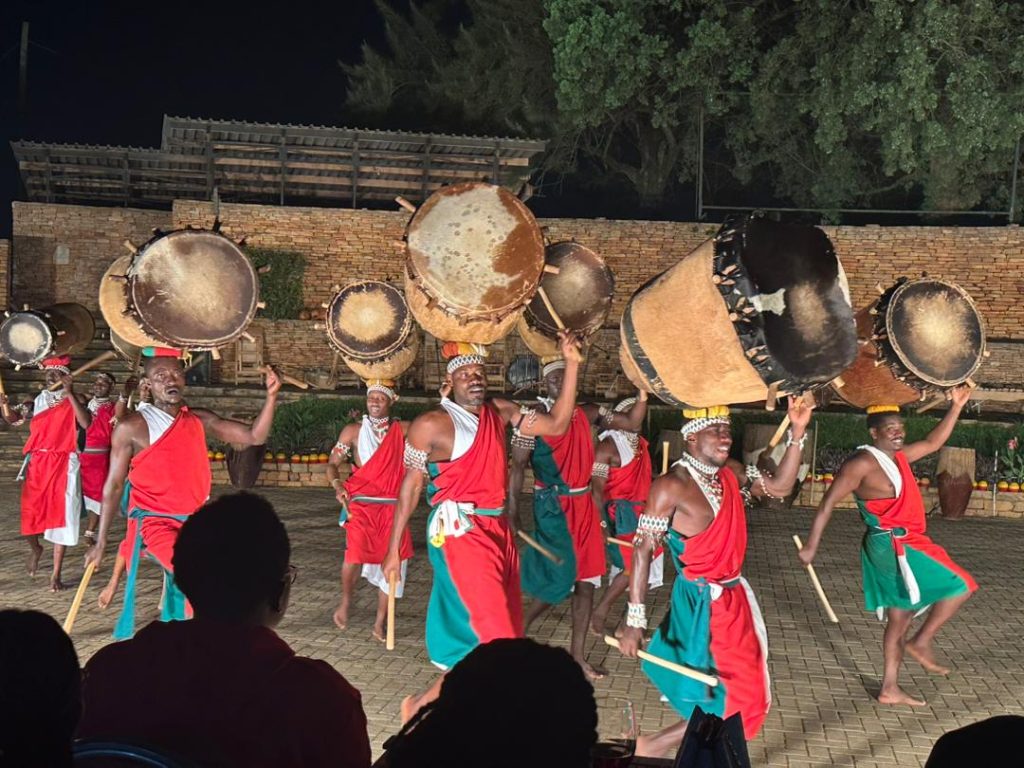
Where to do Cultural Tour in Kampala. Kampala is far more than a busy gateway to Uganda’s national parks. Built across a series of green hills on the northern shores of Lake Victoria, Uganda’s capital is the historic heart of the Buganda Kingdom and a melting pot of the country’s more than 50 ethnic groups. Royal tombs, palaces, sacred shrines, grand places of worship, colorful markets, drumming and dancing all sit within a short drive of one another. If you are wondering where to do a cultural tour in Kampala, the good news is that you can experience a remarkable amount of Uganda’s heritage in just one or two days.
At Kenlink Tours, we guide cultural tours in Kampala for travellers arriving before a safari, business visitors with a free day, students, families and anyone curious about Ugandan life. In this guide, we share the best places for a cultural tour in Kampala, what makes each one special, practical tips, a sample one-day itinerary and ideas for combining culture with wildlife adventures across Uganda.
Why Take a Cultural Tour in Kampala?
Most visitors come to Uganda for gorillas, chimpanzees and game drives, but understanding the people and history behind the country makes every part of a safari richer. A cultural tour in Kampala helps you:
- Understand Uganda’s history, from the ancient Buganda Kingdom to colonial times and independence.
- See living traditions, including royal customs, barkcloth making, drumming and dance.
- Experience everyday life in markets, neighbourhoods and street food stalls.
- Visit landmark places of worship that reflect Uganda’s diverse faiths.
- Recover from your flight with a gentle, rewarding day before heading upcountry.
Our Kampala city tours are designed around these experiences, and you can read more about the city’s background in our overview of Kampala City.
Understanding the Buganda Kingdom
Before exploring Kampala’s cultural sites, it helps to know a little about the Buganda Kingdom. The Baganda are Uganda’s largest ethnic group, and their kingdom, ruled by a king known as the Kabaka, has existed for centuries. Although traditional kingdoms were abolished in 1967, they were restored in 1993 as cultural institutions, and the Kabaka remains a deeply respected figure today.
Many of Kampala’s most important cultural sites are connected to Buganda: royal tombs, the palace, the kingdom’s parliament and sacred hills. Learning about the clan system, totems, royal drums and ceremonies brings these places to life. Read our guide to the Buganda Kingdom for a deeper introduction, and discover the country’s wider diversity in our article on how many tribes are in Uganda.
1. Kasubi Tombs: Royal Burial Grounds of the Kabakas
The Kasubi Tombs are the most important cultural site in Kampala and a UNESCO World Heritage Site. Set on Kasubi Hill, they are the burial place of four Kabakas of Buganda, housed within Muzibu Azaala Mpanga, a magnificent circular building made from wooden poles, reeds, wattle and daub and topped with a vast thatched roof.
The site is still an active religious and cultural centre, cared for by members of the royal family and traditional custodians. Visitors learn about Buganda’s royal history, burial customs and the roles of the women who guard the tombs. After a fire badly damaged the main building in 2010, it was carefully rebuilt using traditional skills and materials, a process that itself became a lesson in preserving cultural knowledge. Read more in our guide to the Kasubi Tombs.
2. Lubiri (Mengo Palace) and the Royal Mile
The Lubiri, or Mengo Palace, is the traditional palace of the Kabaka, built on Mengo Hill in the late 19th century. Although visitors cannot enter the palace buildings, guided tours of the grounds reveal a powerful and sometimes painful chapter of Ugandan history. In 1966, government forces attacked the palace and the Kabaka fled into exile, after which the site was converted into military barracks. Under Idi Amin’s regime, underground chambers on the grounds were used as a prison and torture site, which visitors can see today as a sobering memorial.
From the palace, a straight road known as Kabaka Anjagala Road, often called the Royal Mile, runs directly to the Bulange. Tradition holds that the road should never be blocked between the king’s palace and his parliament, symbolising the bond between the Kabaka and his people.
3. Bulange: The Parliament of the Buganda Kingdom
At the other end of the Royal Mile stands the Bulange, the impressive building that houses the Buganda Kingdom’s parliament, known as the Lukiiko, and its administrative offices. Guided tours explain how the kingdom is organised, the role of the Katikkiro (prime minister) and the importance of the clans. The building’s architecture and the symbolism of its location make it a fascinating stop on any cultural tour in Kampala.
4. Wamala Tombs
For travellers who want a quieter, less visited royal site, the Wamala Tombs on a hill in Nansana, just outside central Kampala, are the burial place of Kabaka Ssuuna II, one of Buganda’s most famous 19th-century kings. The thatched tomb house and its surroundings offer an authentic glimpse of royal burial traditions, with fewer visitors than Kasubi. Guides share stories about Ssuuna II’s reign and the customs surrounding royal ancestors.
5. Ndere Cultural Centre: Music and Dance from Across Uganda
If you only do one evening activity in Kampala, make it a performance at the Ndere Cultural Centre. Home to the Ndere Troupe, the centre presents energetic, colourful shows of traditional music and dance from many regions of Uganda, from the Baganda’s hip-shaking Bakisimba to the high-jumping dances of the Banyankole and Karamojong. Performers explain the meaning of each dance, and audiences are often invited to join in.
Shows usually take place on selected evenings each week and are accompanied by a buffet of Ugandan dishes. Ndere is one of the best places to experience Uganda’s cultural diversity in a single evening, and it is a hit with families, couples and groups alike. Check the current performance schedule when planning your visit.
6. Uganda Museum: East Africa’s Oldest Museum
Established in 1908, the Uganda Museum on Kira Road is the oldest museum in East Africa. Its collections cover archaeology, ethnography, natural history and traditional technology. Highlights include traditional musical instruments, many of which visitors can try, hunting tools, royal regalia and exhibits on Uganda’s many cultures. The outdoor cultural village displays traditional homesteads from different regions of the country, giving a clear picture of how architecture varies across Uganda. It is an excellent first stop on a cultural tour to put the rest of the day into context.
7. Uganda Martyrs Shrine, Namugongo
About 15 kilometres east of the city centre, Namugongo is one of the most important pilgrimage sites in Africa. It commemorates the Uganda Martyrs, young Christian converts who were executed in the 1880s on the orders of Kabaka Mwanga II. Both Catholic and Anglican shrines stand here. The Catholic basilica, built in the shape of a traditional Kiganda hut, is one of Kampala’s most striking buildings.
Every year on 3 June, Martyrs Day, millions of pilgrims from across East Africa and beyond gather at Namugongo, many walking for days to attend. Visiting outside this period offers a peaceful, reflective experience, while visiting around Martyrs Day shows an extraordinary display of faith and community.
8. Gaddafi National Mosque, Old Kampala
Crowning Old Kampala Hill, the Uganda National Mosque, widely known as the Gaddafi Mosque, is one of the largest mosques in Africa. Visitors can tour the beautiful prayer hall, admire its carpets, stained glass and chandeliers, and learn about the history of Islam in Uganda. The highlight for many is climbing the minaret, which offers some of the best panoramic views over Kampala’s seven original hills. Visitors are provided with appropriate coverings before entering.
9. Namirembe and Rubaga Cathedrals
Two of Kampala’s oldest hills are topped by grand cathedrals. Namirembe Cathedral, the Anglican cathedral, has a distinctive red-brick design and a history closely linked to the arrival of Christianity in Buganda. Rubaga Cathedral, the Catholic cathedral of St Mary, stands on Rubaga Hill, which was once the site of a royal palace. Both offer fine views and insight into the role of religion in Uganda’s history.
10. Bahá’í House of Worship, Kikaya Hill
On Kikaya Hill in the north of the city, the Bahá’í House of Worship is known as the Mother Temple of Africa. Surrounded by peaceful gardens with sweeping views, its green dome and quiet atmosphere make it a lovely place to pause on a busy city tour. The temple welcomes people of all faiths, reflecting Kampala’s spirit of religious coexistence.
11. Kampala’s Markets: Owino and Nakasero
To experience everyday Kampala culture, visit the city’s markets. Nakasero Market is famous for its mountains of tropical fruit, vegetables, spices and herbs, and is a great place to taste local fruits like jackfruit, passion fruit and small sweet bananas. St Balikuddembe Market, better known as Owino, is one of the largest markets in East Africa, a maze of stalls selling clothes, fabrics, household goods and food. Visiting with a guide helps you navigate the crowds and learn how locals shop and bargain.
Read our guides to Nakasero Market Kampala and Namuwongo Market before you go.
12. Crafts, Barkcloth and Souvenirs
Kampala is a great place to find authentic Ugandan crafts. Barkcloth, made from the inner bark of the mutuba fig tree, is one of Buganda’s most treasured traditions and has been recognised by UNESCO as part of humanity’s intangible cultural heritage. On some cultural tours, you can watch barkcloth being made, as craftsmen strip, soak and beat the bark into soft, rust-coloured cloth used for ceremonies and art.
For shopping, browse the craft stalls near the National Theatre and the Buganda Road craft markets for baskets, drums, carvings, beadwork, paper bead jewellery and textiles. Buying directly from artisans supports local livelihoods and gives you meaningful souvenirs to take home.
13. Uganda National Cultural Centre (National Theatre)
The National Theatre, part of the Uganda National Cultural Centre, hosts plays, music, dance, comedy and film throughout the year. Checking its programme can reward you with a contemporary Ugandan performance, offering a different perspective from traditional shows. The surrounding area is a creative hub where you can meet local artists and craftspeople.
14. Food Tours: Tasting Ugandan Culture
Food is one of the most enjoyable ways to experience culture. On a Kampala food tour, you can try the famous rolex, a chapati rolled with an omelette and vegetables; luwombo, a stew slow-steamed in banana leaves; matooke, steamed and mashed green bananas served with groundnut sauce; and fresh roasted maize, grilled meat skewers and tropical fruit juices. Street food stalls and local restaurants give you a true taste of daily life, and our guides know where to find the best. Vegetarian travellers are well catered for too; Pick and Transfer has a helpful guide to a Uganda safari for vegetarian tourists.
15. Walking and Boda Boda Tours of the City
For a lively, close-up experience, consider a guided walking tour of Old Kampala or a boda boda (motorcycle taxi) tour with a trusted guide and safety helmets. These tours weave through neighbourhoods, past historic buildings, temples, mosques and markets, giving you a feel for the city’s energy and its mix of cultures. They are ideal for adventurous travellers who want to see Kampala from a local perspective.
For more ideas, see our guides to things to do in Kampala and our Kampala city tour: top things to do before your Uganda safari.
Sample One-Day Cultural Tour Itinerary in Kampala
Here is an example of how a full-day cultural tour in Kampala can flow. We tailor every tour to your interests and pace.
8:00 am: Pick-up. Your Kenlink Tours guide collects you from your hotel in Kampala or Entebbe.
8:30 am: Uganda Museum. Start with an introduction to Uganda’s cultures, history and traditional instruments.
10:00 am: Kasubi Tombs. Explore the royal burial grounds and learn about Buganda’s kings and customs.
11:30 am: Bulange and the Royal Mile. Visit the Buganda parliament and travel along Kabaka Anjagala Road to the Lubiri.
12:30 pm: Lubiri (Mengo Palace). Tour the palace grounds and the Idi Amin–era chambers.
1:30 pm: Lunch. Enjoy a traditional Ugandan lunch, perhaps luwombo or matooke with groundnut sauce.
2:30 pm: Gaddafi National Mosque. Tour the mosque and climb the minaret for views over the city.
3:30 pm: Nakasero Market or craft markets. Experience local market life and shop for souvenirs.
4:30 pm: Uganda Martyrs Shrine, Namugongo. End the afternoon at this important pilgrimage site.
Evening: Ndere Cultural Centre (on performance nights). Watch a traditional music and dance show with dinner before returning to your hotel.
Pick and Transfer also runs a one-day Kampala city tour combined with Mabamba shoebill, ideal for travellers who want culture and birding in one day.
Best Time for a Cultural Tour in Kampala
Kampala enjoys a pleasant climate all year, so cultural tours can be done in any month. Starting early helps you avoid the heaviest traffic and the midday heat. Weekdays are best for visiting the Bulange and markets at their busiest, while Sundays are quieter on the roads and ideal for church services or a relaxed visit to places of worship. If you want to see Namugongo at its most vibrant, plan around Martyrs Day on 3 June, though expect very large crowds.
Tips for a Respectful and Enjoyable Cultural Tour
- Dress modestly, especially at tombs, mosques and churches. Women may be asked to wear a long skirt or wrap at royal sites, and both men and women should cover shoulders and knees.
- Remove shoes when asked, such as inside the tombs or mosque.
- Ask before photographing people. Some sites restrict photography, and individuals may prefer not to be photographed.
- Carry small cash in Ugandan shillings for entrance fees, tips, snacks and crafts.
- Learn a few Luganda words. A simple “Oli otya?” (how are you?) and “Webale” (thank you) are warmly received.
- Use a reputable guide. A knowledgeable guide explains the meaning behind each site and handles logistics and traffic.
Getting Around Kampala for Your Cultural Tour
Kampala’s traffic can be heavy, so the most comfortable way to do a cultural tour is with a private vehicle and driver-guide who knows the shortcuts and the timing of each site. If you are arriving by air, our guide on how to get from Entebbe Airport to Kampala explains your transfer options, and Pick and Transfer offers airport transfers in Kigali and Entebbe. For somewhere to stay, browse our list of hotels in Kampala.
Combining a Kampala Cultural Tour with Jinja
Jinja, about two hours east of Kampala, is known as the adventure capital of East Africa and the source of the Nile. It pairs perfectly with a cultural tour of Kampala, especially on a two-day trip. In Jinja, you can visit the source of the Nile, see the Mahatma Gandhi memorial, try white-water rafting, kayaking or bungee jumping, or simply relax on a Nile sunset cruise. See our guide to combining Kampala City with a Jinja tour and Pick and Transfer’s one day Jinja tour.
Adding Culture to Your Uganda Safari
A Kampala cultural tour is a perfect start or finish to a safari. Many travellers spend a day exploring the city before heading west to the gorillas, or relax with a city tour after their safari before flying home. Read about combining gorilla trekking with a Kampala city tour, and explore Uganda safaris starting from Kampala.
Beyond Kampala, Uganda offers many more cultural experiences, including visits to the Batwa forest people near Bwindi and Mgahinga, Ankole cattle keepers near Lake Mburo and the Karamojong in the northeast. Our guides to cultural experiences in Uganda, cultural experiences to add to your Uganda safari and our Uganda cultural tours cover these in detail. For a full cultural journey, consider the 8 Days Uganda Cultural Tour.
Pick and Transfer also explains whether you can combine gorilla trekking and culture in Uganda and shares ideas for gorilla habituation and Batwa cultural experiences and a Batwa visit in Kisoro and Mgahinga. For a wider overview of the country’s highlights, see their list of top tourist attractions in Uganda.
Cultural Tours in Kampala for Families and Groups
Kampala’s cultural sites are suitable for all ages. Children usually love the Ndere Centre performances, trying instruments at the Uganda Museum, tasting fruit in the markets and climbing the mosque minaret. Schools, church groups, corporate teams and groups of friends can all enjoy tailored cultural tours with comfortable group transport. Pick and Transfer has helpful guides to safaris for families in Uganda and the best group safaris in Uganda.
Frequently Asked Questions About Cultural Tours in Kampala
What is the best place for a cultural tour in Kampala? The Kasubi Tombs are the most important cultural site, but the best experience combines several places, such as the Uganda Museum, Lubiri Palace, Bulange, Namugongo and an evening at the Ndere Cultural Centre.
How long does a Kampala cultural tour take? A full-day tour covers the main highlights. Half-day tours are possible if you focus on a few sites, while two days allow a more relaxed pace or a trip to Jinja.
Is Kampala safe for cultural tours? Yes. With a reputable guide and sensible precautions, such as keeping valuables secure in crowded markets, Kampala is a welcoming city to explore.
What should I wear? Light, modest clothing that covers shoulders and knees, comfortable walking shoes and a hat. Women may be asked to wrap a cloth around their waist at royal sites.
Can I see traditional dancing in Kampala? Yes. The Ndere Cultural Centre hosts regular performances of traditional music and dance from across Uganda.
Can I combine a cultural tour with a safari? Absolutely. A Kampala cultural tour is an ideal first or last day of a Uganda safari.
Book Your Kampala Cultural Tour with Kenlink Tours
Knowing where to do a cultural tour in Kampala opens the door to a side of Uganda many visitors miss: royal traditions that have endured for centuries, places of worship that reflect a tolerant and diverse nation, markets full of colour and conversation, and music and dance that celebrate every region of the country. A day spent exploring Kampala’s culture will deepen your understanding of Uganda and make the rest of your journey even more meaningful.
Learn more about Kenlink Tours and our friendly local guides, then email info@kenlinktours.com with your dates and interests. If you are still planning your wider trip, Pick and Transfer explains how to book and confirm a trip to Uganda. We will design a Kampala cultural tour that brings Uganda’s heritage to life.