- EXPERT'S HELP
- +256789210067
- +256200955001
- info@kenlinktours.com


Where to do Cultural Tour in Kampala
October 4, 2026
How cheap is Gorilla Trekking tour in Uganda
October 4, 2026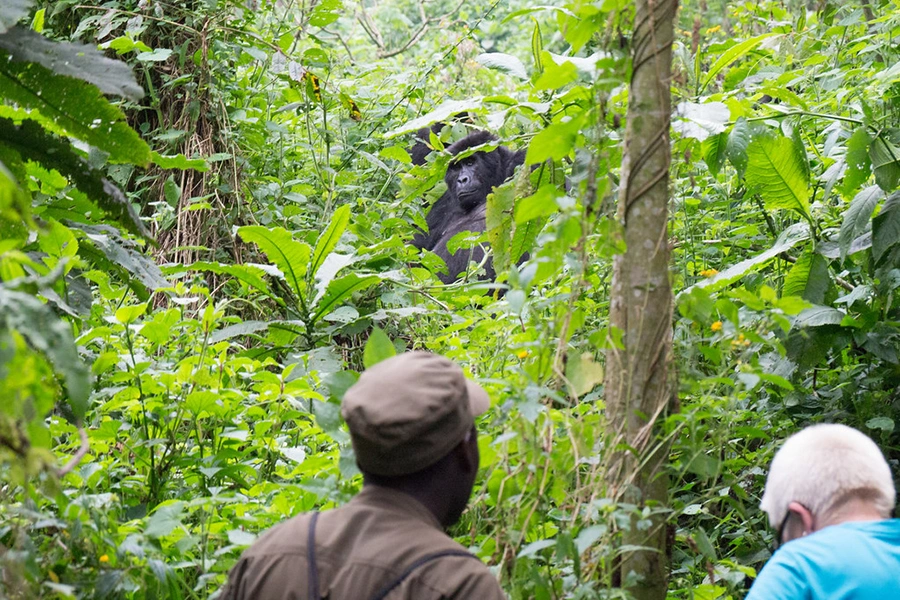
3 Days Gorilla and Chimp Tracking Safari in Uganda. Imagine sitting quietly in a misty rainforest as a silverback mountain gorilla feeds a few meters away, then, the very next morning, hearing a chimpanzee community explode into pant-hoots high in the canopy of another forest. On a 3 days gorilla and chimp tracking safari in Uganda, that is exactly what happens. In just three days, you meet two of our closest living relatives in the wild, each with a completely different personality, habitat and energy.
At Kenlink Tours, this short primate safari is one of our most popular trips for travellers with limited time. In this guide, we explain how a three-day gorilla and chimpanzee safari works, share a detailed day-by-day itinerary, cover permits, best time to travel, lodges, costs and packing, and offer practical tips to help you get the most out of both encounters.
Why Choose a 3 Days Gorilla and Chimp Tracking Safari?
Uganda is one of very few places on Earth where you can track both mountain gorillas and chimpanzees on the same short trip. A three-day itinerary is ideal if you:
- Have limited holiday time but want a world-class wildlife experience
- Are already in Kigali or Kampala on business or visiting friends
- Want to compare the gentle, calm gorillas with the lively, noisy chimpanzees
- Prefer an affordable primate safari, since Uganda’s gorilla permits cost far less than Rwanda’s
- Want a short add-on before or after a longer East African holiday
Seeing both great apes back to back is fascinating. Gorillas are peaceful, family-oriented vegetarians that spend much of their time on the forest floor, while chimpanzees are fast-moving, highly social and often dramatic, swinging through the trees and communicating with loud calls. Our article on gorilla trekking vs chimpanzee tracking in Uganda explores these differences in detail.
How the 3 Days Gorilla and Chimp Safari Works
One important fact shapes this itinerary: there are no chimpanzees available for tracking in Bwindi Impenetrable National Park. To see both apes in three days, you trek gorillas in Bwindi and track chimpanzees in a nearby forest. The best option for a short trip is Kalinzu Forest Reserve, which lies between Bwindi and Queen Elizabeth National Park and is reachable from Bwindi in a few hours’ drive.
Kibale Forest, Uganda’s most famous chimpanzee destination, is further north and generally needs at least four or five days to combine comfortably with Bwindi. For a three-day trip, Kalinzu offers the best balance of good sighting chances and manageable driving. Compare the two in our guide Kalinzu or Kibale: which is better for chimps tracking?
Starting from Kigali: The Smartest Route for Three Days
Bwindi is much closer to Kigali in Rwanda than to Entebbe in Uganda. The drive from Kigali to Bwindi takes roughly four to six hours depending on the sector, while the drive from Entebbe takes nine to ten hours. That is why our classic 3 days gorilla and chimp tracking safari starts and ends in Kigali, saving you a full day of travel.
Pick and Transfer Safaris explains the advantages of this route in their guide to Kigali vs Entebbe for gorilla trekking, and their page on the drive from Kigali to Bwindi for a gorilla trek describes the journey. Our guide to crossing the border from Rwanda to Uganda covers visas and border procedures.
Day 1: Kigali to Bwindi Impenetrable National Park
Morning pick-up in Kigali. Your Kenlink Tours driver-guide meets you at Kigali International Airport or your hotel early in the morning in a comfortable 4×4 safari vehicle. After a short briefing, you head north through Rwanda’s famous rolling hills, often called the land of a thousand hills, with terraced farms, tea plantations and lively villages along the way.
Crossing into Uganda. You cross the border at Katuna (Gatuna) or Cyanika, depending on your trekking sector, where your guide helps with formalities. Continuing through the terraced hills of Kabale, sometimes called the Switzerland of Africa, you will have opportunities to stop for photos and lunch.
Arrival at Bwindi. As you approach Bwindi, the landscape becomes steeper and greener until the dense, ancient rainforest comes into view. You arrive at your lodge in the late afternoon, with time to relax, enjoy dinner and prepare for the next day’s trek.
For this itinerary, the northern Buhoma sector usually works best because it connects well with the road to Kalinzu. Learn more about gorilla trekking in Buhoma sector and read our guide to choosing the best sector for a gorilla trek in Bwindi. If you prefer a private transfer arranged around your own plans, see our private transfer from Kigali to Buhoma or Ruhija.
Day 2: Gorilla Trekking in Bwindi, Then Transfer to Kalinzu
Gorilla briefing. After an early breakfast, your guide drives you to the park headquarters for a briefing by Uganda Wildlife Authority rangers at around 7:30 to 8:00 am. You learn about the trekking rules, safety guidelines and the gorilla family assigned to your group of up to eight trekkers.
The trek. Accompanied by experienced trackers and armed rangers, you enter the forest, hiking through thick vegetation, across streams and up steep slopes. The trek can take anywhere from one to six hours depending on where the gorillas spent the night. When you find them, you spend one unforgettable hour watching the family feed, groom, rest and play. You may see a mighty silverback beating his chest, mothers cradling infants or juveniles tumbling through the vines.
Afternoon transfer to Kalinzu. After returning to the lodge for lunch and your gorilla trekking certificate, you drive to Kalinzu Forest Reserve. Depending on the route, you may pass the edges of Queen Elizabeth National Park, where your guide keeps an eye out for wildlife. You arrive at your lodge near Kalinzu in the evening for dinner and a well-earned rest.
For more on the trekking experience, read our guide to gorilla trekking in Uganda.
Day 3: Chimpanzee Tracking in Kalinzu and Return to Kigali
Chimpanzee briefing and tracking. After an early breakfast, you head to the Kalinzu visitor centre for a briefing and then into the forest with an experienced guide. Kalinzu is home to a habituated chimpanzee community, and sighting chances are good. Tracking usually takes between one and three hours. Once you find the chimps, you spend about an hour watching them feed in fruiting trees, groom one another, call across the forest and move between the canopy and the ground. Kalinzu is also rich in other primates, including black-and-white colobus, red-tailed monkeys, blue monkeys and L’Hoest’s monkeys, as well as many forest birds and butterflies.
Drive back to Kigali. After your chimpanzee encounter, you return to the lodge for lunch and then drive back to Rwanda via Mbarara and the Katuna border. You arrive in Kigali in the evening, in time for a late flight or a final night in the city.
Learn more about Kalinzu Forest chimpanzee tracking and the Kalinzu Forest Reserve itself. This route closely follows our ready-made 3 Days Bwindi Chimpanzee Gorilla Trekking Safari, which you can book directly.
Alternative Itinerary: Starting from Entebbe or Kampala
If you are flying into Entebbe, you can still enjoy a three-day gorilla and chimp safari, but the order is reversed and the days are longer.
Day 1: Drive from Entebbe or Kampala to the Kalinzu area, crossing the Equator and passing through Mbarara. Overnight near Kalinzu or Queen Elizabeth National Park.
Day 2: Morning chimpanzee tracking in Kalinzu, then drive south through the Ishasha sector of Queen Elizabeth National Park, famous for tree-climbing lions, to Bwindi’s Buhoma sector.
Day 3: Gorilla trekking in Bwindi, then continue to Kigali for your departure, since the road to Kigali is far shorter than the road back to Entebbe.
Many travellers start in Entebbe and finish in Kigali this way; Pick and Transfer explains this routing in their article on whether you can begin your tour in Kigali and end in Entebbe, which works just as well in reverse. If you must return to Entebbe, we recommend adding a fourth day or a domestic flight from Kihihi airstrip near Buhoma. Our guide to a fly-in gorilla safari in Uganda explains the flight options.
Bonus Wildlife: Tree-Climbing Lions in Ishasha
On the Entebbe version of this itinerary, or when the road allows, the drive between Kalinzu and Buhoma passes through the Ishasha sector of Queen Elizabeth National Park. Ishasha is famous for its lions that climb and rest in the branches of fig and acacia trees, a behaviour seen in only a few places in Africa. You may also see elephants, buffalo, topi and Uganda kob along the way. Learn more about the Ishasha tree-climbing lions, and read Pick and Transfer’s guide to the chances of seeing tree-climbing lions in Uganda. You can also explore more about Queen Elizabeth National Park.
Gorillas vs Chimps: What Each Encounter Feels Like
Although both are great apes, the two encounters feel remarkably different. With gorillas, the experience is calm and intimate. Families often sit together in a clearing, feeding on leaves and stems, while youngsters play and the silverback keeps a watchful eye. You can usually observe them at eye level for long stretches, which makes for close, detailed photographs and a deep sense of connection.
Chimpanzees bring energy and noise. You often hear them long before you see them, as calls ripple through the forest and males drum on tree buttresses. They may be high in a fig tree one moment and racing along the ground the next, so the encounter feels more like following an adventure than watching a quiet scene. Experiencing both on the same short safari gives you a fuller picture of great ape behaviour than either trek alone.
Gorilla and Chimpanzee Permits
Every trekker needs a separate permit for each activity.
Gorilla permit: A Uganda gorilla trekking permit costs USD 800 per person for foreign non-residents, with lower rates for foreign residents and East African citizens. Permits are issued by the Uganda Wildlife Authority and grant one hour with a habituated gorilla family. Each family can be visited by a maximum of eight people per day, so permits sell out quickly in peak season.
Chimpanzee permit: Kalinzu Forest Reserve is managed by the National Forestry Authority, and its chimpanzee tracking permits are considerably cheaper than those for Kibale National Park. We confirm the current rate when booking.
We recommend booking at least three to six months in advance, especially for June to September and December to February. Our guide to booking gorilla and chimpanzee tracking permits in Uganda explains the process, and Pick and Transfer covers booking a gorilla permit in Uganda. To see why Uganda offers better value, read their comparison of Rwanda vs Uganda gorilla trekking cost.
Minimum Age and Fitness Requirements
The minimum age for gorilla trekking in Uganda is 15 years, while chimpanzee tracking is generally open from 12 years. This means the full three-day safari is best suited to travellers aged 15 and above. Families with younger children can adapt the trip so that parents trek gorillas while children enjoy other activities, but a two-day chimpanzee-focused trip may suit younger families better; see our Two Days Chimpanzee Tour in Uganda.
Both treks involve walking on uneven, sometimes steep and muddy forest trails. You do not need to be an athlete, but a reasonable level of fitness helps. Hiring a porter for the gorilla trek is highly recommended; porters carry your bag, help on slippery sections and earn valuable income for their families.
Best Time for a 3 Days Gorilla and Chimp Safari
Gorilla trekking and chimpanzee tracking take place all year round. The drier months from June to September and December to February are the most popular because trails are firmer and easier to hike. The wet seasons, from March to May and October to November, bring muddier trails but also lush scenery, fewer visitors and sometimes lower lodge rates. Fruiting seasons in the wetter months can also keep chimpanzees feeding in predictable areas, which may help sightings. Whatever the month, pack a rain jacket, because rain can fall at any time in these forests.
Where to Stay on Your Three-Day Primate Safari
Near Bwindi (Buhoma sector): Luxury travellers can choose lodges such as Buhoma Lodge or Mahogany Springs, which offer forest views and fine dining. Mid-range options include Engagi Lodge and Buhoma Haven Lodge, while budget travellers can choose simple guesthouses and community camps near the park gate.
Near Kalinzu: Kalinzu Forest Lodge and other lodges in the Bushenyi and Kyamuhunga area offer comfortable stays close to the forest, and lodges on the edge of Queen Elizabeth National Park provide another excellent option.
We match your lodges to your budget and preferences, and we always choose properties within easy reach of the trekking starting points so you can enjoy relaxed mornings.
What Is Included in the 3 Days Gorilla and Chimp Safari Package?
A typical Kenlink Tours package includes:
- Airport or hotel pick-up and drop-off in Kigali (or Entebbe on request)
- Transport in a comfortable 4×4 safari vehicle with fuel
- A professional, English-speaking driver-guide
- One gorilla trekking permit per person
- One chimpanzee tracking permit per person
- Two nights’ accommodation with meals as listed
- Park and reserve entrance fees
- Bottled drinking water throughout the tour
Exclusions usually include international flights, visas, travel insurance, drinks, porter fees, tips and personal expenses.
How Much Does a 3 Days Gorilla and Chimp Safari Cost?
The total cost depends mainly on the number of travellers, your choice of lodges and the season. The gorilla permit is the largest single cost, followed by accommodation and transport. Because the vehicle and guide are shared, the price per person falls noticeably for groups of two to four travellers. Budget lodges keep costs down, while luxury lodges add comfort and exclusivity for a special trip.
Contact us for an up-to-date quote based on your dates and preferences. For comparison, Pick and Transfer offers a gorilla and chimp safari from Kigali and a longer 5 Days Gorilla Trek and Chimps Tour in Uganda.
What to Pack for Gorilla and Chimp Tracking
- Waterproof hiking boots with good grip, already broken in
- Long trousers and long-sleeved shirts in neutral colours
- Gardening gloves for gripping branches and vines
- A lightweight rain jacket and a waterproof daypack
- Insect repellent, sunscreen and a hat
- A camera with spare batteries and memory cards (no flash allowed)
- Binoculars for spotting chimps and birds in the canopy
- Reusable water bottle and energy snacks
- Passport and yellow fever certificate for border crossings and permit checks
For a complete list, see our gorilla trekking safari checklist for travelers.
Rules for Gorilla and Chimpanzee Tracking
- Keep a distance of at least seven metres from gorillas and eight metres from chimpanzees where possible.
- Do not trek if you are sick, as great apes can catch human illnesses.
- Do not eat, drink or smoke near the apes.
- Do not use flash photography.
- Stay with your group, speak quietly and follow your ranger’s instructions at all times.
- If a gorilla or chimp approaches or displays, stay calm and still, and let your guide advise you.
Upgrading Your Safari: Habituation Experiences and Longer Trips
If you want more time with the apes, consider upgrading. The Gorilla Habituation Experience in Bwindi’s Rushaga sector gives you up to four hours with a gorilla family that is still being habituated, alongside researchers and trackers. Learn more about the Gorilla Habituation Experience in Rushaga sector, and read Pick and Transfer’s guide to gorilla habituation and chimpanzee trekking in Uganda.
Travellers with more time can extend to a week and include Kibale Forest, Queen Elizabeth National Park and Lake Bunyonyi. Our 7 Days Gorilla, Chimps Tracking and Game Safari in Uganda is a great choice, and you can learn more about Kibale Forest National Park, the primate capital of the world.
Tips for an Unforgettable Gorilla and Chimp Safari
- Book permits early. Gorilla permits are the key to your dates, so secure them first.
- Hire a porter. It makes the gorilla trek easier and supports the local community.
- Be ready to move quickly with chimps. Chimpanzees travel fast, so wear good boots and stay close to your guide.
- Set your camera for low light. Both forests are dark under the canopy; use a higher ISO and fast shutter speed.
- Stay healthy. Look after yourself before your treks, as visitors with colds or flu may be refused permission.
- Enjoy the moment. Take photos, but also put the camera down and simply watch; the memory will last a lifetime.
If you have spare time after your gorilla trek, Pick and Transfer shares ideas on what to do after a gorilla tour in Bwindi.
Frequently Asked Questions About the 3 Days Gorilla and Chimp Safari
Can I see gorillas and chimps in three days? Yes. By trekking gorillas in Bwindi and tracking chimpanzees in nearby Kalinzu Forest, you can enjoy both encounters in a well-planned three-day safari.
Are there chimpanzees in Bwindi? Chimpanzees are not tracked in Bwindi, which is why this itinerary includes Kalinzu Forest Reserve for the chimpanzee experience.
Is it better to start from Kigali or Entebbe? For a three-day trip, Kigali is better because Bwindi is only a few hours away, while Entebbe is a full day’s drive.
How difficult are the treks? Both treks involve walking on uneven forest trails. The gorilla trek can be longer and steeper, but porters and walking sticks make it manageable for most reasonably fit travellers.
What is the minimum age? Gorilla trekking requires visitors to be at least 15 years old, and chimpanzee tracking is generally open from 12 years.
How far in advance should I book? At least three to six months ahead, and earlier for peak season, because gorilla permits are limited.
Book Your 3 Days Gorilla and Chimp Tracking Safari with Kenlink Tours
A 3 days gorilla and chimp tracking safari in Uganda delivers two of the greatest wildlife encounters on the planet in one short, carefully planned journey. From the quiet power of a gorilla family in Bwindi to the energy of a chimpanzee community in Kalinzu, you will return home with stories, photos and a deeper connection to the natural world.
Learn more about Kenlink Tours and our experienced driver-guides, then email info@kenlinktours.com with your travel dates and number of travellers. For more short primate ideas, browse Pick and Transfer’s short chimp tracking safaris in Uganda, and let us secure your permits for an unforgettable great ape adventure.