- EXPERT'S HELP
- +256789210067
- +256200955001
- info@kenlinktours.com


Tours in South Sudan
April 28, 2026
Visit Jinja Sipi Falls Kidepo and Murchison Falls in one trip
April 28, 2026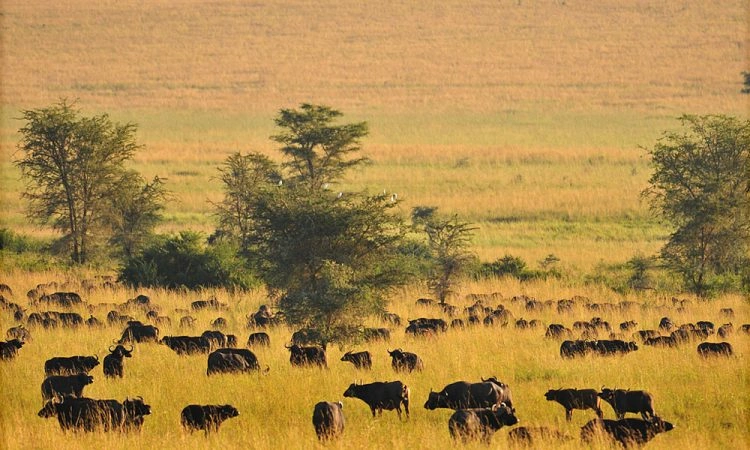
Uganda is celebrated worldwide for its gorillas, its chimpanzees, and the famous wildlife of Queen Elizabeth and Murchison Falls National Parks. But ask any seasoned safari traveller which Uganda park left the deepest mark, and the answer, with striking regularity, is Kidepo. Tucked into the extreme northeastern corner of the country, sharing borders with South Sudan to the north and Kenya to the east, Kidepo Valley National Park is Uganda’s most remote, most wild, and — by the considered opinion of many who have visited all of Africa’s great parks — most spectacular wildlife destination. CNN International has rated it among the top national parks in Africa. Lonely Planet has described it as one of the continent’s finest wilderness experiences. And yet, because of its distance from Kampala and its reputation for remoteness, it receives only a fraction of the visitors that flow through Uganda’s southern parks every year.
That is precisely the point. At Kenlink Tours, we organise Kidepo Valley wildlife safaris as one of our most prized offerings — not because it is the easiest park to reach, but because what awaits travellers who make the journey is the kind of pure, unfiltered African wilderness that is becoming increasingly rare on the continent. This guide covers everything you need to know about Kidepo’s wildlife, its game drives, its birding, its two distinct valleys, and how to plan a safari that does full justice to Uganda’s greatest wild secret.
What Makes Kidepo Valley Different from Every Other Uganda Safari Park
Kidepo Valley National Park was gazetted in 1962 and covers 1,442 square kilometres of semi-arid savannah, rocky outcrops, ancient riverbeds, and mountain ridgelines in the Kaabong district of Uganda’s Karamoja subregion. It is Uganda’s third-largest national park and its most biodiverse, harbouring over 77 mammal species and between 475 and 500 bird species depending on seasonal migrants. What makes those numbers extraordinary is not just their size but their composition — an extraordinary proportion of the wildlife found in Kidepo exists nowhere else in Uganda.
Of the park’s 77 mammal species, 28 are endemic to the Karamoja region and found in no other Ugandan national park. These include cheetahs, caracals, bat-eared foxes, aardwolves, black-backed jackals, greater and lesser kudus, klipspringers, Guenther’s dik-diks, and striped hyenas. Kidepo is the only national park in Uganda where you can see a cheetah in the wild. It is the only place in Uganda where ostriches — the world’s largest birds — stride across the open grassland. It is one of only two parks in Uganda where elands occur. The predator checklist runs to 20 species, a figure that rivals East Africa’s most celebrated wildlife destinations.
The Narus Valley — Heart of the Kidepo Wildlife Experience
The park is defined by two distinct valleys: the Narus Valley in the south and the Kidepo Valley in the north. Understanding the difference between them — and why each deserves its own game drive — is fundamental to planning a meaningful Kidepo wildlife safari.
The Narus Valley is the core of the park’s wildlife experience and the area where virtually all game drives are concentrated, particularly during the dry season. The name “Narus” means “marshy ground” in the Karamojong language, and the name is earned — the Narus River provides the only permanent water source in the entire park for much of the year. This single fact transforms the valley during Uganda’s long dry months: as water sources elsewhere in the park disappear and the landscape bleaches to pale gold, every animal in Kidepo gradually gravitates towards the Narus. Lions gather on the rocky outcrops near the Apoka headquarters. Elephant herds move through in long processions to drink. Zebra and buffalo congregate in numbers that exceed what most visitors have ever witnessed outside of East Africa’s most famous parks.
What Animals You Will See in the Narus Valley
The wildlife density in the Narus Valley during the dry season is genuinely extraordinary. Large herds of buffalo — estimated to exceed 10,000 individuals across the park — gather in the valley’s wetland margins in congregations that have been described by experienced guides as among the most impressive buffalo sightings in all of Uganda. Rothschild’s giraffes, an internationally important population of which over 50 individuals have been counted in Kidepo, move gracefully across the open acacia grassland with the Morungole mountain range as a backdrop. Plains zebras graze alongside Jackson’s hartebeests, Uganda kobs, oribi, bohor reedbucks, and waterbucks in a tapestry of plains game that the Narus Valley sustains throughout the year.
The predators are the unforgettable element. Lions are regularly seen resting on the large rocks near Apoka Tourism Centre as you enter the park — a welcome that sets the tone for everything that follows. Leopards are present throughout the park, more commonly seen in the rocky hill country and along the Narus riverbanks at dawn. Cheetahs, though always an elusive sighting anywhere in Africa, use the open grassland of the valley floor for their hunts, and the flatter, less vegetated terrain of Kidepo gives them far greater visibility than the dense bush of Uganda’s southern parks. Spotted hyenas are abundant and frequently encountered on evening drives. Black-backed jackals and side-striped jackals can be seen in the early morning. Elephants — the park’s population has recovered from around 200 individuals in the 1990s to over 650 today — are a daily presence near the permanent water sources.
The Kidepo Valley — Uganda’s Most Remote Game Drive Destination
The Kidepo Valley, occupying the northern section of the park closer to the South Sudan border, is a completely different experience from the Narus. This is the park’s truly wild interior — a landscape of ancient, dry riverbeds lined with borassus palms, vast open sandflats where the seasonal Kidepo River once ran, and a silence so complete that it can feel disorienting to visitors accustomed to busier safari environments.
Because the Kidepo Valley’s water sources are seasonal and dry out completely during the long dry months, wildlife is less concentrated here than in the Narus during the peak game-viewing season. When the rains return between April and August, however, the animals move back into the Kidepo Valley in large numbers to take advantage of the fresh grass and refilled pools — and the valley transforms into a lush, green landscape of extraordinary beauty. Game drives into the Kidepo Valley during the wet season offer sightings of wildlife dispersed across vast, emerald plains backed by the Didinga Hills on the South Sudan border, in conditions that are exceptional for landscape photography.
The Kanangorok Hot Springs, located within the Kidepo Valley, are another attraction of the northern section — geothermal springs that bubble from the earth in a landscape of compelling strangeness, surrounded by the stark beauty of the semi-arid terrain. The drive to Kanangorok is typically a full-day excursion combining wildlife sightings, dramatic scenery, and the springs themselves.
Game Drive Sessions in Kidepo — Morning, Evening, and Full Day
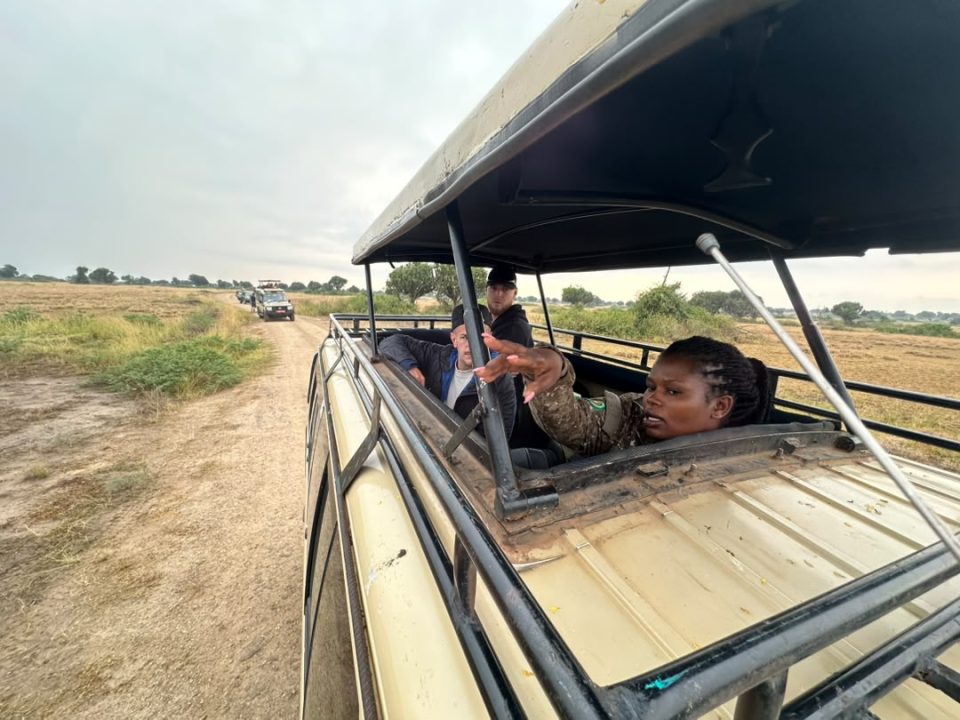
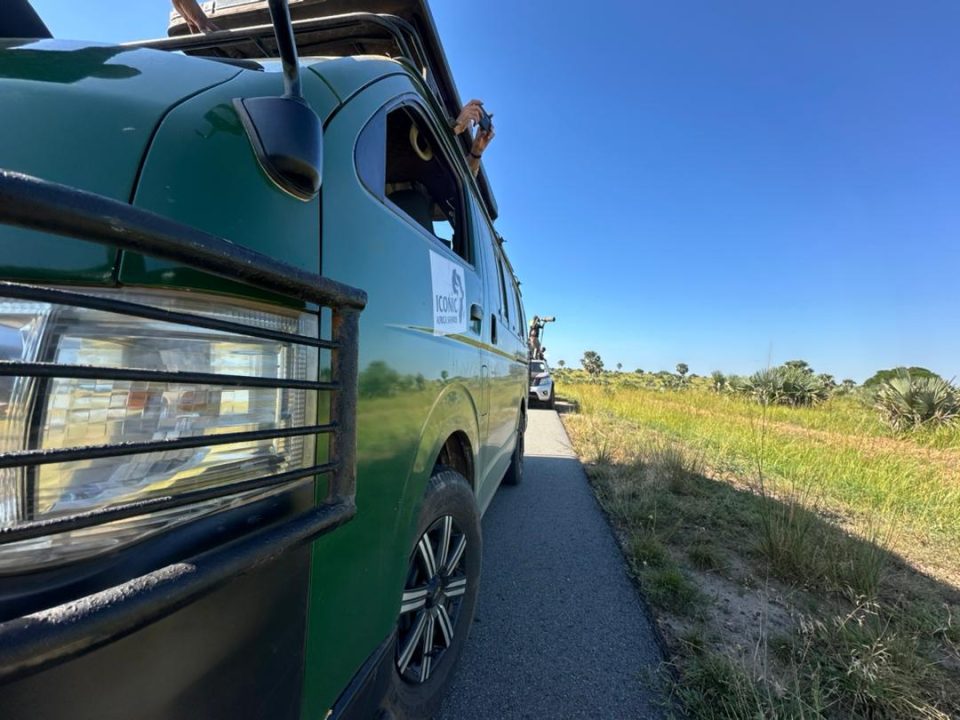
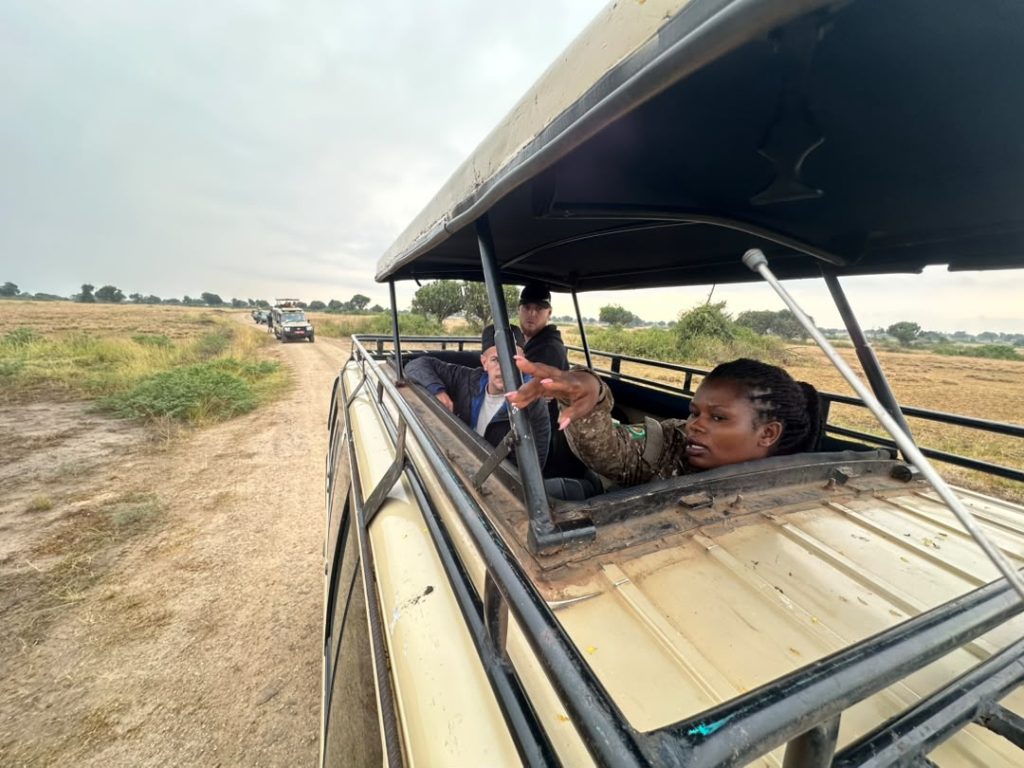
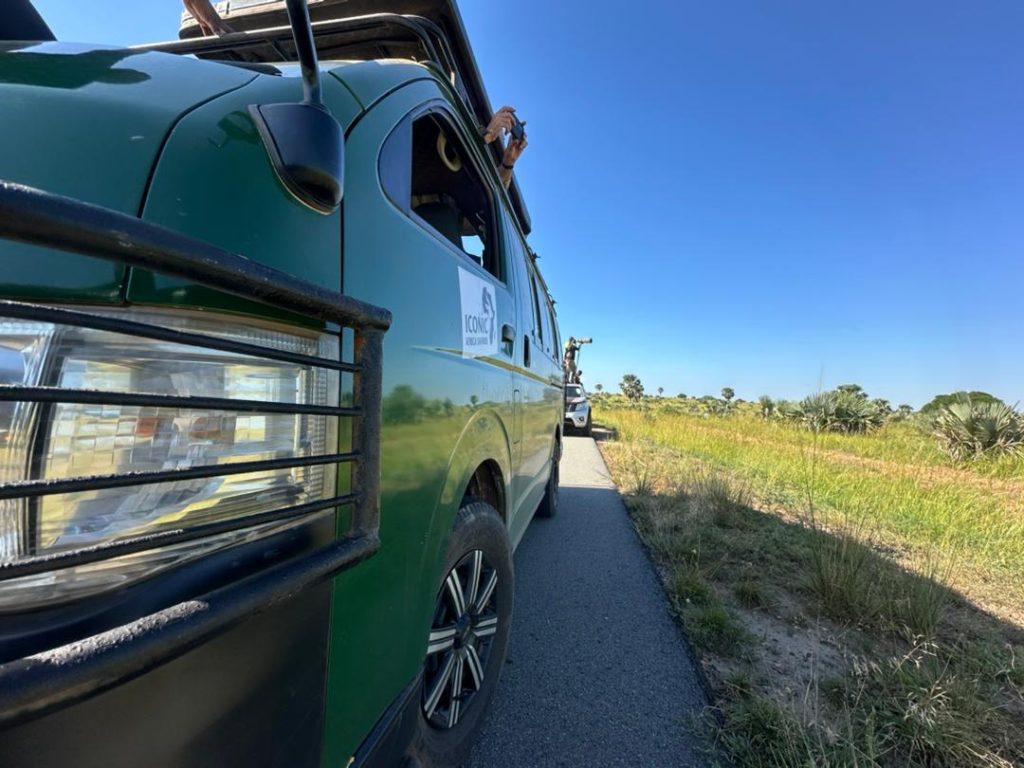
Game drives in Kidepo are conducted in 4×4 safari vehicles with an armed Uganda Wildlife Authority ranger guide, and can be organised in three main formats. Understanding which session suits your objectives makes a real difference to the quality of your experience.
Morning game drives depart from your lodge at approximately 6:00 am, when the temperature is at its coolest and the animals are most active. This is the session most likely to yield predator sightings — lions active before the heat builds, cheetahs scanning from elevated termite mounds, leopards retreating from nocturnal hunts. Elephants move in the early light, buffalo herds graze along the valley margins, and the quality of the photography during the first hour after sunrise is exceptional. The Uganda Wildlife Authority, which manages all game drive operations in the park, requires that all drives be conducted with a licensed ranger guide for both safety and wildlife protection. The cost of a ranger guide is USD $20 per drive for foreign non-residents.
Evening game drives depart around 4:00 pm and run until sunset — typically around 7:00 pm in Kidepo. The late afternoon light in the Narus Valley, with the golden savannah stretching towards the mountains and the animals gathering at water sources for their evening drinks, is one of the most visually beautiful game drive environments in Uganda. Evening drives also offer excellent chances of encountering hyenas beginning their night activity, jackals moving through the grassland, and the first nocturnal stirrings of the bush. Full-day game drives, which include a packed lunch eaten riverside or under a shade tree in the valley, allow you to cover both the Narus and northern sections of the park in a single extended session.
Birding in Kidepo Valley National Park — A World-Class Experience
With between 475 and 500 recorded bird species — the second-highest count of any national park in Uganda after Queen Elizabeth’s 604 — Kidepo Valley National Park is one of East Africa’s premier birding destinations. What makes its list truly exceptional is not simply the numbers but the character of the species involved. Because Kidepo sits at the meeting point of Sudanese, Ethiopian, and East African avifaunal zones, it harbours a collection of dry-country birds found nowhere else in Uganda, alongside a remarkable raptor diversity and several species endemic to the Karamoja region itself.
The common ostrich — the world’s largest bird — is found only in Kidepo among all Uganda’s national parks, and watching ostriches run across the open savannah plains is one of the park’s most iconic wildlife sights. The secretary bird, another large, unmistakeable species associated with arid grassland, is also a Kidepo specialty. The kori bustard — the world’s heaviest flying bird — stalks the grassland with slow, dignified strides. The Abyssinian roller dazzles with its electric blue plumage in the acacia woodland. The Abyssinian ground hornbill patrolls the open ground in slow, deliberate pairs.
Endemic and Specialist Bird Species of Kidepo
The crown jewel of Kidepo’s birding list is the Karamoja apalis — one of only two bird species endemic to Uganda, and found nowhere in the world outside the Kidepo and Karamoja region. This small, cryptically patterned warbler inhabits the dry thickets and riverine bush of the park, and finding it is one of the most sought-after tick on any serious East African birding trip. The rose-ringed parakeet and Clapperton’s francolin are two further species whose East African populations are restricted to Kidepo. The park’s raptor diversity is outstanding — 58 species of birds of prey have been recorded, of which 12 are found in no other national park in Uganda. Verreaux’s eagle, the Egyptian vulture, and the pygmy falcon are among the most prized sightings. Birding is best conducted in the early mornings along the fringes of the Narus and Namamukweny Valleys, and the wet season from April through August brings an additional influx of intra-African migrants and breeding plumage that birders find exceptional.
If Kidepo’s birding interests you, our Big Five and Primate Safari guide covers Uganda’s wider birding landscape and how Kidepo fits into a comprehensive Uganda wildlife itinerary.
Walking Safaris in Kidepo — On Foot in the True Wilderness
One of the most extraordinary activities available in Kidepo Valley National Park is the walking safari, and Kidepo offers a quality of on-foot wildlife experience that is simply not available in Uganda’s more crowded, more developed parks. Walking safaris depart from Apoka Tourism Centre and are conducted by an armed UWA ranger guide at all times. The main walking circuits include the area immediately around Apoka — where elephants, zebras, reedbucks, and giraffes can be approached on foot at remarkably close range — the Eastern Kakine Circuit, where wildlife can be observed at distances of 50 to 70 metres, and the Rioname Trail, which winds through open grassland and along the southern edges of the Narus Valley with sweeping views across the park.
Walking in Kidepo gives you a relationship with the landscape that a vehicle safari cannot replicate. You feel the temperature of the air, hear the sounds of the bush unmediated by an engine, notice the animal tracks in the dust, and experience the scale of the savannah from ground level rather than from behind glass. It is physically demanding and requires a reasonable level of fitness — but the rewards, in terms of both wildlife encounters and the sheer sense of immersion in wild Africa, are extraordinary. A full-day walking safari into the deeper reaches of the Narus Valley, packed lunch included, is consistently described by visitors as one of the highlights of their entire Uganda safari.
Visiting the IK People on Mount Morungole
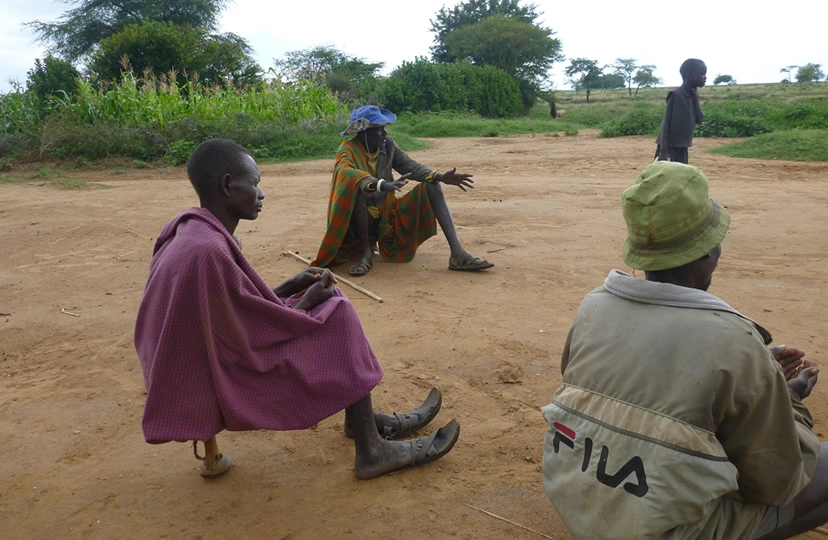
Beyond its wildlife, Kidepo Valley National Park offers one of Uganda’s most remarkable cultural encounters: a visit to the IK people, one of Uganda’s smallest and most isolated ethnic groups, who live on the forested slopes of Mount Morungole at the park’s southern edge near the South Sudan border. The IK are a hunter-gatherer community whose population numbers only a few thousand and whose way of life — centred on honey gathering, subsistence farming, and a profound connection with the mountain ecosystem — has remained largely unchanged for generations.
Reaching the IK requires a hike up the lower slopes of Morungole, approximately 15 kilometres from Apoka along a ridgeline trail that offers sweeping panoramic views over both the Narus and Kidepo Valleys as you climb. The hike is demanding — a proper pair of boots and a good level of fitness are prerequisites — but the combination of the mountain scenery, the wildlife sightings possible along the trail, and the encounter at the top with a community living an entirely traditional life makes this one of the most unique and moving activities available anywhere in Uganda. A visit to the IK can be combined with a game drive on the same day for a full Kidepo experience that encompasses both the park’s wildlife and its human depth.
The Karamojong Cultural Experience
The Karamojong people — the semi-nomadic agro-pastoralists who have been the custodians of the Kidepo landscape for centuries — offer a cultural experience that gives essential context to everything you witness in the park. Their history with this land predates the national park itself: the Karamojong were the original game wardens of Kidepo, their relationship with the wildlife and the ecosystem shaped by generations of coexistence. A visit to a Karamojong manyatta (traditional homestead) is arranged through the park management at Apoka and must be conducted with a ranger or community guide.
During the visit, you can observe traditional cattle management, participate in daily community activities, watch traditional dances, and purchase handmade beads, jewellery, and wooden crafts directly from community members. The cattle culture of the Karamojong has strong parallels with that of the Mundari and Dinka people of South Sudan — cattle are wealth, identity, and the foundation of every social transaction — and for travellers who have combined a South Sudan cultural tour with a Kidepo wildlife safari, the resonance between these two cattle-centric cultures is one of the most intellectually rewarding aspects of the broader journey. Our Uganda safari packages include options that combine Kidepo with a South Sudan extension for exactly this reason.
Best Time to Visit Kidepo for Wildlife Viewing
Kidepo Valley National Park can be visited year-round, but the two seasons offer genuinely different wildlife experiences, and understanding the distinction helps you choose the timing that matches your priorities.
The dry seasons — December through February and June through September — are the best time for wildlife viewing. As water sources across the park diminish and eventually disappear outside the Narus Valley, animals concentrate around the Narus River’s permanent pools with remarkable density. Lions, elephants, zebras, buffaloes, and the full range of plains game become predictably viewable along routes that experienced guides know intimately. The grass is shorter and visibility is long. The game drive roads are firm and accessible throughout the park, including the routes into the Kidepo Valley for Kanangorok. December through February is extremely hot and dusty — temperatures can reach 40°C — but the wildlife density compensates for the discomfort. June through September offers the most comfortable temperature range with excellent game viewing.
The wet season from April through August brings the park’s landscape transformation. The grass grows lush and tall, the plains turn vivid green against the mountains, and the wildlife disperses across the park as water becomes available everywhere. Sightings become less predictable but never absent — the guides’ knowledge of animal movements remains the key to productive game viewing regardless of season. The wet season is exceptional for birdwatching, as migrants arrive and residents begin breeding. Photography in the wet season light, with dramatic cloud formations building over the Morungole range, produces images of a quality that the dry season’s haze cannot match. For a full breakdown of Uganda’s seasonal conditions across all its parks, visit our About Uganda page.
Accommodation in Kidepo Valley National Park
Kidepo’s accommodation options reflect its remote character — the choice is more limited than in Uganda’s southern parks, but what exists ranges from authentic wilderness camping to one of the finest luxury safari lodges anywhere in the country.
Apoka Safari Lodge is Kidepo’s landmark luxury property, positioned on a low rise in the heart of the Narus Valley with views across the plains in every direction. Its ten spacious bandas — built from wood, canvas, and thatch — deliver genuine bush comfort: private decks with wildlife views, excellent food, and a raised dining and bar platform that functions as one of the best wildlife-viewing spots in the park. Lions have been observed near the swimming pool during the dry season, and buffalo and zebra regularly graze in the grounds. For travellers seeking the Kidepo experience at the highest level of comfort, Apoka is the definitive choice, and our Uganda luxury safari packages include Apoka as the primary Kidepo accommodation option.
Nga’Moru Wilderness Camp is the mid-range alternative, located about four kilometres from the Katarum Gate and overlooking the Narus Valley. Three cabana rooms and three safari tents, all with en-suite bathrooms and private balconies with wildlife views, offer excellent value in a setting of genuine atmospheric beauty. An evening campfire, bar and restaurant, and the sounds of the Kidepo night are included in every stay.
Kidepo Savannah Lodge sits 500 metres from the Kalokudo Gate on Kawalokol Hill, offering views over the Narus Valley and Mount Morungole from its tented accommodation at budget and mid-range price points. Apoka Rest Camp, managed directly by the Uganda Wildlife Authority, provides the most affordable option — 16 self-contained cabins and a campsite for those who want to sleep under the stars with the sounds of Kidepo’s nocturnal wildlife all around them.
Getting to Kidepo Valley National Park
The journey to Kidepo is part of the experience, and planning it correctly is essential. There are two main options: road and air.
By road from Kampala or Entebbe, the journey covers approximately 700 kilometres via the northern corridor through Karuma Falls, Gulu, and Kitgum. Total drive time is 10 to 12 hours depending on road conditions and stops. Most overland itineraries break the journey with an overnight stop in Gulu, and many incorporate a morning visit to Ziwa Rhino Sanctuary en route — an excellent opportunity to track Uganda’s white rhinos on foot before continuing north into Kidepo. The road journey through northern Uganda is itself a scenic reward: the landscape changes dramatically as you leave the green agricultural midlands and move into the increasingly vast, sun-bleached Karamoja savannah.
By domestic flight, Aerolink Uganda operates scheduled and chartered services from Entebbe International Airport or Kajjansi Airfield to Apoka Airstrip, with a flight time of approximately one and a half hours. The flight is strongly recommended during the wet season when road conditions in the final approach to the park can be challenging. For travellers combining Kidepo with other Uganda parks — Murchison Falls, Kibale, or the southern gorilla parks — domestic flight connections between airstrips can be arranged by Kenlink Tours as part of a complete northern Uganda circuit itinerary.
How Kenlink Tours Organises Your Kidepo Wildlife Safari
At Kenlink Tours, we have been organising Kidepo Valley National Park wildlife safaris for over 15 years, and it remains one of our most passionately recommended destinations. Every Kidepo package we design includes professional driver-guide services from guides who know the Karamoja region intimately, all park entrance and ranger fees, hand-selected accommodation matched to your budget and comfort preferences, game drives in the morning and evening sessions, a walking safari, a cultural visit to the Karamojong community or IK people on Morungole, and 24-hour support from our team throughout your safari.
Our most popular Kidepo offering is the five-day safari — the minimum we recommend for a meaningful experience of the park. This gives you two full days of game drives in both the Narus and Kidepo Valleys, a walking safari, a cultural encounter, and the Kanangorok Hot Springs excursion, framed by the overland journey north through Uganda’s remarkable interior landscape. For those wanting to fly in and maximise time in the park, a three-day fly-in package covers morning and evening game drives across both days, a walking safari, and the cultural visit, making it the most time-efficient Kidepo experience available.
For longer itineraries combining Kidepo with Murchison Falls National Park, Kibale Forest chimpanzee tracking, or gorilla trekking in Bwindi, our Uganda safari bookings page is the place to begin planning. Read our dedicated Kidepo tour packages guide for detailed day-by-day itinerary options at every budget level, and our gorilla safari holidays page for complete Uganda safari circuits that combine Kidepo with the southern primate parks.
Kidepo Valley National Park is Uganda’s greatest wildlife secret. The animals are here, the wilderness is intact, and the park is waiting. The only question is when you will make the journey north.
Book your Kidepo Valley National Park wildlife safari with Kenlink Tours →