- EXPERT'S HELP
- +256789210067
- +256200955001
- info@kenlinktours.com


Best Uganda Safaris for First-Time African Travelers
May 7, 2026
Big Five Safari Experiences in Uganda
May 7, 2026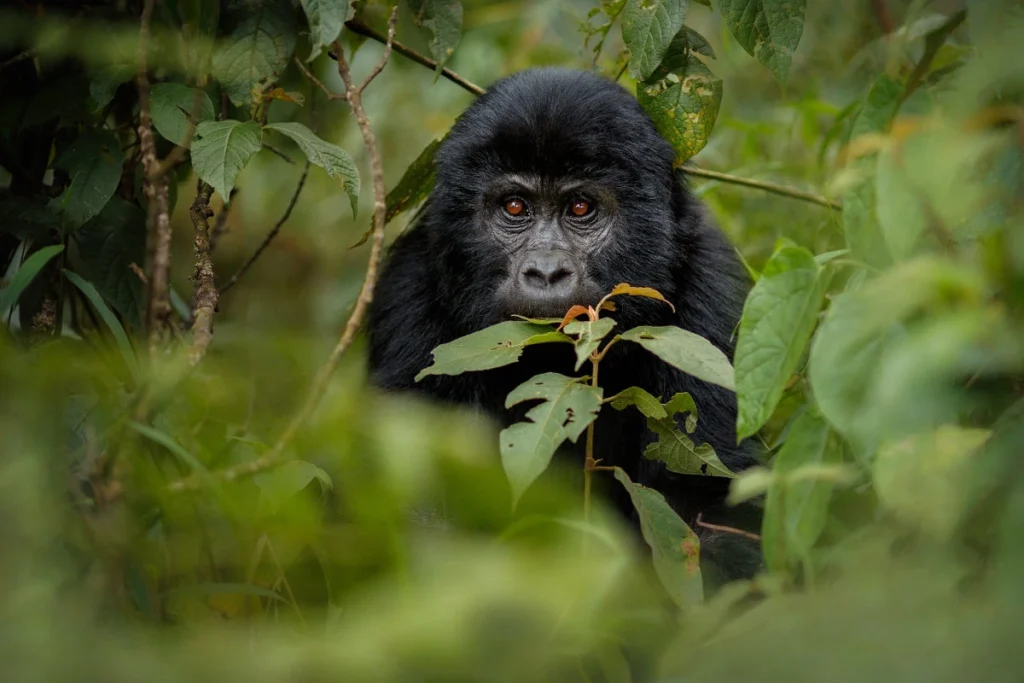
Ultimate Gorilla Trekking Guide in Uganda. Uganda is one of the most extraordinary wildlife destinations on Earth, and nothing quite captures the soul of this “Pearl of Africa” like standing face to face with a mountain gorilla in its natural habitat. With over half of the world’s remaining mountain gorillas living within Uganda’s forest borders, this is the single greatest gorilla trekking destination on the planet. Whether you are a first-time safari traveler or a seasoned adventurer, this ultimate guide covers everything you need to plan a life-changing gorilla trek — from permits and best seasons to packing lists, trekking sectors, and how to book the perfect safari.
Why Uganda Is the World’s 1 Gorilla Trekking Destination
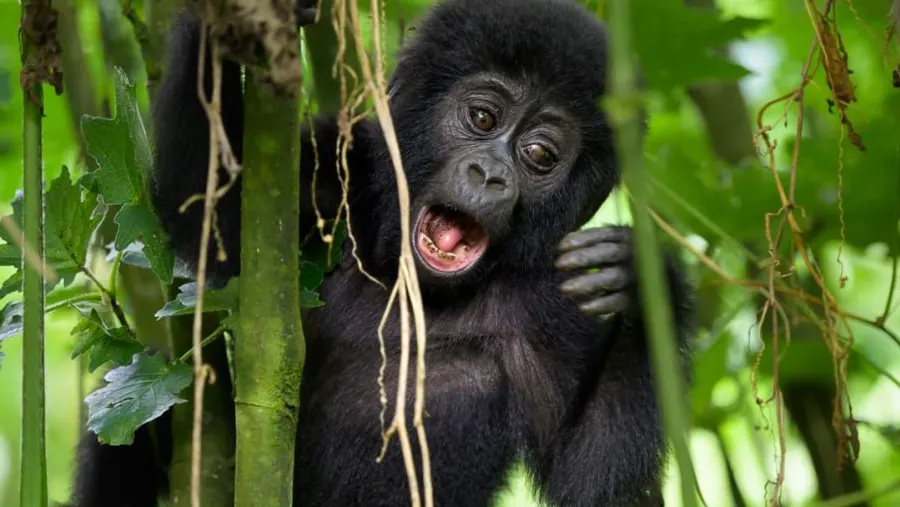
Uganda is home to more than 51% of the global mountain gorilla population, most of which reside in the lush, ancient forests of Bwindi Impenetrable National Park and Mgahinga Gorilla National Park. Bwindi, a UNESCO World Heritage Site, shelters over 20 habituated gorilla families across four distinct trekking sectors, making it the most biodiverse and accessible destination for encountering these critically endangered great apes. Mgahinga Gorilla National Park, nestled against the dramatic Virunga Volcanoes on Uganda’s southwestern border, offers a more intimate experience, hosting the famous Nyakagezi Gorilla Family — a group of nine individuals including multiple silverbacks living harmoniously within the park.
Beyond the gorillas themselves, Uganda’s setting is remarkable. Rolling mist-covered hills, ancient equatorial rainforests teeming with birds, and warm local communities combine to make the entire experience richer than a wildlife encounter alone. According to the International Union for Conservation of Nature (IUCN), mountain gorillas (Gorilla beringei beringei) are listed as Endangered, making responsible tourism a critical pillar of their survival. Every permit purchased goes directly toward protecting their future.
Understanding the Two Main Trekking Destinations
Bwindi Impenetrable National Park is divided into four trekking sectors — Buhoma, Ruhija, Rushaga, and Nkuringo. Each offers a unique atmosphere and a different selection of habituated gorilla families. The Buhoma Sector is the oldest and most celebrated trailhead in Uganda, having opened to gorilla trekkers in 1993. It is where the Mubare, Rushegura, and Habinyanja gorilla families reside, and where the park headquarters is located. For travelers wanting a well-developed infrastructure and easier access to cultural activities, Buhoma remains the benchmark starting point.
Mgahinga Gorilla National Park, while Uganda’s smallest national park at just 33.7 square kilometres, punches well above its weight. It forms part of the broader Virunga Conservation Area shared with Rwanda and the Democratic Republic of Congo, a landscape that supports more than 600 mountain gorillas roaming freely across transboundary territory. The park’s volcanic backdrop and close proximity to Rwanda also make it a superb base for travelers combining their gorilla trek with other regional experiences in the Kigezi Highlands.
Gorilla Trekking Permits — Cost, Booking, and What They Cover
To trek mountain gorillas anywhere in Uganda, you must obtain an official gorilla trekking permit issued by the Uganda Wildlife Authority (UWA). As of 2025, permit costs are set at USD 800 per person for foreign non-residents, USD 700 for foreign residents, and UGX 300,000 for East African citizens. Each permit covers your park entry fee, the services of professional UWA guides and advance trackers, and one full hour of up-close time with a habituated gorilla family.
Permits are limited to eight visitors per gorilla group per day — a deliberate conservation measure to minimize human impact on these sensitive animals. This scarcity means demand regularly outstrips supply, especially during peak season. It is strongly advisable to secure your permit at least three to six months in advance, particularly if you are planning to visit between June and September or in December and February. Working with a trusted local operator like Kenlink Tours takes the stress out of the permit booking process entirely — their team handles all logistics, ensuring your permit is confirmed alongside your accommodation and transport.
When Is the Best Time to Go Gorilla Trekking in Uganda?
Gorilla trekking in Uganda is a year-round activity, but the season you choose will significantly shape your experience on the trail. The dry seasons — June through September and December through February — are widely considered the best months for trekking. Trails are drier and firmer underfoot, making the hike through dense forest considerably more manageable. Wildlife, including the gorillas themselves, tends to move in more predictable patterns during these periods.
The wet seasons, particularly March through May and October through November, bring heavier rainfall, muddy trails, and occasionally more challenging conditions. That said, there are real advantages to visiting during the green season: fewer tourists, lower accommodation rates, and a visually lush, dramatic landscape. If your schedule only permits a wet-season visit, rest assured that gorilla trekking still operates and the encounters are just as magical — Kenlink Tours organizes gorilla safaris throughout the year, with expert guides who know how to navigate every condition.
According to the World Wildlife Fund (WWF), mountain gorillas are among the most studied great apes in the world, and habituation means they are completely comfortable with human presence — rain or shine, season or season.
What to Expect on the Day of Your Trek
Your trekking day begins early. Most groups assemble at the park headquarters by 7:30 AM for a briefing by Uganda Wildlife Authority rangers. This introduction covers gorilla behavior, safety guidelines, photography rules (no flash), and etiquette — including the critical requirement to stay at least seven metres from the gorillas at all times to reduce disease transmission risk. The WHO and leading conservation bodies including the Mountain Gorilla Veterinary Project emphasize this distance as essential for gorilla health.
After the briefing, groups are matched to specific gorilla families based on fitness level, and the trek begins. Depending on the gorillas’ location that morning — which advance trackers scout the evening before — the hike can last anywhere from 30 minutes to eight hours through dense rainforest. When you finally reach the gorillas, you are granted one precious hour in their company. Watching a silverback lead his family through the undergrowth, juveniles wrestling playfully in the treetops, or a mother nursing her infant — it is, without question, one of the most moving wildlife encounters on Earth.
What to Pack for Your Gorilla Trek
Preparing the right gear is essential for a comfortable and successful day on the trail. Sturdy waterproof hiking boots with strong ankle support are non-negotiable — the terrain is steep, rooted, and often slippery. Long-sleeved shirts and full-length trousers in neutral colors (khaki, olive, or brown) protect your skin from scratches and insect bites while blending into the forest environment. A lightweight rain jacket should always be in your daypack, even during the dry season.
Additional essentials include garden gloves for gripping branches on steep sections, insect repellent, sunscreen, a hat, energy snacks, and at least two litres of water. Do not forget your gorilla permit, passport, and yellow fever vaccination card. A full breakdown of what to bring can be found in the Kenlink Tours gorilla trekking packing guide. Hiring a local porter — available at the park for around USD 20 — is also highly recommended. Porters ease the physical load on the trail and provide invaluable employment to communities living alongside the parks.
Combining Gorilla Trekking with a Wider Uganda Safari
A gorilla trek need not stand alone. Uganda is a country of extraordinary diversity, and pairing your Bwindi visit with a broader safari maximises the adventure considerably. After trekking, many visitors head to Queen Elizabeth National Park for classic savanna game drives to spot lions, elephants, and buffaloes, or take a boat cruise along the Kazinga Channel. Kibale National Park — the primate capital of the world — offers world-class chimpanzee tracking just a few hours north of Bwindi.
For those with more time, the 25-day Uganda wildlife and gorilla adventure offered by Kenlink Tours covers everything from the Source of the Nile in Jinja and Murchison Falls to Kibale’s chimpanzees, Semuliki National Park, and Mgahinga’s golden monkeys — a truly comprehensive journey through the Pearl of Africa. Budget-conscious travelers can start with a focused 3-day gorilla trekking safari from USD 1,200, while luxury travelers seeking premium lodges, private transfers, and bespoke experiences can explore Uganda luxury gorilla safari packages ranging from USD 3,500 to USD 7,000 per person.
Book Your Gorilla Trek with Kenlink Tours
Planning a gorilla safari is complex — permits sell out, logistics across remote national parks require expertise, and every traveler’s budget and preferences differ. That is where Kenlink Tours excels. As a specialist Uganda tour operator with deep roots in gorilla country, Kenlink crafts tailor-made gorilla safaris that include permits, transport in a reliable 4×4, handpicked accommodation, all meals, and professional guides who know the forests intimately. Their commitment to sustainable tourism means that every safari actively supports local communities and wildlife conservation.
You can browse all available tours and book your Uganda gorilla safari directly on their website, or reach out to their team for a custom itinerary. Whether you dream of a quick three-day immersion or a grand multi-week East African journey, Kenlink Tours will make sure that the hour you spend with the gorillas becomes the moment you never forget.