- EXPERT'S HELP
- +256789210067
- +256200955001
- info@kenlinktours.com


Short Uganda Wildlife Safari
August 14, 2026
Gorilla and Chimpanzee Holiday Uganda
August 14, 2026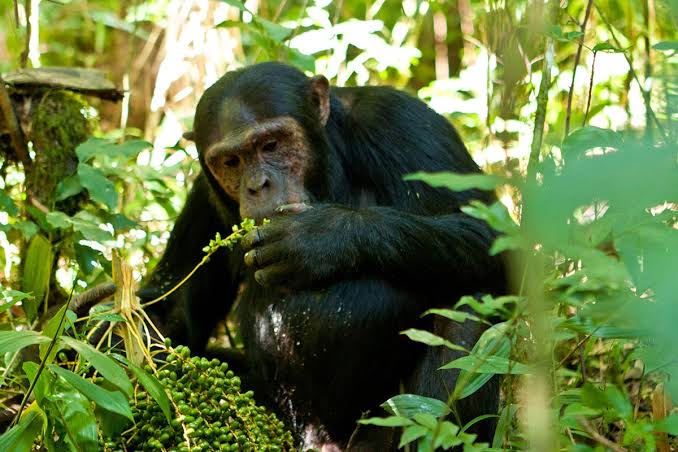
Gorilla Trek and Chimp Trek Package. Uganda is one of only a small handful of countries where you can trek two of humanity’s closest living relatives on the same trip, and a surprising number of travelers who come for gorillas end up asking, almost as an afterthought, whether chimpanzees are worth adding too. They generally are — the two experiences are different enough in pace, setting, and behavior that neither feels redundant next to the other, and Uganda’s geography happens to make combining them logistically straightforward rather than a major detour. This guide walks through exactly how a gorilla and chimp trek package fits together: where the two activities pair geographically, what a realistic itinerary looks like, what it costs to budget for both, and how the physical experience of each actually compares. For gorilla trekking on its own, our 3-day gorilla trek guide is the place to start; this post is specifically for travelers who want both primates on a single trip.
Gorilla Trek vs. Chimp Trek: What Actually Differs
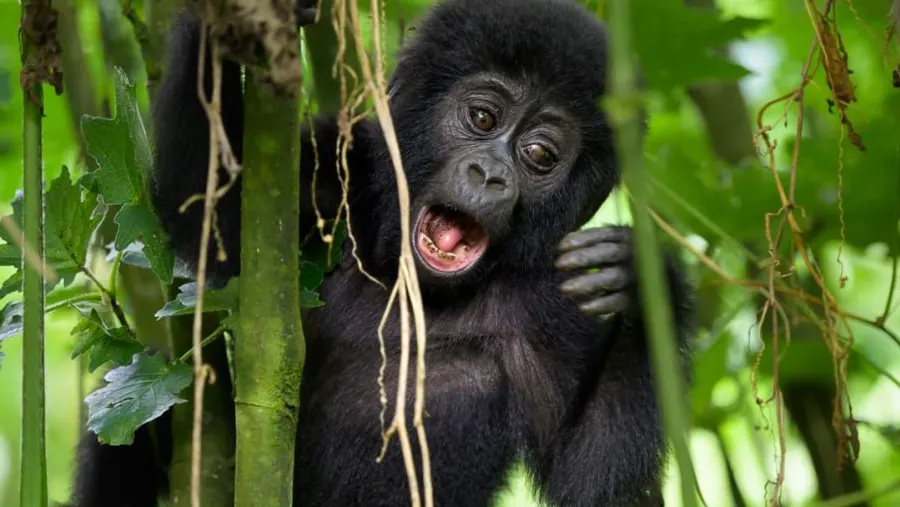
Before building a combined itinerary, it helps to understand how differently the two experiences actually run, since the assumption that they’re roughly interchangeable is a common misconception. Our guide to the difference between gorillas and chimpanzees covers the biological side in depth, but the practical differences matter just as much for planning. Gorilla trekking groups are capped at eight people per family, permits cost several hundred dollars, and you get a fixed one-hour viewing window once you find the family. Chimpanzee trekking groups are typically capped at six people per community, permits cost considerably less than a gorilla permit, and the viewing window is also generally one hour, though chimps move faster and more unpredictably through the canopy than gorillas do on the ground, which changes the character of the encounter. Gorillas are found reliably at ground level in a relatively contained area once located; chimpanzees range further and move quickly between trees, occasionally requiring the group to keep moving during the viewing hour itself just to keep up.
The social dynamics on display also differ in ways worth knowing before you go. Gorilla families are calm, deliberate, and dominated by the presence of a single silverback, with much of the encounter spent watching quiet feeding and grooming behavior at close range. Chimpanzee communities are louder, more animated, and considerably more vocal — travelers often hear a chimp community’s distinctive pant-hoot calls echoing through the forest well before they see the animals themselves, and the overall pace of a chimp encounter tends to feel more energetic and unpredictable than the steadier rhythm of a gorilla family.
Where to Do Both: The Geography That Makes This Combo Work
The reason a gorilla and chimp combo package works so well logistically is geography rather than coincidence. Kibale National Park, Uganda’s premier chimp trekking destination, and Kalinzu Forest Reserve, a quieter and more affordable alternative, both sit roughly along the route between Kampala or Entebbe and Bwindi Impenetrable National Park, particularly if your route passes through or near Queen Elizabeth National Park. Our dedicated page on chimp trekking in Kalinzu Forest Reserve and Kibale National Park covers both options in detail, and our broader overview of Uganda primate tracking safaris shows how chimp and gorilla trekking sit within the country’s wider primate-watching options, which also include golden monkeys near Mgahinga.
In practice, this means a combo itinerary rarely requires backtracking. You can trek chimps in Kibale or Kalinzu on your way toward Bwindi, then continue on to your gorilla sector a day or two later, rather than treating the two activities as separate trips bolted together with extra driving. If you’re curious why Bwindi’s own chimpanzee population isn’t an option for this pairing despite technically sharing the forest with the gorillas, our explainer on why chimpanzees in Bwindi aren’t habituated covers exactly why Kibale and Kalinzu remain the practical choices instead.
Sample 5-Day Gorilla and Chimp Trek Itinerary
Day one: depart Entebbe or Kampala, driving toward Kibale National Park or Kalinzu Forest Reserve, arriving by late afternoon. Day two: morning chimpanzee trek, followed by an afternoon drive onward toward Queen Elizabeth National Park or directly toward Bwindi, depending on your chosen route. Day three: continue to your Bwindi lodge, arriving in time for dinner and an early night. Day four: the gorilla trek itself, in whichever sector your permit covers. Day five: return drive to Kampala or Entebbe, or an onward flight if you’re connecting elsewhere. This five-day version is tight but genuinely workable, and it mirrors the structure of our standalone 3-day gorilla trek itinerary with a chimp day and its associated travel simply layered in at the front.
Sample 6-Day Version With a Queen Elizabeth Game Drive Added
If you have one extra day to spare, routing the combo trip through Queen Elizabeth National Park rather than around it adds a genuine game drive and, if timing allows, a Kazinga Channel boat cruise, without meaningfully lengthening the drive between Kibale and Bwindi. Our comparison of game drives in Murchison Falls versus Queen Elizabeth is a useful reference if you’re deciding whether this detour is worth the extra day, and our facts page on Queen Elizabeth National Park gives useful background if this ends up being your first stop in the park. This six-day structure turns what could feel like two separate activities bolted together into a single, cohesive Uganda safari that touches primates, savannah wildlife, and forest trekking in one continuous route.
Budgeting for Both Permits
Because gorilla and chimpanzee permits are priced very differently, it’s worth budgeting for them separately rather than assuming a combo trip simply doubles the cost of a gorilla-only trip. Our detailed breakdown of gorilla trekking permit prices in Uganda covers the larger of the two costs, while chimpanzee permits run considerably less per person, making the added chimp leg a meaningful but not overwhelming addition to an overall gorilla trip budget. Our broader guide to how much a Uganda safari costs is useful for estimating the full combo trip once accommodation and transport for the extra days are factored in, and our roundup of best-selling Uganda safari vacations shows how commonly operators already package these two activities together, which is a reasonable indicator of how well-trodden this specific combination is.
Physical Demands: Which Trek Is Actually Harder
This is one of the most common questions from travelers planning both activities, and the honest answer is that it depends on the specific location and day rather than one activity being categorically harder than the other. Gorilla trekking in Bwindi can involve steep, muddy terrain and treks lasting anywhere from under an hour to five hours depending on where the family is that day — our guide to which part of Bwindi is easiest for gorilla trekking covers the sector-by-sector variation. Chimpanzee trekking in Kibale tends to involve gentler, more consistent terrain than Bwindi’s steeper sectors, but the chimps themselves move faster and can require a brisker pace to keep up once they’re located, particularly if the community splits up and moves through the canopy overhead. Neither requires technical climbing skill, but both reward reasonable baseline fitness, and doing both on the same trip within a few days of each other is a genuinely more demanding schedule than either alone — worth factoring into how much rest time you build into the itinerary.
Going Deeper: The Chimpanzee Habituation Experience
For travelers who want more than the standard one-hour chimp encounter, Kibale offers a chimpanzee habituation experience, allowing several hours with researchers and habituation teams working directly with a semi-habituated community, in a similar spirit to the gorilla habituation experience available in Bwindi’s Rushaga sector. It costs more than the standard permit and requires more stamina, since you’re often on the move with the chimps for most of a morning rather than a fixed hour, but it’s worth considering if chimpanzee behavior is a genuine interest rather than a quick add-on to the main gorilla trip. Our overview of Big Five and primate safaris in Uganda touches on how this deeper experience fits into a broader wildlife-and-primate itinerary if you’re weighing it against other add-ons.
Choosing Between Kibale and Kalinzu
If you’re deciding between the two chimp trekking sites rather than assuming they’re interchangeable, a few practical differences are worth weighing. Kibale National Park is Uganda’s flagship chimp destination, with the highest habituation success rate and the most consistent sighting record in the country, but it also draws larger crowds and carries a higher permit price as a result. Kalinzu Forest Reserve, a short distance further south and closer to the Ishasha route into Bwindi, offers a quieter, more budget-friendly experience with a slightly lower probability of a confirmed sighting on any given day. For travelers prioritizing the highest chance of a great encounter, Kibale is generally the safer choice; for travelers prioritizing a quieter forest experience and a lower cost, Kalinzu is a reasonable trade-off, particularly if it also happens to sit more conveniently along your specific route to Bwindi.
Booking Both Permits Together
Gorilla and chimpanzee permits are issued by the same authority but booked and allocated separately, and it’s important not to assume that securing one automatically reserves the other. Because gorilla permits are the more constrained of the two — sold out further in advance during peak months — it’s generally best to lock in your gorilla trek date first, then book the chimp permit for a date that fits logically into the route around it, rather than the reverse. Our page on available gorilla tours for booking in Uganda and our chimpanzee and gorilla trekking page both show how we handle this combined booking process directly, coordinating both permits and the transport between them as a single itinerary rather than two separate bookings.
What to Pack for a Combo Trip
The packing list for a combo trip is largely the same as for gorilla trekking alone — a waterproof rain jacket, broken-in waterproof hiking boots, layered clothing for cool mornings, and gardening gloves for pushing through vegetation — since both Kibale and Bwindi are genuine rainforest environments. The one addition worth considering for the chimp leg specifically is slightly lighter, more breathable clothing than you might pack for a Bwindi trek, since Kibale’s terrain generally involves less strenuous climbing and a faster overall pace, which can make heavier layers uncomfortably warm over a longer chimp-tracking morning.
Best Time of Year for a Combo Trip
Both gorilla and chimpanzee trekking are possible year-round in Uganda, and neither has a hard closed season the way some wildlife activities elsewhere do. The dry seasons — roughly December to February and June to September — generally offer easier underfoot conditions for both treks and align with peak gorilla permit demand, so booking early matters more during these windows. The wetter months bring a real chance of muddier trails on both the gorilla and chimp legs, but also thinner crowds and, for many travelers, a more atmospheric rainforest experience overall. Our related guide on the national parks of Uganda is a useful broader reference if you’re mapping out how this combo trip fits alongside Uganda’s other parks on a longer overall itinerary.
Chimpanzee sightings are generally considered slightly less weather-dependent than gorilla sightings, since chimp communities in Kibale are followed daily by research teams and trackers regardless of season, keeping their general location reasonably predictable even in wetter months. That makes the chimp leg of a combo trip a little more forgiving to schedule around the wetter shoulder seasons than the gorilla leg, if your dates are constrained and you have to prioritize one over the other for weather reasons.
Extending the Combo With a Third Primate: Golden Monkeys
Travelers who enjoy the gorilla-and-chimp pairing sometimes go one step further and add golden monkey trekking in Mgahinga Gorilla National Park, creating a genuine three-primate trip within a single visit to Uganda. This works particularly well if your gorilla trek is scheduled in a southern sector like Rushaga or Nkuringo, since driving from Bwindi to Mgahinga is a relatively short add-on rather than a major detour. It’s not necessary to complete the core gorilla-and-chimp combo, but it’s worth knowing about if you’re already building a longer itinerary and want to make the most of Uganda’s primate diversity in one trip.
Where to Stay Between the Two Activities
Because a combo trip involves at least one lodge change between the chimp leg and the gorilla leg, it’s worth choosing accommodation with the transfer distance in mind rather than purely on amenities. A lodge close to Kibale’s park headquarters minimizes the morning drive before your chimp trek, while a Bwindi lodge close to your assigned sector’s briefing point does the same for the gorilla leg. Our roundup of budget-friendly lodges in Bwindi and our list of top luxury lodges in Queen Elizabeth National Park both cover options along this exact route, useful whichever end of the budget spectrum you’re planning around.
What to Expect on the Drive Between the Two Activities
The transfer between your chimp trekking base and Bwindi typically runs a few hours, passing through changing scenery — from Kibale’s forested edges through the open plains and crater lakes of the Queen Elizabeth region, then into the steep, terraced hills of the Kigezi highlands as you approach Bwindi. Many travelers describe this stretch of driving as one of the more scenic legs of the entire Uganda trip, rather than simply dead time between activities, and it’s worth treating it as part of the itinerary rather than something to rush through. A private vehicle with a knowledgeable driver-guide can also make useful stops along this route — a viewpoint over a crater lake, or a short break at a roadside coffee or tea stall — that a purely point-to-point transfer would otherwise skip entirely.
Frequently Asked Questions
Can I really do both gorilla and chimp trekking on one trip without major extra driving? Yes — Kibale and Kalinzu both sit roughly along the natural route between Kampala or Entebbe and Bwindi, so the chimp leg adds a day rather than a significant detour.
Which is more physically demanding, gorilla or chimp trekking? Neither is categorically harder — Bwindi’s terrain can be steeper, while chimps move faster and require a brisker pace once located. Doing both within a few days of each other is more demanding than either alone.
Do I need two separate permits? Yes, gorilla and chimpanzee permits are booked and priced separately, though a single operator can coordinate both as one itinerary.
Is the chimpanzee permit much cheaper than the gorilla permit? Yes, considerably — chimp permits cost a fraction of the gorilla permit price, making the combo a meaningful but not dramatic increase over a gorilla-only trip.
Should I book the gorilla or chimp permit first? Book the gorilla permit first, since it’s the more constrained of the two, then fit the chimp permit date around it.
Common Mistakes When Planning a Combo Trip
A few planning mistakes come up repeatedly with travelers attempting this combination for the first time. Scheduling the chimp trek and the gorilla trek back to back with no rest day in between is the most common, and it tends to leave travelers genuinely fatigued heading into what should be the highlight of the trip — building in at least a half-day of buffer between the two treks makes a real difference. Underestimating the total drive time across the combined route is another, particularly if a Queen Elizabeth detour is added without adjusting the rest of the schedule accordingly. And booking the chimp permit before confirming gorilla permit availability is a mistake worth avoiding specifically because gorilla dates are far more constrained — if the gorilla leg has to shift, an already-booked chimp permit on a fixed date can become a scheduling problem rather than a bonus activity.
Final Thoughts
A gorilla trek and chimp trek package works because Uganda’s geography makes it work — Kibale and Kalinzu sit naturally along the route to Bwindi, turning what could be two separate trips into one continuous itinerary. The two experiences are different enough in pace and setting that neither feels like a repeat of the other, and for travelers who have the extra day or two to spare, it’s one of the most rewarding ways to see Uganda’s primate diversity in a single visit. If you’d like help coordinating both permits and building the route between them, get in touch with our team at Kenlink Tours and we’ll put the itinerary together around your dates.
For travelers also arranging transport and safaris on the Rwanda side of the region, our colleagues at Pick and Transfer Safaris offer their own gorilla safari packages, including a one-day gorilla safari from Kigali and a two-day gorilla tour from Kigali, alongside a detailed look at Bwindi Impenetrable Forest National Park itself. Travelers extending into broader wildlife viewing can also browse their wildlife safari options, including a 3-day safari to Murchison Falls and a 3-day safari to Queen Elizabeth National Park. Learn more about their team on their about us page, browse their Kigali city guide, or reach out through their contact page.