- EXPERT'S HELP
- +256789210067
- +256200955001
- info@kenlinktours.com


How to Cross from Rwanda to Uganda for Gorilla Trekking Safaris
May 1, 2026
Uganda Gorilla Trekking Adventure Starting from Kigali
May 1, 2026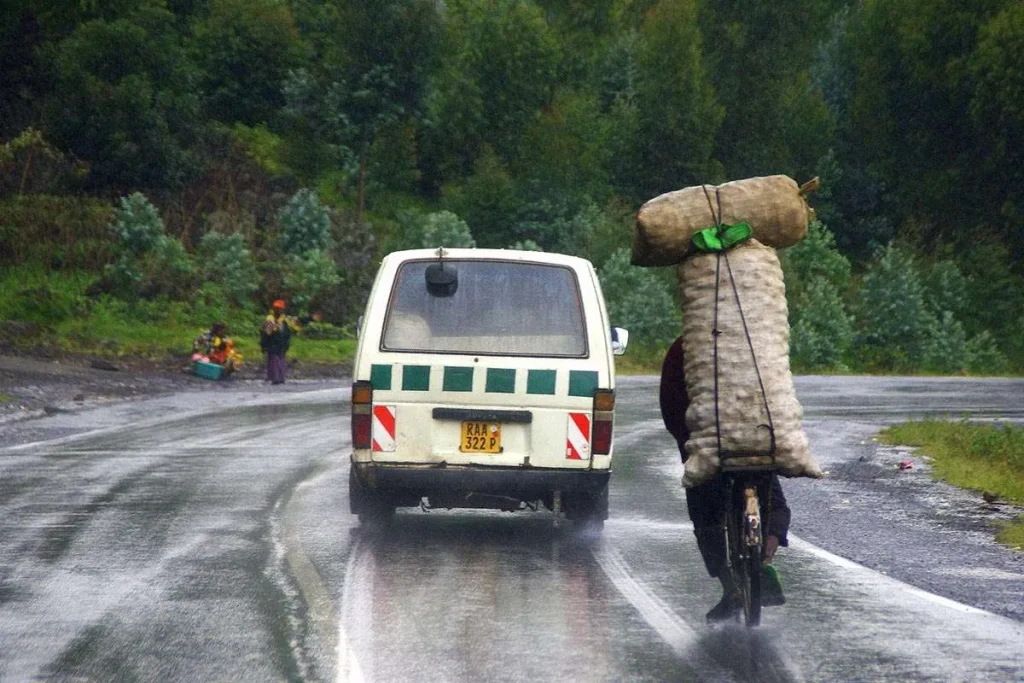
There are road trips, and then there is the drive from Kigali to Bwindi Impenetrable National Park. Winding through rolling green hills, crossing a fascinating international border, and arriving at one of the most biodiverse forests on Earth — this journey is an adventure long before you even lace up your trekking boots. At Kenlink Tours, we have guided hundreds of travellers along this incredible route, and we can confidently say it is one of the most rewarding road trips in all of Africa.
Whether you are flying into Kigali and planning to trek gorillas in Uganda, or simply curious about what this cross-border safari experience looks like, this guide covers everything you need to know — from the road conditions and border crossing to what awaits you deep inside Bwindi’s ancient forest.
Why Start Your Gorilla Trek in Kigali?
Kigali is one of Africa’s most modern and accessible capitals, served by excellent international flights from Europe, the Middle East, and beyond. Rwanda’s Kigali International Airport is clean, efficient, and a pleasure to arrive into — making it the go-to entry point for many travellers planning a gorilla trekking safari in Uganda and Rwanda.
The strategic beauty of starting in Kigali is that it positions you perfectly for a road trip that ticks multiple boxes in one swing. You can spend a day or two exploring Kigali’s moving Genocide Memorial and vibrant Kimisagara neighbourhood, then set off southwest towards Uganda with the best part of your safari ahead.
The Road: Kigali to Bwindi in Detail
Total Distance: Approximately 230–270 km depending on your route Estimated Drive Time: 5 to 7 hours including border formalities Border Crossing: Cyanika (most common) or Katuna/Gatuna
The drive begins on smooth Rwandan tarmac roads that cut through some of the most beautiful countryside you will ever see. Rwanda earns its nickname — the Land of a Thousand Hills — with every bend in the road. The terraced hillsides, banana plantations, and misty valleys make the drive genuinely scenic, not just a means to an end.
From Kigali, you head southwest through Musanze (the gateway to Volcanoes National Park), and then continue towards the Cyanika border point. Many travellers choose to make a brief stop in Musanze to grab breakfast or explore the town before crossing into Uganda. If you have an extra day, this is also the spot to consider adding a gorilla trek or golden monkey tracking in Rwanda’s Volcanoes National Park before pushing on to Bwindi — a fantastic itinerary option outlined in our guide on combining Rwanda and Uganda gorilla trekking and culture.
The Cyanika Border: This crossing is generally smooth for tourists holding valid visas. Uganda’s tourist visa costs $50, and the East African Tourist Visa — which covers Uganda, Kenya, and Rwanda — is available for $100 and is strongly recommended for multi-country travellers. Once across, you are in Kisoro District, southwestern Uganda, and the road continues through a landscape that becomes increasingly wild and dramatic.
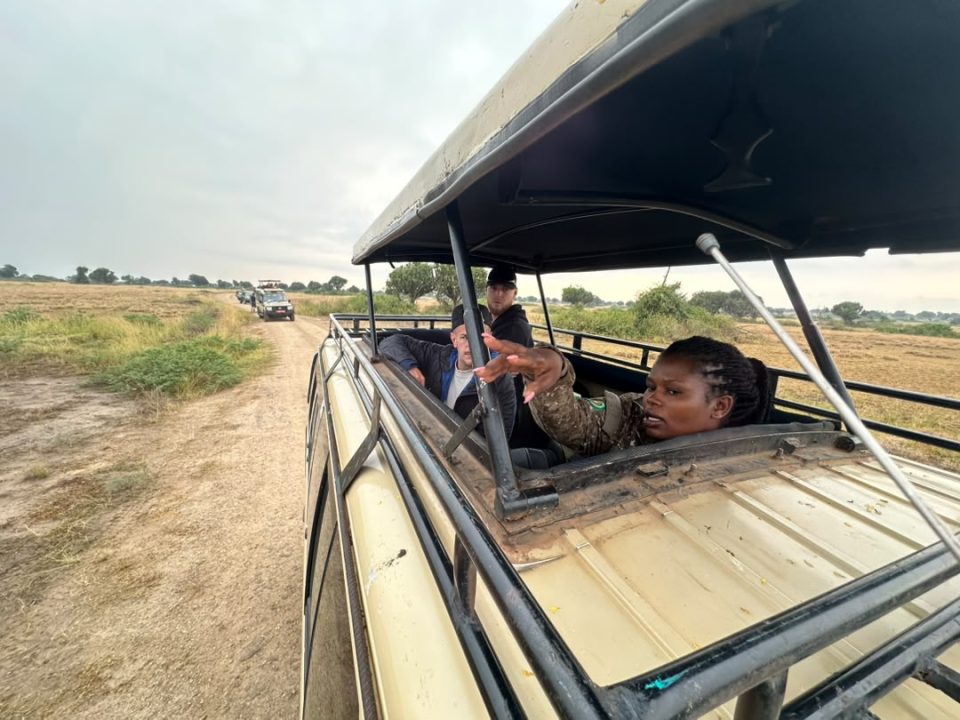
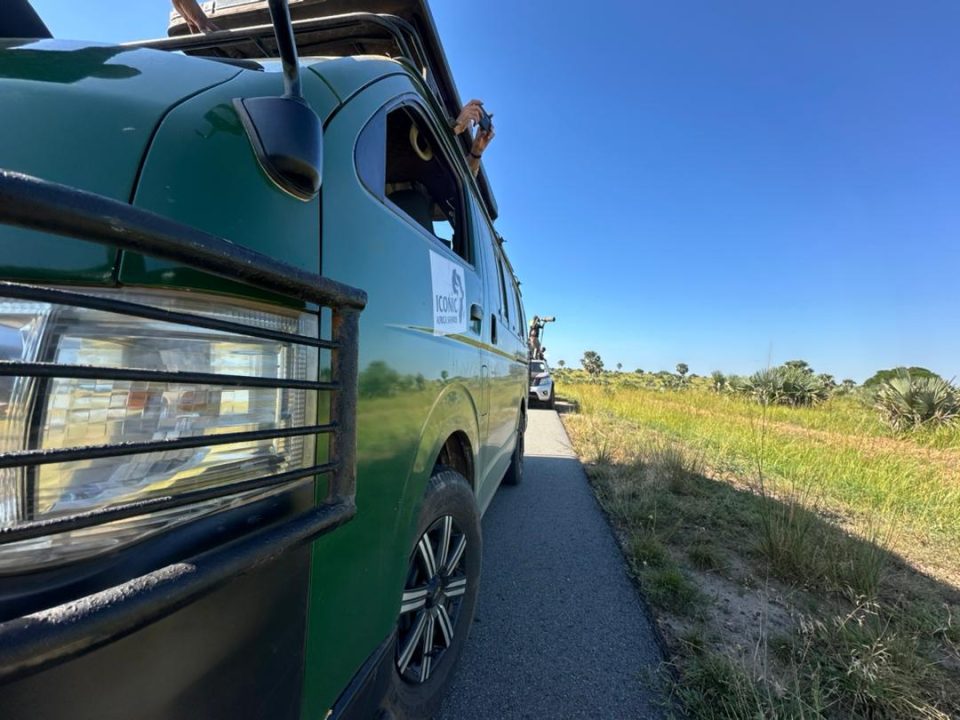
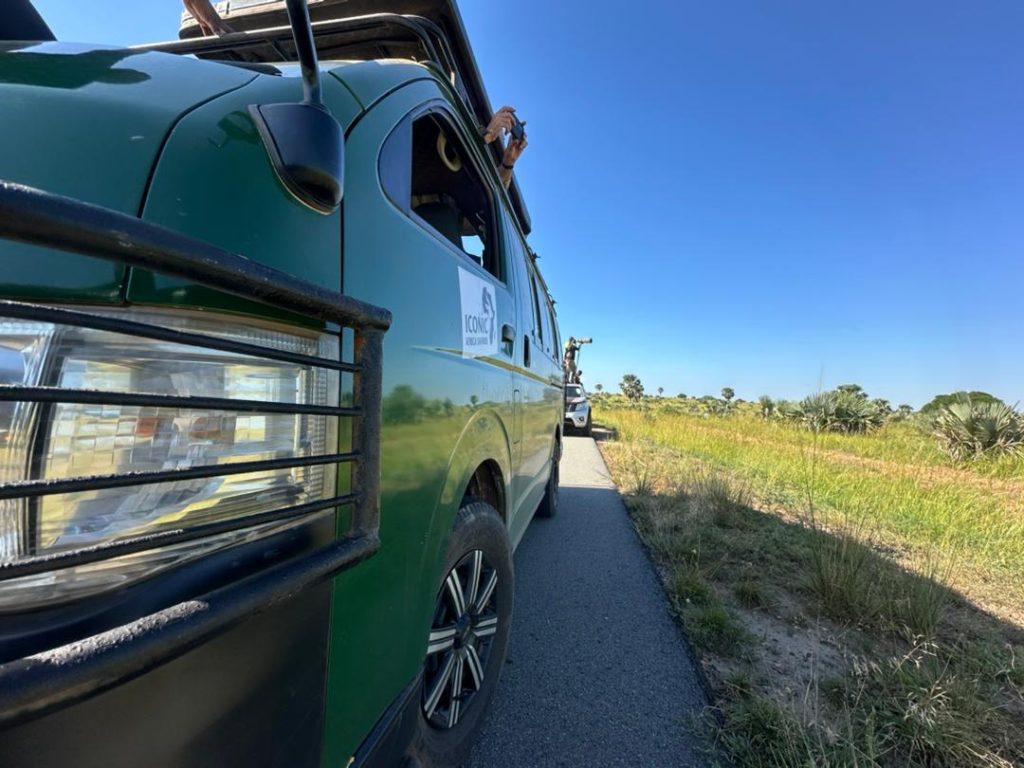
The stretch between Kisoro town and Bwindi takes you through some of Uganda’s most spectacular terrain: volcanic peaks, bamboo forest edges, and communities that have lived alongside mountain gorillas for generations. The road is partly paved and partly unpaved, so a 4×4 vehicle is strongly advised — another reason why booking your Uganda safari with Kenlink Tours ensures you travel in comfort with the right vehicle for the terrain.
Arriving at Bwindi Impenetrable National Park
Bwindi Impenetrable Forest National Park is a UNESCO World Heritage Site and home to approximately half of the world’s entire mountain gorilla population. The park is divided into four main trekking sectors: Buhoma (north), Ruhija (east), Rushaga (south), and Nkuringo (south). Your trekking sector will be determined by which gorilla family group your permit is allocated to.
If you are travelling from Kigali, you will most likely arrive in the Kisoro–Rushaga–Nkuringo corridor, as it is the closest to the Rwandan border. Buhoma, the most established sector and the one many first-timers visit, requires an additional drive through the park from the south, but the journey is absolutely worth it.
Plan to arrive at your lodge by late afternoon, have a good dinner, and rest well — your early morning trek awaits.
The Gorilla Trekking Permit: What You Need to Know
The Uganda gorilla trekking permit is issued by the Uganda Wildlife Authority (UWA), and as of the latest official update, the permit costs $800 USD per person for foreign non-residents. This fee directly funds gorilla conservation and community development programmes in and around Bwindi — so every dollar you spend goes towards protecting these magnificent animals for future generations.
Permits are strictly limited to eight visitors per gorilla family group per day. This means they sell out quickly, particularly during peak seasons (June–September and December–February). We cannot stress this enough: book your gorilla permit months in advance. At Kenlink Tours, we handle the entire permit acquisition process on your behalf, relieving you of the administrative headache. You can explore our available gorilla tours for booking in Uganda and choose a package that best fits your travel dates and budget.
For official permit information and conservation updates, you can also visit the Uganda Wildlife Authority website directly.
The Trek Itself: What to Expect
Trekking days begin early. You will arrive at the park headquarters for a briefing by around 7:30–8:00 AM. Rangers and trackers will assign you to a gorilla family and brief you on the rules: keep a minimum distance of 7 metres, no flash photography, no trekking if you are ill, and strictly one hour with the gorillas. These rules are in place to protect both visitors and the gorillas from disease transmission.
Then the hike begins. Depending on where the gorilla family has moved overnight, the trek can last anywhere from 30 minutes to 6 or 7 hours through dense, steep, and sometimes muddy jungle. This is the “impenetrable” forest living up to its name — and honestly, navigating it with expert guides who know every trail and gorilla habit is one of the great privileges of the experience. You can read more about what it is truly like to trek gorillas on our detailed blog post.
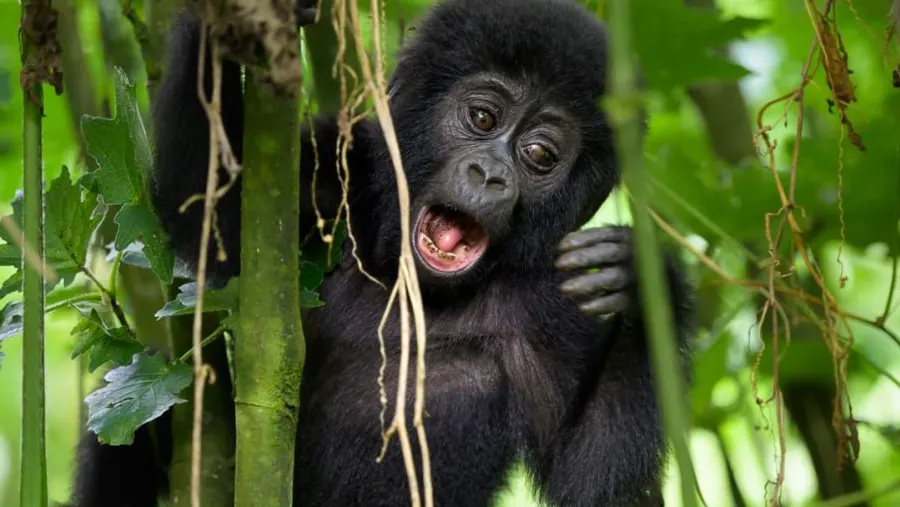
When you find the gorilla family, time seems to stop. Silverbacks lounging against tree trunks, juveniles somersaulting through the undergrowth, mothers nursing tiny infants — the scene is so intimate and so deeply moving that even the most seasoned travellers are brought to silence. Your one hour will feel like five minutes. It always does.
Extending Your Trip Beyond Bwindi
A visit to Bwindi need not be your final stop. One of the joys of the Kigali to Bwindi road trip is how naturally it connects to Uganda’s broader safari circuit.
From Bwindi, you can drive north to Queen Elizabeth National Park for game drives, a Kazinga Channel boat cruise, and the chance to spot the famous tree-climbing lions of Ishasha. Further north, Kibale National Park offers world-class chimpanzee tracking. For travellers wondering how to structure their time across both countries, our guide on how many days you need to visit Uganda and Rwanda offers detailed itinerary suggestions.
If you prefer the community and culture side of travel, a visit to the Batwa cultural experience near Bwindi is deeply meaningful. The Batwa — the original forest-dwelling people of Bwindi — share their traditional knowledge, music, and way of life through responsible tourism programmes that directly support their community. This is beautifully paired with gorilla trekking on a Uganda gorilla trekking and culture safari.
Travelling as a Group? We Have You Covered
If you are a solo traveller or a small group looking to reduce costs, Kenlink Tours also organises scheduled group gorilla trekking tours in Uganda where you can join fellow adventurers and share transport and guide costs while enjoying the same extraordinary experience.
Best Time to Do the Kigali–Bwindi Road Trip
The ideal months are June, July, August, September, and December — the dry seasons when trails are firmer and the forest is easier to navigate. That said, the park is open year-round, and the low season (March–May and October–November) offers quieter trails and lower accommodation prices for the budget-conscious traveller.
For more on timing, the Uganda Tourism Board offers up-to-date weather and park information.
Ready to Plan Your Kigali to Bwindi Road Trip?
This is not just a road trip. It is a journey across borders, ecosystems, and one of life’s most profound wildlife encounters. The drive from Kigali to Bwindi sets the tone perfectly — dramatic, beautiful, and full of anticipation. By the time you are sitting quietly in a jungle clearing watching a silverback gorilla hold court over his family, you will understand why people fly halfway around the world for this moment.
At Kenlink Tours, we take care of every detail — your permits, transfers, accommodation, border logistics, and experienced guiding — so that all you have to do is show up and be amazed.
Contact us today at info@kenlinktours.com to begin planning your Kigali to Bwindi gorilla trekking adventure. Your gorilla family is waiting.